
Shopping for a 120 Hz gaming monitor usually comes down to a simple trade, smoother motion versus the size, panel type, and desk space you can live with. You also need the right ports and stand adjustment, especially in a mixed-use setup where gaming shares space with schoolwork or a work laptop.
This roundup keeps that reality front and center. You’ll see curved and flat screens, IPS and VA panels, 22-inch to 27-inch sizes, and a range of refresh-rate headroom above 120 Hz for people who want a little extra breathing room.
Quick Look At The Shortlist

Gawfolk 24.5 in Gaming Curved Monitor 3000R 120Hz White

LG 24G411A-B 24-inch Ultragear Full HD IPS Gaming Monitor

Samsung 27″ Odyssey G5 (G51F) Series QHD Gaming Monitor LS27FG512ENXZA

ZZA 24.5 Inch FHD 120Hz Curved Gaming Monitor
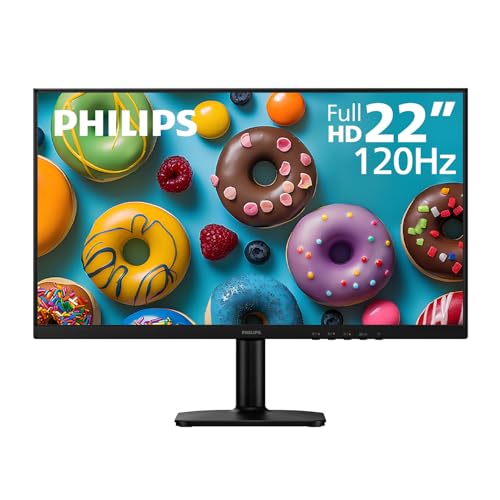
Philips 22 Inch Computer Monitor FHD 120Hz Overclocked IPS 22E2N1100

ArcticPro 22 Inch Monitor 144Hz 120Hz FHD 1080p Gaming Monitor

ArcticPro 27 Inch Monitor 120Hz FHD 1080p IPS
More Details On Our Top Picks
The white finish and 3000R curve make this Gawfolk an easy fit for a compact gaming corner, especially when you want the monitor to look intentional instead of generic. HDMI 2.0, VGA, built-in speakers, and 75 x 75 mm wall mounting give it broader setup range than the usual bare-bones 1080p panel.
The honest trade-off is that a curved 24.5-inch display suits desk depth best, so it feels more settled in a close gaming position than across a deep workstation. That said, it’s a tidy match for casual play, school tasks, or a second screen in a room where appearance matters as much as function.
Strong Points
- 3000R curvature wraps the image gently, which can make a single-player session feel more centered on a smaller desk.
- HDMI 2.0 and VGA keep older and newer gear in play, so the monitor works in more mixed setups.
- Built-in speakers reduce desk clutter for dorm rooms or secondary spaces where separate audio gear feels excessive.
- Wall-mount support at 75 x 75 mm helps you free surface space without hunting for a special adapter.
Things To Consider
- Curved panels are a taste issue, and some spreadsheet work feels a touch different than on a flat screen.
- Built-in speakers usually cover basic sound, not room-filling audio.
- The white finish looks clean, though it can show dust sooner on a busy desk.
Feature Snapshot
Who Should Grab It
Students, casual gamers, and anyone building a tidy white desk setup will get the most from it.
A Better Fit Elsewhere
LG 24G411A-B 24-inch Ultragear Full HD IPS Gaming Monitor suits competitive players who want stronger motion tuning and a more neutral flat-panel feel.
This LG leans harder into motion handling than the first pick, with IPS color, overclocked 144Hz refresh, and 1ms MBR, which means motion blur reduction for clearer fast movement. That mix suits you better than a purely decorative curved display when your day includes shooters, quick camera pans, or work that doubles as gaming time.
G-Sync Compatible support, AMD FreeSync, HDR10, HDMI, and DisplayPort give it the broadest gaming connection set in this group. The slim stand keeps the footprint restrained, though the styling stays plain compared with the Gawfolk’s white shell.
What We Like
- IPS panel design usually gives you more even color and wider viewing than basic budget panels.
- 144Hz overclocked refresh leaves headroom above 120Hz, which helps this monitor age better as your setup grows.
- DisplayPort and HDMI make it simple to pair with a gaming PC and a second device.
- HDR10 adds a bit more range for supported content, which helps desktop media feel less flat.
- Slim stand keeps desk use practical in rooms where every inch matters.
Room For Improvement
- The styling is restrained, so it won’t add much visual flair to a themed setup.
- Overclocked refresh may matter less to console-only players who stay inside fixed output limits.
- Motion blur reduction modes can trade a little brightness for clarity, which is normal for the feature.
Core Details
Built With In Mind
Competitive PC gamers and mixed-use desktop owners will get the most out of it.
Swap It Out When
Samsung Odyssey G5 (G51F) makes more sense for you if a larger 27-inch QHD workspace matters more than LG’s faster 1080p lean.
The Samsung moves you up a class in size and resolution, with 27-inch QHD giving text and game detail more room to breathe than the 24-inch 1080p monitors earlier in the list. The 180Hz refresh, height-adjustable stand, HDR10, black equalizer, virtual aim point, and Auto Source Switch+ make it feel like a monitor built for people who actually juggle PC play and daily desktop work.
The catch is that QHD asks more from your graphics hardware than plain Full HD, so it suits a stronger PC better than a modest one. The honest read is that this is the most future-minded choice here for people who want a bigger desktop and faster motion without moving into ultrawide territory.
Highlights
- 27-inch QHD gives you more workspace and sharper text than the 1080p entries in this roundup.
- 180Hz refresh offers extra motion smoothness for fast games and high-frame-rate PCs.
- Height adjustment helps you line up the screen more comfortably on a longer desk day.
- Black Equalizer and Virtual Aim Point speak directly to gaming use, not just general office work.
- Auto Source Switch+ simplifies mixed-device desks, especially where a console and PC share one display.
Areas To Watch
- QHD can be more demanding on older graphics cards than 1080p.
- The size feels best on a desk with decent depth, not a narrow shelf.
- Gaming-focused extras matter less for simple video or office use.
At A Glance
Who Will Love This
PC gamers who want a larger, sharper desktop without jumping to a premium ultrawide size will appreciate it most.
Where A Sibling Pick Shines
LG 24G411A-B fits a tighter desk and a stronger focus on 1080p speed, so it suits compact competitive setups better.
Compared with the Gawfolk, this ZZA keeps the same 24.5-inch, 3000R, 120Hz formula but frames it around a VA panel and a more esports-leaning identity. That matters because VA panels usually lean into deeper contrast than the typical budget IPS panel, which helps darker game scenes hold shape on a bedroom desk or a late-night setup.
1ms MPRT, AMD FreeSync, and the ultra-thin bezel make it straightforward rather than flashy. You may find it a cleaner choice than the Gawfolk if you care more about a straightforward black gaming display than a white shell or built-in speakers.
Positives
- 3000R curvature gives the same close-in feel that suits smaller desks and solo gaming.
- VA panel contrast helps shadowy scenes feel more defined than on many basic budget displays.
- Ultra-thin bezel keeps the screen edge visually light, which helps in dual-monitor arrangements.
- FreeSync support reduces tearing on compatible hardware.
Softer Spots
- VA panels can feel different from IPS if you prefer a more neutral look for design work.
- The feature set stays focused on gaming basics, so there’s not much extra polish.
- The curved shape is best judged in person, since curved fit is personal.
Feature Card
The Right Fit
Esports-focused casual players and small-bedroom setups are the clearest match here.
Look Elsewhere When
Philips 22E2N1100 suits you better if you need a smaller panel that takes up less desk width than this 24.5-inch curve.
The Philips is the size-conscious option in this group, and that’s exactly why it works for tight desks, side tables, and workstations that already carry a laptop or console dock. Overclocked 120Hz, IPS, 1ms MPRT, Adaptive Sync, HDMI 1.4, VGA, and VESA mounting give it just enough range without crowding the frame.
You may notice that 22 inches feels less cinematic than the 24.5-inch and 27-inch models, but it also keeps cursor travel short and desktop clutter easier to manage. The included low blue light and flicker-free tuning make it a sensible all-day monitor for mixed work and play, especially in a room where screen space is at a premium.
Upsides
- 22-inch footprint fits narrow desks and shared spaces cleanly.
- IPS panel keeps the image more consistent than many basic starter displays.
- VESA compatibility gives you mounting flexibility for a cleaner desk layout.
- HDMI and VGA keep it useful with both newer and older machines.
- Low blue light and flicker-free tuning help long sessions feel less harsh on the eyes.
Minor Gripes
- The smaller panel gives you less room for multitasking than 24-inch and 27-inch options.
- HDMI 1.4 is fine for this class, though it is not as future-proof as newer port versions.
- VGA support is handy for legacy gear, but most gaming desks will rely on HDMI instead.
Details At A Glance
Whose Shelf It Belongs On
Small-space gamers, students, and anyone building a compact work-and-play desk will benefit most.
Another Choice May Suit
ArcticPro 27 Inch Monitor 120Hz FHD 1080p IPS suits you better if you want a larger screen for relaxed couch-distance use.
This ArcticPro brings together 144Hz refresh, 99% sRGB, and a 4000:1 contrast ratio, so it feels more tuned toward visual range than the Philips’ simpler compact formula. 3-sided frameless styling, ultra-slim edges, LowBlue Mode, and tilt adjustment make it easy to place on a bedroom desk or a budget gaming station that still needs some polish.
The 22-inch size keeps it manageable, yet the stronger color and contrast specs help it stand apart from the more basic entry-level options. You may find the practical sweet spot here is a setup where one screen does gaming, streaming, and casual creative work without becoming the centerpiece of the room.
Best Bits
- 144Hz refresh gives you extra motion headroom above the 120Hz baseline.
- 99% sRGB helps color-sensitive work look more believable than on plain budget screens.
- 4000:1 contrast can make dark scenes feel richer and more layered.
- Frameless styling keeps the panel visually clean in multi-monitor layouts.
- Tilt adjustment helps you line up the screen without fuss.
Worth Noting
- The 22-inch size still limits how much you can spread out windows.
- Color depth matters more here than raw screen area, so it’s a better fit for focused desks than shared living-room setups.
- LowBlue Mode is useful for comfort, though it does not replace sensible screen-distance habits.
Technical Sheet
Perfect Match For
Desk-bound gamers who also do light photo work or streaming setup chores will get a lot from it.
Reach For A Different Pick When
Samsung Odyssey G5 (G51F) is the better step up if you want a larger 27-inch canvas with QHD sharpness.
The 27-inch ArcticPro feels like the easygoing middle ground in this list, larger than the 22-inch Philips and ArcticPro models but less demanding than the Samsung QHD step-up. IPS, 1ms MRTP, 99% sRGB, a frameless three-sided design, VESA support, and HDMI plus VGA ports make it a broad-use display for bedrooms, shared living spaces, or a mixed PC and console desk.
The size is the headline here, and that matters because 27 inches gives games and desktop windows more breathing room without forcing you into a denser pixel pitch than this Full HD class can comfortably support. The trade-off is plain enough: you get a roomier screen, but the sharper look of QHD is still reserved for the Samsung.
Reasons To Buy
- 27-inch size feels more immersive for general gaming and everyday desktop use.
- IPS panel supports stable color across common seating positions.
- 99% sRGB helps the image look more balanced for work and media.
- VESA mount support makes it easier to arm-mount or wall-mount the panel.
- HDMI and VGA keep it flexible for mixed hardware setups.
Small Caveats
- Full HD on 27 inches is fine for casual use, though text looks less tight than on QHD.
- The larger body needs a bit more desk depth than the 22-inch choices.
- VGA is useful for old systems, but most modern gaming setups will lean on HDMI.
Core Details
Who Will Love This
Gamers who want a larger monitor for mixed entertainment, light work, and console use will feel right at home with it.
Another Choice May Suit
Philips 22E2N1100 makes more sense for a very tight desk, while Samsung Odyssey G5 (G51F) suits you better for sharper QHD detail.
How To Choose The Right 120 Hz Gaming Monitors
Start With Screen Size And Desk Depth
Size changes the whole experience. A 22-inch monitor suits cramped desks and short seating distances, while 24.5 inches usually feels like the default sweet spot for gaming at arm’s length, and 27 inches works better when you want more room for the map, the HUD, and a browser side by side.
Desk depth matters just as much as diagonal size. A curved 3000R panel can feel comfortable close up, while a flat 27-inch screen usually gives a steadier look for mixed work and play.
Match Panel Type To Your Daily Use
IPS panels usually lean toward better viewing consistency and color balance, which helps in shared rooms, creative work, or a setup where you glance at the screen from different angles. VA panels often lean into stronger contrast, which can make dark game scenes look deeper, though the overall character feels different from IPS.
That contrast between IPS and VA is worth noticing before you pick a monitor. The better choice comes down to whether you care more about color steadiness or deeper shadows.
Look Past Refresh Rate Alone
120Hz gets you into smoother motion, but the rest of the signal chain matters. Response-time claims such as 1ms MBR or 1ms MPRT relate to motion clarity techniques, while sync support like FreeSync or G-Sync Compatible helps reduce tearing with supported hardware.
Ports matter too. HDMI and DisplayPort cover most modern gaming gear, while VGA still helps with older machines or classroom setups, so you should match the monitor to the devices already on your desk.
Think About Everyday Ownership
A slim stand, wall-mount support, or VESA compatibility can matter as much as panel speed once the monitor lives on your desk for months. Easier cable routing, a smaller footprint, and simple height or tilt adjustment often make the difference between a screen you like and one you actively use comfortably.
Built-in speakers can help in secondary rooms, but most gaming setups still benefit from separate audio. That’s the practical trade, convenience versus sound quality and desk clutter.
What To Weigh Before You Choose
Hidden Buying Traps
Many people focus only on refresh rate and ignore size, panel type, and ports. That can leave you with a fast monitor that feels awkward on your desk or doesn’t connect cleanly to your system.
Another common miss is buying too large for the space. A 27-inch panel sounds tempting, but a shallow desk can make it feel crowded fast.
The Upgrade Payoff
Higher-tier models usually cost more because they bring better panel tuning, more accurate color, stronger motion support, sturdier stands, and extras like higher resolution or source switching. Those touches matter most when you spend long hours at the screen or run both work and play from the same desk.
For casual use, a simpler 1080p 120Hz display can be enough. Spending up makes the most sense when you want sharper text, more adjustable ergonomics, or a larger screen that stays comfortable through long sessions.
Frequently Asked Questions
Is 120Hz enough for gaming in 2026?
Yes, 120Hz still gives you smoother motion than standard 60Hz screens. It’s a sensible baseline for console play and many PC setups.
Is IPS or VA better for a 120Hz gaming monitor?
IPS usually gives steadier viewing angles and color balance. VA often brings stronger contrast, which can help darker scenes stand out.
Do you need DisplayPort for 120Hz?
Not always, because many monitors can reach 120Hz over HDMI. DisplayPort still helps on some PC setups, especially when you want more connection headroom.
Is 27 inches too large for Full HD?
Not for casual gaming, but text can look less crisp than on QHD. A 27-inch Full HD panel works best when you want size and simplicity over sharpness.
Do built-in speakers matter on gaming monitors?
They help in bedrooms, dorm rooms, and secondary desks where space is tight. Separate speakers or headphones still make more sense for richer sound.
Final Verdict
Your best match depends on space, panel type, and how serious your gaming setup really is. The LG 24G411A-B suits fast 1080p play, the Samsung Odyssey G5 makes the strongest case for a more capable desktop, and the Philips 22E2N1100 keeps things compact without feeling stripped down. For a small room, the Gawfolk and ZZA bring curved styling with different flavors, while the two ArcticPro options split the difference between size, color, and flexibility. Choose the screen that fits your desk first, and the rest usually follows.
