
240 Hz OLED panels suit you when blur, input lag, and washed-out blacks all get in the way of fast play. You’re looking at a class of monitors built for sharp motion, deep contrast, and enough flexibility to fit a desk that doubles for work and games.
This lineup focuses on screen size, resolution, panel type, and practical extras like USB-C, console support, and stand adjustability. The trade-offs matter too, because not every 240 Hz OLED makes the same sense for a compact desk, a PS5 setup, or a PC rig that also handles long work sessions.
The Shortlist At A Glance

ASUS ROG XG27AQDMG 27 Inch 1440p 240Hz Glossy OLED Gaming Monitor

ASUS ROG PG32UCDM 32 Inch 4K 240Hz OLED Gaming Monitor QD-OLED

LG 27GX704A-B 27-inch Ultragear QHD OLED Gaming Monitor 240Hz
Samsung 27” Odyssey OLED G5 (G50SF) Series QHD QD-OLED Gaming Monitor
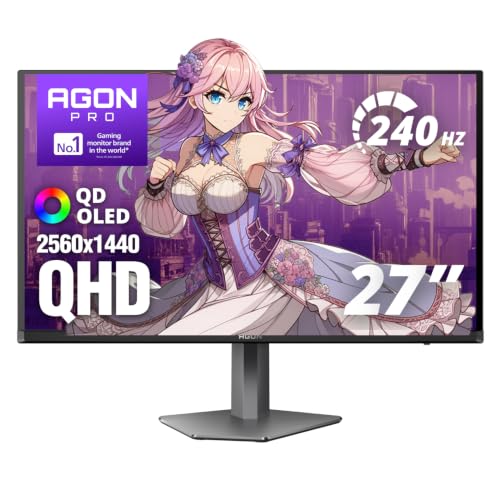
AOC Agon Pro 27 Inch Gaming Monitor QD OLED 240Hz AG276QZD2

LG 27GS93QE 27-inch Ultragear OLED Gaming Monitor QHD 1440p 240Hz

Alienware 34 240Hz QD-OLED Curved Gaming Monitor AW3425DW
More Details On Our Top Picks
Glossy OLED in a 27-inch 1440p frame gives you a sharp, lively desktop view without pushing the pixel load into 4K territory. The custom heatsink and uniform brightness features also point to a monitor built for long sessions, not just a quick highlight reel.
That makes it a smart fit for competitive PC play, especially on a desk where motion clarity matters more than sheer screen size. Console gamers get a useful side benefit too, since the listing calls out PS5 and Xbox support.
Strong Points
- 240 Hz refresh rate suits fast shooters and racing games where motion needs to stay clean.
- 0.03 ms response time helps keep transitions tight, which matters in twitchy play.
- Glossy OLED typically gives the image a crisp, high-contrast look that flatters dark scenes.
- Uniform brightness is handy for office work and web use, where large bright windows can otherwise look uneven.
Things To Consider
- Glossy finishes can pick up room reflections, so bright desks and lamps need some care.
- 27 inches keeps the footprint manageable, but it still asks for a comfortable viewing distance.
- The feature set leans hard toward gaming, so you’re paying for speed rather than expansive workspace.
Feature Snapshot
Who It Suits Best
Fast-paced PC gamers who want a 27-inch monitor with strong contrast and a relatively simple desk setup will get the most from it.
Where A Sibling Pick Shines
ASUS ROG PG32UCDM fits better for you if you want a larger 32-inch 4K panel and USB-C in the same gaming-first package.
4K at 32 inches changes the feel of the desktop right away, because you get more room for game detail and a more comfortable spread for windows. The QD-OLED panel, graphene film, and custom heatsink point to a display that aims for both image quality and thermal control.
You’ll notice the appeal most in a setup that switches between gaming, media, and a daily computer workload. USB-C with 90W power delivery is the practical extra here, since a laptop can connect and charge through one cable.
What We Like
- 4K resolution on 32 inches gives you a dense, crisp image for both games and desktop work.
- USB-C with 90W output makes it easier to dock a capable laptop without extra clutter.
- True 10-bit color is valuable for smoother gradients in content and games that support it.
- QD-OLED should suit anyone who wants deep contrast with a larger, more cinematic canvas.
- G-SYNC compatibility helps the monitor fit modern gaming PCs with fewer sync headaches.
Worth Noting
- 4K pushes more pixels than the 1440p picks above, so you need stronger graphics hardware to keep pace.
- The 32-inch size asks for a deeper desk, especially if you sit close to the panel.
- USB-C is useful, but only becomes a real advantage in a laptop-heavy setup.
Core Details
Who Will Love This
Hybrid users who want a premium gaming monitor that can also serve as a high-end daily screen will appreciate the balance here.
Swap It Out When
ASUS ROG XG27AQDMG makes more sense for you if a 27-inch 1440p setup feels easier to drive or fit on the desk.
This LG leans into the familiar 27-inch, 1440p format, which keeps the load on your graphics card reasonable while still looking sharp. The mix of G-Sync compatibility and AMD FreeSync Premium Pro makes it especially easy to place in a mixed-brand PC setup.
The honest read is that this one feels straightforward rather than flashy, and that’s not a bad thing. HDMI 2.1 and DisplayPort give you the common modern connections, so it fits a desk that also handles a console or a second PC input.
Highlights
- 240 Hz refresh and 0.03 ms response time suit fast, motion-heavy games.
- Both major sync standards are covered, which reduces friction across different GPU brands.
- HDMI 2.1 broadens use with current consoles and newer graphics cards.
- The 27-inch size is easy to place on a desk without crowding accessories.
Room For Improvement
- The design focus is practical rather than premium-looking, so the outside is fairly restrained.
- Like most OLED panels, the best fit depends on how you manage static desktop content and brightness habits.
- Color and motion get the spotlight here, while convenience extras stay relatively modest.
Details At A Glance
Built With In Mind
PC gamers who want broad sync support and a no-nonsense 27-inch layout should feel at home here.
A Better Fit Elsewhere
Alienware 34 240Hz QD-OLED Curved Gaming Monitor AW3425DW suits you better if widescreen immersion matters more than a compact desktop footprint.
Samsung takes a slightly different path here, because the G5 series drops to 180 Hz instead of matching the 240 Hz crowd. That trade-off can still make sense for gaming if you want QD-OLED contrast and a 27-inch QHD format without chasing the most aggressive refresh number.
The support extras are more specific than on the ASUS and LG entries, with a dedicated setup line, surge coverage from day one, and repair work handled with Samsung parts and technicians. For a household that values service structure as much as the panel itself, that detail carries weight.
Best Bits
- QD-OLED panel tech aims for rich contrast in dark scenes and cinematic games.
- 27-inch QHD sizing stays sensible for desks that don’t have much depth.
- Setup help and troubleshooting support are clearly part of the package.
- Surge coverage from the start is useful in homes with less predictable power.
Softer Spots
- 180 Hz sits below the 240 Hz models in this roundup, so motion headroom is lower.
- The support perks are appealing, but they matter most to shoppers who value after-purchase service structure.
- Anyone chasing the fastest competitive spec will want to compare this against the ASUS and LG 240 Hz options.
Feature Card
Whose Shelf It Belongs On
Samsung-focused setups and service-minded households are the best match for this monitor.
Look Elsewhere When
LG 27GX704A-B makes more sense for you if you want to stay closer to the 240 Hz target without moving to a larger panel.
AOC builds this one around the familiar 27-inch QHD formula, but the adjustable height stand and built-in speakers make it easier to live with day to day. You may find that useful in a compact office or gaming corner where every extra accessory adds clutter.
Compared with the simpler LG and ASUS 27-inch entries, this AOC leans harder into desk convenience. The VESA mount support gives you another path too, so it works well for wall arms and monitor arms as long as your setup already supports them.
Upsides
- Height adjustment helps you line up the screen more comfortably without adding a third-party arm.
- Built-in speakers reduce the need for separate desktop audio in a secondary setup.
- VESA mount support makes it easier to pair with a monitor arm or wall bracket.
- HDR TrueBlack 400 is a useful signal for contrast-focused gaming and video use.
Areas To Watch
- Built-in speakers are convenient, though most desk setups will still sound better with dedicated audio.
- The feature spread is practical, but it doesn’t add as much premium hardware flair as the ASUS PG32UCDM.
- Height adjustment helps, yet cable routing and stand footprint still matter on tighter desks.
Technical Sheet
Perfect Match For
Desk-conscious gamers who want strong gaming specs and a more convenient stand should place this high on the list.
Another Choice May Suit
ASUS ROG XG27AQDMG is a cleaner fit for you if glossy image character and ASUS’s cooling-focused approach matter more than built-in speakers.
This LG version feels like the tidy, desk-friendly cousin to the more feature-forward AOC. The tilt, height, and pivot stand gives you more freedom to place the panel around other gear, which matters in a cramped room or a dual-purpose office.
Support for both AMD FreeSync Premium Pro and NVIDIA G-Sync keeps it easy to match with either major GPU camp. HDMI 2.1 and DisplayPort also make the inputs broad enough for a PC and a current console without constant cable swapping.
Bright Spots
- Tilt, height, and pivot adjustment makes the monitor easier to fit around your desk layout.
- 240 Hz and 0.03 ms line up well with fast-paced gaming.
- DisplayHDR True Black 400 is a useful marker for deeper contrast handling in supported content.
- Both major sync platforms are covered, which keeps setup simple across different systems.
Minor Gripes
- The design story is practical, so it won’t feel as visually dramatic as the Alienware curved screen.
- Like any OLED desktop display, careful management of static interface elements is part of normal ownership.
- The stand is flexible, but it still needs room for full adjustment on the desk.
Feature Rundown
The Right Fit
PC and console users who want flexible stand movement without giving up the 240 Hz OLED formula should like this LG a lot.
Reach For A Different Pick When
Samsung 27” Odyssey OLED G5 suits you better if you want Samsung’s service-oriented extras and can live with the lower refresh rate.
Alienware changes the shape of the conversation with a 34.2-inch ultrawide and an 1800R curve, so the whole panel wraps your field of view more than the flat 27-inch models above. In story-driven games and wide desktop layouts, that extra width feels substantial without tipping into the towering footprint of a large 4K display.
The curve is the key difference here, and it’s the reason this model sits apart from the rest of the list. You may find it less convenient for very tight desks, but for a deep gaming setup it can feel beautifully immersive, almost like the screen is leaning in with you.
Reasons To Buy
- 34.2-inch ultrawide format gives you more lateral space for games and multitasking.
- 1800R curve helps the panel sit naturally in front of you at a desk.
- 240 Hz and 0.03 ms support fast movement with a smooth, responsive feel.
- DisplayHDR True Black 400 suits dark scenes and high-contrast visual styles.
Small Caveats
- The ultrawide shape needs more desk width than the 27-inch options.
- Some competitive players will still prefer a smaller 16:9 layout for familiar sightlines.
- Curve preference is personal, so not every setup will feel equally comfortable.
Core Details
Best Suited To
Immersion-first gamers and multitaskers who have room for a wider desktop should give this Alienware serious attention.
Where Shoppers Go Wrong
ASUS ROG PG32UCDM is the safer fit for you if you want a conventional 16:9 shape and 4K detail instead of ultrawide width.
How To Choose The Right 240 Hz Oled Monitors
Panel Size And Desk Space
Start with the physical fit. A 27-inch 240 Hz OLED monitor suits most desks and keeps the whole screen easy to scan, while a 32-inch or 34-inch model asks for more depth and a cleaner layout.
That matters more than many shoppers expect, because a panel that sits too close can feel busy in daily use. For compact desks, the LG 27GX704A-B and ASUS ROG XG27AQDMG are easier to place than the Alienware ultrawide.
Resolution Versus Graphics Headroom
1440p is the practical sweet spot for many gaming PCs, since it keeps frame targets more reachable than 4K. The ASUS PG32UCDM shows the trade-off clearly, because its 4K detail is excellent but demands more from the system pushing it.
You’re really choosing between sharper desktop text, broader workspace, and easier motion delivery. For most people, 1440p at 240 Hz is the safer balance unless your graphics hardware is already strong enough for 4K.
OLED Panel Traits That Matter
OLED means each pixel lights itself, which is why these displays deliver deep blacks and strong contrast. That pays off in dark games and movies, but it also means you need to think about static desktop elements and normal care habits.
Glossy panels, like the ASUS XG27AQDMG, can look especially vivid, though they also reflect room light more readily. QD-OLED models often add a more colorful presentation, which helps if your use swings from competitive titles to media and creative work.
Ports, Stands, and Everyday Use
Connections shape the real ownership experience. HDMI 2.1 matters for current consoles and newer GPUs, while DisplayPort remains a solid PC staple, and USB-C with 90W can make a laptop desk feel much tidier.
Stand movement matters too, especially for shared desks or mixed gaming and office setups. Height, tilt, and pivot controls can save you from buying an arm right away, while VESA support gives you that option later.
Things Worth Knowing Before You Choose
Wrong Turns To Avoid
Don’t start with refresh rate alone. A 240 Hz panel is only useful when your system, desk size, and game mix all support it comfortably.
Another common miss is overlooking panel size. A 34-inch curved screen can feel excellent for immersion, but it can also crowd a shallow desk faster than a 27-inch model.
The Upgrade Payoff
Higher-tier models usually spend more on panel technology, cooling design, and extra inputs. That’s why the ASUS PG32UCDM brings USB-C, 4K, and a larger panel, while the Alienware adds an ultrawide curve for a different kind of immersion.
The upgrade makes sense when your desk, graphics card, and usage all line up with those extras. For a simple gaming station, a well-equipped 27-inch model often covers the important ground without pulling your setup in too many directions.
Frequently Asked Questions
What Does 240 Hz Actually Change?
It means the display refreshes the image 240 times per second. That helps motion look smoother in fast games and keeps rapid camera movement easier to follow.
Is OLED Good For Everyday Desktop Use?
Yes, OLED can work well for everyday use because contrast and color are strong. The main habit to manage is static content that stays on screen for long stretches.
Do You Need 4K For A 240 Hz Monitor?
No, 4K is not required. Many gaming setups pair 240 Hz with 1440p because it is easier to drive at high frame rates.
Is A Curved Screen Better Than A Flat One?
Curved screens help widen the sense of immersion, especially on ultrawide panels. Flat screens usually feel simpler on smaller desks and are easier to place in a straight-on setup.
Which Size Fits A Small Desk Best?
A 27-inch monitor is usually the easiest starting point. It keeps the screen manageable without demanding much extra depth.
Closing Thoughts
You can treat this list as a set of different answers to the same question. The ASUS XG27AQDMG suits a focused gaming desk, the ASUS PG32UCDM pushes into premium 4K territory, and the Alienware AW3425DW is the boldest shape in the group. For most setups, the right choice comes down to desk space, graphics power, and whether you want a classic 16:9 screen or something wider and more immersive. Pick the one that matches your room first, then let the panel do the rest.
