
Seven-inch screens sit in a sweet spot for desks, benchtops, and travel cases. You get enough screen space for menus, status panels, or a small secondary display, without giving up too much room. That makes them useful for Raspberry Pi projects, compact control stations, and anyone who wants a tidy screen that doesn’t take over the workspace.
The picks below focus on connection type, touch support, and how flexible each monitor is in daily use. Some suit Pi builders who want a direct match, while others make more sense as small HDMI displays for mixed gear. The right choice usually comes down to how much wiring you want to manage and whether touch input matters.
The Shortlist At A Glance

Hosyond 7 Inch IPS LCD Touch Screen Display Panel 1024×600
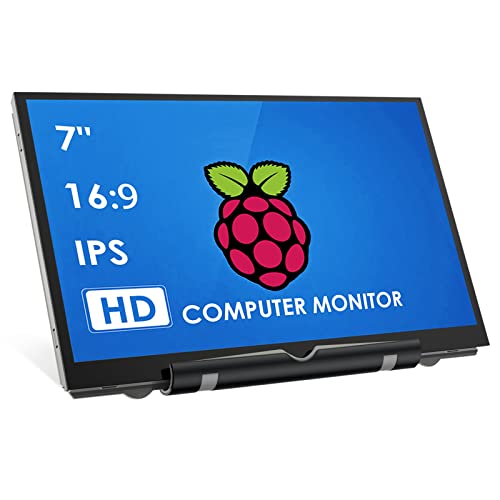
7 Inch Raspberry Pi Screen 800×480 HDMI Portable Monitor IPS LCD Screen
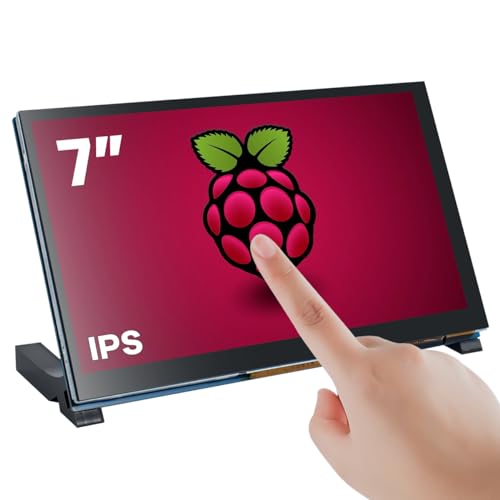
Hosyond 7 Inch Touchscreen IPS DSI Display Compatible with Raspberry Pi 5/4/3

7 Inch Mini Monitor HDMI, Portable VGA Monitor with AV BNC 1024×600 LCD

ROADOM 7 Touchscreen Monitor, 1024×600 IPS Raspberry Pi Screen

Eyoyo Mini Monitor 7 Inch Small HDMI Monitor 1024×600 IPS Screen

GeeekPi 7-Inch Screen for Raspberry Pi, 1024×600 IPS LCD Display
More Details On Our Top Picks
This Hosyond panel fits the kind of setup where touch makes daily use feel cleaner, especially on a Pi desk build or a compact control screen. The 1024 by 600 hardware resolution gives you more room than basic 800 by 480 panels, while the IPS panel helps keep colors and viewing angles steady.
The trade-off is that a touch-heavy display usually asks for a little more care with setup and cable routing. You get the most out of it in a fixed spot, such as a workbench, kitchen dashboard, or small media station where you want direct taps instead of extra peripherals.
Strong Points
- Capacitive touch supports up to five contact points, which makes menus and controls feel more natural than a plain non-touch screen.
- The 1024 by 600 panel gives you clearer room for widgets, terminal windows, or dashboard tiles than lower-resolution 7 inch panels.
- IPS viewing helps the screen stay readable from an angle, which matters on a cramped desk or a shared work surface.
- Backlight control can be turned off separately, a useful detail for lower-power builds or overnight setups.
Points To Note
- Touch-focused gear tends to be best in a stable location, since frequent movement can make cable strain more annoying.
- You may need a little patience during first-time configuration with Pi projects, depending on the rest of your stack.
Feature Rundown
Who It Suits Best
Pi hobbyists, kiosk builders, and desk users who want touch input in a compact footprint should feel right at home here.
Where A Sibling Pick Shines
HMTECH 7 Inch Raspberry Pi Screen 800×480 HDMI Portable Monitor is a better fit for someone who wants a simpler, non-touch portable display with fewer interaction demands.
This HMTECH screen keeps things simple, which is exactly the point for many portable Pi builds. The 800 by 480 resolution is modest, but for menus, basic dashboards, and light media use, it does the job without adding touch layers or extra complexity.
The tempered glass and full-bond construction suggest a sturdier front surface than a barebones panel, though that also means it makes the most sense in a setup where you value protection over extra features. Compared with Hosyond’s touch panel, this one is easier to treat as a straightforward monitor rather than an interactive control surface.
Upsides
- Non-touch design keeps setup simpler for basic monitor use.
- IPS panel helpfully improves viewing comfort over older-style panels.
- Portable size works well beside a laptop or a Pi case.
- Tempered glass adds a more finished feel for everyday handling.
Room For Improvement
- 800 by 480 resolution feels tight for busy dashboards or text-heavy interfaces.
- Without touch, you’ll want a keyboard, mouse, or external controls for interaction.
- It’s best for lightweight display duties rather than a crowded multi-window workspace.
Feature Snapshot
Who Will Love This
Minimal Pi setups, simple portable displays, and secondary screens for light use are the natural fit here.
Another Choice May Suit
ROADOM 7 Touchscreen Monitor, 1024×600 IPS Raspberry Pi Screen suits someone who wants touch input and a more workspace-friendly resolution.
This Hosyond model is the cleanest match for a Raspberry Pi build that wants a direct DSI connection. DSI, or Display Serial Interface, keeps the wiring focused, which helps a neat case build feel less cluttered than HDMI-driven options like the first two picks.
The 800 by 480 touch panel is a practical fit for Pi 5, Pi 4, and older supported boards, especially in projects where the display stays close to the machine. The catch is simple: it’s tied to Raspberry Pi use, so it won’t give you the broad plug-and-play reach of the HDMI monitors in this roundup.
What We Like
- Direct DSI connection keeps the setup more compact.
- Capacitive touch is useful for kiosks, menus, and home dashboards.
- Works with several Raspberry Pi generations, which helps reuse older projects.
- IPS panel suits side-angle viewing on a desk or shelf.
Minor Gripes
- It is purpose-built for Raspberry Pi use, so it’s not the broadest choice here.
- 800 by 480 resolution can feel modest beside the 1024 by 600 panels in this list.
- Setup is most sensible for fixed projects rather than frequent swapping between devices.
Details At A Glance
Built With In Mind
Raspberry Pi project builders who want a direct, tidy, touch-enabled screen should find this one especially useful.
A Better Fit Elsewhere
GeeekPi 7-Inch Screen for Raspberry Pi, 1024×600 IPS LCD Display suits anyone who wants a broader HDMI monitor approach and a higher workspace feel.
Multi-input screens earn their place fast in mixed setups, and this Aurevita model is built for that kind of flexibility. HDMI, VGA, AV, and BNC support makes it a practical desk tool for older gear, video sources, or a Pi that shares space with other equipment.
The 1024 by 600 panel and built-in speakers make it more versatile than the simpler non-touch HMTECH pick, though the trade-off is that you’re paying for broader compatibility instead of a slim one-purpose layout. For a workshop, NVR corner, or small TV-adjacent setup, that compromise makes sense.
Highlights
- Four input types cover a wide mix of devices.
- 1024 by 600 resolution gives noticeably more room than low-end 7 inch panels.
- Built-in speakers help keep a compact setup from turning into a cable nest.
- IPS viewing and 178-degree angles suit shared viewing spaces.
Softer Spots
- The wider feature set makes it less streamlined than a single-input monitor.
- BNC support is specific, so older analog gear still needs the right source type.
- Built-in speakers are handy, but many desktop users still prefer separate audio gear.
Core Details
Right Fit
Shoppers with mixed devices, old video sources, or a small bench monitor need are the strongest match here.
Skip It When
HMTECH 7 Inch Raspberry Pi Screen 800×480 HDMI Portable Monitor is the better call for someone who wants a lighter, simpler display with fewer input choices.
ROADOM leans into the parts that make a small monitor feel more complete in daily use. You get a 1024 by 600 IPS panel, 5-point touch, dual speakers, and a case, so the package feels more rounded than the more stripped-back options above it.
That extra completeness matters on a desk or a Home Assistant wall station, where you want the screen to look tidy and work without a lot of add-ons. The honest read is that it suits people who want a ready-to-use setup, while bargain hunters may be just as happy with the simpler HMTECH panel.
Reasons To Buy
- 5-point touch gives you flexible input for menus and control panels.
- 1024 by 600 resolution is easier to live with than the most basic 7 inch displays.
- Dual speakers help keep a compact desk setup self-contained.
- The included case adds a more finished look for a home office or project shelf.
- Plug-and-play style use suits people who want less fuss around setup.
Areas To Watch
- Packaged extras add value, but they also make this a less bare-bones choice.
- Touch and speaker features are nice, though some users still prefer separate audio gear.
Feature Card
Whose Shelf It Belongs On
Pi users, smart-home builders, and anyone who wants a tidy all-in-one desktop mini screen should feel confident looking here.
Look Elsewhere When
Eyoyo Mini Monitor 7 Inch Small HDMI Monitor 1024×600 IPS Screen Display fits better for mixed-device work where HDMI, VGA, AV, BNC, or USB inputs matter more than touch.
Eyoyo is the kind of mini monitor that makes sense in utility-heavy spaces, not just on a hobby desk. HDMI, AV, VGA, BNC, and USB inputs give it broad reach for CCTV, NVR, switcher, and computer use, so it behaves more like a tool than a simple screen.
The image flip feature is a nice bonus for teleprompter or mirrored setups, and that’s where this model separates itself from the ROADOM and Aurevita picks. The trade-off is obvious enough, though, since a screen this flexible is less about polish and more about coverage.
Best Bits
- Five input options make it useful in a wide range of setups.
- Image flip support helps with mirrored or teleprompter-style use.
- 1024 by 600 resolution offers enough clarity for utility viewing.
- IPS screen and wide angles help in control-room or bench settings.
Small Caveats
- Broad compatibility comes with a more utility-first feel.
- Some users will only need a subset of the available inputs, which can make the extras feel a little excessive.
- It works best where the monitor stays put, since multi-input rigs are rarely quick to shift around.
Technical Sheet
Best Suited To
Security setups, video switcher work, and bench-side monitoring are the strongest matches for this screen.
Swap It Out When
Aurevita 7 Inch Mini Monitor HDMI, Portable VGA Monitor with AV BNC 1024×600 LCD suits you better if you want a similar utility-first screen with built-in speakers.
GeeekPi keeps its pitch focused on a familiar formula, and that can be a strength for straightforward Pi setups. The 1024 by 600 IPS panel gives you the kind of middle-ground workspace that feels more comfortable than entry-level 800 by 480 screens, without pushing into bulky territory.
The free-driver angle is the part that matters most for many hobbyists, since less software fuss usually means a faster path to a working desk display. It’s not the most feature-loaded option here, but for general Raspberry Pi use, that restraint can be exactly right.
Positives
- 1024 by 600 resolution gives a more usable desktop than basic mini screens.
- IPS technology helps the display stay readable from a slight angle.
- Driver-light use is appealing for hobbyists who want fewer setup steps.
- HDMI portability makes it suitable for swapping between Pi and other gear.
Trade Offs
- It’s less feature-rich than the touch models in this roundup.
- Without extras like speakers or multi-input support, it stays focused on display duty.
- That simplicity suits many desks, though it won’t satisfy every mixed-device setup.
At A Glance
Who Should Grab It
Pi users who want a general-purpose 7 inch monitor without a lot of extra features should find this one easy to live with.
Reach For A Different Pick When
Hosyond 7 Inch IPS LCD Touch Screen Display Panel 1024×600 suits you better if touch input and five-point control matter more than a simple HDMI display.
How To Choose The Right 7 Inch Monitors
Connection Type Shapes The Whole Setup
HDMI monitors are the most flexible choice for mixed gear, travel cases, and desk setups that need quick connection changes. DSI screens suit Raspberry Pi projects that benefit from a direct board connection and a cleaner cable path.
That split matters more than the brand name on the bezel. A display that matches your devices saves time, reduces clutter, and lowers the chance that you end up working around adapters.
Resolution Changes How Useful The Screen Feels
800 by 480 works for simple dashboards, small status panels, and light control duties. A 1024 by 600 screen gives you more room for menus, text, and split windows, which helps a lot on a 7 inch panel.
For coding, home dashboards, or camera monitoring, the extra pixels usually feel worth it. For a basic video feed or single-app display, lower resolution can still be perfectly sensible.
Touch, Speakers, And Inputs Add Convenience
Touch turns a small display into a direct control surface, which is useful for kiosks, smart-home panels, and bench setups. Speakers matter more in compact media or video use than in silent utility rigs, and multiple inputs matter most when the monitor will share time with older equipment.
The trade-off is that each extra feature usually adds cost, setup steps, or both. You do not need the fullest feature set to get a useful 7 inch monitor, only the one that fits your daily pattern.
What To Weigh Before You Click
Mistakes Worth Dodging
Many shoppers focus only on screen size and miss the connection standard, which is where mismatches usually start. A Pi screen that looks right on paper can still be the wrong choice once you factor in HDMI, DSI, or the need for touch.
Another common miss is buying a low-resolution panel for a text-heavy task. That can feel cramped fast, even on a screen that seems adequate in photos.
What The Higher Tier Buys
More expensive 7 inch monitors usually give you better panels, touch support, stronger input variety, or extras such as speakers and cases. Those additions matter most in shared workspaces, control stations, and mixed-device rigs where convenience saves time.
Paying up makes sense when the screen will be used every day, not tucked away for the occasional project. For a simple one-off display, a pared-down model often feels smarter.
Frequently Asked Questions
Are 7 inch monitors good for Raspberry Pi projects?
Yes, they fit Pi dashboards, kiosks, and compact desktop builds very well. Touch or DSI support can make the setup even cleaner.
Is 1024 by 600 better than 800 by 480?
For menus, text, and multi-panel layouts, 1024 by 600 usually feels easier to use. For simple status screens, 800 by 480 can still be enough.
Do you need touch on a 7 inch monitor?
No, touch helps most when the screen acts as a control panel or kiosk. For a basic second display, a non-touch model can be the simpler choice.
What connection type is easiest to live with?
HDMI is the most forgiving for general use because it works with many devices. DSI is better for tidy Raspberry Pi builds that stay in one place.
Which 7 inch monitor suits mixed devices best?
A model with HDMI plus extra inputs is the safest match for mixed gear. Eyoyo Mini Monitor 7 Inch Small HDMI Monitor 1024×600 IPS Screen is the clearest example in this list.
