
Choosing a 32-inch monitor for work is mostly about giving your eyes room to breathe without wasting desk space. For spreadsheets, side-by-side windows, photo edits, and long document days, these larger screens can feel like a wide workbench instead of a cramped shelf. The picks below focus on panel type, resolution, refresh rate, ports, and comfort features that matter in real offices and home setups.
Quick Look At The Shortlist

Samsung 32″ Flat Computer Monitor LS32B304NWNXGO

Dell 32 Monitor S3225QS

LG 32UR500K-B Ultrafine 32-inch 4K UHD Computer Monitor

ViewSonic VS3225-2K 32 Inch QHD 1440p IPS Computer Monitor
Samsung 32″ S3 (S39GD) Series FHD 100Hz Curved Monitor
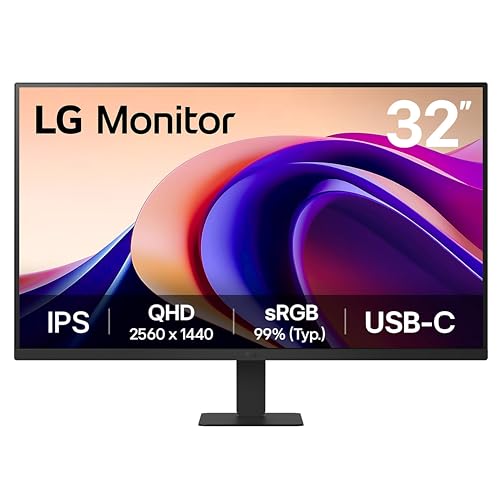
LG 32U631A-B 32-inch QHD IPS Computer Monitor
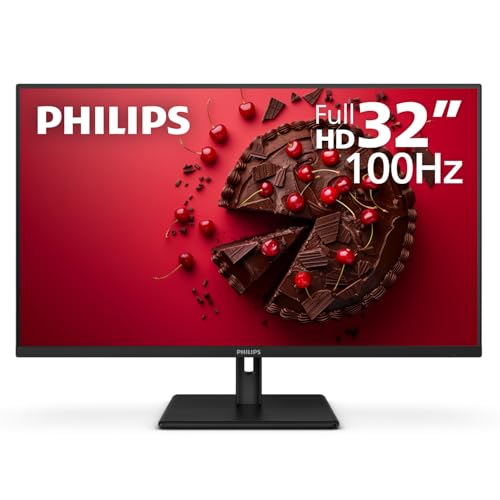
Philips 32 Inch Computer Monitor FHD 100Hz VA 32E1N1100L
More Details On Our Top Picks
Samsung keeps this one straightforward: a flat 32-inch panel with a borderless look, 75Hz refresh, HDMI, DisplayPort, AMD FreeSync, and Game Mode. For day-to-day office work, that mix gives you enough screen room for two windows side by side without adding visual clutter.
The honest read is that it suits practical desks better than color-critical studios. Advanced Eye Care makes long spreadsheet sessions feel less harsh, and the simpler feature set also means fewer settings to babysit.
Strong Points
- Borderless styling keeps the screen looking clean on a small desk.
- 75Hz refresh adds a little extra smoothness in document scrolling and cursor movement.
- HDMI and DisplayPort make desktop and laptop hookups easy.
- Game Mode and FreeSync help it double as a casual after-hours screen.
Things To Consider
- The flat FHD layout favors general work more than fine-detail image editing.
- Built-in speakers are not part of the source details, so external audio may still be needed.
- The cleaner design is nice, though it leaves fewer advanced adjustments than a pro-grade panel.
Feature Snapshot
Who It Suits Best
Office multitaskers and home workers with a simple desktop setup will get the most from it.
Where A Sibling Pick Shines
Dell S3225QS makes more sense for spreadsheet heavy work and sharper 4K detail.
Sharp 4K on a 31.5-inch panel gives this Dell a lot of room for dense work. The VA panel, 3000:1 contrast ratio, and 99% sRGB coverage point toward stronger image depth and more controlled color than the simpler FHD picks above.
That higher density matters most for finance dashboards, long documents, and creative work that needs crisp text. The trade-off is that its strengths are easiest to appreciate once your desk, cable setup, and software scaling are already in order.
Upsides
- 4K resolution keeps text and interface elements very crisp.
- 120Hz refresh rate gives smoother motion than most work-focused monitors here.
- 99% sRGB coverage makes it a stronger fit for color-sensitive tasks.
- Anti-glare screening helps in bright rooms and open offices.
- HDMI and DisplayPort cover common laptop and desktop connections.
Room For Improvement
- 4K looks best once your operating system scaling is set up properly.
- The higher feature set may be more than casual email and web work needs.
- VA panels can feel different from IPS if you prefer the wider-angle look of LG and ViewSonic options.
Core Details
Made For
Analytical work, wide spreadsheets, and detail-heavy office tasks suit it best.
A Better Fit Elsewhere
LG 32U631A-B makes more sense for you if USB-C with 15W power delivery matters more than raw panel speed.
LG leans hard into convenience here: 4K resolution, HDR10, dual built-in speakers, OnScreen Control, Reader Mode, Flicker Safe, and a borderless frame. That combination makes the monitor feel useful for work during the day and less fussy at night, especially on a desk that also handles video calls or casual viewing.
Compared with the Dell, it gives you fewer pro-level image cues and a friendlier ownership feel. Built-in speakers are handy for a quick setup, though external audio still sounds better in most rooms.
Highlights
- 4K resolution creates room for layered windows and detailed text.
- HDR10 adds support for richer-looking compatible content.
- Two built-in speakers reduce desk clutter for basic audio needs.
- Reader Mode and Flicker Safe suit long text-heavy sessions.
- Borderless styling keeps multi-monitor setups looking tidy.
Small Caveats
- Built-in speakers are convenient, but they usually remain a convenience feature rather than a full audio solution.
- The monitor is more about comfort and versatility than top-end motion speed.
- OnScreen Control adds flexibility, though it also means a few more settings to explore.
Technical Sheet
Best Suited To
Home office setups that mix office work, media, and light editing fit it well.
Swap It Out When
ViewSonic VS3225-2K is the cleaner choice for a simpler IPS work screen with less 4K overhead.
ViewSonic lands in a sensible middle ground, with QHD resolution, an IPS panel, 75Hz refresh, and anti-glare treatment. That makes it feel easier to live with than a basic FHD monitor, while avoiding the scaling overhead that sometimes comes with 4K on a 32-inch desk setup.
IPS means in-plane switching, a panel style known for steadier viewing angles than many VA designs. For home offices, shared desks, and laptop docks, that usually means less fuss and a more forgiving setup.
Reasons To Buy
- QHD resolution offers a practical jump in sharpness over 1080p.
- IPS panel behavior suits workstations where you shift viewing position often.
- Variable Refresh Rate helps motion feel steadier in mixed-use situations.
- HDMI, DisplayPort, and speaker support make it easy to slot into many desks.
- Frameless styling helps dual-screen setups look less busy.
Points To Note
- 75Hz is solid for work, though it stays below the faster 100Hz and 120Hz options here.
- QHD sits between simplicity and sharpness, so absolute pixel density hunters may still prefer Dell.
- Speaker quality can be useful for calls, but external audio remains the cleaner route for everyday listening.
Details At A Glance
Right Fit For
You get the most from it in a home office where clarity, comfort, and easy setup matter more than flashy extras.
Look Elsewhere When
Dell S3225QS is the stronger move for demanding text work and sharper 4K detail.
This Samsung takes a different route from the others, blending monitor use with smart TV apps, Gaming Hub, USB-C, HDMI, USB-A, and a curved FHD panel. For a desk that also handles streaming, light gaming, or occasional app hopping, that broader feature set can be handy.
The curve changes the feel more than the spec sheet suggests. It can make the screen feel a little more wrapped around your field of view, though it remains a better fit for mixed use than for strict productivity purists.
Bright Spots
- 100Hz refresh keeps movement smooth for work and casual entertainment.
- USB-C support helps reduce cable clutter on laptop-based desks.
- Smart TV apps and Gaming Hub expand what the screen can do.
- The curved format can feel comfortable during long seated sessions.
Softer Spots
- FHD on a 32-inch curved screen gives you less workspace than QHD or 4K choices.
- The smart features are useful, though they add complexity you may not need in a strict office setup.
- White finish is distinctive and can show dust more readily than darker frames.
Feature Rundown
The Right Fit
Hybrid desks that need both workspace and entertainment features suit it best.
Another Choice May Suit
Samsung 32″ Flat Computer Monitor LS32B304NWNXGO makes more sense for someone who wants a simpler office-first panel.
LG gives you a classic work-first mix: QHD resolution, IPS, 100Hz refresh, HDR10, Reader Mode, Flicker Safe, HDMI, and USB Type-C with 15W power delivery. That USB-C port is the part that matters most for a laptop desk, because a single cable can carry both display signal and light charging support.
Compared with ViewSonic, this one bumps refresh up to 100Hz and adds that USB-C convenience. It feels especially sensible for people who want a cleaner desk without stepping all the way up to 4K.
What We Like
- QHD resolution strikes a practical balance for work and multitasking.
- IPS panel behavior supports shared desks and changing viewing angles.
- 100Hz refresh makes scrolling and pointer movement feel smoother.
- USB Type-C with 15W power delivery helps reduce cable sprawl.
- Reader Mode and Flicker Safe are strong comfort touches for long sessions.
Areas To Watch
- 15W power delivery is useful for light support, not full laptop charging for every machine.
- The feature set is sensible, though it stays less flashy than the Samsung smart model.
- QHD remains a middle step, so the Dell still leads for absolute detail density.
Core Details
Built With In Mind
People who work from a laptop and want a tidy, comfortable desk will appreciate it most.
Reach For A Different Pick When
Dell S3225QS is the stronger option for pure image sharpness, while Philips 32E1N1100L suits a tighter budget setup.
Philips keeps the formula simple, and that can be a virtue for a basic office desk. You get a 32-inch VA panel, FHD resolution, 100Hz refresh, 1ms MPRT, HDMI 1.4, VGA, VESA mounting support, Adaptive Sync, and Flicker-Free support.
The VESA mount option matters more than it first sounds, since it gives you a cleaner way to free up desk space. It won’t match the sharper LG or Dell panels for dense work, but it covers the essentials with less fuss.
Best Bits
- 100Hz refresh gives a smoother feel than a standard 60Hz office monitor.
- VESA support helps with arm mounts and wall setups.
- HDMI 1.4 and VGA cover older and newer machines.
- Adaptive Sync helps motion stay steadier during casual use.
- Flicker-Free support is a sensible comfort feature for daily use.
Worth Noting
- FHD at 32 inches is the least detailed option in this group.
- HDMI 1.4 is functional, though it is not as flexible as newer video standards.
- The panel is best treated as a straightforward office screen rather than a detail-heavy workhorse.
Feature Rundown
Whose Shelf It Belongs On
It suits budget-conscious desk setups that need a large screen and the basics done well.
Where A Sibling Pick Shines
ViewSonic VS3225-2K is the smarter step up for anyone who wants more resolution without moving to a premium tier.
How To Choose The Right 32 Inches Monitors For Work
Resolution Should Match Your Desk Distance
At 32 inches, resolution changes the whole feel of the screen. FHD works for simple admin work, but QHD gives you noticeably more room for side-by-side windows, and 4K sharpens text and small interface elements even further.
Desk distance matters too. A monitor sits naturally on a deeper desk with 4K, while a compact setup can feel easier with QHD because scaling stays simpler and icons remain comfortable to read.
Panel Type Changes Comfort More Than Many People Expect
IPS panels usually make sense for shared desks and mixed work because viewing angles stay steadier. VA panels often bring stronger contrast, so dark text and media can feel a bit fuller, though the experience is different from IPS.
For long office days, the safer move is usually the panel style that keeps your text readable from your normal sitting position. That matters more than flashy marketing terms.
Ports And Power Can Shape Your Setup
HDMI and DisplayPort cover most desktop and laptop setups, but USB-C changes the routine by reducing cable clutter. A model with USB-C and power delivery can make a laptop desk feel much cleaner, even when the charging wattage is modest.
VESA support also deserves attention. It lets you mount the screen on an arm or wall bracket, which helps in tight home offices where every inch of desk space counts.
Comfort Features Help During Long Work Sessions
Eye care labels, anti-glare coating, Reader Mode, Flicker Safe, and low blue light settings all aim at comfort during long sessions. None of them replaces good lighting or breaks, but they can make a screen easier to live with during full workdays.
Refresh rate matters too. 75Hz and 100Hz are useful for smoother scrolling, while 120Hz stands out more in mixed work and entertainment use.
A Quick Reality Check
Common Shopping Slip Ups
Plenty of people stop at screen size and ignore resolution. On a 32-inch panel, that mistake can leave text softer than expected, especially in dense spreadsheets or editing apps.
Another common miss is port planning. A monitor may look fine on paper, then turn awkward once you discover your laptop needs USB-C, your desktop wants DisplayPort, or your mount requires VESA support.
Where The Extra Money Goes
Higher-tier 32-inch monitors usually spend the money on sharper panels, faster refresh rates, wider color coverage, and more flexible connectivity. That’s why the Dell and LG models feel more refined than the basic FHD options.
The upgrade pays off for work that lives in windows, numbers, text, and image detail. For simpler email and web use, a cleaner midrange screen often makes more sense than paying for specs you barely notice.
Frequently Asked Questions
Is 32 Inches Too Large For Work?
No, a 32-inch monitor often works very well for work because it gives you space for multiple windows. The real question is how far you sit from it and whether your desk has enough depth.
Should You Choose 4K Or QHD?
4K suits you best when sharp text and dense layouts matter most. QHD is usually easier to manage and still gives a clear jump over 1080p.
Does IPS Matter For Office Work?
IPS helps when you change seating position often or share the desk with someone else. It usually keeps the image more consistent from the side than many VA screens.
Is USB-C Worth Paying For?
USB-C is useful when you want a cleaner laptop desk with fewer cables. It matters less on a desktop that already stays wired in one place.
Which Pick Fits A Simple Budget Setup?
Philips 32E1N1100L is the plainest fit for a basic large-screen desk. ViewSonic VS3225-2K makes a stronger step up when you want more resolution without jumping to 4K.
Closing Thoughts
Your best 32-inch work monitor depends on how much sharpness, comfort, and connection flexibility you need. Dell is the strongest all-round match for detail-heavy work, LG 32U631A-B is the tidy laptop desk choice, and Philips keeps things simple for basic office use. Samsung’s flat model stays balanced, while the curved Samsung S3 leans harder into mixed use. Pick the screen that fits your desk first, then let the extras follow.
