
You want a mouse that keeps up without feeling twitchy, whether you’re grinding ranked matches, hopping between apps, or just trying to stop cursor lag from interrupting a workday. The right low-latency mouse feels steady under your hand and quick on screen, with the kind of response that makes small movements feel cleaner. This roundup focuses on shape, sensor quality, weight, connectivity, and the features that matter once you start living with the mouse, not just reading a spec sheet.
Quick Look At The Shortlist

Logitech G PRO X2 SUPERSTRIKE Wireless Gaming Mouse 61g Lightweight

Razer Viper V4 Pro Wireless Esports Gaming Mouse 49g Black

SteelSeries Rival 3 Gen 2 Gaming Mouse Black
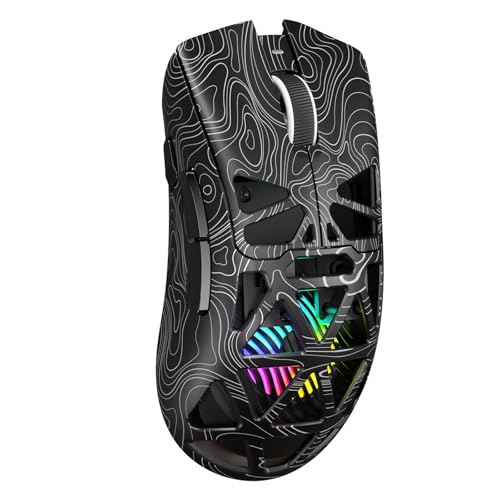
Aula SC620 Wireless Gaming Mouse Tri-Mode Computer Mouse

WL300 Bluetooth Mouse Silent Wireless Mice Grey

Corsair Harpoon Wireless RGB Lightweight FPS MOBA Gaming Mouse Black

Sony INZONE Mouse-A Ultra-Lightweight 48g Wireless Esports Gaming Mouse

BenQ Zowie S2-DW 4K Wireless Mouse for Esports 65g
More Details On Our Top Picks
The magnetic analog switches and adjustable click feel make this Logitech stand out for people who want more control from each press. In fast matches, that kind of tuning can feel cleaner than a generic click, especially on a PC where tiny timing changes matter.
The 61g body keeps it light without sounding stripped down, and the USB-C charging keeps desk life straightforward. The trade-off is simple, this is a premium-feeling shape for competitive use, so casual office work doesn’t get much of the payoff.
Strong Points
- Customizable trigger behavior gives you a more tailored click response.
- Light 61g build helps with quick aim corrections and long sessions.
- USB-C charging keeps cable swapping simple on modern desks.
- PC and Mac support broadens where you can use it.
- Adjustable click haptics add a more deliberate hand feel.
Things To Consider
- The tuning focus suits competitive use more than general browsing.
- Advanced switch behavior may take some setup time to feel right.
- Owners who prefer a heavier shell may want a different shape.
Feature Snapshot
Who Should Grab It
Competitive players who want a lighter shell and a more adjustable click response will get the most from this one.
A Better Fit Elsewhere
The SteelSeries Rival 3 Gen 2 suits you better for a simpler, less specialized setup, especially on a tighter budget.
A 49g shell and a 50K DPI optical sensor make this one feel tuned for speed first, which is exactly why aim-heavy players tend to look at it. The long battery spec also matters in real use, because fewer charging interruptions suit long sessions and tournament prep.
Compared with Logitech’s more adjustable click feel, this Razer is more about raw pace and a stripped-down esports shape. You may find that simplicity refreshing, though the lighter chassis and aggressive tuning leave less room for anyone who wants a softer all-purpose mouse.
Highlights
- 49g weight supports quick directional changes.
- 50K DPI sensor gives you plenty of tracking headroom.
- 8K polling aims for very responsive cursor updates.
- Gen-4 optical switches suit fast, repeatable clicks.
- USB-C charging keeps the daily routine clean.
Minor Gripes
- The shape leans hard toward esports habits, not relaxed use.
- Lightweight mice can feel too airy for some desk work.
- The feature set is focused, so you’re paying for performance rather than extras.
Core Details
Made For
Fast-moving competitive players who value low mass and high tracking headroom will feel right at home here.
Another Choice May Suit
The Corsair Harpoon Wireless RGB is a better fit for mixed gaming and multi-platform use, especially when you want more flexibility than a pure esports shape.
This SteelSeries model feels like the sensible middle ground after the more specialized Logitech and Razer picks. Its 8500 DPI sensor, 77g weight, and 100% PTFE feet give you a clean, uncomplicated gaming mouse that should feel familiar almost immediately.
The low-latency label matters here because you’re getting a straightforward performance mouse without the price-feeling drama of the top-tier models. For everyday gaming, that’s enough, though the shape and feature set are less ambitious than the higher-end entries above it.
Upsides
- 77g weight keeps the mouse manageable without feeling fragile.
- PTFE feet help it glide with less drag on a suitable pad.
- 60 million click rating signals long use potential.
- RGB lighting gives you some desktop personality.
- TrueMove Core sensor supports reliable tracking for general gaming.
Areas To Watch
- The shape is more standard than the ultralight esports mice above it.
- RGB matters less than tracking quality for most competitive setups.
- The feature list is lean, so customization stays modest.
Technical Sheet
Whose Shelf It Belongs On
Anyone who wants a simple gaming mouse that gets the job done without a steep learning curve will appreciate this one.
Where A Sibling Pick Shines
The Logitech G PRO X2 SUPERSTRIKE is the stronger match for players who want a more tunable click and a lighter shell.
Tri-mode connectivity gives this Aula a broad practical range, since you can move between 2.4GHz, USB-C, and Bluetooth 5.3 without changing the mouse entirely. That flexibility is handy on a laptop, desktop, or a shared setup, and the 12,000 DPI spec leaves enough headroom for most casual and mid-level gaming use.
Compared with the SteelSeries and Logitech picks, this one leans more toward convenience and function stacking than pure esports discipline. The honest read is that the macro and rapid-fire features are useful for certain games, but the whole package makes the most sense for someone who likes options.
Positives
- Three connection modes suit different devices and desk setups.
- USB-C keeps wired use and charging straightforward.
- 12,000 DPI gives you plenty of sensitivity range.
- Programmable macros help in games and repetitive desktop tasks.
- RGB lighting adds a bit of visual flair.
Softer Spots
- Extra features can make the setup feel busier than basic mice.
- Macro-heavy models usually take a little time to tune well.
- The tri-mode approach adds versatility, but not everyone needs all three paths.
Feature Rundown
Best Suited To
Multi-device users who want one mouse for gaming, work, and laptop travel will get the most out of this pick.
Look Elsewhere When
The SteelSeries Rival 3 Gen 2 is the cleaner choice for someone who wants a simpler setup with fewer moving parts.
Quiet clicks and a sculpted grip make this WL300 feel built for shared spaces, hotel desks, and long laptop days. The 6-button layout and adjustable DPI give you more control than a bare-bones office mouse, while the battery life spec points to less maintenance between trips or workweeks.
Its tri-mode connection setup is the practical headline, especially because you can move between wired use, 2.4G wireless, and dual Bluetooth without extra drivers. Compared with the gaming-first picks above, this one is more about comfort and calm rather than twitch-speed performance, and that’s the trade-off.
Bright Spots
- Silent clicks suit meetings, libraries, and late-night desk sessions.
- Sculpted grip supports a more relaxed hand position.
- Three connection modes add real day-to-day flexibility.
- Six buttons give you extra control without cluttering the design.
- Long battery spec reduces charging chores during travel.
Room For Improvement
- Quiet office comfort matters more here than raw gaming speed.
- The shape is tuned for comfort, not aggressive flick play.
- Bluetooth mice can feel a touch less immediate than purpose-built esports models.
Details At A Glance
The Right Fit
Remote workers, travelers, and anyone who wants quiet clicks on a laptop or office desk will appreciate this mouse most.
Swap It Out When
The Sony INZONE Mouse-A suits you better for competitive play, since its 48g weight and esports tuning are more focused on speed.
This Corsair lands in the middle of the pack in a useful way, because it spreads itself across gaming genres without feeling oversized. The 10,000 DPI sensor, 6 programmable buttons, and low-latency Bluetooth make it a sensible pick for someone who splits time between PC, Mac, and consoles.
Unlike the more aggressive Razer and Sony models, this one is less about shaving every last gram and more about staying adaptable across a mixed setup. That balance helps in real homes where one mouse may need to handle work, gaming, and a few different devices.
What We Like
- Works across PC, Mac, PS5, PS4, and Xbox.
- Low-latency Bluetooth helps it feel responsive for wireless use.
- Six programmable buttons add useful control options.
- Lightweight body keeps day-to-day handling easy.
- iCUE support gives you more setup flexibility.
Points To Note
- The broad compatibility is the main draw, not a hyper-specialized esports shape.
- RGB and software support can add setup time for some desks.
- The most demanding aim players may prefer a lighter, more stripped-back design.
Quick Facts
Built With In Mind
Mixed-platform households and gamers who want one mouse for more than one system will get strong value from this Corsair.
Reach For A Different Pick When
The BenQ Zowie S2-DW makes more sense for purists who want a simpler, driverless esports mouse with a cleaner setup path.
At 48g, this Sony goes even lighter than the already slim Razer, and that shows a clear intent: keep movement quick and effort low. The 8K Hz polling, 30K DPI sensor, and optical switches line up with that goal, especially for fast-paced aiming where a clean signal path matters.
The 90-hour battery spec is useful in the real world, because a light mouse that also lasts well can stay in rotation longer between charges. The catch is that its shape and feature focus are tuned for esports first, so it feels less forgiving than the more general-purpose Corsair or SteelSeries picks.
Reasons To Buy
- 48g weight makes rapid movement feel very easy.
- 8K Hz polling supports very frequent motion reporting.
- 30K DPI sensor gives strong tracking headroom.
- Optical switches suit a fast, precise clicking style.
- 90-hour battery spec reduces charging interruptions.
Small Caveats
- The lightest shells tend to favor focused gaming more than all-day office comfort.
- Esports tuning can feel too specialized for casual desktop use.
- The high-performance profile asks more from your grip and hand habits.
Core Details
Who Will Love This
Fast aim specialists who want a featherweight wireless mouse with a hard esports focus should put this near the top of the list.
Where A Sibling Pick Shines
The WL300 Bluetooth Mouse makes more sense for travel and office work, since its quiet clicks and comfort-first shape suit everyday tasks better.
BenQ keeps things clean here, with a symmetrical body, driverless setup, and a 4K enhanced receiver aimed at competitive use. For players who want fewer software layers between the mouse and the game, that stripped-back approach can feel like a breath of fresh air.
The 65g weight and 3950 sensor keep it firmly in the performance lane, though not in the ultra-light bracket of the Sony or Razer models. The honest read is that this one suits a disciplined grip and a tidy desk, while the simpler setup may feel a bit plain for anyone who wants extra buttons or flashy extras.
Best Bits
- Driverless design keeps setup simple.
- 4K enhanced receiver supports a high-performance wireless link.
- 65g weight lands in a controlled middle zone.
- Symmetrical shape works well for balanced grip styles.
- 3950 sensor supports dedicated esports tracking.
Honest Caveats
- The minimalist approach leaves little room for extra customization.
- 65g is light, though not as feathery as the Sony or Razer picks.
- Button count is not the focus here, so macro fans may want more control.
Feature Card
Built For In Mind
Competitive players who prefer a minimal setup and a symmetrical shell will get the most out of this BenQ.
Another Choice May Suit
The Aula SC620 makes more sense for someone who wants macros, tri-mode connectivity, and broader everyday versatility.
How To Choose The Right Low Latency Mouses
Sensor Speed, Weight, And Shape
Low latency matters most when the mouse also tracks cleanly, so sensor quality and polling rate deserve real attention. A 48g or 49g shell, like the Sony INZONE Mouse-A or Razer Viper V4 Pro, helps fast flicks feel easier, while a 65g or 77g shell gives more planted control. Shape matters just as much, because a symmetrical body often suits claw and fingertip grips, while a sculpted grip like the WL300 feels calmer in longer work sessions.
The honest read is that lighter is not always better for everyone. In a busy kitchen of a desk, with notebooks, cups, and a laptop crowding the space, a mouse that sits predictably in hand can matter more than shaving a few grams.
Wireless Options And Daily Use
2.4GHz wireless usually gives you the tightest game-focused feel, while Bluetooth can be more convenient for travel and multi-device use. Tri-mode models like the Aula SC620 and WL300 solve a common problem, because you can move between laptop, desktop, and tablet without changing peripherals. That flexibility costs you a little simplicity, though, since more connection paths can mean more setup decisions.
For desk-first gaming, a dongle-based wireless connection is the cleaner choice. For commuting, shared offices, and hotel stays, Bluetooth support earns its keep quickly.
Buttons, Software, And Custom Control
More buttons help only when you actually map them to something useful. Programmable buttons, macros, and rapid-fire functions can streamline in-game actions or repetitive desktop tasks, but they also add setup time and can make a mouse feel busier than necessary. Logitech’s adjustable click feel and BenQ’s driverless approach sit at opposite ends of that spectrum, which helps you see the trade-off clearly.
Choose software-heavy models when you want profiles and custom behavior. Choose simpler mice when you want fewer layers between your hand and the cursor.
Platform Match And Comfort Over Time
PC and Mac support matter more than they first appear, especially in homes where work and play share one desk. Corsair’s broad platform compatibility is useful for that reason, while a mouse like the Sony INZONE Mouse-A makes more sense for a single-minded gaming setup. Battery life also belongs in the decision, because a mouse that lasts longer between charges is easier to live with over months, not just on day one.
Comfort is the final filter. A low-latency mouse that feels wrong after an hour is still the wrong mouse, no matter how strong the specs look on paper.
Things Worth Knowing First
Common Shopping Slip Ups
Shoppers often fixate on DPI and miss the shape, which is the part your hand notices every day. A high DPI number won’t rescue a shell that feels awkward in your grip, and it won’t make a noisy click pleasant during long sessions.
Another easy mistake is overlooking connection style. A Bluetooth mouse may be fine for work and travel, but a competitive setup usually benefits from a 2.4GHz dongle or a very focused wireless design.
Where The Extra Money Goes
Higher-tier mice usually spend money on lighter materials, faster polling, tighter sensors, and switches that feel more consistent under repeated use. You also tend to get better wireless tuning, more careful shape design, and software that supports profiles without turning setup into a chore.
The upgrade makes sense when gaming is a regular habit, your grip is picky, or your current mouse keeps getting in the way. For casual browsing and office work, a simpler model often makes more sense.
Closing Thoughts
The best low-latency mouse for you depends on whether you want pure speed, comfort, or a little of both. Logitech and Razer lean hardest into competitive response, while SteelSeries, Corsair, Aula, WL300, Sony, and BenQ cover the more practical middle ground in different ways. Match the shape to your hand, the connection to your setup, and the weight to the way you actually move the mouse. That’s the path to a pick you’ll still be happy with months from now.
