
Value case fans are where a lot of sensible PC builds start, especially for you if you want steadier airflow without turning the inside of your tower into a light show or a noise box. The right set can help a gaming rig, home office PC, or compact media build stay calmer under load, and the wrong one can leave you with messy wiring, weak airflow, or fan noise that never quite fades into the background.
This roundup keeps the focus on practical fit: standard 120 mm and 140 mm options, a few RGB choices, and a couple of higher-airflow picks for tougher cases and radiators. You’ll also see where the smaller 80 mm option makes sense, because not every build has room for larger frames.
Quick Look At Our Shortlist
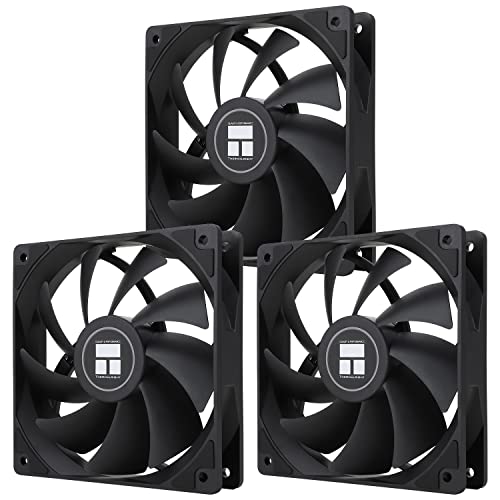
Thermalright TL-C12C-S X3 120mm ARGB Case Fan (TL-C12C X3)
Thermalright TL-C12C X3 120mm Case Fan

Thermalright TL-M12Q X3 120mm ARGB Case Fans

ARCTIC P14 Pro PST 5 Pack 140 mm PWM Fan

Thermalright TL-C12C-S 5 Pack 120mm ARGB Case Fan

Thermalright TL-C12W-S V3 120mm ARGB Case Fan

ARCTIC P8 PWM PST 5 Pack 80 mm Case Fan

Thermalright TL-C12C X5 120mm Case Cooler 5 Pack
More Details On Our Top Picks
That 120 mm frame, PWM control, and included three-pack setup make this a straightforward path for a first airflow refresh. The S-FDB bearing, a sealed fluid-dynamic style bearing, matters because it usually points to smoother operation and less mechanical chatter over long daily use.
Compared with the plain TL-C12C X3 below, this one adds ARGB, so it suits you better when the case window matters as much as temperature control. The trade-off is simple, you’re paying for lighting as well as airflow, so minimal builds may see it as extra rather than essential.
What We Like
- Three fans cover a front intake plus rear exhaust layout without piecing together separate purchases.
- ARGB lighting helps a tempered-glass build feel finished without forcing a flashy look.
- 4-pin PWM control lets the motherboard adjust speed based on temperature, which helps cut needless noise during lighter use.
- S-FDB bearing design is a sensible sign for long-term smoothness in a daily desktop.
Things To Consider
- ARGB adds cable planning, so a cramped case can take a little more patience during routing.
- The lighting focus may feel unnecessary in a no-window office tower.
Feature Snapshot
Who It Suits Best
You’re a good match for this one if you want a straightforward three-fan setup with lighting and don’t want to shop part by part.
A Better Fit Elsewhere
Thermalright TL-C12C X3 120mm Case Fan makes more sense for a plain, unlit tower where airflow matters more than presentation.
Dropping the lighting makes this Thermalright trio easier to slot into a clean, understated tower. You still get the same 120 mm footprint, PWM control, and S-FDB bearing approach, so the appeal is really about spending less attention on looks and more on straightforward cooling.
Compared with the ARGB version above, this one is the quieter visual choice, at least in the sense of appearance, not fan noise. For a work PC under a desk or a gaming case with solid panels, that plain finish tends to feel more natural.
Highlights
- Three-pack format covers several case positions in one go.
- PWM support helps the fans ramp sensibly instead of running flat out all the time.
- S-FDB bearing design is a strong fit for daily desktops that stay powered on for long stretches.
- No lighting keeps cable management and visual setup simpler than the ARGB sibling.
Minor Gripes
- You give up visual flair, so glass-panel systems may feel a little plain.
- The source data keeps the feature set lean, which means you’re mostly choosing on basic cooling fit.
Core Details
Who Will Love This
You’ll like this most in a budget-conscious build where a clean, unlit look is the goal and the case already has decent airflow paths.
Where A Sibling Pick Shines
Thermalright TL-C12C-S X3 120mm ARGB Case Fan fits better for a windowed system that needs the same core cooling with more visual presence.
Here the focus shifts from quiet value to rawer output, because 2000 RPM and 68.9 CFM put this trio in a more assertive class. CFM, or cubic feet per minute, measures airflow volume, so that number matters when your case has a dense front panel, a warmer graphics card, or a radiator that likes stronger push.
The daisy-chain wiring is the handiest part for many builds, since it reduces the cable pile behind the tray. Compared with the TL-C12C-S and TL-C12C options, this one is the better fit when you want lighting plus a little more headroom for hotter hardware.
Reasons To Buy
- Higher top speed gives you more room to move air in demanding cases.
- 68.9 CFM is useful for people who run warm parts and want a stronger intake path.
- Daisy-chain wiring cuts down on clutter, which helps in mid-towers with crowded back panels.
- PWM and ARGB sync make it easier to keep fan behavior and lighting on the same page.
Points To Note
- More airflow usually means more audible presence at higher speed, so silent-focused builds may want a calmer pick.
- The lighting and wiring setup reward careful installation, especially in tighter cases.
Feature Rundown
Best Suited To
You’ll get the most from this in a gaming tower or warmer workstation that needs stronger airflow without moving to larger 140 mm fans.
Swap It Out When
Thermalright TL-C12C X3 120mm Case Fan makes more sense for a quieter, lower-key system where straightforward cooling matters more than top-end output.
Once you move up to 140 mm, you’re buying a different kind of airflow behavior, usually with less effort to move a lot of air at a given speed. The P14 Pro PST leans into that with a wide 400 to 2500 RPM range, plus a 0 RPM mode below 5 percent PWM, which means the board can let it stop under very light demand.
Compared with the Thermalright 120 mm picks, this five-pack feels more suited to roomy cases, radiators, and users who want fewer fans spinning harder. The Y-cable splitter also simplifies shared control, though the larger size means you’ll want case clearance before committing.
Upsides
- 140 mm size can move substantial air without needing extreme speed.
- Five fans make sense for full case coverage or a radiator-heavy layout.
- 0 RPM behavior at very low PWM is handy for light desktop use.
- PST support helps keep control tidy across multiple fans.
- Fluid dynamic bearing design suits long-running systems.
Room For Improvement
- The larger frame won’t suit every compact enclosure.
- Five fans may be more than a simple office PC needs.
- Installation takes a bit more planning than a two- or three-fan kit.
Details At A Glance
Made For
You’re a strong match for this set if your case has room and you want fewer, larger fans handling serious airflow work.
A Better Fit Elsewhere
Thermalright TL-M12Q X3 120mm ARGB Case Fans makes more sense for a tighter mid-tower where a smaller frame and easier placement matter more.
Five matching fans in a single box changes the math for a full refresh, especially in a case that needs front, top, and rear coverage. The 120 mm size, PWM control, and S-FDB bearing keep the formula practical, while the ARGB trim gives you a more polished finish than the unlit TL-C12C X5 below.
The honest read is that this makes most sense when you want a coordinated look without chasing separate fans and split shipments. Cable management still matters, but once installed, a matched set like this often makes a tower feel more organized than a mixed collection of leftovers.
Best Bits
- Five-fan bundle is useful for a full-case replacement or a fresh new build.
- ARGB gives the system a more finished appearance without changing the cooling role.
- PWM control supports quieter idle behavior and faster response under load.
- S-FDB bearing setup fits well in a machine that stays on for long stretches.
Worth Noting
- You may end up with more lighting hardware than a plain workstation really needs.
- Five fans can take more time to route and mount cleanly.
Technical Sheet
Perfect Match For
You should look at this set first for a whole-case refresh where matching fans and visible lighting matter together.
Look Elsewhere When
Thermalright TL-C12C X5 120mm Case Cooler 5 Pack is the easier choice for a clean, unlit desktop where you only want airflow and no lighting.
Mirror-style lighting gives this trio a different personality from the more straightforward TL-C12C-S models. The ARGB mirror effect is the part that matters here, because it adds visual depth in a glass-panel build without changing the basic 120 mm fan formula.
That makes it a nice fit for you if the PC sits in a living room, bedroom, or office where the case is meant to look finished from across the room. The trade-off is obvious, style takes center stage, so a stealthy black-box build may not need this much visual treatment.
Positives
- Mirror lighting creates a more layered look than a standard lit fan.
- Three-pack format works well for a front intake cluster and one exhaust position.
- 4-pin PWM connector supports automatic speed changes from the motherboard.
- S-FDB bearing is a useful detail for long-running everyday systems.
Areas To Watch
- The lighting style is more visible, so it won’t suit every understated build.
- Three fans still need careful planning in a cramped chassis.
Feature Card
Right Fit For
You’re in the sweet spot for this one if you want visible lighting with a calmer, more polished look than basic RGB rings.
Another Choice May Suit
Thermalright TL-C12C X3 120mm Case Fan is the simpler match for a plain office tower where lighting would only add clutter.
Most of the picks here are 120 mm or 140 mm, so this 80 mm five-pack stands out by solving a very different packaging problem. The pressure-optimised design matters in small enclosures, because those cases often have tighter vent paths, denser grills, or shrouds that make air harder to move cleanly.
PWM Sharing Technology, or PST, lets compatible fans run together from one control path, which keeps wiring from becoming a knot in compact builds. For mini-ITX cases, older towers, or niche spots where only 80 mm mounts fit, this is the most sensible shape in the list.
Strong Points
- 80 mm size solves placement problems where larger fans simply won’t fit.
- PST makes multi-fan control easier in compact systems.
- Pressure-focused blade design suits restrictive mounts and dense grilles.
- 200 to 3000 RPM range gives a wide operating window.
- Five-pack format helps cover several small mounting points at once.
Small Caveats
- 80 mm fans usually need to work harder than larger fans to cover the same case volume.
- This size makes more sense for fit than for broad airflow across a roomy chassis.
- Installation can get fiddly in older cases with sharp internal edges.
Quick Facts
Whose Shelf It Belongs On
You’re the right match here if your case only accepts 80 mm mounts or the airflow path is too cramped for larger frames.
Skip It When
Thermalright TL-C12C X3 120mm Case Fan makes more sense for a standard mid-tower where larger blades can move air with less effort.
This is the plainest five-pack in the group, and that’s a strength for a lot of desks and bedrooms. With no lighting and a stated 1550 RPM ceiling, the TL-C12C X5 stays focused on straightforward airflow rather than visual extras, which is exactly what many calm-looking builds need.
Compared with the ARGB five-pack above, this version is easier to drop into a stealth case or office tower where you want the inside to disappear into the background. The trade-off is simple enough, you give up atmosphere for a cleaner, quieter visual profile.
Plus Points
- Five matching fans make a full-case refresh much easier to plan.
- Unlit design fits clean, understated systems.
- 1550 RPM ceiling keeps the setup in a practical everyday range.
- 120 mm format gives you broad compatibility across mainstream cases.
Softer Spots
- You won’t get any lighting, so windowed builds may feel a little bare.
- A full five-pack can be more fan than a small office PC needs.
Key Specs
The Right Fit
This suits you best when you want a no-fuss, unlit fan bundle for a standard PC build that still needs several matched positions covered.
Reach For A Different Pick When
Thermalright TL-C12C-S 5 Pack 120mm ARGB Case Fan is the better match for a windowed rig that needs the same bundle approach with lighting included.
How To Choose The Right Value Case Fans
Match Fan Size To The Case, Not The Habit
Start with the mounts your case actually supports. A 120 mm fan is the most flexible choice for modern mid-towers, while 140 mm fans like the ARCTIC P14 Pro PST can move more air with a calmer pace in roomy enclosures.
80 mm fans belong in smaller or older cases where larger frames won’t fit cleanly. That ARCTIC P8 PWM PST is the rare pick here that solves a fit problem first and an airflow problem second.
Think About Control, Noise, And Cable Load Together
4-pin PWM control is useful because the motherboard can adjust fan speed based on heat instead of forcing a fixed pace. That matters in daily use, since a desktop feels better when the fans stay quiet during light work and only step up when the hardware warms up.
PWM Sharing Technology, or PST, and daisy-chain wiring can help a lot in multi-fan builds. They cut cable clutter, but they also make installation a little more deliberate, especially behind crowded motherboard trays.
Choose Airflow Style Based On Case Restrictions
Dense front panels, tight grills, and radiator mounting all change what “good airflow” means. A pressure-focused fan like the ARCTIC P8 PST suits resistance better, while higher-airflow 120 mm options such as the TL-M12Q X3 make more sense when your case needs a stronger push through restrictive paths.
For a quiet office tower, simple 120 mm unlit fans usually cover the basics without visual noise. For a glass build or gaming setup, ARGB can be worth the extra wiring, as long as the look fits your room and not just the spec sheet.
Pick Bundle Size For The Whole Build, Not One Slot
Three-packs work well for front intake plus rear exhaust, and five-packs are better when you want a full refresh without mixing old and new fans. That’s why the TL-C12C-S five-pack and TL-C12C X5 feel practical for a case-wide cleanup, while the smaller packs suit partial upgrades.
It helps to think about maintenance too. Fewer mismatched fans mean less guesswork later, especially when you clean dust filters and want the fan curve to stay predictable.
What To Weigh Before You Choose
Common Shopping Slip Ups
A lot of people focus on lighting first and forget the case layout. That leads to buying ARGB fans for a tower with no window, or choosing 140 mm units when the chassis only accepts 120 mm mounts.
Cable planning gets overlooked too. Multi-fan sets can look neat on the product page, but in a real build, splitters, headers, and routing space matter just as much as the fan blades.
The Case For Spending Up
Higher-tier fans often cost more because of better bearings, wider speed ranges, smarter wiring options, or larger blade designs. Those details matter in harder cases, like a radiator setup, a warm gaming rig, or a build that stays on for long stretches.
That extra spend makes sense when you want fewer compromises. A premium 140 mm fan or a faster ARGB trio can save you from running several smaller fans harder than you’d like.
Final Thoughts
Your best choice depends on the case in front of you and the kind of desktop you actually use every day. For a simple, quiet refresh, the Thermalright TL-C12C X3 and TL-C12C-S models keep things easy, while the TL-M12Q X3 and ARCTIC P14 Pro PST step up when airflow needs get tougher. Smaller systems have a place here too, thanks to the ARCTIC P8 PWM PST. Match the size, wiring, and look to your build, and the rest gets much easier.
