
Wired computer mouses make sense when you want a steady USB connection, simple setup, and no battery routine. For office desks, school laptops, shared family PCs, and travel bags that stay plugged in, a corded mouse cuts one small annoyance out of the day. The right pick depends on hand feel, button layout, tracking sensitivity, and whether you need quiet clicks or extra navigation keys. You’ll see a mix of basic, business-leaning, and feature-rich options below.
Quick Shortlist For Fast Comparison


HP Wired Mouse 100 1600 DPI

Lenovo 100 Wired USB Mouse

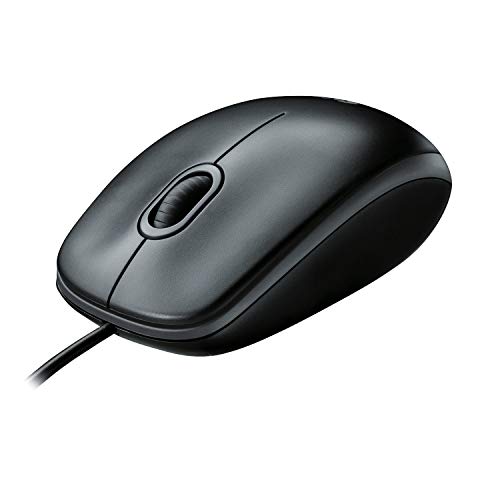
Logitech B100 Ambidextrous Wired Mouse

Amazon Basics 3-Button USB Wired Mouse

TECKNET USB Wired Mouse with Forward Backward Keys
More Details On Our Top Picks
Censprin leans into quiet, office-friendly use with its silent click design and 3-button layout. The 3D rubber roller texture is a small but useful detail, especially on long desk sessions where grip and control matter more than flash. Windows, Mac, iPad, PC, and laptop compatibility keeps it broad for mixed-device homes.
The trade-off is that this is a straightforward mouse, not a feature-heavy one. For shared spaces, late-night work, or a simple travel setup, that restraint is exactly the point. It feels like a sensible desk tool rather than a gadget chasing attention.
What We Like
- Silent clicks suit shared offices and quiet rooms.
- 3-button layout keeps daily navigation simple.
- Rubber roller texture improves grip and scrolling control.
- Broad device support helps in mixed-ecosystem setups.
- Small, plain design fits most workstations easily.
Points To Note
- No extra side controls for shortcuts or browser movement.
- Best fit is basic office work, not advanced workflows.
- The simple shape may feel plain during longer sessions.
Feature Rundown
Who Should Grab It
Office staff, students, and home users wanting a quiet corded mouse will get the most from this one.
A Better Fit Elsewhere
TECKNET USB Wired Mouse with Forward Backward Keys suits you better if browser navigation and adjustable sensitivity matter more than quiet simplicity.
HP keeps this one clean and direct, with a 1600 DPI optical sensor and USB hookup that suits quick desk setup. DPI, which means dots per inch, affects pointer speed and on-screen movement, so 1600 lands in a comfortable middle zone for everyday work. The ambidextrous shape helps right-handed and left-handed use stay equally simple.
Compared with Censprin’s quieter, softer-feeling approach, this model is more about familiar control and uncomplicated accuracy. The honest read is that it does the essentials well, which is exactly what many office desks need. For general browsing, spreadsheets, and home computing, that’s enough.
Highlights
- 1600 DPI gives a steady, usable pointer pace.
- Ambidextrous form works for either hand.
- 3-button control keeps the interface uncluttered.
- USB connection supports quick setup on standard machines.
Room For Improvement
- No extra side buttons for faster navigation.
- Most useful as a basic desktop companion, not a specialty tool.
- The shape is practical rather than sculpted for long-session comfort.
Core Details
Best Suited To
You get the most from this mouse in a general-purpose home office or a shared family computer setup.
Where A Sibling Pick Shines
Lenovo 100 Wired USB Mouse suits you better if a fuller body and straightforward budget value matter more than sensor tuning.
Lenovo’s full-size shape changes the feel right away, giving your hand more surface to settle into than the slimmer options above. That matters during long desktop sessions, especially on a Windows laptop dock or a classroom machine that sees constant use. The red optical sensor is a spec worth noticing because it points to standard optical tracking rather than anything fussy.
It’s a straightforward black mouse with ambidextrous use and three buttons, so the learning curve stays low. The trade-off is simple, basic design, but that’s exactly why many budget setups stay comfortable with it. For steady day-to-day use, it’s an easy shape to live with.
Upsides
- Full-size body gives the hand more room.
- Ambidextrous build keeps it usable on either side.
- Three-button layout stays easy for beginners.
- Works cleanly for desktop, laptop, and school setups.
- Black finish blends into most workstations.
Softer Spots
- No extra controls for browser back and forward.
- Basic design fits routine tasks better than specialty work.
- Full-size shape can feel large on very tight desks.
Feature Snapshot
Made For
You’ll like this most in a school lab, a home workstation, or any setup where a larger hand rest helps.
Another Choice May Suit
Logitech Signature Wired M520 L is the smarter step up for office users who want a more business-leaning finish and plug-and-play convenience.
This Logitech leans into a business-first look with a graphite finish and a plug-and-play setup that keeps desk setup fast. Compared with Lenovo 100, the character here feels more polished and office-oriented, which matters in meeting rooms, shared workstations, and laptop docks. The shape and finish are built for people who want a calm, professional mouse rather than a busy control surface.
The catch is that the source details stay narrow, so the appeal rests on clean execution more than a long feature list. That’s fine for most office users, since fewer distractions often beat extra complexity. It’s a composed option for daily work, not a flashy one.
Bright Spots
- Business-focused styling suits office desks well.
- Plug-and-play setup keeps installation simple.
- Graphite finish looks restrained and professional.
- Works across Windows, Mac, Chrome, PC, and laptops.
Areas To Watch
- Source details are light on extra control features.
- Best value comes from the calm office fit, not extras.
- Users wanting side buttons should look elsewhere.
Details At A Glance
The Right Fit
This suits office staff and laptop users who want a tidy, business-style corded mouse.
Swap It Out When
TECKNET USB Wired Mouse with Forward Backward Keys is a better match for you if navigation buttons and adjustable DPI matter more than a restrained office look.
Logitech’s B100 stays close to the classic formula, with ambidextrous use and a wired USB connection that keeps setup almost invisible. That simplicity works well in schools, home offices, and backup-desk situations where you just want a mouse that gets out of the way. Black finish, right-or-left-hand usability, and plain controls keep the whole package direct.
Unlike the more feature-leaning TECKNET pick, this one is about low drama and dependable basics. The honest read is that it suits people who value familiarity over extras, and that’s still a strong reason to choose it. Maintenance is simple too, since a straightforward shell is easy to wipe down and keep tidy.
Best Bits
- Ambidextrous design works for both hands.
- USB cord keeps connection steady on desktop setups.
- Simple black finish blends into work and home spaces.
- Good match for backup or everyday computers.
Minor Gripes
- Few extras for users who want shortcut controls.
- Plain shape favors practicality over hand support.
- Most appealing for basic tasks rather than creative workflows.
Quick Facts
Whose Shelf It Belongs On
This belongs with desktop users, school setups, and anyone who wants a plain corded mouse for daily tasks.
A Better Fit Elsewhere
HP Wired Mouse 100 makes more sense for you if a specified 1600 DPI sensor matters more than the B100’s bare-bones simplicity.
Amazon Basics keeps the formula spare: three buttons, USB wired connection, and responsive tracking for basic computer navigation. That combination works for first-time desk setups, spare-home-office use, and any machine where you want a mouse that behaves predictably without fuss. The black finish keeps it visually quiet, which helps on crowded desks.
Compared with Logitech B100, this feels like a similarly plain option with a slightly more entry-level posture. The trade-off is obvious, fewer extras and less character, but that often fits a starter system just fine. You won’t spend time learning the mouse, and that’s the real value here.
Strong Points
- Three-button layout keeps use simple.
- Plug-and-play setup helps on quick installs.
- Responsive tracking suits everyday cursor movement.
- Windows and Mac support broadens desktop fit.
Worth Noting
- Minimal feature set leaves no room for shortcuts.
- Best suited to casual or starter use.
- Plain design keeps comfort and customization modest.
Technical Sheet
Built With In Mind
This is for starter desktops, spare laptops, and people who want a simple wired mouse without extra learning.
Look Elsewhere When
Logitech Signature Wired M520 L suits you better if a more polished business feel matters in your daily office setup.
TECKNET is the most control-focused pick in this group, with forward and backward buttons, four DPI steps, silent clicking, and a 5-foot cord. That makes it especially useful on a crowded desk or in a workflow where browser navigation and pointer speed changes save time. The ergonomic shape adds another layer of comfort for longer sessions, particularly on laptops and desktop towers.
The honest trade-off is that more features always bring more preference sensitivity, since not every hand wants the same button layout. Still, for power users, the extra control is hard to ignore. It feels like a mouse built for people who move through tabs, files, and documents all day.
Reasons To Buy
- Forward and backward keys help with browser movement.
- Four DPI levels give you more pointer control.
- Silent click design keeps the desk quieter.
- 5-foot cord gives useful reach for larger setups.
- Ergonomic shape supports longer work sessions.
Small Caveats
- Extra buttons can feel unnecessary for minimal setups.
- More controls mean a slightly busier learning curve.
- Best value shows up in active, multitasking use.
Core Details
Perfect Match For
You’ll like this most as a daily mouse for heavy browsing, office work, or laptop use with lots of tab switching.
Where Shoppers Go Wrong
Logitech B100 fits better for you if you want a simpler corded mouse without extra keys or sensitivity settings.
How To Choose The Right Wired Computer Mouses
Match The Mouse To Your Workday
A wired mouse should fit the way you spend time at the desk, not just the way it looks in a listing. Quiet office use points you toward silent-click models like Censprin or TECKNET, while a simple three-button mouse suits basic browsing and document work. People who jump between tabs and folders all day usually benefit from forward and backward keys, because they reduce little repetitive motions that add up.
Hand shape matters just as much. Full-size builds, like Lenovo 100, give more palm support, while leaner mice keep the desk uncluttered and travel better in a laptop bag. Ambidextrous shapes are a safe choice for shared homes, classrooms, and workstations that rotate between users.
Pay Attention To Sensor Speed And Controls
DPI tells you how far the pointer moves for each inch of mouse travel, so it affects speed and precision. A mid-range setting such as HP’s 1600 DPI works well for most office tasks, while higher sensitivity can feel faster on larger monitors or for users who like less hand movement. Adjustable DPI is useful when the same mouse needs to handle spreadsheets, web browsing, and occasional design work.
Buttons change the rhythm of daily use too. Three-button mice keep things simple, but extra side controls can make a noticeable difference in busy multitasking sessions. The trade-off is that more buttons usually mean a little more setup time and a little more chance of pressing the wrong one at first.
Think About Surface, Cord, And Compatibility
Optical tracking is the standard here, and it usually handles desks, mouse pads, and laptop trays without drama. Longer cords help on larger desks or docking stations, while short cords can feel tight in cramped spaces. Compatibility is worth checking closely, especially in homes that mix Windows, Mac, Chromebook, and tablet use.
Plug-and-play support keeps life easy because you just connect and move on. That matters in schools, shared offices, and temporary workstations where nobody wants to install extra software. For most people, the right wired mouse is the one that disappears into the workflow and keeps doing its job day after day.
Before You Pick A Wired Mouse
Mistakes Worth Dodging
Many shoppers focus on shape first and forget the control layout. A mouse with extra keys can speed up work, but it can also feel busy on a tiny desk or for someone who only needs basic clicking and scrolling.
Another common miss is ignoring the cable and surface fit. A long cord helps at a desktop, while a shorter one can feel restrictive beside a laptop dock or a monitor arm setup.
The Upgrade Payoff
Higher-tier wired mice usually cost more because of better sensors, extra buttons, more comfortable shaping, and more polished finishes. That matters most in office use, where a small boost in comfort or navigation speed gets paid back every day across long sessions.
The upgrade makes sense for people who live in browser tabs, spreadsheets, or document-heavy work. A basic mouse still handles routine tasks well, but a better-built model often feels smoother and more composed over time.
Frequently Asked Questions
Are wired computer mouses still worth choosing?
Yes, because they skip battery management and keep a steady USB connection. That makes them a solid fit for desktops, dorm rooms, and office stations.
What does DPI change on a mouse?
DPI controls how fast the pointer moves across the screen. Higher numbers usually feel quicker, while lower numbers feel more deliberate.
Do ambidextrous mice help left-handed use?
They do, because the shape works from either side. That also helps in shared spaces where different people use the same device.
Is a three-button mouse enough for daily work?
For browsing, email, and document editing, yes. Extra side buttons matter more when you move through tabs and folders all day.
What should you check before replacing an old mouse?
Check the USB connector, the hand shape, and whether the mouse fits your desk space. Compatibility with your computer setup matters just as much as button count.
Closing Thoughts
Wired computer mouses still make a lot of sense when you want simple setup, steady connection, and no battery routine. For quiet offices, the Censprin and TECKNET choices stand out for different reasons, while HP, Logitech, Lenovo, and Amazon Basics cover the more restrained middle ground. Your best match depends on whether you value basic control, extra buttons, a fuller shape, or a more polished office feel. Pick the mouse that fits your desk rhythm, and daily use gets easier right away.
