Wearable technology has gained immense popularity in recent years. With the global market valued at approximately USD 72 billion, more people are adopting devices that help them monitor their health and fitness. Fitness trackers primarily focus on health metrics, such as counting steps and monitoring heart rates. Smartwatches, on the other hand, serve as extensions of your smartphone, offering notifications and app integration. As you consider your options, which device aligns better with your needs and lifestyle?
Key Takeaways
Fitness trackers excel in health monitoring, tracking steps, heart rate, and sleep patterns to help you achieve fitness goals.
Smartwatches offer multifunctionality, providing notifications, calls, and app integration, making them ideal for staying connected.
Consider your lifestyle when choosing a device; fitness trackers suit those focused on health, while smartwatches cater to connectivity needs.
Fitness trackers are generally more affordable, costing between $50 and $100, making them a great choice for beginners.
Both devices can enhance your fitness journey; choose based on what features matter most to you.
Fitness Trackers Defined
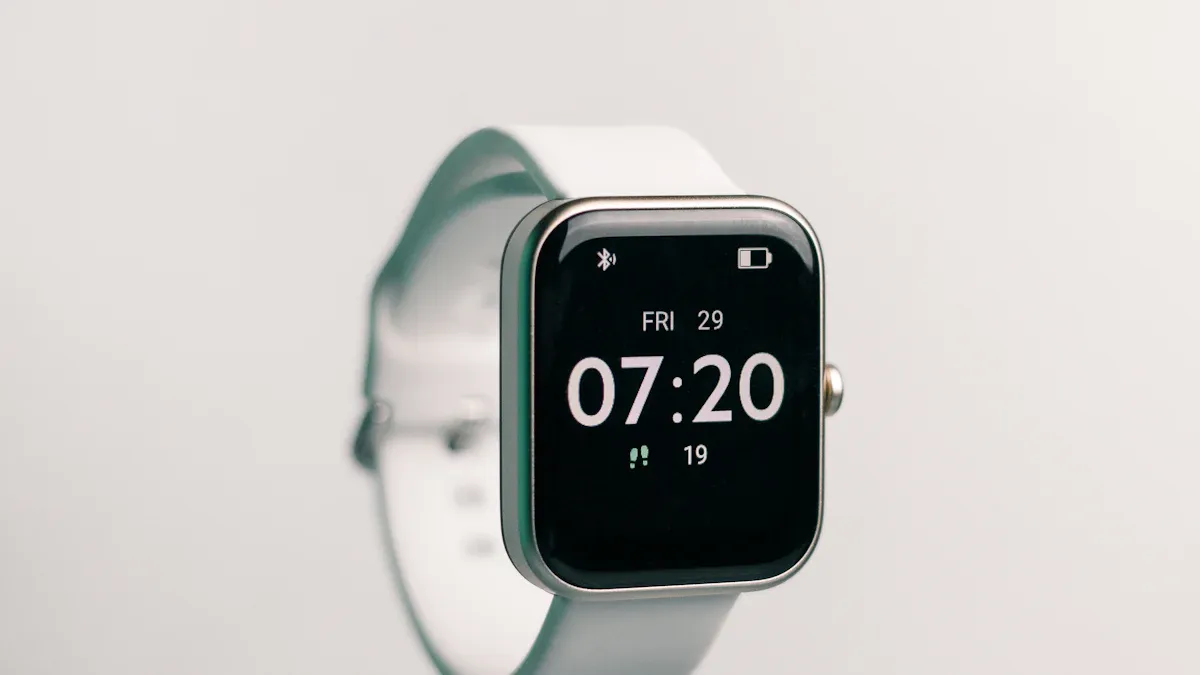
Fitness trackers are electronic devices designed to monitor your physical activity and health. They help you keep track of your daily movements and physiological responses. By collecting data, these devices aim to improve your overall health and fitness.
Key Features of Fitness Trackers
Fitness trackers come with several important features that enhance your health monitoring experience. Here are some of the most common ones:
Step Tracking: Most fitness trackers count your steps throughout the day. This feature encourages you to stay active and reach your daily activity goals.
Heart Rate Monitoring: Many models measure your heart rate continuously. This helps you understand your cardiovascular health and adjust your exercise intensity accordingly.
Calorie Tracking: Fitness trackers estimate the calories you burn during activities. This information can guide your dietary choices and fitness plans.
Sleep Tracking: Sleep is crucial for recovery. Fitness trackers analyze your sleep patterns, providing insights into your sleep quality and duration. Some models even break down sleep stages, helping you improve your rest.
GPS Functionality: Certain fitness trackers include GPS to track your outdoor activities accurately. This feature is especially useful for runners and cyclists who want to monitor their routes and distances.
Definition | Main Functions |
|---|---|
A fitness tracker is an electronic device that measures and collects data about an individual’s movements and physical responses to monitor and improve health, fitness, or psychological wellness over time. | Tracks and records physiological data such as steps taken, heart rate, calorie expenditure, and sleep quality. Uses sensors like accelerometers and altimeters to estimate fitness and exercise information. |
In addition to these features, many wearable fitness trackers offer advanced capabilities. For example, some models provide insights into your energy expenditure and even remind you to move if you’ve been inactive for too long.
Summary of Evidence
Recent studies show that fitness trackers can vary in accuracy. For instance, heart rate measurements typically have an error rate of ±3%. Step counts may underestimate your actual steps by about 9%. Sleep tracking can also overestimate total sleep time by more than 10%.
Overall, fitness trackers serve as valuable tools for anyone looking to enhance their health and fitness journey.
Smartwatches Explained
Smartwatches are advanced wearable devices that extend the functionality of your smartphone. They do more than just track fitness; they keep you connected and informed throughout the day.
Key Features of Smartwatches
Smartwatches offer a variety of features that set them apart from fitness trackers. Here are some key aspects:
App Integration: Smartwatches allow you to access various apps directly from your wrist. You can receive notifications from social media, weather updates, and even reminders for appointments. This integration keeps you connected without needing to pull out your phone.
Communication Capabilities: Unlike fitness trackers, smartwatches enable you to make and receive calls, send texts, and respond to messages. This feature enhances your ability to stay in touch while on the go.
Advanced Health Tracking: Many smartwatches come equipped with sophisticated health monitoring features. For example, some models can track your heart rate, monitor blood oxygen levels, and even perform ECG tests. These capabilities provide deeper insights into your health compared to basic fitness trackers.
Customization Options: You can personalize your smartwatch with different watch faces and apps. This customization allows you to tailor the device to fit your style and preferences.
Feature | Fitness Tracker | Smartwatch |
|---|---|---|
Primary Function | Tracks health metrics (steps, heart rate, etc.) | Extends smartphone functionality |
Health Monitoring | Basic health metrics | Advanced health features (ECG, blood oxygen, etc.) |
Notifications | Limited notifications | Real-time notifications from apps |
Communication | No communication features | Make/receive calls, send texts |
App Compatibility | Limited to fitness apps | Supports third-party apps |
Display | Minimal interface (small OLED/LED) | More complex interface with touch capabilities |
Additional Features | Focused on fitness tracking | Music streaming, contactless payments, GPS, etc. |
Differences Between Fitness Trackers and Smartwatches
When you compare fitness trackers and smartwatches, you notice distinct differences in functionality and usability. Each device serves unique purposes that cater to different user needs.
Functionality and Usability
Fitness trackers primarily focus on health monitoring. They help you track your fitness goals by measuring metrics like steps taken, heart rate, and sleep quality. These devices often provide continuous monitoring throughout the day and night. You can rely on them for accurate data to motivate you to move and achieve your fitness goals.
On the other hand, smartwatches offer a broader range of functionalities. While they include fitness tracking features, their main focus lies in providing smart notifications. You can receive alerts for calls, messages, and app notifications directly on your wrist. This integration keeps you connected without needing to check your phone constantly.
Usability scores for both fitness trackers and smartwatches are generally moderate across various brands. However, significant differences arise based on user demographics. For instance, users in the healthcare industry report higher satisfaction levels compared to those in the internet industry. Factors like gender, age, education, and income do not significantly affect usability scores.
Health vs. Smart Notifications
The primary focus of fitness trackers is health monitoring. They provide insights into your physical activity and health metrics. In contrast, smartwatches emphasize smart notifications while still incorporating fitness tracking features.
Here’s a quick comparison of their focuses:
Feature | Fitness Trackers | Smartwatches |
|---|---|---|
Primary Focus | Health monitoring | Smart notifications and health tracking |
Common Metrics Tracked | Steps, heart rate, sleep quality, calories burned | Fitness metrics alongside notifications |
Device Form | Wristbands, clip-ons, smart fabric clothing | Watches with additional smart features |
Continuous Monitoring | Yes, throughout the day and night | Yes, but with a focus on notifications |
Fitness trackers often act as standalone devices or apps, while smartwatches integrate multiple functionalities. This distinction highlights how fitness trackers prioritize health, whereas smartwatches cater to your need for connectivity.
While fitness trackers excel in health monitoring, they can also lead to some drawbacks. Users report increased anxiety related to notifications about irregular heart rhythms. Some develop compulsive behaviors from frequently checking their data, leading to data overload. You should consider these factors when choosing between the two devices.
Fitness Tracker Benefits
Fitness trackers offer numerous advantages that can significantly enhance your health monitoring experience. Here are some key benefits you should consider:
Continuous Health Monitoring: Fitness trackers provide real-time insights into various health parameters. They continuously collect data, allowing you to monitor your heart rate, steps, and sleep patterns. This ongoing feedback encourages you to stay active and make healthier choices.
Increased Engagement: Studies show that fitness trackers improve patient engagement. You receive immediate feedback on your physiological states, which motivates you to adhere to your health goals. This engagement can lead to better health outcomes over time.
Cost-Effectiveness: Fitness trackers are generally more affordable than smartwatches. Basic fitness trackers typically range from $50 to $100, while mainstream smartwatches can cost between $200 and $450. This price difference makes fitness trackers an excellent choice for those new to wearable technology.
Simplicity and Ease of Use: Fitness trackers are designed with user-friendliness in mind. Their straightforward interfaces allow you to focus on your health without unnecessary distractions. Many users appreciate this simplicity, as it leads to higher satisfaction and long-term adherence. As one user stated, “I can’t imagine NOT tracking my steps and sleep.”
Here’s a quick overview of how fitness trackers contribute to improved health outcomes:
Health Outcome | Improvement | Notes |
|---|---|---|
Quality of Life | Significant | Improvements noted in cancer populations using trackers and pedometers. |
Aerobic Fitness | Significant | Larger effects observed with baseline counseling sessions. |
Physical Function | Significant | Interventions with individualized goals were more effective than standard goals. |
User Satisfaction | High (88%-90%) | Participants rated their experience with devices positively, indicating engagement and motivation. |
Smartwatch Benefits
Smartwatches offer a range of benefits that go beyond simple fitness tracking. Their multi-functionality makes them valuable tools for daily life. Here are some key features that enhance your experience:
Smart Calls: You can make and receive calls directly from your wrist, allowing you to stay connected without reaching for your phone.
Messaging: Read and reply to messages, emails, and notifications instantly. This feature keeps you informed and engaged throughout the day.
Voice Assistants: Use voice commands to set reminders, check the weather, or control smart home devices. This hands-free capability adds convenience to your routine.
Productivity Tools: Smartwatches help you manage your calendar, receive meeting reminders, and keep track of to-do lists. These features enhance your organization and efficiency.
Contactless Payments: With NFC-enabled smartwatches, you can make secure payments without needing your wallet. This feature simplifies transactions while on the go.
Music and Camera Controls: Manage your music playback and control your smartphone’s camera directly from your watch. This functionality adds to the versatility of your device.
Customization: Personalize your smartwatch with different watch faces, straps, and themes. This allows you to express your style and mood.
The connectivity features of smartwatches further enhance their usability. They require companion apps for syncing and customization, which improves your overall experience. Here’s how smartwatches keep you connected:
Feature | Description |
|---|---|
Companion Apps | Smartwatches sync with companion apps, enhancing user connectivity and customization. |
Notifications | Receive real-time alerts for incoming messages, calls, and app notifications, keeping you informed. |
Voice Assistants | Hands-free control for messaging and other functions improves user interaction and convenience. |
Users appreciate the convenience of checking messages on their watch. It allows for discreet communication without pulling out a phone. Smartwatches notify you of incoming messages, helping you decide whether to respond. Making calls on a smartwatch frees up your hands, enhancing convenience during busy moments.
In summary, fitness trackers and smartwatches serve different purposes. Fitness trackers focus on health metrics like steps and heart rate, making them ideal for fitness enthusiasts. They also provide reminders to move and track food intake, which can help you stay accountable. On the other hand, smartwatches offer multifunctional capabilities, including notifications and app integration, appealing to those who value connectivity.
When choosing between the two, consider your personal needs and lifestyle. If you prioritize health monitoring, a fitness tracker may suit you best. If you seek convenience and connectivity, a smartwatch could be the better option. Both devices can enhance your fitness journey in unique ways.