
You might not realize it, but IoT devices are becoming essential in your daily life. They enhance convenience, efficiency, and connectivity in ways you may take for granted. For instance, smart home technology lets you control appliances and lighting with just your voice or smartphone. Studies show that these connected devices improve tasks like asset tracking and even grocery shopping. With around 19,800 million IoT devices in use worldwide, the future of IoT promises even more innovations that can transform how you live every day.
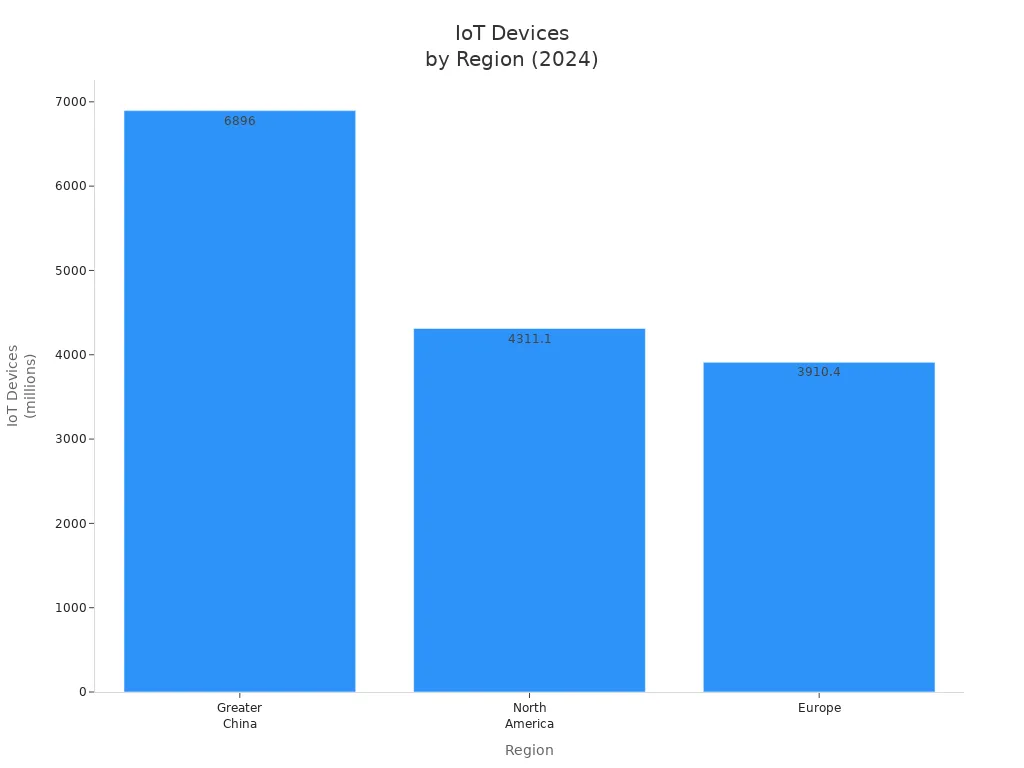
Region | Number of IoT Devices (in millions) |
|---|---|
Greater China | 6,896 |
North America | 4,311.1 |
Europe | 3,910.4 |
Total | 19,800 |
Future Projection (by 2034) | 40,600 |
Key Takeaways
IoT devices enhance daily life by improving convenience and efficiency, from smart homes to healthcare innovations.
5G technology will revolutionize IoT with faster data transfer, enabling seamless communication between devices.
AI integration with IoT allows for smarter decision-making and predictive maintenance, improving user experiences.
Security and privacy are critical concerns; users must take steps to protect their data and devices from threats.
Staying informed about IoT trends and investing in technology can help you harness its full potential for personal and community benefits.
IoT Applications
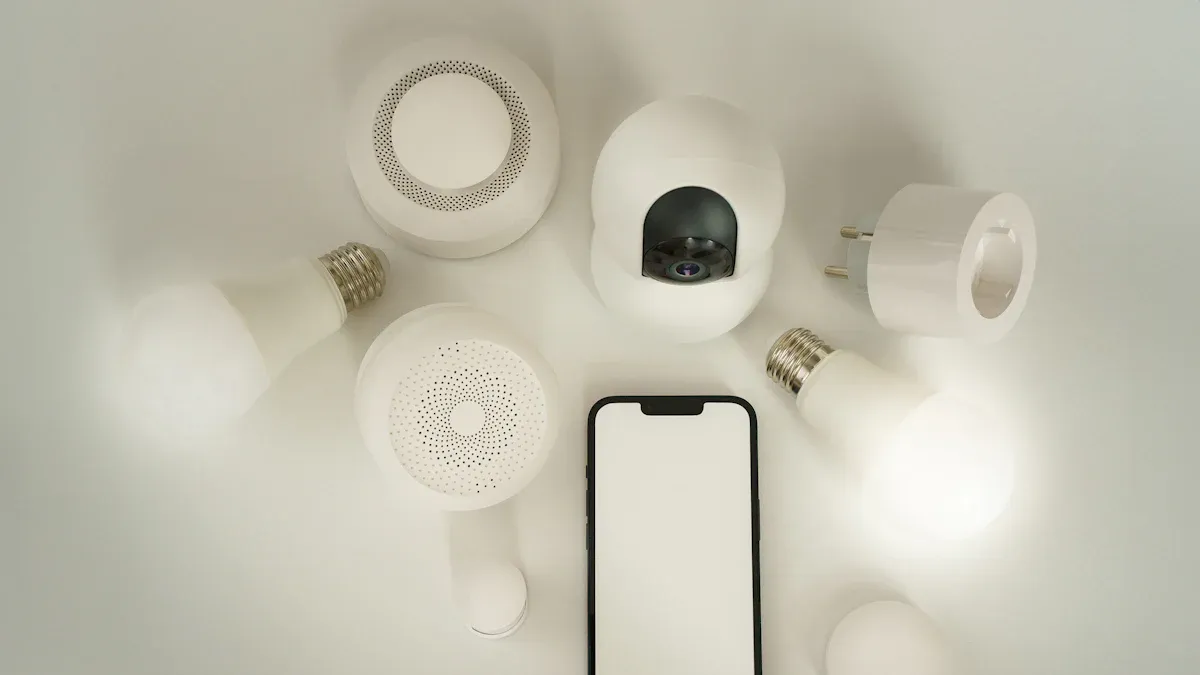
Smart Homes
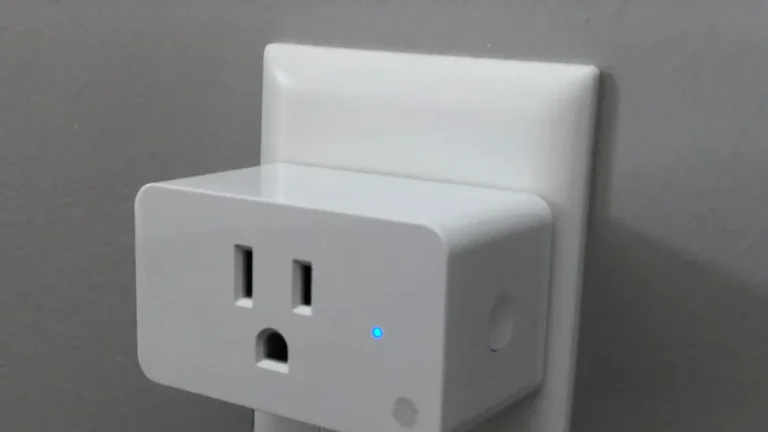
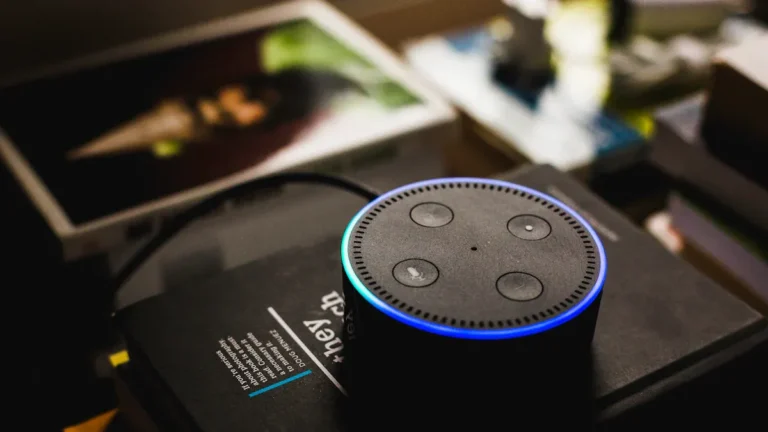
Smart homes are one of the most exciting applications of the internet of things. With smart home automation, you can control everything from your lights to your thermostat with just a tap on your smartphone or a simple voice command. Imagine walking into your home, and the lights automatically adjust to your preferred brightness while your favorite playlist starts playing. Sounds convenient, right?
Here are some popular smart devices that are transforming homes today:
Smart speakers
Smart thermostats
Smart security cameras
Smart lighting systems
The global market for smart homes was valued at approximately $155 billion in 2023, and it’s projected to grow even more. In fact, over 90% of individuals in China own at least one smart home device, showcasing the high adoption rates in that region. These connected devices not only enhance convenience but also improve energy efficiency. For example, smart thermostats learn your preferences and optimize heating and cooling based on occupancy, reducing energy waste.
Healthcare Innovations
The impact of IoT in healthcare is profound. Connected devices are revolutionizing patient care and monitoring. The Internet of Medical Things (IoMT) integrates IoT with medical devices, enabling efficient and cost-effective patient monitoring. During the COVID-19 pandemic, IoT systems allowed healthcare providers to connect with patients virtually, enhancing care delivery.
Here are some key advancements in healthcare due to IoT:
Real-time monitoring of vital signs
Remote patient monitoring through connected sensors
Smart ambulances that provide timely recommendations
These innovations lead to better patient outcomes. For instance, IoT devices can continuously gather data, allowing for smarter healthcare solutions. They help manage chronic diseases by monitoring specific parameters, ensuring timely interventions when needed.
Future of IoT Technologies

5G Connectivity
5G technology is set to revolutionize the future of IoT. With its ultra-fast data transfer speeds, you can expect connected devices to communicate almost instantaneously. Imagine your smart home devices responding to your commands without any lag. This is possible thanks to 5G’s low latency, which can be as quick as one millisecond. Such speed is crucial for applications that require immediate responses, like autonomous vehicles and smart healthcare systems.
Here are some key benefits of 5G for IoT:
Benefit | Description |
|---|---|
Speed | 5G enables high-speed data transfer, allowing IoT devices to send and receive large amounts of data quickly. |
Reliability | 5G’s lower latency improves transaction response times, crucial for applications like healthcare and transportation. |
Device interactions | 5G can support up to 1 million IoT devices per square kilometer, enhancing connectivity among devices. |
Network slicing | Tailored connectivity through network slicing optimizes performance and quality of service for various IoT applications. |
As the global IoT market is expected to reach $2 trillion by 2030, the enterprise segment will drive much of this growth. This means more businesses will adopt connected devices, enhancing efficiency and productivity.
AI Integration
Artificial Intelligence (AI) is another game-changer for IoT. By integrating AI with IoT systems, you can unlock powerful capabilities. AI processes vast amounts of data from connected devices, helping you make informed decisions. For example, AI can predict when a device might fail, allowing for proactive maintenance. This predictive capability is vital in sectors like healthcare, where timely interventions can save lives.
Here are some benefits of combining AI with IoT:
Benefit | Description |
|---|---|
Enhanced Data Collection | AI processes vast amounts of data from IoT devices, identifying patterns for informed decision-making. |
Optimized Management | AI improves the management and maintenance of IoT devices, reducing costs and enhancing efficiency. |
Predictive Capabilities | AI can predict faults in real-time, crucial for sectors like medicine and transportation. |
Improved User Experience | AI adapts to user preferences, enhancing the usability of IoT applications. |
The convergence of AI and IoT, often referred to as AIoT, will lead to smarter future applications. You can expect more automation and improved user experiences as these technologies evolve together.
Challenges in IoT Adoption
Security Risks
As you embrace the internet of things, it’s crucial to understand the security risks that come with it. IoT devices can be vulnerable, making them attractive targets for hackers. Here are some significant security risks to consider:
Security Risk | Description |
|---|---|
Weak Authentication Mechanisms | Vulnerabilities that allow unauthorized access to devices. |
Unencrypted Data Transfers | Risks of data interception during transmission. |
Outdated Firmware | Exploitation of known vulnerabilities due to lack of updates. |
Insecure Network Services | Potential for attackers to exploit open ports and services. |
In fact, IoT devices face an average of 820,000 hacking attempts daily, which is a 46% increase from the previous year. This highlights the importance of securing your connected devices.
Privacy Issues
Privacy concerns also loom large in the world of IoT. Many users feel like their devices are constantly “listening in.” Here are some common privacy issues you might encounter:
Surveillance: Consumers often worry about being monitored without their consent.
Profiling: IoT devices collect detailed data to create user profiles, often without your knowledge.
Loss of Control: You may not know what data is collected, where it is stored, or who has access to it.
The rapid growth of IoT presents challenges for regulators, who struggle to create effective privacy standards. As a user, you might find it hard to keep track of how your data is being used. It’s essential to stay informed and take steps to protect your privacy as you navigate this connected world.
The Future of IoT Solutions
Emerging Trends
As you look ahead, several emerging trends in IoT solutions are shaping the landscape. These trends promise to enhance the functionality and efficiency of connected devices. Here are some key developments to watch:
Integration of AI and Machine Learning: This combination boosts the intelligence of edge devices, making them smarter and more efficient.
5G Rollout: Faster connectivity means your IoT applications can communicate seamlessly, improving performance across various sectors.
Digital Twins: These allow for real-time monitoring and simulation of physical assets, leading to better decision-making.
Enhanced Security Protocols: Innovations like blockchain and advanced encryption are vital for protecting IoT networks.
Sustainable Solutions: Focus on energy efficiency and eco-friendly practices is becoming essential in manufacturing and facility management.
In 2024, you can expect to see even more exciting IoT solutions, such as enhanced security protocols, a wider range of connectivity options, and advancements in smart city development. These innovations will not only improve operational efficiency but also create new business models.
Societal Impact
The impact of IoT on society is profound. As IoT devices become more integrated into daily life, they foster enhanced connectivity among individuals. This constant connectivity can lead to new forms of socialization. For instance, communities might form local IoT networks for urban planning and environmental monitoring, encouraging civic engagement.
However, with these advancements come challenges. Privacy and trust issues arise as users become more aware of data collection practices. You might find yourself questioning how your data is used and who has access to it.
The economic benefits of widespread IoT adoption are significant. Estimates suggest that IoT applications could generate between $3.9 trillion and $11.1 trillion by 2025. This potential impact highlights the importance of embracing these technologies to drive innovation and efficiency in your community.
The evolution of IoT continues to reshape your everyday life. From smart homes to healthcare innovations, these connected devices enhance convenience and efficiency. As you look to the future of IoT, consider how you can embrace these technologies. Here are some steps to prepare:
Focus on services to boost revenue.
Analyze IoT data for better decisions.
Strengthen security measures against cyber threats.
Invest in IoT technologies and train your team.
By staying informed and adapting to these advancements, you can harness the full potential of IoT in your life.
Remember, the future of IoT is bright, and it’s up to you to make the most of it!
FAQ
What is IoT?
IoT, or the Internet of Things, refers to a network of connected devices that communicate and share data with each other. These devices can range from smart home gadgets to industrial machines, all designed to improve efficiency and convenience in daily life.
How does IoT improve my daily life?
IoT enhances your daily life by automating tasks, improving energy efficiency, and providing real-time data. For example, smart thermostats adjust temperatures based on your habits, saving energy and keeping you comfortable.
Are IoT devices secure?
While IoT devices offer many benefits, they can also pose security risks. It’s essential to use strong passwords, keep software updated, and choose devices from reputable manufacturers to enhance security.
Can I control IoT devices remotely?
Yes! Most IoT devices allow you to control them remotely through smartphone apps or web interfaces. This means you can manage your home security, lighting, and appliances from anywhere.
What are some examples of IoT devices?
Common IoT devices include smart speakers, fitness trackers, smart thermostats, and connected appliances like refrigerators and washing machines. These devices work together to make your life easier and more efficient.