Imagine having a personal health assistant right on your wrist. Wearables that use AI, like smartwatches and fitness trackers, do just that by offering personalized health insights. These devices collect data about your daily activities, heart rate, and even sleep patterns. This tailored information can significantly improve your health outcomes. Recent studies show that while wearables use AI to reduce health inequities, adoption rates remain low. As the wearable AI market is projected to soar, understanding its benefits becomes crucial for your health journey.
Key Takeaways
Wearables like smartwatches and fitness trackers provide personalized health insights by continuously monitoring your activities and vital signs.
AI algorithms analyze data from wearables, offering real-time feedback that helps you make informed health decisions and take timely actions.
Accurate data collection is essential for effective health monitoring; it ensures reliable insights and better management of chronic conditions.
Personalized health monitoring through wearables can lead to improved health outcomes by encouraging behavior change and proactive care.
Future advancements in wearable technology promise even more accurate health monitoring, making it easier for you to manage your health effectively.
What Are Wearables?
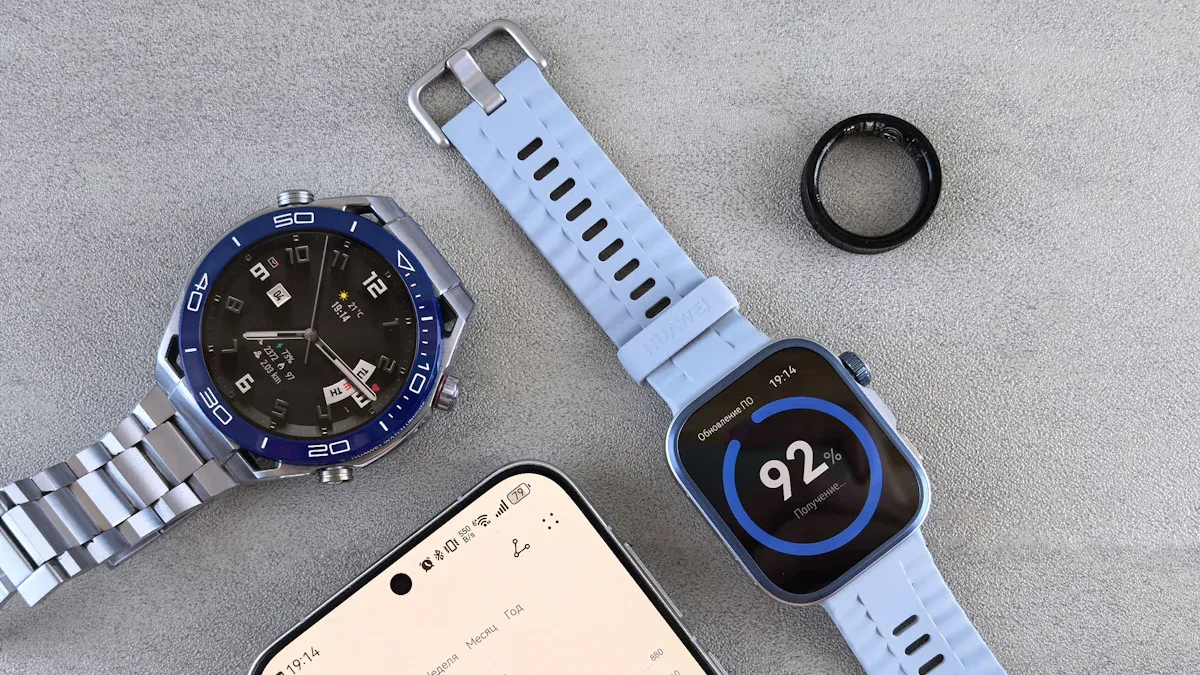
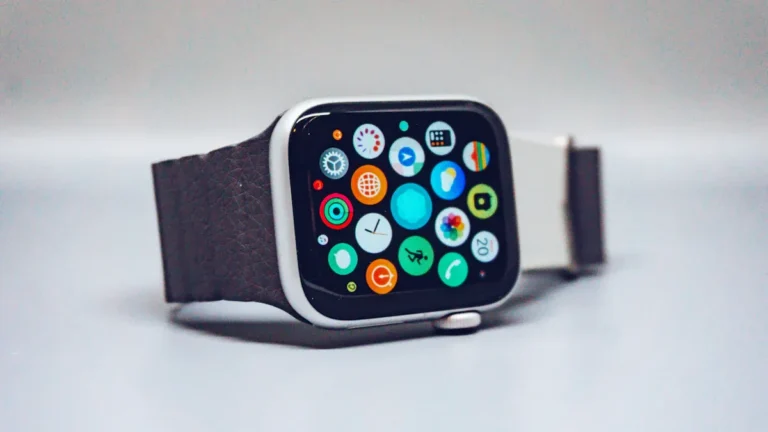
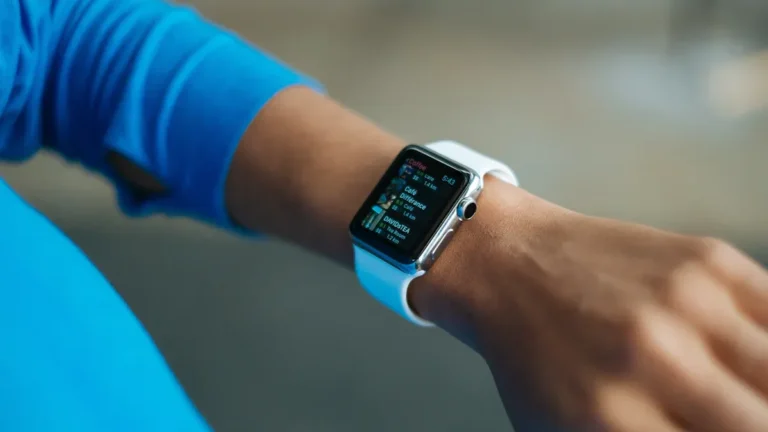
Wearables are devices you can wear on your body to monitor your health and fitness. They help you track various health metrics, making it easier to manage your well-being. These devices range from simple fitness trackers to advanced medical gadgets. They continuously collect data, allowing you to gain insights into your health without interrupting your daily activities.
Types of Wearables
There are several types of wearable devices available today. Here’s a quick overview:
Type of Wearable Device | Description |
|---|---|
Fitness Trackers | Devices that monitor physical activity and health metrics. |
Smartwatches | Multifunctional devices that can track health metrics and provide notifications. |
Wearable and Ingestible Sensors | Devices that can monitor various physiological parameters. |
Each type serves a unique purpose, but they all share the goal of enhancing your health monitoring experience.
Role in Health Monitoring
Wearable health technology plays a crucial role in continuous health monitoring. Unlike traditional methods that only capture data at specific intervals, wearables provide real-time data streaming. This means you receive immediate feedback on your health metrics, which can lead to timely interventions. For instance, if your heart rate spikes, your device can alert you right away, allowing you to take action.
Moreover, these devices empower you to take charge of your health. With the insights they provide, you can make informed decisions about your lifestyle. Whether you want to improve your fitness or manage a chronic condition, wearables can help you stay on track.
How Wearables Use AI
AI Algorithms in Action
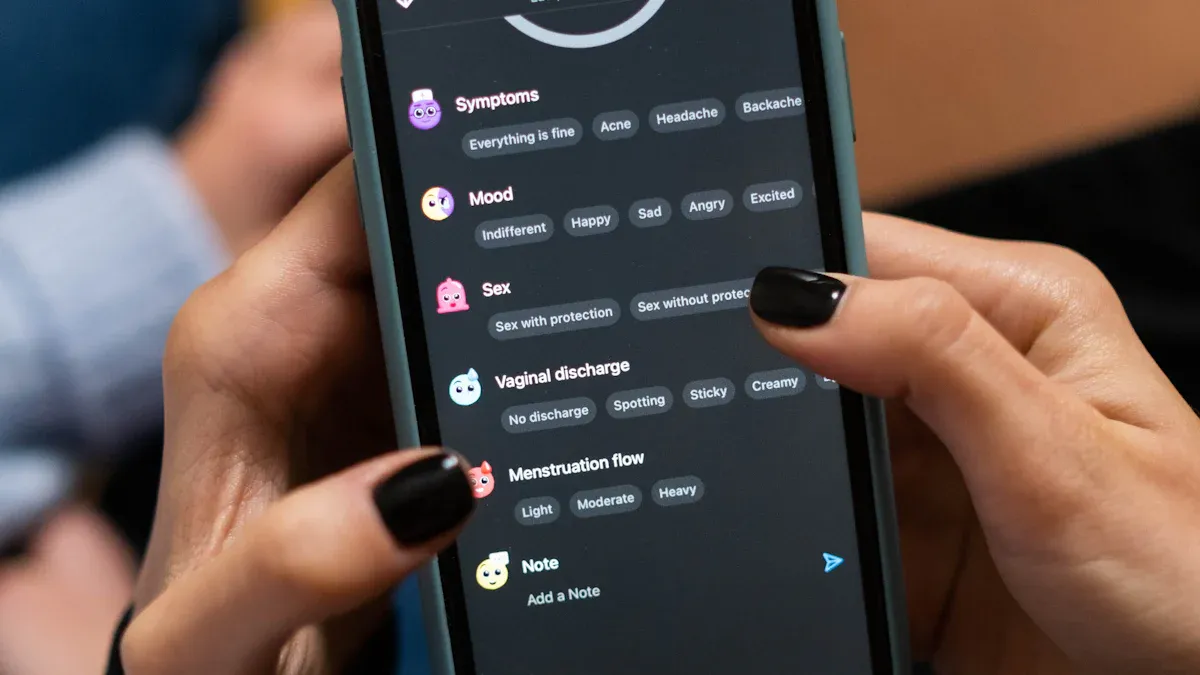
Wearables use AI to analyze the data they collect, providing you with valuable insights into your health. Various AI algorithms play a crucial role in this process. Here’s a quick look at some of the main types of algorithms used in wearable devices:
AI Algorithm Type | Description | Applications |
|---|---|---|
Machine Learning (ML) | Analyzes extensive data from wearable devices to identify patterns and predict outcomes. | Predicting chronic diseases (e.g., diabetes, cardiovascular issues) and monitoring conditions like Parkinson’s and multiple sclerosis. |
Deep Learning (DL) | Utilizes multi-layered neural networks to find intricate patterns in large datasets. | Early detection of chronic diseases, analysis of ECG data, and identification of sleep apnea and epilepsy symptoms. |
Neural Networks (APT and AROMA) | APT emulates biological sensory neurons; AROMA uses deep multi-task learning for activity recognition. | Applications in robotics, smart prosthetics, and recognizing human activities without predefined rules. |
These algorithms help detect anomalies in your health data. For instance, if your heart rate suddenly spikes, the wearable can alert you immediately. This real-time anomaly detection allows you to seek medical advice promptly, ensuring you stay on top of your health.
Real-Time Data Processing
Real-time data processing is another key feature of wearables that enhances your health insights. These devices continuously monitor your health metrics, providing immediate feedback. This means you don’t have to wait for a scheduled check-up to learn about your health status. Instead, you receive timely updates that can lead to proactive health management.
Here are some benefits of real-time data processing:
Diagnostic Accuracy: Real-time detection of variances in health metrics improves diagnostic accuracy by combining data from various sensors.
Targeted Interventions: Enhanced insights lead to more targeted interventions and personalized treatment programs.
Machine Learning: ML approaches allow for precise interpretation of complex datasets, improving health assessment accuracy.
For example, the average latency for blood pressure monitoring is about 7.23 minutes, while peripheral oxygen saturation monitoring takes around 4.35 minutes. These quick responses help you make informed decisions about your health without unnecessary delays.
Data Collection for Personalized Insights
Wearables collect a variety of health data to provide you with personalized insights. Understanding what data these devices gather can help you appreciate their role in your health journey. Here are some common types of data collected by wearables:
Sleep: Track your sleep patterns, including duration and quality.
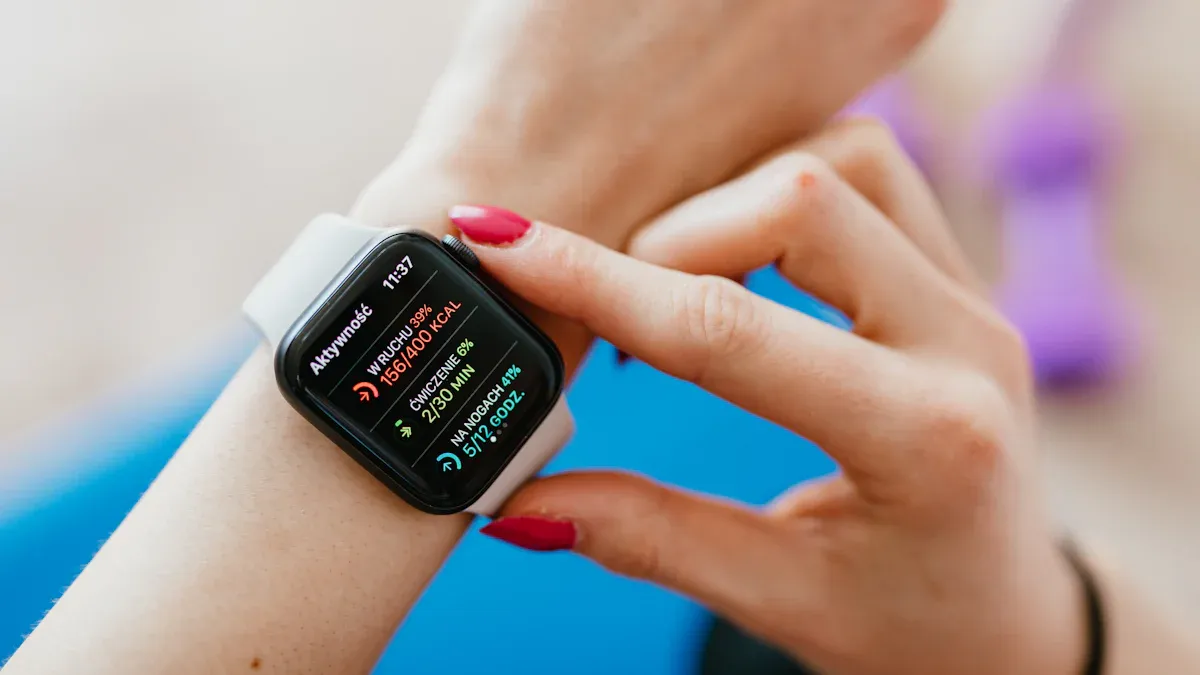
Physical Activity: Monitor your daily movements, such as steps taken and calories burned.
Heart Health: Measure vital metrics like heart rate and heart rate variability (HRV).
Other Physiological Metrics: Gather data on respiratory rate, skin temperature trends, and sleep stages.
These metrics allow wearables to offer you tailored insights that can enhance your health management. For instance, if your device notices a decline in your sleep quality, it can suggest lifestyle changes to improve your rest.
Importance of Accurate Data
Accurate data is crucial for effective personalized health monitoring. When wearables collect precise information, they can provide you with reliable insights. Here’s why accuracy matters:
Patient Management: Inaccurate data can lead to misdiagnoses, resulting in delayed or inappropriate treatment plans.
Treatment Accuracy: Poor data quality can cause healthcare providers to make suboptimal decisions based on misinterpreted results.
Patient Safety: Errors in medication administration and dosage miscalculations can lead to adverse reactions and life-threatening situations.
Comprehensive Patient Management: Incomplete records hinder the development of personalized treatment plans and effective care coordination.
To ensure accuracy, modern wearables utilize advanced sensors that monitor various physiological parameters. They also implement proper data validation processes to maintain the reliability of the information collected. However, keep in mind that while wearables generally provide accurate resting heart rate measurements, their precision can decline during physical activities due to factors like motion and sweat.
As you engage with your wearable device, remember that the insights it provides depend heavily on the quality of the data it collects. By understanding the importance of accurate data, you can make the most of your wearable’s capabilities for real-time health monitoring.
Benefits of Personalized Health Monitoring
Improved Health Outcomes
Personalized health monitoring can significantly enhance your health outcomes. When wearables provide tailored insights, they help you make informed decisions about your health. For instance, studies show that interventions combining health behavior models with personalized coaching yield better results. These tailored approaches lead to more effective management of chronic conditions and overall health improvement.
Here are some key benefits of personalized health monitoring:
Targeted Interventions: With real-time data, you can receive alerts about your health metrics. If your heart rate spikes or your activity levels drop, your wearable can prompt you to take action. This immediate feedback can prevent potential health issues before they escalate.
Behavior Change: Personalized insights encourage you to adopt healthier habits. When you see how your daily choices impact your health, you’re more likely to stick to your goals. For example, if your device tracks your sleep patterns and suggests adjustments, you may find it easier to improve your rest.
Proactive Care: Wearables enable you to engage in preventive care. By continuously monitoring your health, these devices help you identify trends and make adjustments before problems arise. This proactive approach can lead to improved patient outcomes and a healthier lifestyle.
Enhanced User Engagement
Wearables also boost your engagement in health management. When you receive personalized feedback, you feel more connected to your health journey. This connection fosters a sense of responsibility and motivation to stay on track.
Consider these points about how wearables enhance user engagement:
Real-Time Feedback: AI-enabled wearables adapt to your individual needs, providing real-time insights that keep you informed. This ongoing interaction helps maintain your interest and commitment to your health goals.
Tailored Experiences: Personalized machine learning models outperform generalized ones. When wearables offer customized onboarding experiences, you’re more likely to trust the device and use it consistently. This trust leads to long-term engagement and better health management.
Meaningful Interactions: Continuous data collection allows wearables to provide meaningful feedback. This feedback translates complex data into actionable insights, making it easier for you to understand your health. As a result, you’re more likely to adhere to health recommendations and make lasting changes.
Future Trends in Wearables and AI
As technology evolves, wearables are set to become even more sophisticated. You can expect exciting innovations that will change how you monitor your health. Here are some emerging technologies that will shape the future of wearable devices:
Bioresorbable electronics: These devices can be inserted into your body and will dissolve after serving their purpose, providing both sensing and therapeutic functions.
Predictive wearables: These gadgets will analyze your data to identify patterns in health events, giving you early warnings for preventative care.
Smart clothing: Imagine wearing clothes with integrated sensors that make health monitoring seamless and comfortable.
Smart implants: These devices will offer continuous monitoring with greater accuracy than traditional wearables.
Smart contact lenses: New technology will allow these lenses to monitor conditions like glaucoma, providing real-time insights.
Additionally, transient electronic systems will dissolve after use, ensuring that they work in harmony with your body. This means you can enjoy the benefits of health monitoring without the hassle of removing devices.
New sensor technologies are also enhancing the capabilities of wearable health devices. Here’s how:
Non-contact cardiac measurement techniques: These allow for accurate monitoring without direct skin contact, making it more comfortable for you.
Flexible, skin-like sensors: Designed for fragile patient populations, these sensors enable continuous tracking of vital signs with minimal invasiveness.
Multimodal systems: These combine chemical and physical measurements, enhancing the functionality of your wearable devices.
With these advancements, wearables will provide you with more accurate and comprehensive health data than ever before.
Advancements in Health Monitoring
AI plays a crucial role in the future of health monitoring through wearables. Here are some projected advancements:
Better data interpretation: AI will help interpret complex data from various sensors, leading to improved health monitoring and diagnostics.
Continuous health monitoring: Wearables will allow for a comprehensive understanding of your health metrics, enabling earlier treatment interventions.
Integration with medical devices: The convergence of consumer wearables and medical devices will empower you with more personal health data, enhancing your health management.
Companies are already working on addressing current limitations in wearable health monitoring. For instance, WHOOP collaborates with research institutions to gather diverse physiological datasets, improving model accuracy. Apple regularly updates its ECG analysis algorithm to maintain accuracy, while Medtronic uses hybrid AI in its glucose monitoring systems to reduce false alarms.
As these technologies and advancements unfold, you can look forward to a future where wearables provide even more personalized and actionable health insights.
In summary, AI plays a vital role in enhancing personalized health insights through wearables. These devices not only track your health metrics but also provide tailored notifications and reminders based on your routines. Here are some key benefits of using AI-powered wearables:
AI personalizes your health experience by suggesting optimal times for activities like exercise and medication.
Continuous monitoring allows for timely interventions, especially for chronic conditions.
You gain insights into your health, empowering you to manage conditions like sleep and stress effectively.
By adopting this technology, you can shift from reactive visits to proactive care, improving your overall health management. So, consider integrating wearables into your daily routine for a healthier future! 🌟
FAQ
What types of data can wearables track?
Wearables can track various data, including heart rate, physical activity, sleep patterns, and even stress levels. This information helps you understand your health better and make informed decisions.
How accurate are wearable devices?
Most wearables provide reasonably accurate data for resting heart rates and daily activity. However, accuracy may decline during intense physical activities due to factors like motion and sweat.
Can wearables help manage chronic conditions?
Yes! Wearables can monitor health metrics related to chronic conditions, alerting you to any concerning changes. This proactive approach allows for timely interventions and better management of your health.
Do I need to charge my wearable device often?
Battery life varies by device. Some wearables last several days, while others may need daily charging. Check your device’s specifications to understand its battery requirements.
Are wearables safe to use?
Generally, wearables are safe for most people. However, consult your healthcare provider if you have specific health concerns or conditions before using these devices.