
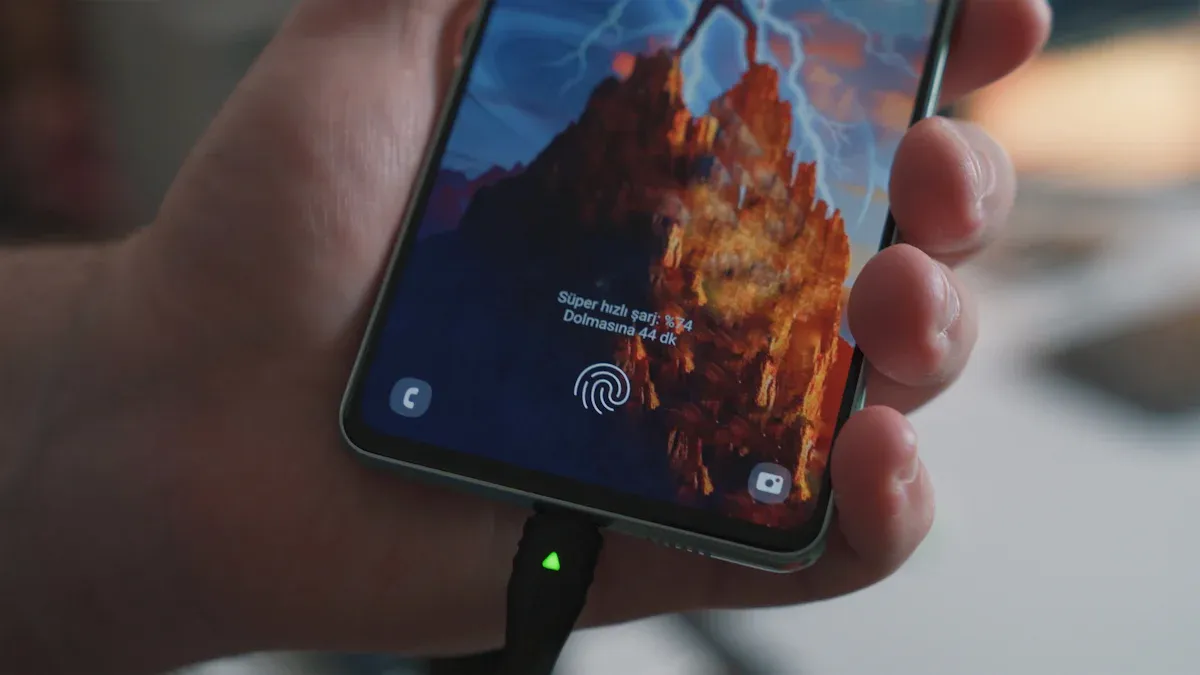
Power banks are portable battery chargers that provide an extra boost for your devices when you need it most. They play a crucial role in fast charging, allowing you to power up your smartphone or tablet quickly. In today’s mobile-centric world, the demand for power banks has surged. Market research shows that the global power bank market was valued at USD 13.48 billion in 2022 and is projected to reach USD 31.06 billion by 2030. This growth reflects your increasing reliance on smart devices and the need for convenient charging solutions while on the go.
Key Takeaways
Power banks store energy in milliampere-hours (mAh). Higher mAh ratings mean more charges for your devices.
Fast charging protocols like Qualcomm Quick Charge and USB Power Delivery help charge devices quickly. Choose a power bank that supports these for faster results.
When selecting a power bank, consider its capacity, size, charging speed, and safety features to meet your needs.
Regularly charge your power bank and avoid overcharging to maintain battery health and longevity.
Use the right charger for your power bank to ensure efficient charging and prevent damage.
What are Power Banks?
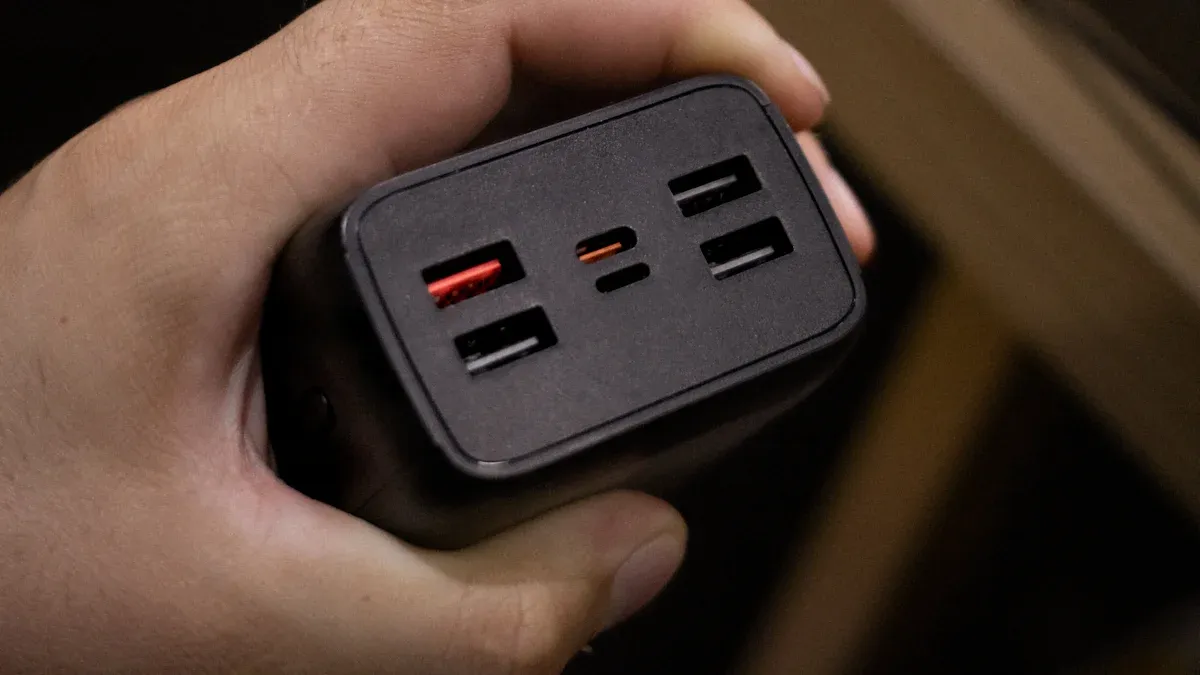
Power banks are portable chargers designed to supply power to electronic devices like smartphones and tablets. They store electrical energy in battery cells and release it to charge your devices when needed. The charging process for a power bank resembles that of a cell phone. You connect it to a power source to store energy for later use. This functionality makes power banks essential for anyone who relies on their devices throughout the day.
Power Bank Capacity
The capacity of a power bank is measured in milliampere-hours (mAh). This measurement indicates how much charge a power bank can store. For example, a 10,000mAh power bank can theoretically deliver 10,000 milliampere-hours of charge. However, actual usable capacity is often lower due to energy losses during charging. Higher capacity allows you to charge multiple devices, which is particularly useful when a power source is unavailable.
Here’s a quick overview of common power bank types and their capacities:
Type of Power Bank | Capacity Range | Primary Purpose |
|---|---|---|
Small capacity | ≤5000mAh | Suitable for daily travel and commuting emergencies; highly portable. |
Medium capacity | 5000-20000mAh | Most common type; practical for travel, can charge a mobile phone 2-3 times. |
Large capacity | ≥20000mAh | Best for long-distance travel or outdoor activities; can charge a mobile phone 3-5 times. |
Standard power banks | 5W-10W | Basic charging functions; slower charging speed. |
Fast charging power banks | 18W-65W and above | Reduces charging time significantly; compatible with more devices and protocols. |
Fast Charging Protocols
Fast charging protocols enable power banks to charge devices more quickly. These protocols determine how much power a power bank can deliver to your device. Here are some key points about fast charging:
Power banks can charge devices faster based on the types of ports and wattage output.
USB-C ports with Power Delivery can deliver up to 240 watts, enabling fast charging.
For fast phone charging, a power bank should output around 18 watts or more.
Different fast charging protocols exist, each with unique features. Here’s a comparison of some popular protocols:
Protocol | Description | Output | Applicability |
|---|---|---|---|
Power Delivery (PD) | A fast charging standard established by the USB Implementers Forum. | Up to 100W via USB-C | Phones, Switches, laptops |
Quick Charge (QC) | A fast charging protocol developed by Qualcomm. | Varies by version | Commonly found on most Android phones |
Understanding these protocols helps you choose a power bank that meets your charging needs. With the right power bank, you can enjoy fast charge functionality, ensuring your devices stay powered throughout the day.
Choosing the Right Power Bank
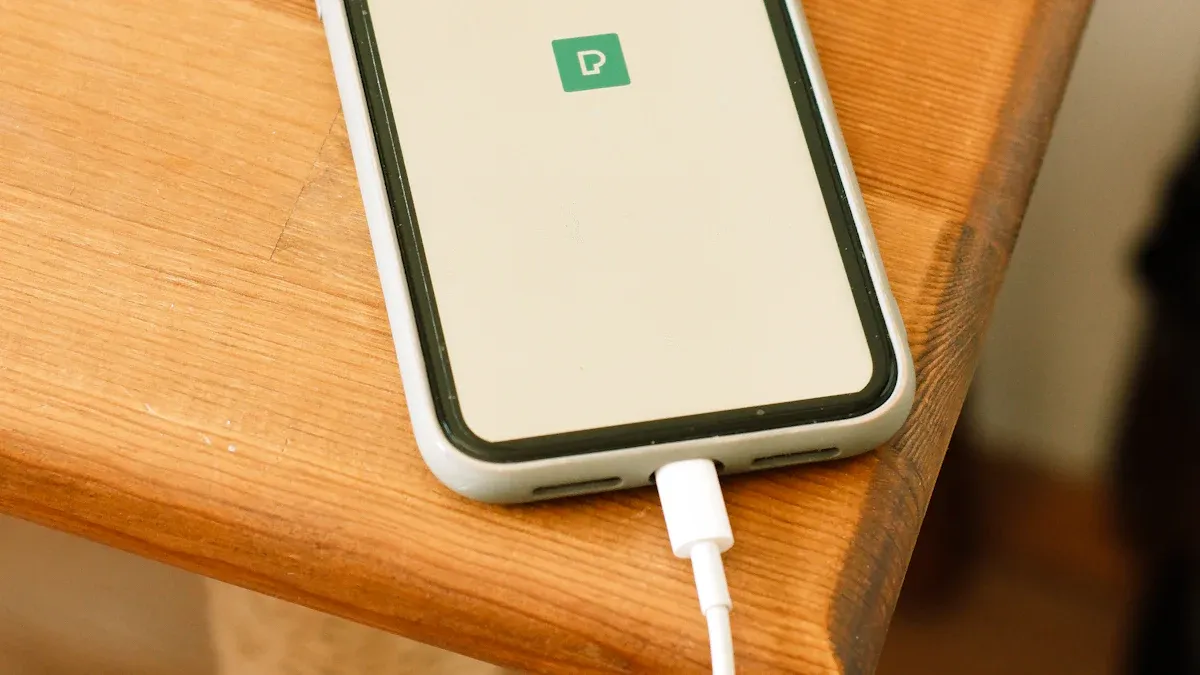
When selecting a power bank, you should consider several factors to ensure it meets your needs. Here are some key points to keep in mind:
Battery Capacity: Measured in mAh, this determines how much charge the power bank can store. A higher capacity is better for charging multiple devices or for frequent travel.
Portability and Size: Smaller, lightweight options are ideal for everyday use. Larger power banks may offer more capacity but can be bulkier.
Number of USB Ports: More ports allow you to charge multiple devices simultaneously, which is very convenient.
Speed of Charging: Higher output current levels lead to faster charging. Look for power banks that support fast charging technologies.
Additional Features: Consider features like LED indicators for battery level, built-in cables for convenience, and solar charging for outdoor use.
How to Charge a Powerbank
Charging a power bank is straightforward. Follow these steps to ensure efficient charging:
Use a Compatible Charger: Always use a charger that matches the power bank’s specifications. This helps maintain the charging speed and protects the battery.
Connect the Power Bank: Plug the power bank into the charger using the appropriate cable. Most power banks use a USB cable.
Monitor the Battery Level: Many power banks have LED indicators that show the battery level. This helps you know when your power bank is fully charged or needs charging.
Avoid Overcharging: Unplug the power bank once it is fully charged. Overcharging can damage the battery and reduce its lifespan.
To maximize the efficiency of charging a power bank, consider these tips:
Charge when the battery level drops to around 20-30%.
Store the power bank in a cool, dry place to maintain battery health.
Use the original or certified charging cable to avoid compatibility issues.
Safety Features
Safety features are crucial when choosing a power bank. They protect both the power bank and your devices. Here are some common safety features to look for:
Overcharge and Overheat Protection: This feature prevents the battery from overheating and degrading by stopping charging when full.
Short-Circuit Protection: This cuts off the circuit if the power bank contacts metal objects, preventing potential hazards.
Clear Battery Specs: Look for power banks that clearly display capacity, voltage, and fast charging protocols. This transparency helps you understand the product better.
High-Quality Battery Cells: Choose power banks that use reputable manufacturers like Samsung or LG. Quality batteries last longer and perform better.
Reliable Brand Reputation: Purchase from brands that offer warranties and safety certifications. This ensures you get a quality power bank.
By considering these factors, you can choose a power bank that not only meets your charging needs but also keeps your devices safe.
Best Practices for Power Bank Use
To get the most out of your power bank, follow these best practices for maintaining battery health and troubleshooting common issues.
Tips for Maintaining Battery Health
Charge your power bank periodically. This prevents deep discharging, which can harm the battery.
Keep your power bank away from moisture. Moisture can damage its internal components.
Avoid using your phone while it is plugged into the power bank. This prevents excess heat generation.
Do not use your power bank in high-heat environments. High temperatures can lead to battery damage.
Handle your power bank with care. Physical damage can affect its performance.
Additionally, follow these guidelines:
Store your power bank in a cool, dry place to maintain performance.
Avoid overcharging your power bank. Unplug it once it is fully charged.
Clean the charging ports and cables regularly to ensure a good connection.
For optimal performance, charge your power bank to about 90%. Full charges can stress the battery. Also, avoid discharging it completely; partial discharges are better for battery longevity.
Troubleshooting Common Issues
Sometimes, you may encounter problems with your power bank. Here are some common issues and how to resolve them:
If your power bank is not charging your device, check the cable and adapter first. Often, the issue lies with these accessories.
If the power bank itself doesn’t recharge, inspect the input and output ports for dust or damage. Clean them gently with a soft brush or compressed air.
If charging is too slow, verify that you are using a compatible charger. A wall adapter that delivers insufficient voltage can cause slow charging.
If the indicator lights are not working, reset your power bank if it has a reset function. This can help restore normal operation.
By following these best practices, you can ensure your power bank remains in good condition and serves you well when you need it most.
Understanding power banks and fast charging technology is essential for anyone who relies on their devices. Here are some key takeaways:
The capacity of a power bank affects its energy storage and delivery capabilities. Higher ratings lead to faster charging.
Compatibility with fast charging protocols, like Qualcomm Quick Charge and USB Power Delivery, is crucial for optimal speeds.
Various fast charging standards exist, each with different technologies and power outputs.
When choosing a power bank, consider specifications such as capacity, portability, charging speed, safety features, and brand reputation:
Specification | Description |
|---|---|
mAh | Indicates capacity; higher means more charges. |
Volts (V) | Measures electrical pressure; typically 3.7V for cells and 5V for USB output. |
Amps (A) | Measures current flow; higher means faster charging speeds. |
Watt-hours (Wh) | Total energy storage calculated from mAh and voltage. |
By keeping these factors in mind, you can make informed choices that suit your charging needs.
FAQ
What is the difference between a standard power bank and a fast charging power bank?
A standard power bank charges devices slowly, typically at 5W-10W. In contrast, a fast charging power bank delivers higher wattage, often 18W or more, allowing for quicker charging times.
Can I use any charger to charge my power bank?
You should use a charger that matches your power bank’s specifications. Using an incompatible charger can lead to slower charging or even damage the power bank.
How long does it take to charge a power bank?
Charging time varies based on the power bank’s capacity and the charger used. Generally, it takes 4 to 8 hours to fully charge a power bank.
Is it safe to leave my power bank plugged in overnight?
While many power banks have overcharge protection, it’s best to unplug them once fully charged. This practice helps maintain battery health and longevity.
Can I charge multiple devices at once with a power bank?
Yes, many power banks come with multiple USB ports, allowing you to charge several devices simultaneously. Just ensure the total output meets the requirements of all connected devices.
