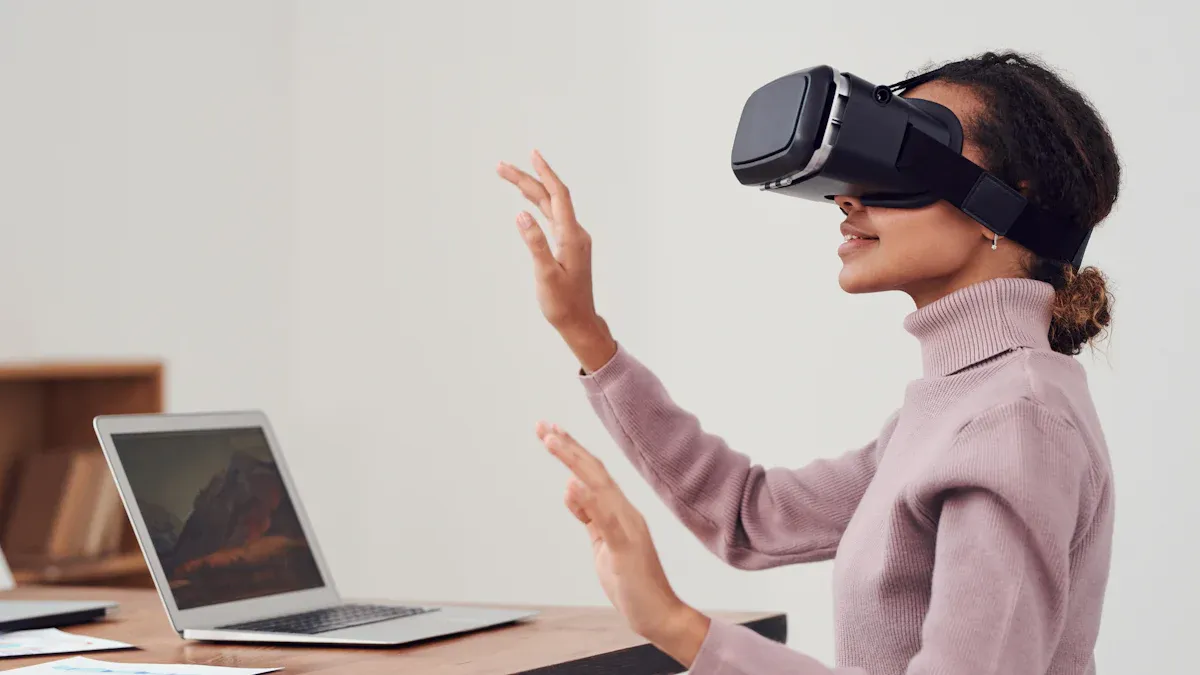
VR headsets are devices that transport you into a virtual world, creating an immersive experience that feels real. These headsets utilize advanced Virtual Reality Technology to engage your senses, primarily through visual and auditory stimuli. For example, recent research shows that effective sensory alignment between real and virtual worlds enhances your sense of presence in a virtual environment. The simultaneous presentation of visual and auditory cues can even increase relaxation, making the experience more enjoyable. As the global market for VR headsets continues to grow, you will find more opportunities to explore this fascinating Virtual Reality Technology.
Year | Market Size (USD) | Growth Rate (CAGR) |
|---|---|---|
2025 | 20.83 Billion | 26.20% |
2034 | 171.33 Billion | – |
Key Takeaways
VR headsets create immersive experiences by engaging your senses with visual and auditory stimuli.
High-resolution displays and proper lens alignment are crucial for a clear and comfortable VR experience.
Standalone headsets offer wireless convenience, while tethered headsets provide superior graphics but limit movement.
VR technology enhances learning and training by providing interactive and engaging experiences.
Addressing challenges like motion sickness and content limitations is essential for the growth of VR technology.
Components of VR Headsets
Display Technology
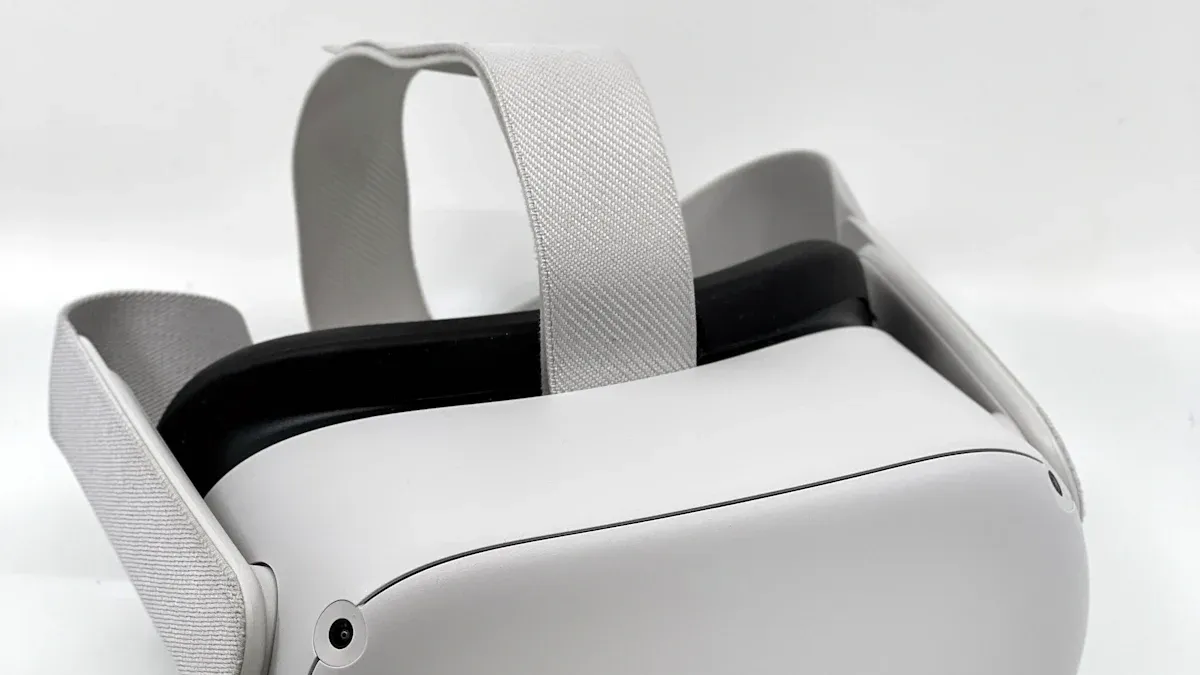
The display technology in VR headsets plays a crucial role in creating immersive experiences. Most modern VR headsets use high-resolution displays to provide clear and vibrant visuals. Here are some key components of display technology:
Component | Contribution |
|---|---|
Display | Provides stereoscopic images for a 3D effect, enhancing depth perception. |
Lenses | Focus images for each eye, enlarging the view and increasing immersion. |
Spatial Audio | Mimics real-world sound directionality, increasing immersion in the virtual environment. |
High display resolution is essential for clarity in VR environments. When you wear a headset, you view images up close. If the resolution is low, you may notice pixelation, which can break the illusion of reality. A higher refresh rate also improves your experience. Refresh rates above 60 Hz reduce flicker and motion-to-photon latency, making movements appear smoother. This is especially important during fast-paced action scenes in games.
Additionally, the lenses in VR headsets help focus the images for each eye. This adjustment enlarges your field of view and enhances the overall immersion. If the lenses are not properly aligned, you might experience discomfort or blurred images. Therefore, many headsets allow you to adjust the interpupillary distance (IPD) to match your eyes, ensuring a comfortable fit.
Motion Tracking
Motion tracking is another vital component of VR headsets. It allows the headset to detect your movements and adjust the visuals accordingly. This technology enhances your interaction with the virtual environment. Here are some common types of sensors used for motion tracking:
MEMS inertial sensors and high-quality IMUs capture and track movements accurately.
Sensor fusion software enhances the accuracy and speed of motion tracking, which is essential for a seamless VR experience.
Systems like 6DoF (Six degrees of freedom) enable precise tracking of user movements, enhancing immersion by mimicking real-world interactions.
Inside-out tracking systems use cameras on the headset to track the environment. This method is portable and easy to set up. However, it can struggle in low-light conditions. On the other hand, outside-in tracking systems rely on external sensors. They offer higher precision and lower latency, making them ideal for high-fidelity applications.
Types of VR Headsets
Tethered Headsets
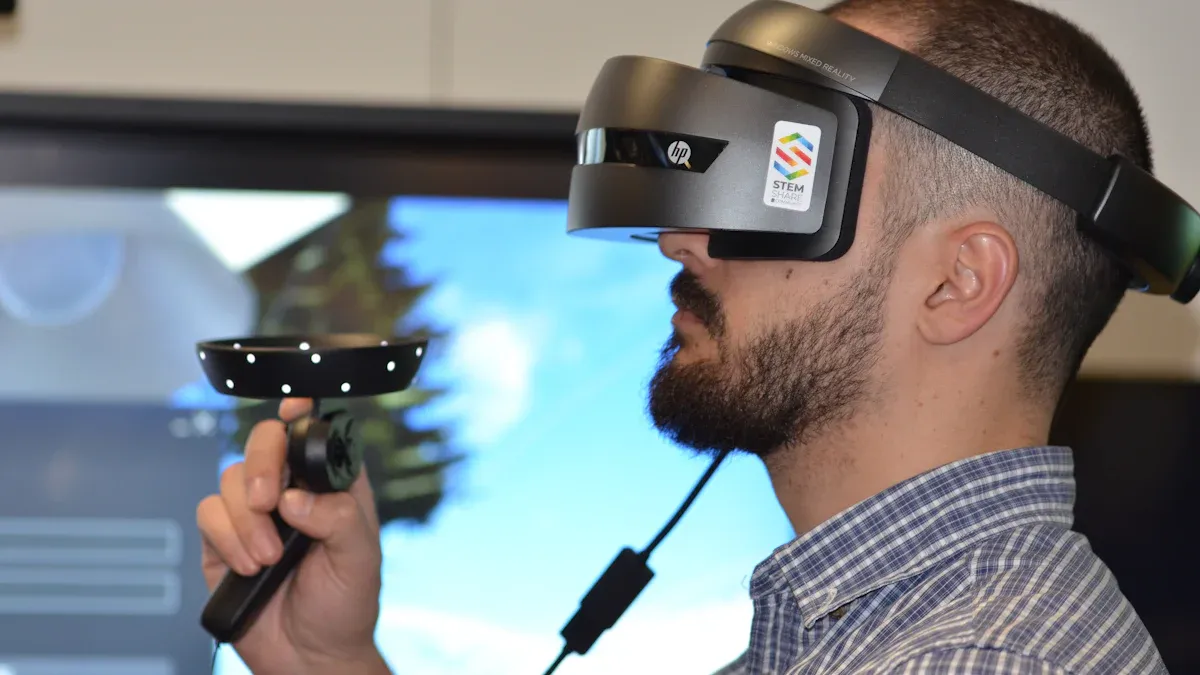
Tethered headsets connect directly to a powerful gaming PC or console. This connection allows you to enjoy high-resolution visuals and minimal latency. You experience superior graphical fidelity, making these headsets ideal for high-fidelity gaming and professional applications. However, tethered headsets come with limitations. You may find your physical movement restricted due to cables. The setup can also be complex and costly.
Headset Type | Hardware Requirements | Performance Characteristics | Limitations |
|---|---|---|---|
Tethered | Requires a powerful gaming PC or console, high-bandwidth cables | High-resolution visuals, minimal latency, superior graphical fidelity | Limited physical movement due to cables, high cost, complex setup |
Standalone Headsets
Standalone headsets are all-in-one devices. They come with built-in processors, memory, and sensors. This design allows you to enjoy wireless convenience and easy setup. You can move freely in a 360-degree space without worrying about cables. However, standalone headsets may have compromised processing power and lower visual quality compared to tethered options. Battery life can also be a concern during extended use.
Standalone headsets support wireless connectivity, enhancing your mobility.
You can engage in active experiences without the constraints of wires.
Mobile Headsets
Mobile headsets utilize your smartphone for display and processing. They offer a low-cost entry point into virtual reality. However, the experience is limited by your phone’s processing power. You may notice lower graphical fidelity and basic tracking capabilities. Most mobile headsets only track head rotation, which limits immersion. Additionally, extended use can drain your phone’s battery quickly.
Limited graphical fidelity due to smartphone constraints.
Basic input methods and comfort issues may arise during long sessions.
Headset Type | Graphics Performance | Latency Performance |
|---|---|---|
Mobile | Limited by smartphone processors | Higher latency due to wireless constraints |
Applications of Virtual Reality
Gaming Experience
Virtual reality has transformed the gaming landscape, offering you an immersive gaming experience like no other. You can step into vibrant worlds and interact with characters and environments in ways that traditional gaming cannot match. Here are some key aspects of VR gaming:
High-quality graphics create stunning visuals that enhance your experience.
Interactive experiences allow you to make choices that affect the game’s outcome.
Multiplayer options enable you to collaborate or compete with friends in real-time.
The revenue from VR gaming continues to grow. In 2024, this segment accounted for the largest share of the gaming market. The rise of social VR gaming has significantly boosted user engagement. You can enjoy compelling narratives that deepen your emotional investment in the game. Additionally, the emergence of VR arcades offers premium experiences, making VR gaming accessible to more players.
Education and Training
Virtual reality is revolutionizing education by providing immersive learning experiences. You can participate in virtual field trips, interactive simulations, and hands-on experiments across various subjects. This technology enhances your understanding and retention of complex concepts. Here are some benefits of using VR for educational purposes:
Cognitive engagement increases as you interact with the material in a meaningful way.
Behavioral engagement stimulates active participation, making learning more enjoyable.
Affective engagement promotes emotional connections, fostering empathy and understanding.
Studies show that VR-based training environments lead to better skill acquisition compared to traditional methods. For instance, one study indicated that participants in VR training had significantly higher self-efficacy and adaptability than those in conventional training. As VR technology continues to evolve, its applications in education will expand, offering even more innovative ways to learn.
Healthcare Applications
In healthcare, virtual reality is making significant strides. Hospitals and clinics use VR for various applications, including medical training, surgical simulations, and patient education. Here are some notable uses of VR in healthcare:
Pain management: VR helps alleviate stress and anxiety, which are critical factors in patient care. Studies have shown that VR can effectively reduce anxiety levels before surgery.
Therapeutic interventions: Virtual reality exposure therapy (VRET) is widely used to treat anxiety-related disorders, demonstrating its effectiveness in clinical settings.
Medical education: VR provides immersive experiences for anatomy studies and skills acquisition, enhancing the training of future healthcare professionals.
The healthcare market for VR is projected to grow significantly in the coming years. North America is expected to lead this growth due to its strong healthcare IT infrastructure. As VR applications expand, you can expect to see more innovative solutions in patient care management and mental health treatment.
Challenges in Virtual Reality Adoption
Cost and Accessibility
Adopting virtual reality (VR) technology comes with significant challenges, particularly regarding cost and accessibility. You may find that high-end VR devices have high initial costs due to their advanced features. Additionally, you might need to invest in additional hardware to support your VR experiences. This can create affordability issues, especially in budget-conscious and developing markets. Here are some factors affecting accessibility:
Developed regions prioritize performance expectancy, benefiting from higher technological knowledge and financial capability.
In contrast, developing regions focus on effort expectancy, where cost-effectiveness is a primary concern.
VR applications face unique accessibility challenges that differ from traditional gaming. A lack of established best practices for accessibility can hinder VR’s use in various regions.
Motion Sickness
Motion sickness is a common issue for many VR users. Approximately 25% of users report experiencing symptoms such as nausea, headaches, and dizziness. Factors contributing to motion sickness include user control, the type of headset, and latency. Here are some common symptoms you might encounter:
Nausea
Sweating
Fatigue
General feelings of imbalance
To combat motion sickness, developers are working on solutions like dynamic field of view restrictors and foveated rendering. These techniques can improve comfort and reduce nausea during VR experiences. Increasing frames per second (FPS) also helps create smoother visuals, which can alleviate motion sickness.
Content Limitations
Creating engaging content for VR platforms presents its own set of challenges. Many developers face obstacles such as high costs and consumer perceptions. A significant portion of the population shows no interest in owning VR headsets, which can lead to decreased demand for VR applications. Here are some challenges developers encounter:
Challenge | Description |
|---|---|
Consumer Perceptions | Many people are hesitant to invest in VR technology, impacting market growth. |
High Costs | Developing VR applications can be expensive, typically ranging from $30,000 to $150,000. |
Latency Issues | Delays in signal transmission can disrupt user experiences, making it a critical challenge. |
VR Sickness | Developers must consider the physical effects of VR sickness when creating immersive experiences. |
Creative Blocks | Developers may face creative blocks that hinder innovation and progress in their projects. |
These challenges can limit the growth and adoption of VR technology, making it essential for developers to address them effectively.
Understanding VR technology is essential as it shapes the future of various fields. Here are some key takeaways to remember:
Low Latency: Aim for less than 20 ms to prevent motion sickness.
High Refresh Rate: Most headsets exceed 90Hz for smoother visuals.
Quality Audio: Enhances immersion, making experiences lifelike.
VR offers exciting applications in gaming, education, and healthcare. It provides immersive experiences that engage users deeply. As you explore VR, consider its potential to spark creativity and innovation.
Type of VR Experience | Impact on Creativity |
|---|---|
Fully Immersive VR | Improves cognitive flexibility and fluency |
Semi-Immersive VR | Encourages innovation |
Non-Immersive VR | Allows exploration through simulations |
Dive into the world of VR and discover its endless possibilities! 🌟
FAQ
What is a VR headset?
A VR headset is a device that immerses you in a virtual environment. It uses displays and sensors to create a 3D experience, allowing you to interact with digital worlds.
How does motion tracking work in VR?
Motion tracking detects your head and body movements. Sensors in the headset capture these movements and adjust the visuals accordingly, enhancing your immersion in the virtual environment.
Can I use VR headsets for gaming?
Yes, VR headsets are popular for gaming. They provide immersive experiences, allowing you to interact with game worlds in ways traditional gaming cannot match.
Are VR headsets safe to use?
VR headsets are generally safe. However, some users may experience motion sickness or discomfort. Take breaks during long sessions to reduce these effects and ensure a comfortable experience.
How much do VR headsets cost?
VR headset prices vary widely. You can find budget options starting around $100, while high-end models can exceed $1,000. Consider your needs and budget when choosing a headset.