When you use a wearable to track stress, you start turning vague anxiety into patterns you can understand. Your heart rate, HRV, sleep, and even skin conductance can hint at when your body’s under strain, but the real value comes from knowing what those signals mean in daily life. The key is learning how to spot what’s normal for you and what’s quietly pushing your stress higher.
What Stress Metrics Wearables Track
Wearable stress trackers usually focus on a few core body signals that change when you’re under pressure. You’ll often see heart rate and heart rate variability, because they show how your body shifts between tension and recovery.
Many devices also watch skin conductance, or electrodermal activity, which rises when sweat glands respond to stress. Some wearables add blood pressure estimates, facial muscle cues, eye movement, or pupil size for a fuller picture.
In higher-end systems, EEG headsets can capture brain activity directly. When you compare metrics, sensor accuracy matters, since each signal picks up different parts of your stress response. That means the best device for you depends on how much detail you want and how comfortably you’ll wear it.
Why Wearables Show Stress Signals
Your body changes in predictable ways when stress rises, and wearables pick up those shifts by reading signals tied to your nervous system.
When you feel pressure, your heart rate may climb, your HRV may drop, and your skin can sweat more, changing conductivity.
Those physiological stress cues also affect breathing, blood pressure, and muscle tension, so wearable sensor signals can reveal patterns you might miss in the moment.
Some devices also notice movement, sleep disruption, or pupil changes to add context.
They don’t judge you; they simply translate hidden body responses into clear feedback.
That helps you understand what’s happening, feel less alone in the experience, and respond earlier with a pause, breath, or reset before stress takes over.
How to Choose a Stress-Tracking Device
When you’re choosing a stress-tracking device, start with the signals that matter most to you: HRV and heart rate for broad stress patterns, EDA or skin conductance for sweat-based stress responses, and extras like sleep, breathing guidance, or blood pressure trends if you want more context.
Then check device compatibility so it works smoothly with your phone and apps you already use. Look at battery life, too, because you’ll get better insight from a device you can wear all day and night.
If you want simple reassurance, choose a band or ring with clear scores. If you want deeper feedback, pick one with haptic prompts or coaching.
Trust the device that fits your routine, so tracking feels supportive, not stressful, and you can feel understood every day.
How to Set Up Stress Tracking Properly
Before you start tracking stress, set a clear baseline so the numbers mean something. Wear your device consistently for a few calm days, ideally at the same times, so your usual patterns show up.
Complete device calibration in the app, check sensor contact, and tighten the band or adjust the ring if readings look erratic.
Turn on privacy settings before you sync anything, and choose what data you’re comfortable sharing. Label stressful events in the app when you can, like meetings or travel, so your history stays useful.
Keep notifications simple at first; you’re building awareness, not chasing perfection. If you wear the device with a routine, you’ll start feeling more connected to your own signals and less alone in them.
How to Read HRV and Sleep Data?
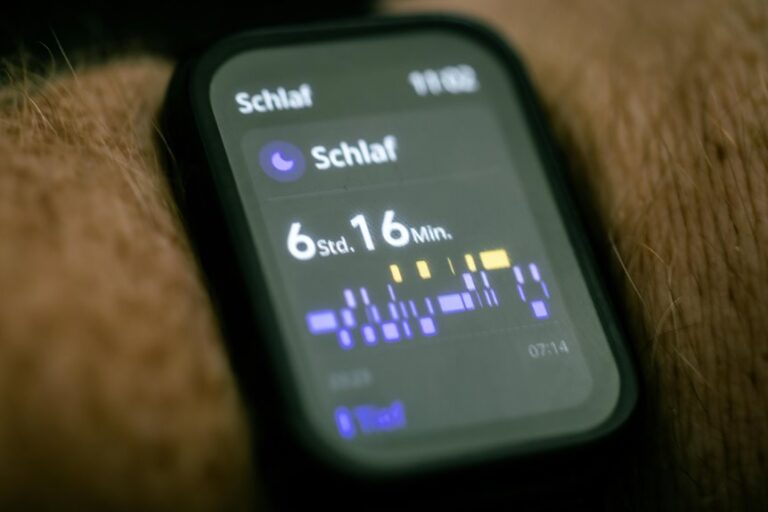
Once your baseline is in place, HRV and sleep data start to tell a clearer story about how your body is handling stress. When your HRV trends higher than usual, you’re often recovering well; when it dips, your system may need more rest. Use sleep stages interpretation to notice whether you’re getting enough deep and REM sleep, not just enough hours. Recovery score meaning can help you read the bigger picture: a high score suggests you’re ready to take on the day, while a lower one invites gentler choices.
- Feel reassured when your numbers improve.
- Feel seen when fatigue shows up early.
- Feel connected when you adjust with kindness.
Don’t judge a single night. Look for patterns across several days, and let your wearable support you, not define you.
How to Spot Stress Triggers in Daily Patterns
You can spot stress triggers by looking for repeated patterns in your day, like certain times, places, or tasks that make your stress markers rise.
Pay attention to situations that consistently affect your heart rate, HRV, skin conductance, or muscle tension so you can connect the change to what’s happening around you.
Over time, these clues help you see not just when you’re stressed, but what’s setting it off.
Identify Daily Stress Patterns
Daily stress patterns often show up in your body before you fully notice them in your mind. When you check your wearable, look for morning stress spikes and weekend recovery patterns, because they can reveal when your system feels safe, rushed, or drained. You’re not broken; you’re learning your rhythm.
- Notice days when your heart rate stays high after waking. That can feel like carrying yesterday into today.
- Watch for low HRV after poor sleep or packed mornings. It often matches that heavy, on-edge feeling.
- Compare calmer weekends with busy weekdays. If your wearable shows recovery, you may finally feel relief.
These patterns help you name what you’re feeling, and that can make you feel less alone.
Track Triggering Situations
When stress keeps showing up in the same moments, your wearable can help you spot the trigger instead of just the symptom.
You can review timestamps alongside your calendar, commute, meals, or meetings to see what tends to come before tension. Look for trigger location cues, like a packed train, a noisy office, or a certain store, and note how often they appear.
Over time, you’ll identify recurring environments that seem to drain you, even if the cause isn’t obvious at first. This isn’t about blaming places or people; it’s about understanding your day with more kindness.
Once you name the setting, you can plan a small change, like leaving earlier, taking a quieter route, or asking for space.
Notice Body Response Changes
Your body often gives the first clue that a stress trigger is near. When you notice body sensations like a racing heart, tight shoulders, shallow breathing, or a clenched jaw, pause and ask what changed. Wearables can help you spot these stress cues by tracking heart rate, HRV, skin conductance, and temperature shifts. Over time, you’ll see patterns between meetings, messages, crowds, or lack of sleep and your body’s reaction.
- You feel your chest tighten before a hard conversation.
- Your hands sweat when deadlines pile up.
- Your breathing gets short when you feel left out.
These signals aren’t weakness; they’re your nervous system asking for support. Listen early, and you can choose a walk, a breath, or a boundary before stress grows.
How Wearable Alerts Can Calm Anxiety
Wearable alerts can calm anxiety by catching early stress signals and nudging you before the feeling escalates. You might feel your heart rate climb, your skin react, or your breathing tighten, and an alert gives you a pause to reset.
Good anxiety calming notifications feel supportive, not alarming, so they can prompt a short breath, a quick stretch, or a moment outside. Alert timing strategies matter, too: if the cue comes too late, you’re already overwhelmed; if it comes too often, you may tune it out.
The best devices learn your patterns and speak up when you’re most likely to need help. That steady, discreet guidance can make you feel less alone and more in control during a stressful day.
How to Build Habits From Stress Reports
You can start by reading your stress trends over time, not just the highest spikes, so you spot what repeatedly raises or eases your stress.
Once you notice those patterns, you can turn them into small habits, like taking a walk after tense meetings or using a breathing break before bed.
Small, consistent changes tied to your own data can make your next stress report feel more manageable.
Reading Stress Trends
Spotting stress trends in a wearable isn’t just about noting a bad day; it’s about finding the patterns that repeat. You can use trend comparison to see whether your stress rises after poor sleep, crowded commutes, or long meetings. Start with a weekly baseline, so today’s spike has context and doesn’t feel like a personal failure.
When you read the report, look for steady rises in heart rate, lower HRV, or repeated EDA peaks rather than one-off alerts. That helps you feel less alone, because your body is giving you a story, not a verdict.
- Notice what keeps showing up.
- Trust small shifts, not panic.
- Feel proud that you’re learning your signals.
Over time, those reports can help you understand what’s weighing on you.
Turning Insights Into Habits
Once your stress report starts revealing patterns, you can turn that knowledge into small habits that actually fit your day. If your wearable shows spikes after meetings, you can practice two minutes of breathing before the next one. If evenings look tense, try a short walk or device-guided haptic reset. Keep habit formation simple: pick one cue, one action, and one time.
Pair your wearable data with stress journaling so you can note what happened, how you felt, and what helped. That record makes it easier to spot wins and stay connected to people who understand your goals.
Over time, these tiny adjustments build confidence, reduce reactivity, and help you feel more in control without needing to overhaul your whole routine.
Common Wearable Stress Tracking Mistakes
Even the best wearables can mislead stress tracking when they’re read too literally. You might blame yourself when a spike appears, but often the issue is calibration errors or poor sensor placement, not your mood. Wearables estimate stress from heart rate, HRV, EDA, and movement, so poor fit, sweat, or skipped updates can distort results. Stay grounded by checking context, not just numbers.
- Don’t treat one high reading as a crisis; look for patterns across days.
- Don’t wear the device loosely, because inconsistent contact can warp signals.
- Don’t ignore sleep, caffeine, workouts, or illness, since they can mimic stress.
When you read data kindly, you join a group of people learning to listen to their bodies with more confidence, not fear.
Frequently Asked Questions
Can Wearables Detect Stress Before I Consciously Feel Anxious?
Yes. Many wearables can detect early physiological signals of stress before you consciously feel anxious. They monitor metrics such as heart rate variability, skin conductance, and respiration patterns, then provide timely feedback or coping suggestions.
Do Stress-Tracking Wearables Work During Exercise or Illness?
Yes. During exercise the devices still track physiological signals but rising heart rate and activity make the stress scores less reliable so you should interpret them as exercise recovery information rather than as measurements of psychological stress. When you are sick wearables can detect changes such as elevated resting heart rate and altered heart rate variability but they are not diagnostic tools and should not be used as the sole basis for medical decisions.
How Accurate Are Wearable Stress Scores Compared With Lab Tests?
Wearable stress scores are helpful for tracking patterns, but they are less precise than laboratory assessments. They reliably indicate trends over time, and validation studies show they track real world changes better than they provide definitive clinical diagnoses, especially during periods when your physiology is shifting.
Can I Share My Stress Data With a Therapist or Doctor?
Yes. Review the app or device privacy settings to confirm what will be shared, then export trend charts, screenshots, or a formatted report for your clinician to review. Those materials let your therapist or doctor see patterns over time and discuss targeted strategies.
Will Wearing a Stress Tracker Make Me More Anxious?
Yes, frequent checking can worsen anxiety because real-time stress readings may create a cycle of worry. Limit how often you look at the device, focus on longer-term patterns rather than moment-to-moment numbers, and turn on subtle notifications instead of loud or intrusive alerts.