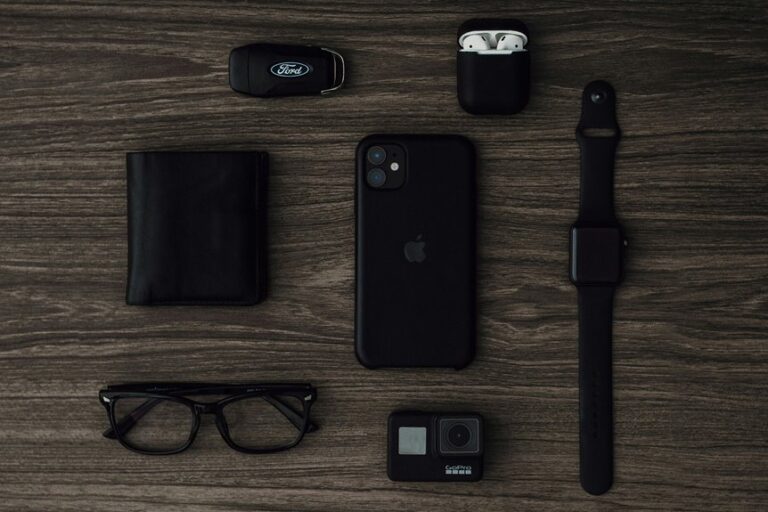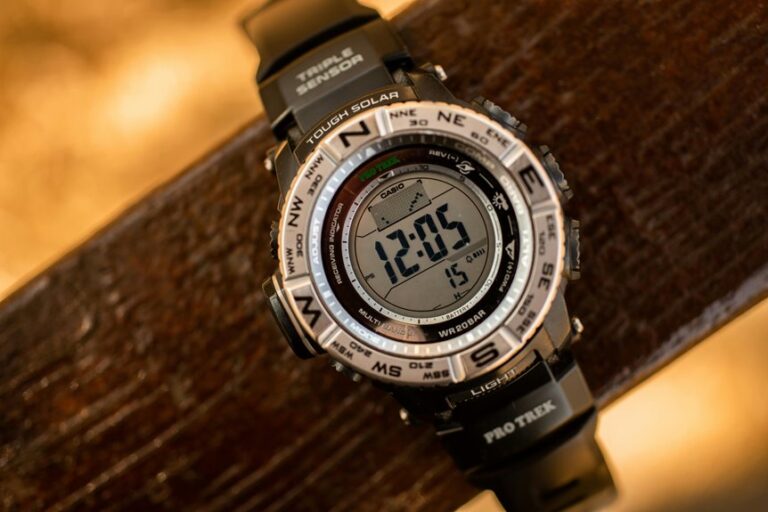
You might think wearable tech is just for fitness fans, but it can give you a sharper view of your health every day. You can track heart rate, sleep, steps, stress, and recovery in real time, then use that data to notice patterns, manage conditions, and share useful updates with your doctor. The real value shows up when these small measurements start guiding bigger decisions.
Key Health Metrics Wearables Track
Wearable tech often gives you a real-time snapshot of your health by tracking key metrics like heart rate, blood oxygen, sleep, stress, and activity levels.
You can use these readings to spot patterns, compare day-to-day changes, and understand how your habits affect performance.
Sensor accuracy matters because reliable data helps you trust alerts and interpret small shifts without guessing.
Metric comparisons across days or weeks can show whether recovery is improving, stress is rising, or sleep quality is slipping.
When you review these numbers together, you join a broader community of people using data to make smarter choices.
That shared insight can help you stay informed, motivated, and confident about your health decisions.
Monitor Heart Rate All Day
You can monitor your heart rate all day with a wearable, so you get continuous tracking instead of isolated readings.
That steady data shows your resting heart rate, which helps you spot baseline changes over time.
It also reveals how your heart responds during activity, giving you a clearer view of cardiovascular demand and recovery.
Continuous Heart Tracking
With continuous monitoring, your wearable captures trends that help you notice patterns in your energy, stress, and recovery. You can compare heart variability across meetings, commutes, and exercise, so you understand what supports your body best.
- Spot unusual spikes sooner
- Compare activity and stress effects
- Build healthier daily routines
- Share clear data with clinicians
- Feel more connected to your health community
This data doesn’t label you; it guides you. When you review your numbers regularly, you join others who use smart tech to stay informed and proactive. Over time, you’ll make decisions with more confidence and less guesswork.
Resting Heart Insights
When your resting heart rate stays visible throughout the day, it becomes easier to spot how sleep, stress, hydration, and recovery affect your body.
You can compare calm baseline readings against later measurements to see whether your system is settling or staying strained.
Over time, resting pulse trends help you notice subtle shifts that might otherwise blend into daily life.
If your numbers run higher than usual for several days, you may need more rest, better sleep, or extra fluids.
If they stay steady, you’re building a clearer picture of normal for you.
This kind of monitoring supports informed choices and helps you feel connected to a broader community of people paying attention to health data.
Activity Heart Changes
As your heart rate changes through the day, a smartwatch or fitness tracker can show how walking, workouts, stress, and recovery affect your body in real time. You can spot activity heart changes early, then compare them with your usual baseline to see when you’re pushing hard or easing back. During exercise, the device tracks intensity, and your exercise pulse recovery reveals how fast your heart settles after effort. That data helps you train smarter, not just harder, and it gives you a clearer sense of where you fit in your own wellness routine.
- See how daily movement shifts your heart rate
- Check workout intensity without guessing
- Notice stress spikes before they build
- Track recovery after intervals or long runs
- Build habits that support your goals
Use Wearables for Better Sleep
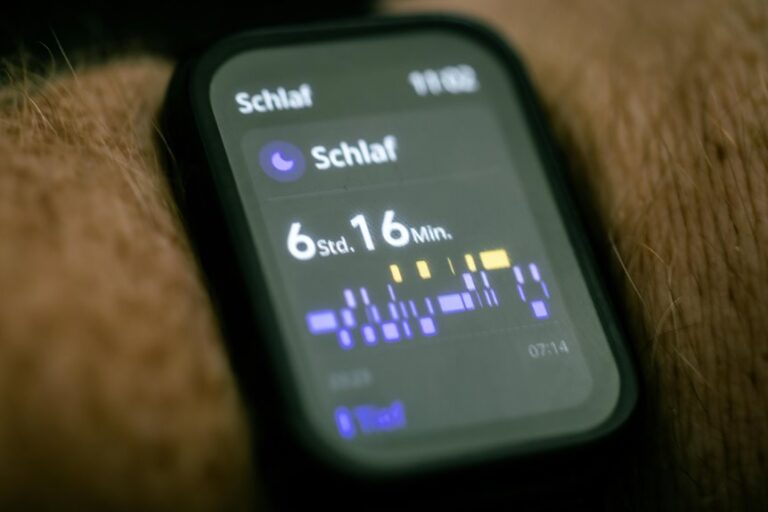
Wearables can track your sleep quality by measuring how long you rest, how often you wake up, and how well you cycle through sleep stages.
You can use that data to spot patterns that affect your sleep, like late workouts, caffeine, or irregular bedtimes.
With those insights, you can make targeted changes that improve your nightly recovery.
Sleep Quality Tracking
Better sleep starts with understanding how your body behaves overnight, and wearables make that easier by tracking sleep duration, stages, and quality in real time. You can see how your sleep cycles shift and how dream patterns may align with lighter or deeper rest.
Smartwatches, fitness trackers, and smart rings use motion, heart rate, and oxygen data to score recovery and flag disruptions. That analysis helps you compare nights, spot trends, and feel part of a data-driven routine.
- Review sleep stages
- Check overnight heart rate
- Note oxygen drops
- Compare weekly recovery
- Spot restlessness patterns
Bedtime Habit Insights
Once you know how long and how well you sleep, the next step is looking at what happens before bed. Your wearable can show when your heart rate drops, when stress stays high, and how your bedtime routines shape recovery. That data helps you spot patterns that support a steadier sleep schedule and makes it easier to adjust small habits that fit your life and your people.
| Habit | Wearable Signal | Insight |
|---|---|---|
| Late screen time | Elevated heart rate | You’re still stimulated |
| Heavy meals | Poor sleep onset | Digestion may delay rest |
| Consistent bedtime | Stable sleep timing | Your body learns rhythm |
| Wind-down period | Lower stress metrics | You’re preparing well |
| Caffeine late | Shorter deep sleep | Recovery can suffer |
Use these clues to build a routine you can actually keep.
Track Activity and Daily Steps
Fitness trackers and smartwatches make it easy to track activity and daily steps by recording movement throughout the day. You can set daily step goals, then see how close you’re to meeting them with clear progress updates. This helps you stay accountable and feel part of a shared health journey. Movement pattern tracking also shows when you’re most active, so you can spot busy periods and long sitting stretches.
- Compare steps by day
- Link walking to calorie estimates
- Spot inactive periods quickly
- Review weekly progress trends
- Celebrate small wins with friends
Measure Stress in Real Time
Smartwatches and smart rings can help you measure stress in real time by tracking heart rate and heart rate variability, which reveal how your body responds to physical and emotional strain.
When your readings shift, you can spot tension early and respond before it builds. Many devices pair those alerts with guided breathing exercises that help you slow your pace, settle your nervous system, and regain focus.
Over time, the data shows patterns in meetings, workouts, travel, or poor sleep, so you can understand what affects you most. That insight supports stress recovery by helping you choose better breaks, adjust routines, and protect your energy.
With consistent use, you’re not guessing; you’re using clear feedback to stay balanced and in control.
Watch Blood Oxygen Levels
Blood oxygen, or SpO2, readings on smartwatches give you a quick view of how well oxygen is circulating through your body.
You can check oxygen saturation trends throughout the day to see how activity, altitude, or sleep affect your levels. This supports respiratory wellness monitoring by helping you notice when your body may need rest, hydration, or a slower pace.
- Track baseline SpO2 at rest
- Compare daytime and nighttime readings
- Spot changes during workouts
- Review long-term patterns in the app
- Share data with your care team
When you watch these metrics regularly, you build a clearer picture of your breathing health and feel more connected to your wellness routine.
Spot Irregular Heart Rhythms
When your smartwatch checks your heart rate and ECG signals, it can flag unusual rhythms in real time and help you spot possible arrhythmias early. You can review ECG rhythm patterns in the app to see whether your heartbeat stays steady or shifts into atrial fibrillation, skipped beats, or other irregularities.
This gives you a clearer picture of what your body’s doing, even when you feel fine. To get the most value, wear the device snugly and record readings when symptoms show up.
Then share the results with your clinician, who can judge arrhythmia notification accuracy alongside your history and medications. When you stay aware, you’re not alone—you’re part of a healthier, better-informed community that watches for warning signs together.
Improve Your Workout Performance
Wearables can track your heart rate during workouts so you can see how hard you’re pushing yourself in real time.
They also give you intensity insights that help you adjust pace, effort, and training zones for better results.
Heart Rate Tracking
- Watch trends, not one-off spikes
- Compare sessions for steady progress
- Notice fatigue before it derails you
- Pair readings with sleep and hydration
- Use app alerts to stay connected
Workout Intensity Insights
Heart rate trends can tell you more than how hard you’re working; they can show whether your effort matches your goal. When you wear a smartwatch or fitness tracker, you get training zone feedback that helps you see if you’re building endurance, pushing speed, or keeping it easy. That clarity supports exercise effort pacing, so you can stay consistent instead of starting too fast.
| Zone | Meaning | Use |
|---|---|---|
| Low | Easy effort | Warm up, build base |
| Moderate | Steady effort | Improve stamina |
| High | Hard effort | Boost performance |
You can use these signals to adjust each session with confidence. Instead of guessing, you train with purpose, stay in sync with others, and make every workout count.
Recovery Time Monitoring
- Spot overtraining before performance drops
- Match workouts to your recovery state
- Compare sleep quality with readiness scores
- Adjust rest days based on real data
- Protect joints, muscles, and long-term progress
You’ll build consistency, recover better, and feel more confident joining intense sessions.
Over time, these insights help you train in sync with your goals and your body.
Manage Chronic Health Conditions
Wearable tech can help you manage chronic health conditions by turning everyday measurements into timely, actionable data.
You can watch heart rate, blood pressure, glucose, and sleep patterns to spot changes before they become bigger problems.
That kind of visibility supports medication adherence because you see how routines line up with real data, not guesswork.
It also strengthens symptom flare tracking, letting you note when stress, poor sleep, or activity shifts affect how you feel.
If you live with diabetes, hypertension, or arrhythmia, these tools help you make sense of trends and share clearer reports with your care team.
You’re not managing alone; your device can help you stay informed, connected, and in control.
Set Health Alerts and Reminders
Once you’re tracking trends in your health, the next step is getting timely prompts that help you act on them. Your wearable can send medication reminders, symptom alerts, and activity nudges that keep you consistent without extra effort.
You’ll stay on schedule, spot changes sooner, and respond before small issues grow.
- Take pills at the right time
- Notice irregular heart rate alerts
- Track sleep, stress, and recovery
- Remind you to hydrate and move
- Flag warning signs for faster action
These alerts work best when you tailor them to your routine. Set quiet hours, choose vibration or sound, and adjust thresholds so your device fits your day. That way, you’re not just collecting data—you’re building a support system that helps you feel informed, connected, and in control.
Share Data With Your Doctor
When you share your wearable data with your doctor, you turn everyday readings into useful clinical context.
You can show patterns in heart rate, sleep, glucose, or blood pressure that a single office visit might miss. This helps your doctor review trends, spot changes early, and adjust care with more confidence. You’re not just sending numbers; you’re building a clearer picture of how your body responds day to day. That can support better decisions about medication, activity, or follow-up timing.
Protect data privacy by using secure app sharing, limiting access, and checking what gets transmitted. When you and your doctor use the same information, you feel more connected to your care team and more involved in your own health journey.
How to Choose a Health Wearable
Choosing the right health wearable starts with the data you actually want to track. You might want heart rate, sleep, glucose, or blood pressure, and each device serves a different need. Smartwatches suit broad monitoring, while fitness trackers focus on activity. If you need medical-grade alerts, check sensor accuracy and app support.
- Compare device compatibility with your phone and health apps.
- Review battery life if you’ll wear it all day.
- Check comfort, since you’ll use it often.
- Weigh budget considerations against the features you’ll actually use.
- Look for easy sharing options so you can stay connected with your care team.
When you choose well, you’ll feel informed, supported, and part of a smarter routine.
Frequently Asked Questions
Can Wearables Detect Dehydration Early?
Yes. Certain wearables can provide early indicators of dehydration and some studies estimate about 75% of adults fall short of recommended daily fluid intake. These devices offer hydration alerts and fluid tracking but cannot on their own diagnose dehydration.
Are Wearable Sensors Safe for Children?
Yes. Choose devices specifically engineered for children that use hypoallergenic materials and soft breathable fabrics. Ensure a correct fit so sensors do not rub or compress the skin, and prefer designs that minimize continuous skin contact. Follow pediatric guidance on wear time and placement to lower risks of skin irritation, heat buildup, and incorrect use.
How Accurate Are Wearable Temperature Readings?
Wearable temperature readings can be helpful for tracking trends, but they are generally less precise than clinical thermometers. Surface measurements are influenced by ambient conditions and sensor placement, so proper calibration and consistent wear are important for reliable comparisons over time.
Can Wearable Data Help Manage Pregnancy Health?
Wearable devices can support prenatal tracking and maternal health by continuously monitoring heart rate, sleep patterns, blood oxygen levels, and core body temperature. These measurements can reveal early deviations from your typical baseline, enable timely discussion with your clinician, and inform care decisions throughout pregnancy.
Do Wearables Work Without a Smartphone?
Yes. Some wearables operate independently when they include built-in GPS, cellular service, or onboard storage and apps. Core functions such as step counting, heart rate monitoring, and sleep tracking continue to work. However, features that depend on a companion app on your phone such as detailed data syncing, software updates, real time notifications, and cloud backup may be reduced or unavailable.