
Balanced headphone cables can make a setup feel tidier, more flexible, and easier to match to the gear already on your desk or in your bag. The right one depends on connector type, length, braid style, and the headphone family it’s built for, so small details matter more than flashy wording.
This roundup helps you sort through long-run replacements for planars, shorter desk cables, and balanced leads for classic Sennheiser models. You get the practical read, not just the label on the package, so your next cable fits the way you actually listen.
Quick Shortlist for Balanced Cable Shoppers
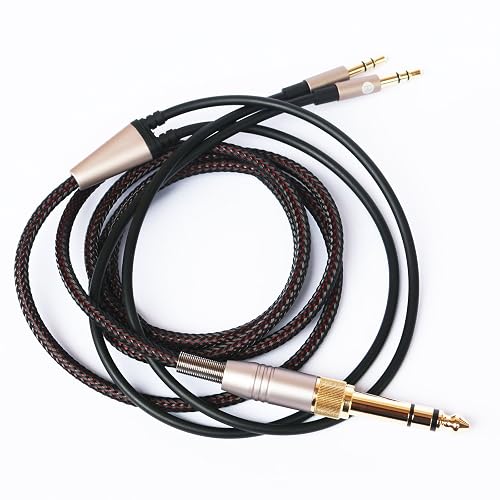
NEOMUSICIA Hifiman Upgrade Cable 3m
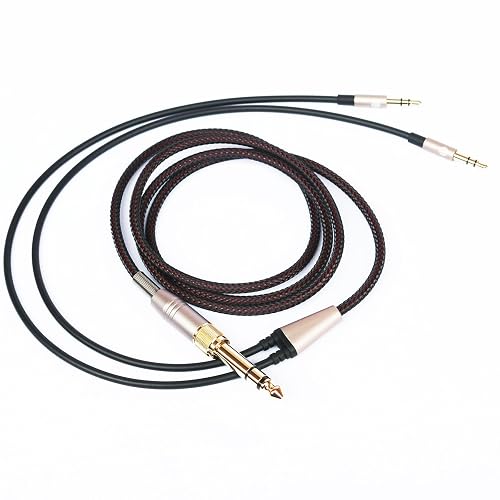
NEOMUSICIA Hifiman Upgrade Cable 1.2m

Hosa HSS-005X2 Pro Stereo Interconnect
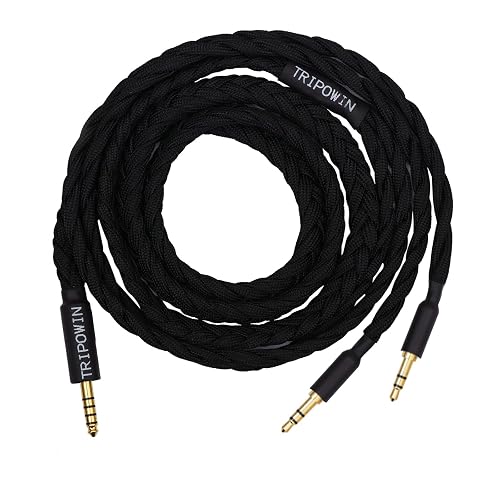
Linsoul Tripowin GranVia 4.4mm Cable
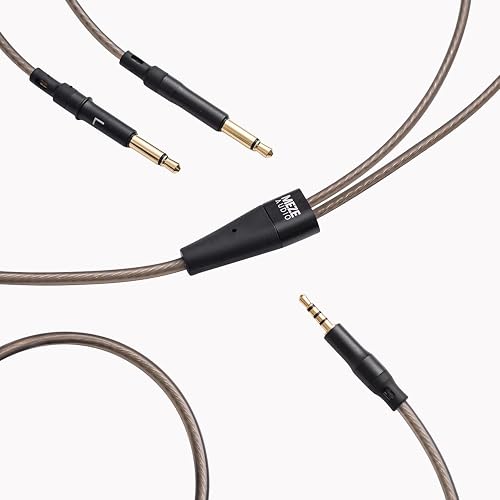
MEZE AUDIO 2.5mm OFC Upgrade Cable

Youkamoo 4.4mm 8-Core Braided Cable
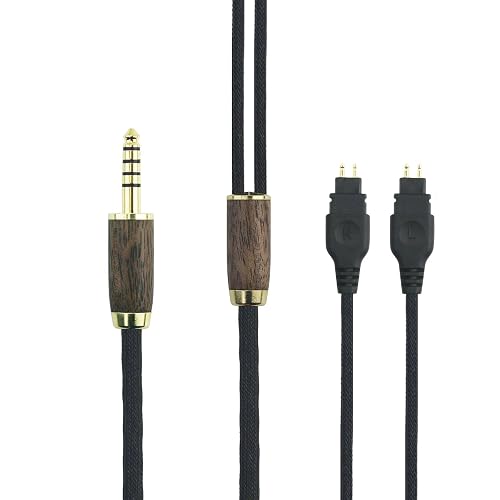
NewFantasia Sennheiser 4.4mm Cable
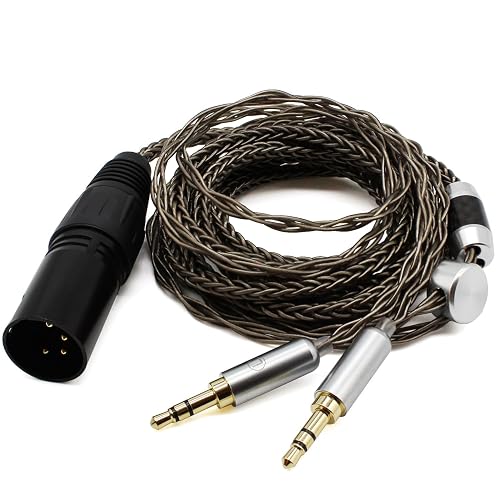
Youkamoo 4 Pin XLR 8-Core Cable
More Details On Our Top Picks
That 3-meter length gives you real room to move, which matters most on a desk setup where the amp sits a little farther away than you planned. The dual 3.5mm ends keep it aligned with several Hifiman planars, so you’re looking at a focused replacement rather than a universal tangle of adapters.
The trade-off is obvious: long cable runs are less convenient for travel, and the extra slack can crowd a small workstation. For home listening, though, the relaxed reach can feel like a small comfort every evening.
Strong Points
- 3-meter length suits wider desk layouts without forcing your gear into an awkward corner.
- Dual 3.5mm terminations make it a direct fit for several Hifiman models.
- The 3.5mm to 6.35mm source side works well for common desktop amps and receivers.
- You get a straightforward replacement path for headphone setups that already use this connector style.
Things To Consider
- That much length can be more cable than you want in a tight room.
- Coiling and storage matter here, since long cables can look messy fast.
- The fit is specific, so mismatched headphone plugs are a no-go.
Feature Snapshot
Who It Suits Best
Desk listeners with Hifiman planars and a bit of distance between chair and gear get the most out of this layout.
Where A Sibling Pick Shines
NewNEOMUSICIA Hifiman Upgrade Cable 1.2m fits better for compact desk spaces where extra slack just gets in the way.
Compared with the longer NEOMUSICIA cable above, this 1.2-meter version is built for tighter listening spots. That shorter reach keeps your desk cleaner and cuts down on cable loops hanging over the edge.
You’ll appreciate that in a compact room or at a laptop station, where a nine-foot lead would just sit folded in a pile. The honest read is that the shorter length feels more deliberate, not less capable.
Positives
- Shorter length keeps a small desk from turning into a cable spill.
- The same Hifiman-friendly connector setup gives it clear compatibility.
- It’s easier to pack than the 3-meter sibling for simple home-to-office movement.
- Less slack usually means quicker setup and fewer snags around chair arms.
Points To Note
- The compact reach can feel limiting beside a floor-standing amp.
- Very small spaces work best, since longer seating distances can strain the length.
Technical Sheet
Whose Shelf It Belongs On
Minimal desk setups and commuters who carry a small audio bag will get the cleanest fit here.
Swap It Out When
NEW NEOMUSICIA Hifiman Upgrade Cable 3m suits listeners who sit farther from their amplifier and want extra reach.
Unlike the Hifiman-focused leads above, this Hosa cable is aimed at balanced line-level gear with dual 1/4-inch TRS connectors. TRS means tip-ring-sleeve, a connector format used for stereo or balanced signals, and that matters in studio-style signal chains.
Five feet is a sensible middle ground for pedalboards, compact racks, or a desktop path between two pieces of gear. You may find the REAN connectors reassuring if you care more about neat routing than flashy styling.
Highlights
- Dual 1/4-inch TRS ends suit a proper balanced interconnect job.
- Five-foot reach lands in a comfortable middle zone for small racks.
- The REAN connector hardware gives the cable a more serious studio feel.
- It works well where clean signal routing matters more than decorative extras.
- Good fit for gear clusters that sit close together on a shelf or desk.
Room For Improvement
- It’s not for headphone earcup connections, so the use case is narrower than the Hifiman items.
- Five feet can feel short in a larger room with spaced-out equipment.
- Studio cabling needs careful labeling, especially in mixed setups.
Core Details
Built With In Mind
Home studio owners and desk-based musicians who route balanced signals between nearby components will feel right at home.
Another Choice May Suit
NEW NEOMUSICIA Hifiman Upgrade Cable 3m is the better fit for headphone owners who need a long lead rather than an interconnect.
That 4.4mm TRRRS plug is the standout here, because it fits a common balanced output format on portable amps and desktop gear. TRRRS means tip-ring-ring-ring-sleeve, a multi-contact connector that supports balanced wiring, and the match matters more than the length on this one.
At 2 meters, it sits between the short NEOMUSICIA option and the longer home-desk lead, so you get room without drowning your lap in extra cord. The black finish keeps things low-key, which suits a setup that already does the talking.
What We Like
- 4.4mm balanced termination suits modern balanced headphone outputs.
- 2-meter length works well for a desk, couch, or portable stack.
- Dual 3.5mm headphone ends keep compatibility centered on selected planars.
- The OFC construction points toward a straightforward, practical build choice.
Areas To Watch
- It only fits headphones using the dual 3.5mm side, so check the jack style first.
- The 2-meter reach can be either just right or slightly short, depending on your layout.
- Balanced gear often needs careful plug matching, especially in mixed systems.
Details At A Glance
Perfect Match For
Planar headphone owners with a balanced 4.4mm source and a desk-to-couch listening routine will get the most out of it.
Skip It When
NEOMUSICIA Hifiman Upgrade Cable 1.2m makes more sense for ultra-small desks where even 2 meters feels generous.
This Meze cable is the most purpose-built pick in the group, because it’s made for the 99 Series rather than for a broad list of unrelated headphones. That narrower fit often pays off in daily use, since you spend less time checking compatibility and more time just listening.
The silver-plated OFC copper line gives it a more premium materials story than the basic replacement options above. The honest trade-off is that it’s a specialist cable, so the value comes from matching the right headphone family, not from broad flexibility.
Upsides
- Made for the Meze 99 Series, so compatibility is focused and clear.
- Silver-plated OFC copper gives it a more refined material mix.
- 1.50 meters suits close listening on a desk or chair-side amp.
- Dual TS mono 3.5mm male connectors align with the stated balanced layout.
Small Caveats
- The specialized fit limits it to the matching headphone family.
- Shorter reach can feel tight in rooms where the amp sits farther away.
- Specialty cabling asks you to store it carefully so the finish stays neat.
Feature Rundown
Right Fit For
Meze 99 owners who want a tidy, purpose-matched balanced lead for a desk or small listening space will get the most from it.
Look Elsewhere When
NewFantasia Sennheiser 4.4mm Cable is a better match for HD600-series headphone owners who need a different family of connectors.
Compared with the simpler Hifiman cables earlier in the list, this Youkamoo model leans harder into a braided, layered build. An 8-core construction usually appeals to people who want the cable to feel a bit more substantial in hand, especially on a desk that sees daily use.
The 4.4mm balanced end makes sense for modern portable players and desktop amps with that output, while the dual 3.5mm headphone side keeps it in the Hifiman family. You may find the extra thickness reassuring, though it can feel less feather-light than a slimmer lead.
Best Bits
- 8-core braided layout gives the cable a more substantial everyday feel.
- Silver-plated wire construction is a strong materials note for the category.
- 4.4mm balanced termination fits many current balanced sources.
- Dual 3.5mm headphone ends keep compatibility centered on HE4XX and HE-400i style setups.
- The weave helps the cable hold a neater shape on a desk.
Softer Spots
- The braided body can feel thicker than a minimal replacement cord.
- Gear with a different balanced output will need another connector style.
- Thicker cables can take up more space in a bag or drawer.
Quick Facts
The Right Fit
Hifiman owners who want a sturdier-feeling cable for desktop listening or portable rigs will likely appreciate this one most.
Where Shoppers Go Wrong
NEOMUSICIA Hifiman Upgrade Cable 1.2m is the cleaner choice for people who want a lighter, shorter cord with less bulk.
The walnut wood shell is the detail that sets this NewFantasia cable apart, and it gives the piece a warmer visual character than the plain black cords in the rest of the roundup. That matters most for people who keep their headphones on a stand and want the cable to look intentional rather than purely functional.
Its 4.4mm balanced male end fits modern balanced sources, while the 200cm length gives you enough space for a relaxed chair-and-desk arrangement. The cable body is 5mm in diameter, and the branch side is slimmer, so the build feels structured without looking clumsy.
Plus Points
- Walnut wood and brass details give it a more distinctive finish.
- 200cm length works well for seated listening near a desk or rack.
- The 4.4mm balanced termination fits common modern balanced outputs.
- 7N OCC copper with silver plating signals a more premium material mix.
- Compatible with a wide set of Sennheiser HD600-series models.
Honest Caveats
- The visual style is more specific than a plain black replacement lead.
- Special finishes deserve gentle handling during storage and cable wraps.
- The cable is tailored to the listed Sennheiser family, so fit is the main gatekeeper.
Spec Overview
Who Should Grab It
Sennheiser HD600, HD650, HD660S, and similar owners who like a more characterful cable for home listening will be drawn to this one.
Reach For A Different Pick When
Hosa HSS-005X2 Pro Stereo Interconnect is the better match for balanced studio gear instead of headphone earcup connectors.
This Youkamoo cable leans into a studio-style 4 pin XLR balanced plug, so it feels closest to a proper desktop chain. XLR is a locking connector format often used in audio racks and balanced headphone amps, and that extra security can matter on a permanent setup.
Its 8-core silver-plated build and 6-foot reach make it a strong fit for people who keep a Hifiman headphone at a fixed listening station. Compared with the 4.4mm Youkamoo above, this one is better for a more traditional amp-and-cable arrangement rather than portable gear.
Reasons To Buy
- 4 pin XLR balanced termination suits desktop headphone amps with that output.
- 8-core silver-plated construction gives it a substantial, structured feel.
- 6-foot length works well for a chair-and-desk listening setup.
- The braided exterior helps the cable hold together neatly in daily use.
- Compatible with HE4XX and the newer dual 3.5mm HE-400i style.
Worth Noting
- XLR gear tends to be more desktop-focused, so portability is limited.
- The fit note matters here, since it does not suit the older dual 2.5mm HE-400i version.
- Thicker balanced cabling can be a little much for minimalist travel kits.
Feature Card
Built For In Mind
Desktop headphone listeners who want a secure XLR termination and a heavier-feeling cable will be the best match here.
Where A Sibling Pick Shines
Youkamoo 4.4mm 8-Core Braided Cable suits more portable balanced setups where a 4.4mm plug is the easier fit.
How To Choose The Right 2 5mm Balanced Headphone Cables
Connector Match Comes First
Balanced cables live or die on connector fit. A 2.5mm balanced plug is only useful when your source or headphone side actually uses that format, while 3.5mm, 4.4mm, 6.35mm, and 4 pin XLR each serve different gear families.
That’s why the exact plug count matters more than broad promises on the box. For most desk setups, the right match saves you from adapters and awkward routing.
Length Changes The Whole Setup
Short leads work best at a laptop or compact desk, because excess slack can snag on armrests and pile up around the keyboard. Longer cables make sense for a couch, rack, or speaker-style layout where the amp sits farther away.
You’ll notice the difference quickly in everyday use. A cable that’s too long feels messy, and one that’s too short feels tense every time you shift position.
Materials And Construction Matter More Than Hype
OFC, or oxygen-free copper, is common in upgrade cables because it gives you a straightforward build story without dressing it up too much. Silver-plated copper, braided cores, and thicker jackets tend to add stiffness, shape retention, or a more premium finish.
The trade-off is comfort and storage. Heavier builds often hold their shape better, while lighter ones are easier to coil and pack.
Match The Cable To Your Daily Routine
Desk listeners usually want a shorter balanced cable with a clean plug path. Home listeners who sit farther back often do better with 2 meters or more, especially with planar headphones that stay connected for long sessions.
Travel-friendly setups usually benefit from slimmer, simpler leads. A cable should support the way you actually sit, move, and store your gear, not fight it.
What To Weigh Before You Spend Up
Common Shopping Slip Ups
The easiest mistake is buying by connector name alone. A 2.5mm balanced cable for one headphone family will not fit another, and source-side plugs need the same care.
Length is the second trap. A cable that looks fine on a product page can feel wrong once it meets your desk, amp, and chair spacing.
The Upgrade Payoff
Higher-tier cables often use more elaborate conductor layouts, plated copper, braided builds, or decorative hardware like wood shells. Those extras usually cost more because they take more material, more assembly steps, and a more specific design target.
That upgrade makes sense when you listen often and want the cable to feel better in hand, sit cleaner on the desk, or match a serious headphone rig. For casual use, a simpler cable is usually enough.
Frequently Asked Questions
What does balanced mean in a headphone cable?
Balanced wiring uses separate signal paths that are designed to reduce interference in compatible gear. It only matters when both the headphone and the source support that layout.
Do all 2.5mm balanced cables fit the same headphones?
No, connector layout on the headphone side can differ even when the source plug looks similar. Check the earcup connector style before you choose a cable.
Is a longer cable always better?
Longer cables help when your amp sits farther away or you listen from a chair across the room. They can feel bulky on a small desk, so extra reach only helps when you really need it.
Why do some cables use 4.4mm or XLR instead of 2.5mm?
Those are different balanced connector formats for different gear. 4.4mm is common on many newer portable and desktop devices, while 4 pin XLR is usually tied to more stationary home setups.
What material should you look for in an upgrade cable?
OFC copper is a common starting point, and silver-plated copper appears in many higher-end options. The best choice depends on fit, length, and how substantial you want the cable to feel.
Closing Thoughts
The right balanced headphone cable is the one that fits your gear, your desk, and the way you actually listen. A Hifiman owner, a Sennheiser fan, and someone running a balanced desktop amp all need different things, even if the shopping terms sound similar. Once the connectors and length line up, the choice gets much easier, and the better cable is usually the one that disappears into your routine instead of getting in the way.