
You’re likely here because a laptop, tablet, or handheld has the right port, but your monitor chain still needs a cleaner handoff. These Displayports To Thunderbolt Adapter picks focus on display output, refresh-rate headroom, and the kind of connector fit that matters on a desk, in a studio, or on the road. Some are built for one screen and simple setup, while others stretch toward dual-monitor work or newer high-bandwidth gear. The right match saves you from wobbly connections, awkward dongles, and monitor settings that feel more complicated than they should.
Quick Look At The Shortlist
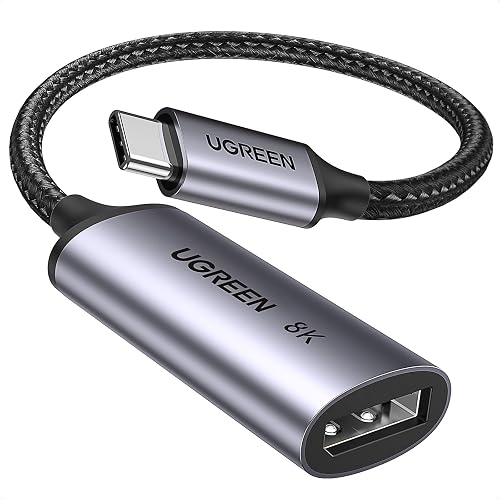
UGREEN USB C to DisplayPort 1.4 Adapter Cable
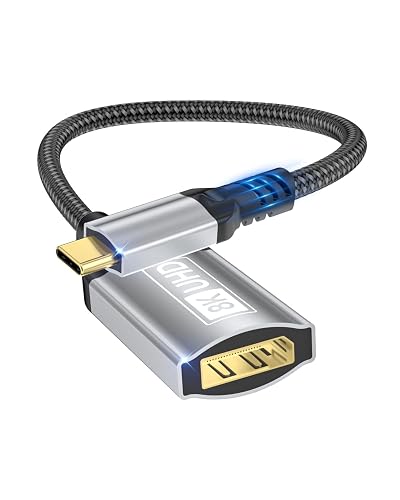
USB C to DisplayPort Adapter, 8K Type-C Male to DisplayPort 1.4 Female
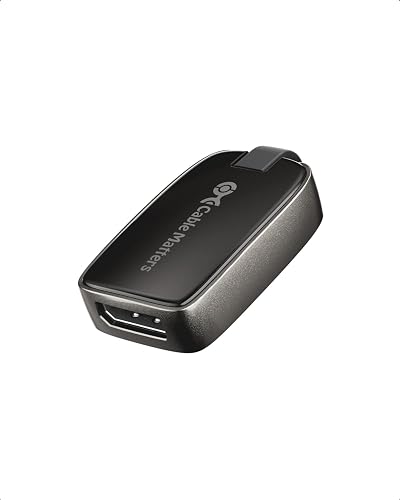
Cable Matters USB C to DisplayPort 1.4 Adapter
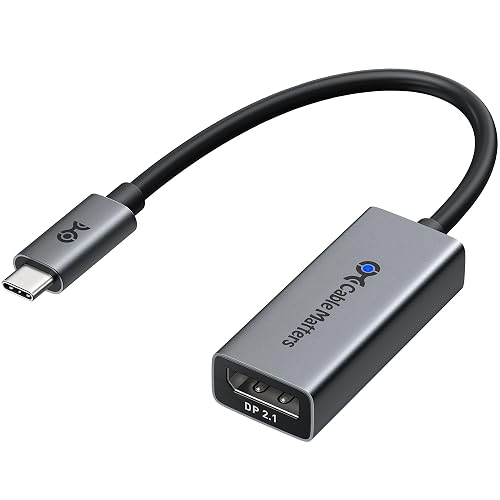
Cable Matters 80Gbps Unidirectional USB C to DisplayPort 2.1 Adapter
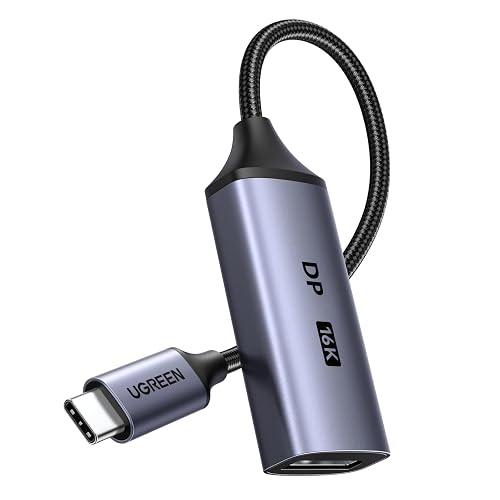
UGREEN USB C to DisplayPort 2.1 Adapter
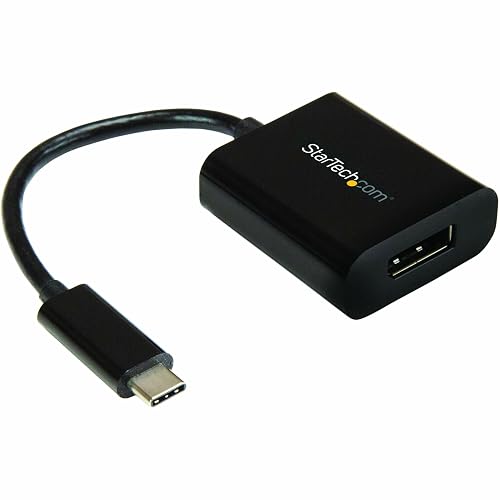
StarTech.com USB C to DisplayPort Adapter
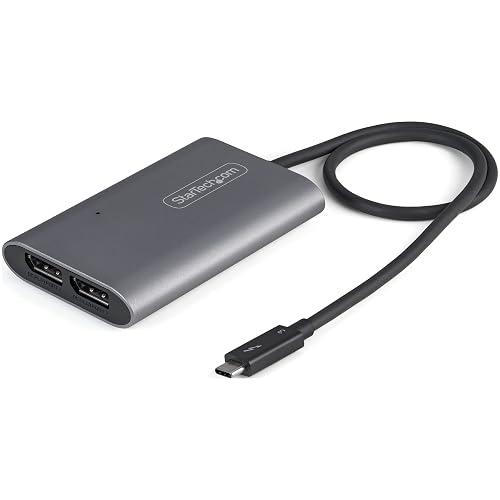
StarTech Thunderbolt to Dual DisplayPort 1.4 Adapter
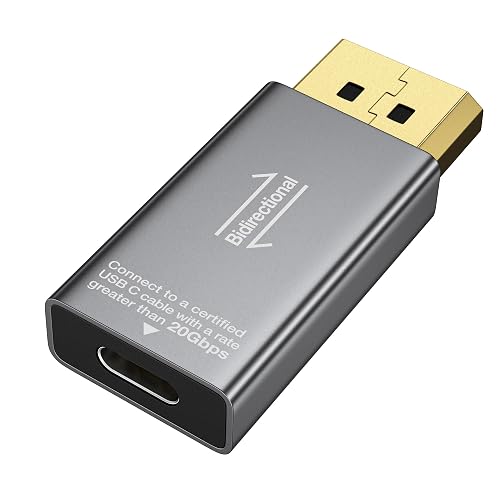
8K@60Hz USB C to DisplayPort 1.4 Adapter
More Details On Our Top Picks
UGREEN’s braided cable layout makes this feel less like a throwaway dongle and more like a desktop staple. The 8K@60Hz and 4K@240Hz support gives you serious headroom for a high-refresh monitor, while HDR, VRR, and ALLM point to a cable that suits gaming or mixed work-and-play desks.
It’s a cleaner fit than the shorter adapter-style choices below when you want one integrated cable instead of a small plug with a separate monitor lead. The trade-off is simple, the cable form takes a little more space, so it suits desks and studio corners more than tightly packed travel kits.
Strong Points
- Braided construction feels better suited to daily plugging and unplugging than a bare plastic shell.
- 4K@240Hz support gives you the kind of motion clarity competitive gaming setups usually want.
- HDR, VRR, and ALLM make it easier to match modern monitors and consoles that lean on richer picture handling.
- The single-cable format keeps the desk neater, especially beside a laptop stand and external display.
Points To Note
- The cable format is less pocketable than a tiny adapter, so it’s not the leanest travel companion.
- That extra length can clutter a cramped workspace more than a short plug-on design.
Feature Rundown
Who It Suits Best
Desktop laptop users who want a tidy, high-refresh link for a single monitor will get the most from this one.
A Better Fit Elsewhere
Cable Matters USB C to DisplayPort 1.4 Adapter is a cleaner match for travelers who want a shorter, simpler plug instead of a braided cable.
Nersligek takes the shorter adapter route, which makes this easier to tuck behind a laptop or dock. Its 8K@60Hz ceiling, plus 4K@144Hz and 4K@120Hz support, puts it squarely in the camp of people who care about smoother motion and a more responsive panel.
Compared with UGREEN’s braided cable, this one is less about desk presence and more about a compact link between machine and monitor. The honest read is that a small adapter like this can feel a bit less secure than a longer cable, so neat cable routing matters more.
What We Like
- The adapter shape keeps your setup compact and reduces cable clutter behind the machine.
- 8K@60Hz support leaves headroom for sharp displays without forcing an oversized accessory.
- 4K@144Hz and 4K@120Hz support suit smoother gameplay and quicker desktop scrolling.
- Dynamic HDR helps preserve a richer picture path on compatible screens.
Minor Gripes
- The short-body format can be easier to bump during desk movement than a cable-based design.
- Small adapters often ask a bit more of the port area, so snug placement matters.
Core Details
Made For
You’re the best match here if you want a compact monitor link for a laptop setup with a high-refresh external screen.
Skip It When
UGREEN USB C to DisplayPort 1.4 Adapter Cable fits better for desk users who’d rather have a braided lead than a small dongle.
This Cable Matters adapter keeps the message simple: one USB-C host side, one DisplayPort monitor side, and no extra direction confusion beyond that. That unidirectional design matters because it keeps setup predictable, especially on a desk where you just want the monitor to light up without a lot of second-guessing.
It sits between the first two picks in style, shorter and simpler than UGREEN’s braided cable, but more straightforward than some feature-heavy options. For most laptop-to-monitor desks, that middle-ground approach is enough, though it’s not the one you’d choose for dual-display work or newer high-bandwidth ambitions.
Highlights
- Clear one-way design reduces setup guesswork for a standard laptop-to-monitor path.
- 4K@240Hz support gives fast panels the breathing room they want.
- 8K@60Hz support keeps the adapter relevant for sharper displays.
- The simple plug format packs easily in a laptop bag or tech pouch.
Areas To Watch
- It only goes from USB-C host to DisplayPort monitor, so reverse use is off the table.
- The product page says it is not for HDMI, so that path stays separate.
Feature Snapshot
Best Suited To
You’re in the right lane here if you want a direct, no-fuss laptop-to-monitor adapter for a single DisplayPort screen.
Another Choice May Suit
Nersligek USB C to DisplayPort Adapter is the better fit for someone chasing a smaller, short-body adapter with similar refresh ambitions.
Here’s the step-up pick for setups chasing newer bandwidth rather than just basic monitor output. USB C to DisplayPort 2.1, plus 80Gbps and support for 16K@60Hz, 8K@240Hz, and 4K@960Hz, pushes this into serious territory for newer desktops, VR headsets, and high-spec creator stations.
Compared with the earlier Cable Matters adapter, this one is for people who want more room above standard 4K use. The trade-off is that the extra muscle only pays off on compatible gear, so a plain office monitor won’t tap the whole story.
Reasons To Buy
- The 80Gbps rating gives the adapter much more bandwidth headroom than the earlier 1.4 pick.
- 16K@60Hz support signals a future-facing design for high-end display chains.
- 8K@240Hz and 4K@960Hz support appeal to specialized displays and advanced rigs.
- It suits VR headsets and creator setups that need more than a basic office link.
Small Caveats
- Most everyday monitors won’t use the full spec ceiling, so some of that headroom may stay idle.
- The unidirectional layout still keeps use narrow, which is fine for the right desk and less handy elsewhere.
Technical Sheet
Whose Shelf It Belongs On
You’re the right match here for a high-end workstation or VR setup that needs stronger display bandwidth than the 1.4 options offer.
Where Another Pick Suits Better
Cable Matters USB C to DisplayPort 1.4 Adapter is the easier fit for a standard laptop desk that doesn’t need 80Gbps headroom.
UGREEN loads this adapter with the sort of numbers that matter most on high-end desks, starting with 80Gbps and stretching to 16K@60Hz and 8K@120Hz. The added 48-bit color depth matters because it points to a finer gradation of tones on compatible displays, which creator work and detailed media use tend to appreciate.
Compared with the Cable Matters 80Gbps model, this one leans a little harder into feature density, while the basic UGREEN cable earlier in the list stays simpler and more mainstream. The honest read is that much of this matters only on newer gear, so a modest monitor won’t show the full value.
Upsides
- 80Gbps bandwidth gives you the sort of headroom newer systems are starting to ask for.
- 48-bit color depth can support finer color transitions on compatible panels.
- 16K@60Hz and 8K@120Hz support keep the adapter relevant for future display upgrades.
- Thunderbolt 5 and Thunderbolt 4 compatibility makes it a neat fit for current USB-C desktops and laptops.
Room For Improvement
- The higher-spec story only matters on gear that can actually use it.
- A feature-heavy adapter like this can be more than a casual office setup needs.
At A Glance
Built With In Mind
You’re best suited to this one if you want a future-leaning adapter for a premium workstation, creator desk, or newer laptop.
Swap It Out When
StarTech.com USB C to DisplayPort Adapter is the simpler pick for someone who wants a smaller, more restrained USB-C display link.
StarTech’s compact dongle style is the kind of straightforward part you notice most by not noticing it. The 0.6 x 1.5 x 7.1 inch footprint, driverless setup, and DP Alt Mode support make this a tidy tool for office desks, travel bags, and any place where a giant cable would just get in the way.
It’s less ambitious than the newer UGREEN and Cable Matters 2.1 options, but that’s also why it works well for day-to-day monitor duty. The catch is obvious, the ceiling is lower than the flashier picks, so power users chasing very high refresh rates will want to look further up the list.
Best Bits
- The small body is easy to stash beside a laptop or in a gear pouch.
- Driverless operation keeps setup quick on systems that already support DP Alt Mode.
- 2-channel audio support broadens its usefulness for a regular desktop monitor path.
- Backward compatibility down to 1080p makes it easy to pair with older screens.
Areas To Watch
- 8K support tops out at 30Hz, so it’s not the sharpest-match choice for ultra-smooth high-res work.
- The slim body can leave little room for strain relief in tight port clusters.
Details At A Glance
Perfect Match For
You’re in the right spot with this one if you want a compact, no-driver adapter for a single office monitor or travel setup.
A Better Fit Elsewhere
Cable Matters USB C to DisplayPort 1.4 Adapter is the better move for a smoother 4K@240Hz or 8K@60Hz path.
This StarTech adapter solves a different problem from the rest of the group, because it’s built for two DisplayPort monitors instead of one. Thunderbolt power, built-in cable design, and USB-powered operation make it a natural fit for a workstation where dual screens carry the load all day.
That dual-output focus is a big advantage over the single-monitor USB-C picks above, though it also means the use case is narrower. In most home offices, this is the heavy-lift option, while casual laptop users will probably find the simpler adapters easier to live with.
Plus Points
- Dual DisplayPort output helps you run two external monitors from one Thunderbolt source.
- Dual 4K@60Hz support suits office work, editing timelines, and general multitasking.
- HDR, HBR3, and DSC support point to a more capable signal path.
- The built-in cable format helps reduce the number of loose pieces around the desk.
Worth Noting
- This is only the right pick for Thunderbolt-based systems, so it’s more selective than the USB-C singles.
- Dual-monitor use can add more cable management than a one-screen adapter.
Feature Card
Who Should Grab It
You’re the right fit here if your desk revolves around two DisplayPort monitors and a Thunderbolt laptop.
Look Elsewhere When
StarTech.com USB C to DisplayPort Adapter is the simpler choice for a single-screen laptop setup that doesn’t need dual output.
LEIRUI keeps this one flexible with a bidirectional layout, which means the adapter is meant to handle signal flow in both directions between Type-C and DisplayPort gear. That matters in mixed-device homes or offices where one monitor or one source might need a different path on different days.
It lands between the simpler one-way adapters and the more specialized premium picks, so it’s useful for general compatibility rather than extreme display spec chasing. The trade-off is that bidirectional designs can feel a little less focused than a single-purpose cable, but that same flexibility is exactly why some desks need one.
Bright Spots
- Bidirectional support gives you more routing flexibility than the fixed one-way models.
- 8K@60Hz support keeps it in range of sharper modern displays.
- Thunderbolt 4 and Thunderbolt 5 compatibility widens the host-device match.
- It can simplify mixed gear setups where device roles change over time.
Softer Spots
- Bidirectional gear can be a touch less straightforward to think through at setup time.
- A flexible adapter like this may not feel as focused as a dedicated single-direction option for one specific desk.
Core Details
Who Will Love This
You’re the best match if your home office or mixed-device desk needs one adapter that can handle different signal directions.
A Better Fit Elsewhere
StarTech Thunderbolt to Dual DisplayPort 1.4 Adapter suits power users who need two monitors instead of flexible single-link routing.
How To Choose The Right Displayports To Thunderbolt Adapter
Match The Adapter To The Job
The first split is simple: single monitor or dual monitor. A one-screen desk usually needs a compact USB-C to DisplayPort adapter, while a workstation with two external displays points you toward StarTech Thunderbolt to Dual DisplayPort 1.4 Adapter. That choice matters more than raw resolution claims because the wrong layout creates clutter fast.
Direction matters too. Unidirectional means the signal flows one way, usually from USB-C host to DisplayPort display, and that fits most laptop-to-monitor desks. Bidirectional models add flexibility, but you only need that extra range for mixed setups or gear that changes roles.
Read The Resolution Numbers In Context
8K labels sound dramatic, but they only help when your laptop, cable path, and monitor all support that mode. For everyday office work, 4K@60Hz is enough, while 4K@144Hz or 4K@240Hz matters more for fast motion and gaming. That’s why the Cable Matters and UGREEN 1.4 models feel practical before you reach for the 2.1 class.
Higher refresh and higher bandwidth usually cost more because the parts inside have to move more data cleanly. You also tend to get better shielding, stronger connector finishes, or a more specialized controller path. The catch is that a premium adapter on a basic monitor can feel a little like wearing racing tires for a grocery run, useful, but not fully tapped.
Think About Port Layout And Desk Space
Short adapters suit clean desk edges and travel pouches, while cable-style models reduce strain near the port. A braided cable such as the UGREEN 1.4 option can feel calmer on a fixed desk, because the monitor lead doesn’t hang directly from the laptop edge. On a crowded tray table or a packed backpack, the smaller StarTech adapter is easier to live with.
The same logic applies to maintenance. Cable jackets and built-in leads usually handle daily handling well, but they also take up more room when stored. Small adapters pack better, though they can press against neighboring ports more noticeably, especially on thin laptops.
Pair The Spec Set With Your Real Use
Creators, gamers, and multi-monitor office users don’t need the same adapter. A basic remote-work desk can stop at the StarTech compact model or the Cable Matters 1.4 adapter, while a newer high-refresh monitor deserves the 80Gbps 2.1 class. That’s the cleanest way to avoid paying for headroom that never gets used.
A Quick Reality Check
Hidden Buying Traps
A common mistake is focusing on 8K in the title and missing direction, monitor input, or Thunderbolt family support. Another trap is treating USB-C and Thunderbolt as interchangeable in every case, because the host side still needs the right display output behavior. Some desks also end up with an adapter that is physically too bulky for the nearby ports.
The Upgrade Payoff
Higher-tier models usually go beyond simple signal passing. They often bring wider bandwidth, better refresh support, and extras like HDR, DSC, or deeper color handling, which matters most for newer displays and serious desktop rigs. For a basic office monitor, though, the extra spend makes less sense than a compact, dependable 4K-ready adapter.
Frequently Asked Questions
What does a DisplayPort adapter do for USB-C laptops?
It sends video from a USB-C or Thunderbolt source to a DisplayPort monitor. That lets you use an external display without changing the whole computer setup.
Do you need Thunderbolt for these adapters to work?
Not always, because some adapters also rely on USB-C DisplayPort Alt Mode. Thunderbolt compatibility just widens the range of devices that can use them.
Is 8K support useful for everyday use?
For most desks, 8K is more headroom than you need. A 4K monitor at a solid refresh rate is usually the more practical target.
Why does direction matter so much?
A unidirectional adapter only works one way, which keeps things simple but limits flexibility. Bidirectional models give you more routing options for mixed gear.
What’s the safest choice for a small desk?
A short, compact adapter usually fits best because it keeps cable clutter down. StarTech.com USB C to DisplayPort Adapter is the cleanest example in this list.
Closing Thoughts
You’ve got a wide spread here, from compact one-screen adapters to stronger dual-monitor and higher-bandwidth choices. The best match comes down to your monitor count, the refresh rate you actually use, and how much space you have behind the laptop. For a tidy everyday desk, the simpler USB-C picks make the most sense, while the 2.1 and dual-output models suit more demanding setups. Choose for the desk you live with, not just the spec line that looks biggest.