
A strong 4K gaming setup needs more than a capable graphics card. Your processor still handles game logic, background apps, streaming tasks, and the steady flow of data between components. This guide suits you whether you’re upgrading an AM4 system, building on AM5, or choosing a complete desktop for a living-room display. You’ll find high-core-count chips for mixed workloads, gaming-focused 3D V-Cache models, and practical prebuilt options that reduce installation work. The right choice depends on your graphics card, motherboard platform, memory type, and tolerance for future upgrades.
The Shortlist At A Glance

AMD Ryzen 9 5900XT 16-Core, 32-Thread

suevery Prebuilt Gaming PC Core i9 RTX 5060 Ti 8G

NIMO Gaming-Desktop GeForce RTX 5060 8GB Intel i5-14400F

AMD Ryzen 5 5500 6-Core, 12-Thread with Wraith Stealth Cooler
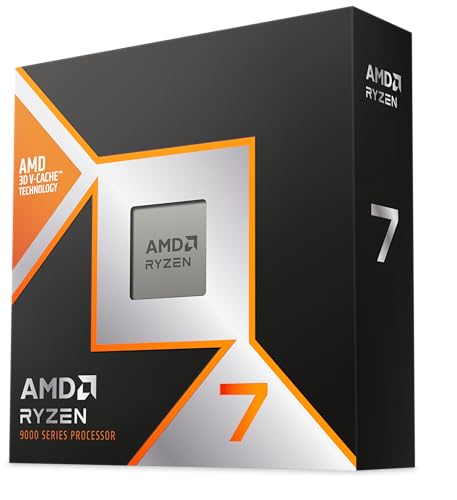
AMD Ryzen 7 9800X3D 8-Core, 16-Thread

AMD Ryzen 7 7800X3D 8-Core, 16-Thread

AMD Ryzen 5 9600X 6-Core, 12-Thread
More Details On Our Top Picks
Sixteen cores and 32 threads give this AM4 processor plenty of room for gaming beside recording, browser tabs, or video work. A core handles a stream of instructions, while a thread is a parallel work path, so the count matters most during heavy multitasking rather than a game running alone.
The 4.8 GHz maximum boost and 72 MB cache suit a 4K system paired with a strong graphics card, especially for creators who don’t want to replace an existing AM4 motherboard. You may find the platform age matters more than the raw core count, though, since DDR4-3200 support limits the upgrade path compared with newer AM5 choices.
Strong Points
- Sixteen cores help with streaming, rendering, and gaming at the same time.
- Unlocked operation gives experienced desktop builders tuning flexibility.
- PCIe 4.0 support fits many modern graphics cards and NVMe drives.
- AM4 compatibility can make a focused upgrade easier than a full platform change.
- The large cache helps keep frequently accessed game data close to the processor.
Things To Consider
- A cooler isn’t included, so installation requires a separately selected cooling solution.
- DDR4 memory and AM4 limit future expansion compared with the newer AMD options here.
Key Specs
Who It Suits Best
You’ll get the most value from this chip as an AM4 owner who games in 4K while recording, editing, or running several demanding applications.
Consider Something Else When
Choose the AMD Ryzen 7 9800X3D instead for a new enthusiast build focused mainly on high-refresh gaming and a newer platform.
A complete desktop changes the decision from selecting a processor to balancing an entire system. The 14th-generation Core i9-14900HX brings 24 cores and 32 threads, while the RTX 5060 Ti supplies 8GB of graphics memory for gaming and creative applications.
With 16GB of DDR5 memory and a 1TB NVMe SSD, you have a useful starting point for a game library, work files, and everyday multitasking. The honest caveat is upgrade planning: a prebuilt can save installation time, yet you’ll want to confirm internal access, cooling layout, and power connections before adding hardware.
What We Like
- The processor’s 24-core, 32-thread layout suits streaming and heavy multitasking.
- RTX 5060 Ti graphics are already included, removing the need to source a separate card.
- DDR5 memory provides a current-generation starting point.
- The 1TB NVMe SSD offers quicker application loading than a traditional hard drive.
Worth Noting
- Prebuilt upkeep depends on the case layout and the accessibility of dust filters and components.
- Sixteen gigabytes of memory may feel tight beside demanding creative software or large browser sessions.
- A complete tower offers less component-by-component control than a self-built system.
At A Glance
Made For
This desktop suits you best as a first complete gaming computer when you want a capable processor, dedicated graphics, memory, and storage in one package.
Not Your Match When
The AMD Ryzen 7 7800X3D makes more sense for you as a hands-on builder who already owns a graphics card and wants a focused gaming processor.
NIMO takes a more measured route than the suevery tower, pairing an Intel i5-14400F with an RTX 5060 and 32GB of DDR5 memory. That combination gives you a sensible base for 4K gaming with a suitable graphics setting, while the extra memory helps during streaming, office work, and creative sessions.
The 1TB SSD keeps the everyday setup tidy, and four ARGB fans add airflow with configurable lighting. You may find the visual extras less useful than the 650W power supply, especially in a quiet office, but the fan layout is helpful for a gaming room where sustained loads are common.
Highlights
- Thirty-two gigabytes of DDR5 memory reduces pressure during multitasking.
- The 1TB SSD provides a practical launch point for games and work software.
- RTX 5060 graphics support modern visual features and creative workloads.
- Four ARGB fans give the tower a gaming-oriented airflow and lighting setup.
Trade Offs
- The Core i5 has less parallel headroom than the Core i9 system above.
- Lighting adds visual appeal but can require extra setup to keep the desk understated.
Feature Snapshot
Right Fit For
You’ll appreciate this tower most for mixed gaming, streaming, digital creation, and business use without jumping to a high-core-count processor.
Look Elsewhere When
Pick the suevery Prebuilt Gaming PC instead for you as a new desktop owner who prioritizes the Core i9 platform and RTX 5060 Ti graphics.
For an entry-level AM4 build, the Ryzen 5 5500 keeps the hardware list refreshingly short. You get six cores and 12 threads, a 4.2 GHz maximum boost, and an included Wraith Stealth cooler, so a first-time builder has fewer installation decisions to make.
A discrete graphics card remains necessary, and that matters for a 4K gaming computer because the processor can’t create the final image by itself. Compared with the Ryzen 9 5900XT, this chip gives up substantial multitasking capacity, yet you may find its simpler thermal setup easier to manage in a compact home tower.
Upsides
- The included cooler reduces the number of separate parts needed for installation.
- Six cores and 12 threads suit everyday gaming and general desktop work.
- Unlocked operation leaves room for experienced users to tune the processor.
Room For Improvement
- The lower core count is less suitable for frequent rendering or intensive streaming.
- Owners commonly need to keep cooler fins and case vents clear as dust accumulates.
- AM4 and DDR4 support leave less room for a later platform refresh.
Quick Facts
Best Suited To
This processor fits you as a beginner assembling an AM4 gaming computer with a separate graphics card and a straightforward cooling plan.
A Better Fit Elsewhere
The AMD Ryzen 5 9600X is a stronger match for you as a new-build shopper who wants six cores on the newer AM5 and DDR5 platform.
Gaming-focused builds have a clear reason to consider the Ryzen 7 9800X3D: its 3D V-Cache places a large 96 MB L3 cache close to the cores. Cache is fast onboard memory for often-used instructions and game data, which can help frame-time consistency in CPU-sensitive titles.
Eight cores and 16 threads keep the chip useful beyond gaming, while Zen 5 architecture and a maximum boost of 5.2 GHz give the AM5 platform plenty of headroom. The trade-off shows up in system cost and cooling choices, so this makes more sense for a dedicated enthusiast tower than a modest graphics upgrade.
Standout Traits
- Large 96 MB L3 cache is tailored to demanding game workloads.
- Eight cores and 16 threads support gaming, recording, and ordinary creation tasks.
- Zen 5 architecture gives this model a newer foundation than the 7800X3D.
- 5.2 GHz maximum boost supports quick bursts during games and applications.
- AM5 compatibility leaves more room for future platform changes than AM4 options.
Points To Note
- A high-end chip deserves careful cooler and case airflow planning.
- The gaming-focused design may offer less practical value for heavily threaded workstation workloads than a 16-core processor.
Core Details
Who Will Love This
You’re the right fit for this processor as an enthusiast building around a fast graphics card, high-refresh display, and AM5 motherboard.
Swap It Out When
The AMD Ryzen 9 5900XT suits you better when your existing AM4 system needs more cores for rendering and multitasking without changing the platform.
The Ryzen 7 7800X3D takes the same eight-core, 16-thread shape as the newer 9800X3D, with a gaming-oriented design built around expanded cache. It remains appealing for a 4K system where your graphics card does most of the visual work and you want smooth game execution without moving into a 12- or 16-core desktop chip.
Its listed 5 nm process, 2,200 MHz graphics frequency, and 89°C maximum operating temperature describe a compact modern platform. You may find the 9800X3D more attractive for a fresh premium build, but this model is still a sensible route for an AM5 owner seeking a focused gaming upgrade.
Bright Spots
- Eight cores and 16 threads provide a strong gaming and multitasking balance.
- The 5 nm manufacturing process belongs to a modern AM5 platform.
- Integrated graphics frequency gives the processor a stated graphics capability for basic display output.
- The 89°C maximum operating temperature helps you plan cooling around a known limit.
Small Caveats
- It remains an AM5 purchase, so a compatible motherboard and DDR5 memory are part of the platform plan.
- For heavy production workloads, more cores can matter more than gaming-focused cache.
- Case dust control and cooler maintenance still influence long gaming sessions.
Feature Rundown
Whose Shelf It Belongs On
This chip is aimed at you as an AM5 gamer who wants a dedicated gaming processor for a new or refreshed desktop.
Another Choice May Suit
The AMD Ryzen 7 9800X3D is better for you as a premium-system builder who wants the newer Zen 5 generation and higher stated boost ceiling.
Six cores and 12 threads make the Ryzen 5 9600X an approachable entry into AMD’s Zen 5 generation. Its 5.4 GHz maximum boost, 38 MB cache, and unlocked design give you a responsive base for gaming, while DDR5-5600 support keeps the surrounding platform current.
AM5 compatibility and support for PCIe 5.0 on select motherboards give this processor a longer upgrade path than the Ryzen 5 5500. The catch is that a new platform requires a compatible motherboard and memory, so you may find the transition harder to justify when an older AM4 system already meets your needs.
Reasons To Buy
- Zen 5 architecture brings a current-generation foundation to a six-core desktop chip.
- 5.4 GHz maximum boost supports quick responses in games and daily applications.
- DDR5-5600 support pairs naturally with a modern AM5 build.
- Unlocked operation gives skilled desktop users tuning control.
- Six cores keep the power and platform plan more focused than an enthusiast-class processor.
- PCIe 5.0 support on select motherboards leaves room for newer expansion hardware.
Areas To Watch
- The six-core layout is less comfortable for intensive rendering than the 5900XT.
- No cooler detail is provided, so you’ll need to plan the thermal hardware around your case.
Details At A Glance
Who Should Grab It
This processor suits you as a new-system builder who wants a modern six-core gaming base and plans to use an AM5 motherboard.
Reach For A Different Pick
The AMD Ryzen 5 5500 is a better fit for you as an AM4 owner seeking a simpler upgrade that keeps existing DDR4 hardware in service.
How To Choose The Right Cpus For 4k Gaming
Match The Processor To The Graphics Card
At 4K resolution, the graphics card usually carries the largest share of image-rendering work. That doesn’t make the processor irrelevant: busy open-world games, high frame-rate play, simulation titles, streaming, and background applications can still expose CPU limits.
A Ryzen 5 9600X or Ryzen 5 5500 can suit a focused gaming setup, while the Ryzen 9 5900XT makes more sense for simultaneous recording, editing, and rendering. Prebuilt systems such as the NIMO and suevery options already combine the processor with dedicated graphics, which simplifies compatibility decisions.
Check The Platform Before Ordering
The socket determines which motherboard can accept your processor. AM4 models in this roundup use DDR4 memory and suit existing systems, while AM5 models such as the 7800X3D, 9800X3D, and 9600X use a newer motherboard and DDR5 memory plan.
Platform age affects future upgrades, not just current performance. A low-cost AM4 refresh may be sensible for a system you plan to keep for several years, but an AM5 build gives you a newer base for later processor changes.
Understand Cores, Threads, And Cache
Cores are physical processing units, and threads are parallel instruction paths that help a chip handle several tasks. More cores help most during streaming, video production, compiling, and heavy multitasking, while gaming performance also depends on architecture, clock behavior, memory, and cache.
Cache is fast memory built close to the processor. The 7800X3D and 9800X3D emphasize 3D V-Cache for gaming, whereas the 5900XT emphasizes a much higher core and thread count for broader workloads.
Plan Cooling, Power, And The Display
A processor doesn’t work alone. Your cooler must fit the socket and case, the power supply must suit the complete system, and the graphics card needs the right outputs for your 4K display.
The Ryzen 5 5500 includes a Wraith Stealth cooler, which reduces setup complexity. The 5900XT has no cooler included, and the newer performance-oriented chips deserve deliberate airflow planning, especially in a compact case used for long gaming sessions.
Things Worth Knowing First
Mistakes Worth Dodging
A common mistake is pairing a high-core-count processor with an entry-level graphics card while expecting the CPU alone to deliver high 4K frame rates. Put more attention on the complete platform, including the graphics card, display refresh rate, memory, storage, and power supply.
Another wrong turn is ignoring the socket. AM4 and AM5 aren’t interchangeable platforms, so check your motherboard model and memory type before selecting an upgrade. A processor that fits your performance goal but not your existing board creates extra parts and installation work.
The Upgrade Payoff
Higher-tier chips cost more because they combine newer architectures, larger cache pools, higher core counts, or stronger boost behavior. The Ryzen 9 5900XT earns that extra capacity through 16 cores and 32 threads, while the 9800X3D directs its design toward demanding gaming with 3D V-Cache.
Paying more makes sense for you when gaming shares the desktop with streaming, production work, or a high-refresh display. A six-core model remains the more sensible choice for a focused 4K setup where the graphics card does most of the heavy lifting.
Final Verdict
Your choice comes down to platform and workload. The Ryzen 5 5500 keeps an AM4 build approachable, the Ryzen 5 9600X opens a modern AM5 path, and the 7800X3D or 9800X3D suits gaming-focused systems with ambitious graphics hardware. The Ryzen 9 5900XT serves creators who need many processing threads, while the NIMO and suevery desktops simplify complete-system setup. Match your processor to your motherboard, graphics card, cooler, and daily routine, and your 4K experience will feel far more balanced.
