
You need a processor that keeps virtual instruments, plug-ins, sample libraries, and multitrack sessions responsive without forcing you into an oversized workstation. The right choice depends on your DAW habits, project size, interface setup, and willingness to build around a desktop chip rather than buy a complete computer. This shortlist covers high-core-count processors for serious production, newer Intel platforms for fresh builds, and ready-to-use systems for home studios. You’ll also see the practical trade-offs around cooling, memory, storage, motherboard compatibility, and everyday maintenance, so your next setup fits the way you actually record, mix, or compose.
Your Shortlist At A Glance

AMD Ryzen 9 5900XT 16-Core, 32-Thread Unlocked Desktop Processor
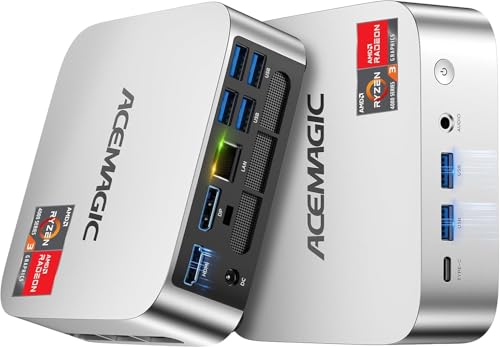
ACEMAGIC Mini PC Windows 11 Pro AMD Ryzen 7330U 16GB DDR4 RAM 256GB SSD
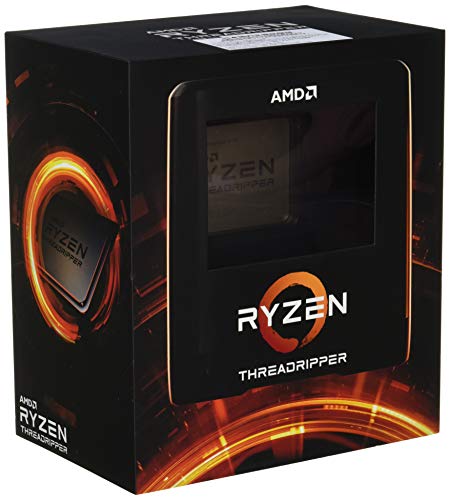
AMD Ryzen Threadripper 3970X 32-Core, 64-Thread Unlocked Desktop Processor

Intel Core Ultra 7 Processor 270K Plus 24 Cores

Dell Precision 3620 T3620 Music Production Workstation PC

Intel Core Ultra 5 Desktop Processor 225 10 Cores
More Details On Our Top Picks
Sixteen cores and 32 threads give you plenty of parallel processing for dense arrangements, software instruments, and background exports. A thread is a scheduling path that helps a core handle work, so the generous count suits a producer who keeps a large DAW session open beside editing or streaming tools.
The AM4 platform, DDR4-3200 memory support, and PCIe 4.0 support make this a sensible foundation for an existing compatible desktop. You may find the 72 MB cache helpful across heavier projects, though installation still requires a separate cooler and compatible AM4 motherboard.
Strong Points
- 16 cores and 32 threads suit layered sessions with many plug-ins.
- 4.8 GHz maximum boost supports responsive single-track work.
- Unlocked design leaves room for enthusiast tuning.
- AM4 and DDR4 support can simplify an upgrade from an older compatible build.
- PCIe 4.0 supports modern storage and expansion hardware.
Things To Consider
- A separate cooling solution adds an installation step and extra component planning.
- AM4 and DDR4 keep the platform familiar, but a new build won’t use the newest memory ecosystem.
Key Specs
Who It Suits Best
You’ll get the most from this processor as a home-studio producer with a compatible AM4 system and regularly crowded projects.
Consider Something Else When
Choose the Intel Core Ultra 7 Processor 270K Plus for a new studio build centered on DDR5 and Intel 800 Series hardware.
A small Windows 11 Pro computer can make sense for a bedroom desk, mobile recording corner, or business space that doubles as a light editing station. The Ryzen 7330U uses four cores and eight threads, while 16GB of DDR4 memory gives you a workable starting point for moderate DAW sessions.
Its 28W design points toward lower-power desktop use, and support for three 4K displays helps you spread a mixer, timeline, and plug-in windows across your workspace. The honest trade-off is the 256GB SSD, which can fill quickly after sample libraries and audio projects arrive.
What We Like
- Compact housing leaves more room for a MIDI keyboard and audio interface.
- Windows 11 Pro fits common studio and office workflows.
- 16GB RAM supports everyday multitasking without an immediate memory upgrade.
- Triple-display capability suits a producer who works across several windows.
Worth Noting
- The 256GB SSD may require external or additional storage for large sample collections.
- Four cores and eight threads are better suited to moderate sessions than very dense orchestral templates.
- Small systems can make internal cleaning and component access less convenient.
Feature Snapshot
Made For
This mini PC suits beginners, podcasters, and musicians building moderate sessions in a tight workspace.
Not Your Match When
The AMD Ryzen 9 5900XT gives you a stronger fit for large plug-in chains and demanding desktop production.
For film scoring, orchestral templates, and audio work that runs beside video or 3D applications, 32 cores and 64 threads create substantial parallel capacity. The 144MB cache is also unusually large, which can help keep extensive data close to the processor during complex workloads.
Compared with the Ryzen 9 5900XT, this Threadripper demands a more specialized foundation, including a suitable motherboard, cooling plan, and workspace with generous airflow. You may find its scale excessive for vocal tracking and small mixes, but serious production teams can make better use of it.
Highlights
- 32 cores and 64 threads suit very large production workloads.
- 144MB cache supports data-heavy creative applications.
- Up to 4.5 GHz boost helps with tasks that favor speed per core.
- Unlocked operation allows advanced tuning for experienced system builders.
- Quad-channel DDR4 and 88 PCIe 4.0 lanes support extensive expansion.
Trade Offs
- The 280W thermal design calls for serious cooling and careful case airflow.
- Its platform costs more to assemble and takes more physical space than a conventional desktop build.
- A cooler isn’t included, so installation planning starts before the first session.
Technical Sheet
Right Fit For
You’ll benefit most as a professional composer, studio engineer, or creator running huge sessions alongside other demanding software.
Look Elsewhere When
The Dell Precision 3620 T3620 is a more sensible match for an entry-level studio that needs a complete Windows workstation.
A new studio computer built around current memory and expansion standards has a clear path with the Core Ultra 7 270K Plus. Its 24-core layout combines eight performance cores with 16 efficiency cores, a hybrid design that assigns demanding work and lighter background tasks to different core types.
Support for DDR5 and PCIe 5.0 gives your new build more modern connectivity than the AM4-based Ryzen 9 5900XT. The catch is platform commitment: you need an LGA1851 motherboard using an Intel 800 Series chipset, plus cooling suited to a 125W base power figure.
Upsides
- 24 cores provide strong headroom for large sessions and multitasking.
- DDR5 support gives a new build access to current memory technology.
- PCIe 5.0 and 4.0 support accommodates newer expansion hardware.
- Hybrid cores suit a workstation that handles audio, browsing, and exports together.
Minor Gripes
- It requires a specific LGA1851 motherboard, so it isn’t a drop-in replacement for older Intel systems.
- A 125W base power figure makes cooler selection and case airflow worth planning carefully.
At A Glance
Best Suited To
This processor fits experienced desktop builders creating a new, expansion-ready studio for demanding audio and creative work.
A Better Fit Elsewhere
The Intel Core Ultra 5 Desktop Processor 225 suits a smaller everyday studio that values a lower-power platform and included cooler.
Ready-to-use hardware can remove much of the build work from your first studio computer. This renewed Dell combines an Intel i7-6700 processor with 32GB of DDR4 memory, a 512GB SSD for the operating system, and a 2TB hard drive for project storage.
That split storage arrangement suits a home musician who wants room for multitrack files without immediately adding an external drive. Compared with the ACEMAGIC mini PC, the Precision 3620 offers more storage and a conventional workstation format, though its older four-core processor is less suited to very large modern sessions.
Bright Spots
- 32GB RAM gives sample-based work and multitasking useful breathing room.
- The SSD and 2TB hard drive divide system duties from bulk audio storage.
- Windows 11 Pro arrives configured as a complete desktop environment.
Room For Improvement
- The four-core CPU has less parallel capacity than every dedicated processor elsewhere on this list.
- A hard drive is more mechanically complex and generally slower than solid-state storage for active projects.
- Renewed hardware can show cosmetic variation, so inspect the listing details and included connections carefully.
- Older systems may need internal dust cleaning before long studio sessions.
Quick Facts
Who Will Love This
You’ll find the strongest fit here as a beginner or home musician who wants a complete Windows workstation rather than separate components.
Swap It Out When
The AMD Ryzen Threadripper 3970X is better suited to professional sessions where extreme multitasking matters more than turnkey setup.
For a new desktop that handles recording, editing, office work, and moderate plug-in chains, the Core Ultra 5 225 keeps the brief focused. Its 10 cores use six performance cores and four efficiency cores, while 14 threads help divide active production work from background tasks.
DDR5 and PCIe 5.0 support bring the same modern platform direction as the Core Ultra 7, but the 65W base power figure is easier to accommodate in a quieter everyday tower. Depending on your sample libraries and track count, you may eventually want more processing headroom than this midrange design provides.
Plus Points
- 10-core hybrid architecture suits everyday recording and mixing.
- 65W base power simplifies cooler and case planning.
- DDR5 and PCIe 5.0 support keep a new build current.
- Integrated Intel graphics can support a basic display setup without a separate graphics card.
- The included Intel Laminar RM2 cooler reduces the parts list for installation.
Points To Note
- Its 14-thread design has less multithread capacity than the Ryzen 9 and Threadripper options.
- LGA1851 and Intel 800 Series compatibility still require a matching motherboard.
Core Details
Whose Shelf It Belongs On
This processor suits home producers and first-time builders who want a current Intel platform for moderate sessions without a high-power chip.
Reach For A Different Pick When
The Intel Core Ultra 7 Processor 270K Plus fits larger sessions and advanced multitasking with its additional cores and higher boost ceiling.
How To Choose The Right Cpus For Audio Production
Match Core Capacity to Your Sessions
A core is an individual processing unit, while threads are task paths that let software divide work more efficiently. Large arrangements with many virtual instruments, convolution effects, and real-time plug-ins benefit from higher counts, making the Ryzen 9 5900XT and Threadripper 3970X natural choices for demanding sessions. Smaller recording projects can run comfortably on fewer cores, especially when your work centers on audio tracks, editing, and moderate plug-in use.
Separate Single-Core Speed From Multitasking
Clock speed describes how quickly a processor can operate, but it doesn’t tell the whole story. Fast boost figures can help with track response and plug-ins that rely heavily on one or a few cores, while additional cores matter during exports, software instruments, and simultaneous applications. You’ll want a balance that matches your DAW rather than chasing one number.
Check the Platform Before Choosing the Chip
A desktop processor must match the motherboard socket and chipset. The AMD options here use different platform expectations from Intel’s LGA1851 models, while DDR4 and DDR5 memory are not interchangeable. Confirm the socket, memory type, cooler requirements, and expansion standard before committing to a new build.
Plan Storage, Cooling, and Noise Together
Sample libraries and multitrack sessions consume storage quickly, so a fast system drive plus larger project storage can be more practical than a single small SSD. Cooling also affects studio comfort, especially during long exports or dense sessions. The ACEMAGIC minimizes desk space, the Dell arrives as a complete workstation, and the desktop processors give you more control over case fans, storage, and upgrades.
What To Weigh Before You Buy
Mistakes Worth Dodging
Choosing a high-core processor without checking the motherboard socket can turn a planned upgrade into a parts replacement. You also need to account for cooling, memory generation, and the physical room available in your case. A compact mini PC may fit your desk beautifully yet leave less storage room for sample libraries.
Storage deserves equal attention. A 256GB SSD can feel quick during setup but become cramped after instruments, session backups, and operating system files accumulate. Keep active projects on fast storage and plan a separate location for larger archives.
Where The Extra Money Goes
Higher-tier processors generally buy more cores, more threads, larger cache, faster platform support, or greater expansion capacity. That extra headroom matters for orchestral templates, large plug-in chains, and simultaneous audio, video, and export work. It matters less for simple tracking, podcast editing, or a few software instruments.
Spending more makes sense when a session regularly pushes your current computer into high buffer settings or frequent freezing and rendering. For moderate home production, the Core Ultra 5 225 or Dell Precision 3620 can leave more room for memory, storage, and an audio interface.
Final Verdict
You can build a capable studio around several different approaches in this shortlist. Choose the Ryzen 9 5900XT for a strong AM4 upgrade, the Threadripper 3970X for exceptional workstation-scale multitasking, or Intel’s Core Ultra processors for a newer DDR5 platform. The ACEMAGIC keeps a compact desk tidy, while the Dell offers a complete entry-level workstation with useful storage capacity. Match the processor to your track count, plug-in habits, motherboard plan, and storage needs, then choose the option that leaves your studio comfortable to use every day.
