
Your choice depends on what “memory stick” means for your setup. Phone drives and flash sticks help move photos, videos, and documents, while a true computer memory kit such as DDR4 RAM works inside a desktop. This roundup covers both needs, from cross-device storage for travel and commuting to upgrade-ready memory for gaming and demanding software. You’ll find compact legacy media too, although compatibility deserves close attention before you commit. Each option below is matched to a practical use case, with capacity, connector type, transfer behavior, and installation concerns explained in plain terms.
The Shortlist At A Glance

SANDISK 512GB Phone Drive for Android 2-in-1 USB SDDDC6-512G-G46

Sony 1 GB Memory Stick PRO Duo Flash Memory Card MSXM1GST
512GB Photo Stick for iPhone Flash Drive Memory Stick Dark Red
ThePhotoStick® Omni X 64GB Photo Backup for iPhone Android Computers
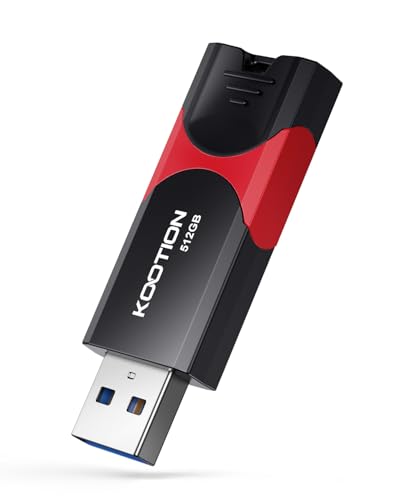
KOOTION 512GB USB Flash Drive 3.0 Retractable Zip Drive
ThePhotoStick® Omni X 128GB Photo Backup for iPhone Android Computers

CORSAIR Vengeance LPX DDR4 RAM 32GB 2x16GB 3200MHz Black
More Details On Our Top Picks
Daily phone storage feels much less restrictive with a drive that speaks both USB Type-C and USB Type-A. Type-C is the small, reversible connector common on newer phones and tablets, while Type-A remains common on desktop computers and older laptops. That pairing makes the SANDISK 512GB Phone Drive a sensible bridge for moving vacation videos from an Android phone to a computer.
The listed read rate reaches up to 100 MB/s, although host hardware can affect actual results. You may find the sliding, compact format easy to carry, but small drives are also easier to misplace, so a dedicated pouch helps during commuting. Compared with the KOOTION drive, this SanDisk option is more directly suited to phone transfers.
Strong Points
- USB Type-C and Type-A connectors cover newer phones and many computers.
- 512GB gives you room for large photo and video libraries.
- Up to 100 MB/s read performance suits routine file movement.
- The small format works well in a travel pouch or desk drawer.
Things To Consider
- Actual transfer behavior depends on the connected device and its port.
- Compact flash drives can be easy to lose, so storage habits matter.
Key Specs
Who It Suits Best
Android users and commuters who regularly move files between a phone, tablet, and computer will get the most practical value here.
Where Another Pick Suits Better
KOOTION 512GB USB Flash Drive 3.0 suits laptop, television, and car-audio storage more directly than phone-first transfers.
Older compact cameras and compatible handheld systems need a very different kind of memory stick than the modern phone drives above. This Sony Memory Stick PRO Duo provides 1GB of capacity, with about 940MB available for files. That modest space makes sense for legacy equipment where newer SD or USB media may not fit.
An included adapter broadens compatibility with devices using Memory Stick PRO media. The listed minimum write rate is 15 Mbps on supported PRO Duo hardware, so you may find it adequate for older photos while newer high-resolution workflows feel constrained. Storage in a small protective case is wise because the card and adapter are easy to separate.
What We Like
- Designed around Memory Stick PRO Duo equipment.
- Adapter helps connect with compatible Memory Stick PRO devices.
- 15 Mbps minimum write speed supports the intended legacy setting.
Worth Noting
- 1GB is limited for extended video or large modern photo collections.
- Compatibility must be confirmed because newer devices commonly use different media.
Technical Sheet
Made For
Owners of older Sony cameras or compatible handheld systems who need matching removable media should consider this compact card.
Consider Something Else When
SANDISK 512GB Phone Drive for Android 2-in-1 SDDDC6-512G-G46 is a better fit for current phones, tablets, and computers.
Families with iPhones, iPads, Android devices, and PCs often need one storage tool that can move around the household. This 512GB TEARMOS photo stick is built around that mixed-device routine, with a three-port design and plug-and-play operation. No app requirement keeps the process approachable for occasional file backups.
That flexibility gives it a broader role than the Sony card and more phone focus than the KOOTION stick. You may appreciate the dark red finish in a crowded travel bag, though the multi-connector body can require careful handling around ports. For long photo trips, the capacity leaves considerably more breathing room than ThePhotoStick Omni X 64GB.
Highlights
- 512GB capacity accommodates sizable photo and video collections.
- Three-port design supports iPhone, iPad, Android, and PC use.
- Plug-and-play operation avoids software installation.
- Useful for sharing files across a household with mixed devices.
- Dark red housing is easier to spot in a crowded accessory pouch.
Trade Offs
- Multi-port hardware deserves gentle storage and careful insertion.
- Connector compatibility should be confirmed against your exact device model.
- Large libraries still need a second backup location for better file protection.
Feature Snapshot
Right Fit For
Households and travel photographers moving files among Apple devices, Android hardware, and PCs will find the broad compatibility useful.
Not Your Match When
ThePhotoStick Omni X 64GB is a better fit for someone who prefers guided photo sorting over a no-app storage workflow.
Photo backup feels less technical here because the companion app is intended to locate, sort, and store photos and videos from the connected device. ThePhotoStick Omni X 64GB works with iPhone, Android, Windows PC, and Mac systems, giving you one compact place to gather everyday memories. That guided approach may suit a family member who doesn’t want to manage folders manually.
Capacity is the clear compromise compared with the 128GB version and the 512GB TEARMOS stick. Still, 64GB can be a comfortable starting point for a smaller library or periodic phone cleanout. The honest read is that app-based convenience matters more here than maximum archive space.
Upsides
- Works across iPhone, Android, Windows PC, and Mac platforms.
- Companion app helps locate and organize photos and videos.
- Compact format suits home drawers and travel kits.
- Guided backup reduces folder-management work for less technical users.
Room For Improvement
- 64GB provides less headroom than the larger Omni X model.
- App-based workflows may feel less direct than a conventional flash drive.
Quick Facts
Best Suited To
Casual phone photographers and families who want guided backups across several operating systems should find this capacity manageable.
A Better Fit Elsewhere
ThePhotoStick Omni X 128GB is more suitable for frequent photographers building a larger archive without changing the basic workflow.
For a laptop bag, television, car audio system, or MacBook drawer, the KOOTION 512GB USB Flash Drive 3.0 takes a straightforward approach. USB 3.0 refers to a faster USB connection standard than older USB generations, and the listed read speed reaches up to 100 MB/s. Its retractable design keeps the main connector covered during storage, which is handy in a tool drawer or shared office.
Compared with the SANDISK phone drive, this model is better suited to conventional USB equipment than direct smartphone exchange. The catch is that a retractable slider adds a moving part, so you may want to avoid forcing it or carrying it loose with heavy metal items. For general storage, its capacity makes sense; for automatic photo organization, ThePhotoStick models have a clearer purpose.
Plus Points
- 512GB supports large videos, photos, game files, and documents.
- USB 3.0 connection suits compatible laptops and media equipment.
- Retractable body helps shield the connector during storage.
- Plug-and-play use avoids software installation.
Small Caveats
- The retractable mechanism needs gentle handling over repeated use.
- Actual transfer speed depends on the host device and settings.
- Phone use is less direct than with a multi-port drive.
Feature Rundown
Who Will Love This
Anyone needing a large, conventional USB stick for laptops, televisions, car audio, and document storage is the natural match.
Look Elsewhere When
SANDISK 512GB Phone Drive for Android 2-in-1 SDDDC6-512G-G46 better suits direct phone-to-computer transfers.
The 128GB Omni X follows the same guided backup idea as the 64GB version, but gives growing photo collections more room before another cleanup. Its app is designed to gather photos and videos from iPhone, Android, Windows PC, and Mac devices. That makes it a comfortable fit for frequent family events, travel photography, and several phones sharing one household archive.
In most homes, the extra capacity will feel more useful than a faster manual folder system. ThePhotoStick Omni X 128GB also includes an in-lab data recovery plan with covered shipping and online case tracking, though recovery remains a service process rather than a substitute for maintaining another copy. Compared with TEARMOS, it emphasizes guided organization over a no-app workflow.
Best Bits
- 128GB gives a larger working archive than the 64GB Omni X.
- Cross-platform support covers iPhone, Android, PC, and Mac use.
- Companion app organizes photos and videos during the backup process.
- Recovery service includes covered in-lab shipping and online case tracking.
Points To Note
- App dependence may not appeal to people who prefer manual file management.
- Even 128GB can fill quickly with high-resolution video.
Details At A Glance
Who Should Grab It
Frequent phone photographers and households maintaining several device libraries will benefit from the larger guided-backup capacity.
Where A Sibling Pick Shines
512GB Photo Stick for iPhone Flash Drive Memory Stick Dark Red suits people who want more space and a no-app plug-and-play approach.
Unlike every removable-storage option above, CORSAIR Vengeance LPX is internal RAM, the short-term working memory installed inside a desktop computer. Its 32GB kit uses two 16GB modules, allowing a compatible motherboard to run a matched pair rather than relying on a single stick. That layout suits gaming, content creation, multitasking, and large everyday projects.
The kit reaches up to 3200MHz, with CL16-20-20-38 timings and a 1.35V setting. XMP and EXPO are memory-profile standards that can simplify supported performance tuning, but motherboard and processor compatibility still matter before installation. The aluminum heatspreader helps move heat away from the modules, while the low-profile design may suit builds with tighter cooler clearance, though desktop installation is less convenient than plugging in a USB stick.
Bright Spots
- 32GB capacity gives demanding desktop software more working space.
- Two 16GB modules form a matched kit for compatible systems.
- 3200MHz speed and CL16 timing target responsive desktop performance.
- Aluminum heatspreader supports heat dissipation during sustained workloads.
- XMP and EXPO profiles broaden tuning support across compatible platforms.
Areas To Watch
- DDR4 memory cannot replace a USB storage drive or a newer DDR5 kit.
- Installation requires motherboard access and careful compatibility checking.
- Profile support can vary by processor and motherboard firmware.
Core Details
Built With In Mind
Desktop owners upgrading a compatible DDR4 system for gaming, editing, virtual machines, or heavy multitasking are the natural match.
Swap It Out When
KOOTION 512GB USB Flash Drive 3.0 Retractable Zip Drive suits you more when the goal is portable file storage rather than internal computer memory.
How To Choose The Right Cpu Memory Sticks
Match The Media To Your Device
Start with the slot, not the capacity. Memory Stick PRO Duo belongs to a legacy format, USB flash drives connect externally, and DDR4 RAM installs inside a desktop motherboard. A large capacity cannot fix a connector or memory-generation mismatch.
Phone storage needs closer inspection. USB Type-C, USB Type-A, and multi-port designs serve different hardware, so map the drive to your phone, tablet, laptop, and any computer used for transfers.
Capacity Should Fit Your Routine
For occasional documents, a small legacy card may be enough. Photo-heavy travel, family video, and desktop backups call for substantially more room, with 128GB or 512GB giving you more time between cleanups.
Capacity also affects organization. A guided 64GB or 128GB photo drive may be easier for casual backups, while a conventional 512GB stick gives you more control over folders and file types.
Speed Has Context
Read speed describes how quickly stored files can move out of the drive, while RAM speed describes how quickly compatible desktop memory operates. Neither figure works in isolation because the host device, port, settings, and software can limit real-world behavior.
For a desktop upgrade, check DDR generation, module count, rated speed, voltage, and motherboard support. A two-module kit can be useful for compatible systems, but installation and profile support deserve attention before you open the case.
Think About Ownership
Portable media benefits from a protective pouch and safe removal from the host device. Retractable housings reduce connector exposure, yet moving parts deserve gentle handling. App-based options can reduce sorting work, while no-app drives may feel faster for people who prefer manual folders.
Keep a second copy of important photos and documents. A recovery service can offer a path after certain failures, but it doesn’t replace a separate backup routine.
Things Worth Knowing First
Mistakes Worth Dodging
The most common mistake is treating every memory stick as interchangeable. Check the device slot, connector, operating system, and RAM generation before focusing on capacity. A Sony Memory Stick PRO Duo card and a USB Type-C phone drive solve entirely different storage problems.
A second mistake is assuming a listed speed will appear on every computer or phone. Port generation, host hardware, file size, and device settings can change the experience, so use speed figures as a guide rather than a promise.
Where The Extra Money Goes
Higher-tier choices often add capacity, broader connector coverage, guided organization, recovery services, or internal heat-management hardware. Those extras matter most during frequent photo transfers, large archives, or demanding desktop workloads.
Spending up makes sense for a travel photographer who repeatedly backs up video, a household sharing one archive across several platforms, or a desktop owner replacing an undersized RAM kit. Occasional document storage usually needs less complexity.
Final Verdict
You have several distinct paths here, from the SANDISK 512GB Phone Drive for Android 2-in-1 SDDDC6-512G-G46 for cross-device transfers to CORSAIR Vengeance LPX DDR4 RAM 32GB 2x16GB 3200MHz Black for a desktop upgrade. TEARMOS offers expansive multi-device space, while ThePhotoStick Omni X choices focus on guided photo backup. Match the connector, memory type, and capacity to your routine, then keep important files in a second location so your storage plan remains practical over time.
