
Gaming performance can change dramatically based on whether you need a processor for a custom build, a compact desktop for a small desk, or a ready-to-use tower with graphics already installed. You’ll find options here for competitive play, creative workloads, upgrades to older platforms, and straightforward starter builds. The real challenge is matching processor generation, graphics hardware, memory, cooling, and motherboard compatibility before you commit. This shortlist helps you narrow that decision without getting lost in component jargon.
The Shortlist At A Glance

AMD Ryzen 9 5900XT 16-Core, 32-Thread Unlocked Desktop Processor

GMKtec K16 Gaming Mini PC Ryzen 7 7735HS 32GB 512GB SSD
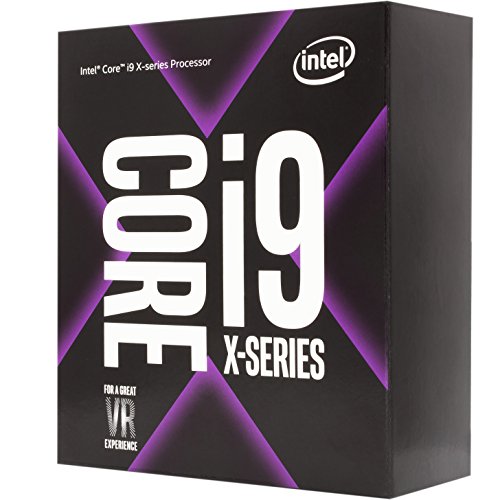
Intel Core i9-9900X X-Series Processor 10-Core LGA2066

YAWYORE Gaming PC Ryzen 7 5700X RTX 5060 32GB 1TB

NIMO Gaming Desktop RTX 5060 Intel i5-14400F 32GB DDR5 1TB
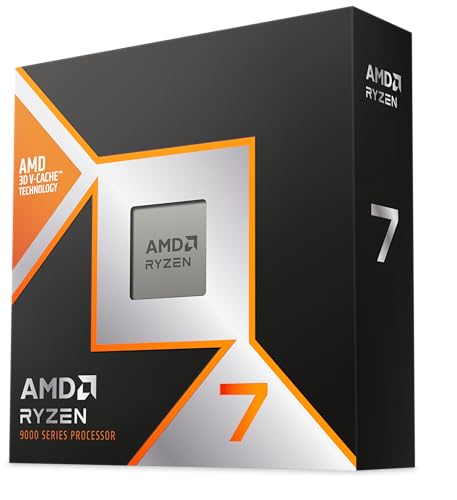
AMD Ryzen 7 9800X3D 8-Core, 16-Thread Desktop Processor

AMD Ryzen 5 5500 6-Core, 12-Thread Processor with Wraith Stealth
More Details On Our Top Picks
Sixteen cores and 32 threads give the Ryzen 9 5900XT plenty of room for gaming beside streaming, browser tabs, and editing software. Its AM4 platform, DDR4-3200 memory support, and PCIe 4.0 connectivity suit a mature custom-build ecosystem, especially for someone upgrading an existing compatible desktop.
The unlocked design allows manual tuning, though that also places more responsibility on your cooling setup. A cooler isn’t included, so you’ll need to budget space and hardware for heat management. Depending on your current graphics card, this processor may be a stronger multitasking upgrade than a pure gaming change.
Strong Points
- High core and thread count supports gaming, streaming, and demanding desktop work together.
- AM4 compatibility can make an established platform easier to extend.
- PCIe 4.0 support keeps room open for compatible storage and graphics hardware.
- Unlocked controls appeal to experienced custom-build enthusiasts.
Things To Consider
- The missing cooler adds a separate installation and compatibility decision.
- Older AM4 systems may need a motherboard firmware check before installation.
Key Specs
Who It Suits Best
You’ll get the most from this processor as an experienced AM4 desktop owner who games, streams, and creates on the same machine.
Consider Something Else When
Choose AMD Ryzen 7 9800X3D instead for a new high-end gaming build centered on a newer platform and gaming-focused cache.
A mini desktop makes sense for dorm rooms, office corners, and living-room setups where a tower would dominate the furniture. GMKtec pairs the Ryzen 7 7735HS with 32GB of LPDDR5 memory, meaning low-power laptop-style memory is built into the compact system rather than installed as a standard desktop module.
The integrated Radeon 680M graphics keep the footprint small, while USB4, Oculink, HDMI, and dual 2.5GbE networking give you useful connection options. You may find the 512GB SSD fills quickly after several large games, and integrated graphics remain less flexible than the RTX 5060 systems below.
What We Like
- Small chassis suits cramped desks and multipurpose rooms.
- 32GB LPDDR5 memory helps with multitasking out of the box.
- USB4 and Oculink provide useful expansion routes for accessories and external hardware.
- Dual 2.5GbE ports benefit home networks with compatible equipment.
- Integrated Radeon graphics avoid the need for a separate graphics card.
Trade Offs
- Integrated graphics limit the kind of demanding games that suit the system.
- Compact internals can make cleaning and future part replacement less convenient.
- The 512GB drive leaves less room for a large game library.
Feature Snapshot
Made For
This mini PC suits students, apartment dwellers, and casual gamers who value desk space more than maximum graphics headroom.
Not Your Match When
YAWYORE Gaming PC Ryzen 7 5700X RTX 5060 suits you more when demanding modern games and a dedicated graphics card matter.
Existing X299 desktop owners have a specific reason to consider the Core i9-9900X: its LGA2066 socket and 10-core, 20-thread layout fit a high-end desktop platform built around broad multitasking. A 4.4GHz turbo ceiling can help responsive game behavior, while the extra threads serve rendering, streaming, and workstation-style applications.
The 165W thermal design power, meaning the cooling target used for system planning, calls for a substantial cooler and airflow path. That makes this a platform upgrade rather than a sensible foundation for every new gaming desktop. In your view of long-term value, the existing X299 motherboard is the deciding factor.
Highlights
- Ten cores and 20 threads suit heavy multitasking.
- Unlocked operation gives experienced enthusiasts manual tuning options.
- Turbo behavior supports snappy performance in compatible workloads.
Room For Improvement
- The LGA2066 socket sharply narrows motherboard compatibility.
- 165W thermal design power increases cooling and airflow demands.
- DDR4-2666 support reflects an older memory platform.
Quick Facts
Right Fit For
You’ll benefit most as an X299 owner who needs more workstation-style threading without replacing the complete desktop platform.
Look Elsewhere When
AMD Ryzen 5 5500 suits a first custom build better because it targets a simpler AM4 desktop with a bundled cooler.
A ready-built tower removes the component-matching work that can slow down a first desktop setup. YAWYORE combines the eight-core Ryzen 7 5700X with an RTX 5060 carrying 8GB of GDDR7 graphics memory, so your gaming workload gets dedicated graphics rather than the integrated approach used by GMKtec.
Thirty-two gigabytes of DDR4-3200 memory and a 1TB M.2 NVMe PCIe SSD give you room for multitasking and a useful starting game library. The MSI B550M-A PRO board adds a known platform foundation, while the 650W 80 Plus Bronze power supply supports the listed hardware. Graphics card branding may vary, so confirm the exact configuration on the listing before you settle on this tower.
Upsides
- Dedicated RTX 5060 graphics are a stronger fit for modern gaming than integrated graphics.
- 32GB of memory reduces pressure during streaming and general multitasking.
- One-terabyte NVMe storage gives your initial library breathing room.
- Wi-Fi and Bluetooth simplify setup away from a wired office.
Points To Note
- The graphics card manufacturer can differ between units.
- Prebuilt cable management and internal access may vary by chassis configuration.
At A Glance
Best Suited To
This tower fits you well as a new desktop gamer who wants dedicated graphics, ample memory, and minimal assembly work.
A Better Fit Elsewhere
NIMO Gaming Desktop RTX 5060 Intel i5-14400F 32GB 1TB suits you more for DDR5 memory and a newer Intel-based setup.
For gaming, streaming, business applications, and creation work, NIMO offers a more current-feeling combination than the DDR4 tower above. The Intel Core i5-14400F is paired with an RTX 5060 and 32GB of DDR5 memory, giving you dedicated graphics plus a newer memory standard in one assembled desktop.
A 1TB SSD keeps the initial setup practical, while four ARGB fans add visible lighting and airflow hardware. You may appreciate the extra visual flair in a gaming room, although more fans also mean more surfaces to dust. The 650W power supply rounds out a straightforward configuration for someone who wants one computer for play and productivity.
Bright Spots
- RTX 5060 graphics support gaming and graphics-heavy creative applications.
- DDR5 memory gives the platform a newer foundation than YAWYORE’s DDR4 design.
- Four ARGB fans provide airflow hardware and customizable case lighting.
- Business and creation use cases make the desktop more versatile than a gaming-only setup.
- Prebuilt assembly reduces the chance of a difficult first build.
Small Caveats
- ARGB lighting adds cleaning points and may not suit a quiet, understated room.
- The 8GB graphics memory may feel restrictive for particularly demanding future titles.
- Confirm the listed case and component configuration before installation.
Technical Sheet
Who Will Love This
You’ll find the strongest match here as a streamer, digital creator, or multitasking gamer who wants a current prebuilt configuration.
Another Choice May Suit
GMKtec K16 Gaming Mini PC Ryzen 7 7735HS 32GB 512GB SSD fits you better when a compact desk footprint matters more than dedicated graphics.
The Ryzen 7 9800X3D aims directly at high-end gaming builds, with eight cores, 16 threads, and AMD’s 3D V-Cache design. Cache is fast processor memory that helps keep frequently needed game data close to the CPU, a design that can suit high-refresh gaming and demanding graphics cards.
Zen 5 architecture and a boost speed reaching 5.2GHz give this chip a modern foundation, while the AM5 platform points toward a newer motherboard and memory investment than the AM4 processors here. In most premium builds, the graphics card still shapes visual quality most strongly, so pair this processor with hardware that can take advantage of its gaming focus.
Reasons To Buy
- 3D V-Cache is purpose-built for demanding gaming workloads.
- Zen 5 architecture brings a newer platform generation to custom desktops.
- Eight cores and 16 threads remain useful for streaming and everyday creation.
- Up to 5.2GHz supports quick response in suitable applications.
Worth Noting
- AM5 platform costs include a compatible motherboard and supported memory.
- A premium gaming processor can be unnecessary beside a modest graphics card.
Core Details
Built With In Mind
This chip is made for you as a serious PC gamer building around a powerful dedicated graphics card and a newer AM5 system.
Reach For A Different Pick When
AMD Ryzen 9 5900XT suits you better for an existing AM4 computer that also handles heavy content creation and multitasking.
A six-core, 12-thread processor can give a first custom gaming desktop a sensible starting point, particularly alongside a discrete graphics card. The Ryzen 5 5500 supports DDR4-3200 memory and AM4 motherboards, so you’ll find plenty of familiar component pairings around this platform.
The included Wraith Stealth cooler simplifies installation and reduces the number of separate parts on your list. Its 4.2GHz boost ceiling and unlocked design support everyday gaming and optional tuning, though heavy streaming or high-end creation will favor the higher-core choices above. One practical note: the cooler’s compact size suits standard use better than aggressive overclocking.
Best Bits
- Six cores and 12 threads cover everyday gaming and general desktop work.
- Bundled Wraith Stealth cooler makes a first build easier to assemble.
- AM4 and DDR4-3200 support keep compatible parts widely familiar.
Areas To Watch
- A discrete graphics card is required for gaming.
- Heavy streaming and creation workloads benefit from a higher-core processor.
- The included cooler leaves less thermal headroom for extensive tuning.
- Older AM4 boards may require firmware preparation before installation.
Details At A Glance
Whose Shelf It Belongs On
This processor suits you as a beginner assembling an AM4 gaming desktop around a separate graphics card.
Swap It Out When
YAWYORE Gaming PC Ryzen 7 5700X RTX 5060 suits you more when you want a complete tower with dedicated graphics already installed.
How To Choose The Right Cpuses For Gaming
Start With The Whole System
A processor doesn’t work alone. A custom-build CPU needs a matching socket, motherboard chipset, memory type, cooler, power supply, and graphics card. The prebuilt YAWYORE and NIMO towers simplify that matching process, while the AMD and Intel processor-only choices require you to assemble the surrounding parts.
Graphics hardware usually has the clearest effect on resolution and visual settings. A high-end processor makes more sense beside a capable dedicated GPU than beside entry-level graphics, where the graphics card may become the limiting component.
Match Cores To Your Routine
Cores are individual processing units, while threads represent parallel work paths handled by the CPU. Six cores and 12 threads can suit mainstream gaming, whereas 16 cores and 32 threads better serve gaming beside streaming, editing, or heavy multitasking.
Your routine matters more than a headline number. A player focused on one game at a time may prefer a gaming-focused chip such as the Ryzen 7 9800X3D, while a creator who renders after a gaming session may value the Ryzen 9 5900XT’s broader thread capacity.
Check Platform Age And Cooling
AM4 and LGA2066 can make sense as upgrade platforms only when you already own compatible hardware. Starting from scratch usually requires a closer look at motherboard availability, memory generation, firmware support, and future upgrade plans.
Cooling deserves equal attention. The Ryzen 9 5900XT arrives without a cooler, and the Intel Core i9-9900X carries a 165W thermal design power, so your case airflow and cooler selection need careful planning. The Ryzen 5 5500 is easier for beginners because its Wraith Stealth cooler is included.
What To Weigh Before You Buy
Mistakes Worth Dodging
A common mistake is treating a processor name as a complete gaming recommendation. Check the socket, memory type, graphics requirement, cooler situation, and motherboard before you focus on clock speed. A compact mini PC also needs a different expectation from a full tower, especially for storage expansion and graphics flexibility.
Another avoidable error is choosing a CPU far beyond your graphics card. The Ryzen 7 9800X3D can suit a high-end gaming system, but NIMO and YAWYORE already pair an RTX 5060 with a suitable desktop processor and memory package.
Where The Extra Money Goes
Higher-tier processors generally add newer architecture, more cache, more cores, or stronger platform support. The upgrade matters most for high-refresh gaming, streaming, rendering, and long sessions with several demanding applications open.
You’ll gain more from spending up when the rest of your system can keep pace. A compatible graphics card, adequate cooling, fast storage, and sufficient memory should come before an expensive CPU upgrade that your current setup cannot fully use.
Closing Remarks
You can choose a capable route here without forcing every gaming setup into the same shape. The Ryzen 5 5500 keeps a first AM4 build approachable, the mini PC saves desk space, and the YAWYORE or NIMO towers remove much of the assembly work. For a custom high-end system, the Ryzen 7 9800X3D offers a newer gaming-focused foundation, while the Ryzen 9 5900XT remains appealing for broad multitasking on AM4. Match the processor to your graphics card, cooling plan, and daily workload, and your final choice should feel straightforward.
