
A compatible processor can extend the life of an older desktop, but socket support, core count, memory compatibility, and listing condition all deserve attention. These Lga 1155 Cpus suit home-office systems, budget gaming builds, media PCs, and repair projects built around Intel’s older desktop platforms. You’ll also find one important mismatch in the shortlist: the Intel Core i7-6700 uses LGA 1151, not LGA 1155, so it doesn’t belong in a true LGA 1155 upgrade.
The Shortlist At A Glance

Intel Core i5-3570K Quad-Core Processor LGA 1155
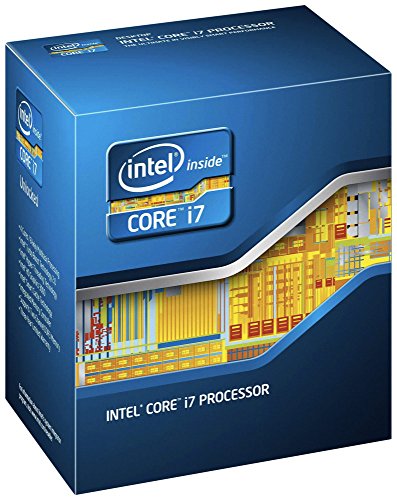
Intel Core i7-3770K Quad-Core Processor LGA 1155

Intel Core i7-6700 Processor FC-LGA14C

Intel Core i7-3770K Quad-Core Processor LGA 1155

Intel Core i5-3470 LGA 1155 Processor

Intel Core i3-3220 LGA 1155 Processor

Intel Core i7-3770 Quad-Core Processor LGA 1155 Renewed
More Details On Our Top Picks
For a desktop built around an LGA 1155 motherboard, the Core i5-3570K offers four physical cores at 3.4 GHz. The K suffix identifies an unlocked processor, which gives experienced enthusiasts more tuning flexibility than the standard Core i5-3470 later in this list.
That combination suits older gaming towers, photo work, and several programs running together. You’ll need a compatible motherboard and suitable cooling, while the older platform limits any meaningful path to newer memory or socket standards. In your view of long-term ownership, this makes more sense as a targeted refresh than as the foundation for a new system.
Strong Points
- Four cores give older desktops a useful lift for everyday multitasking.
- The 3.4 GHz base frequency suits office work, light creative tasks, and many older games.
- An unlocked design appeals to enthusiasts who understand motherboard tuning.
- The LGA 1155 fit helps you preserve an existing board, memory kit, and case.
- Owners refreshing aging systems may find installation easier than replacing the entire platform.
Things To Consider
- The unlocked design has limited value on a basic motherboard without suitable tuning controls.
- Used stock can arrive in varied condition, so inspect contact pads and confirm the listing details before installation.
Key Specs
Who It Suits Best
You’ll get the most from this processor as an enthusiast maintaining an LGA 1155 gaming or editing desktop.
Where Another Pick Suits Better
Choose Intel Core i5-3470 LGA 1155 Processor instead for a straightforward home-office refresh without prioritizing unlocked tuning.
Eight threads let the Core i7-3770K handle heavier multitasking than the i5-3570K, while its 3.5 GHz clock keeps the basic experience familiar. A thread is a virtual work path that helps a processor manage multiple tasks, so this model fits video work, streaming, and demanding desktop use more comfortably.
The unlocked K-series design is appealing for a carefully maintained enthusiast rig, particularly one already using LGA 1155. The trade-off is age: you’re still working within an older socket and DDR3-era platform, and a second-hand chip deserves close inspection before thermal paste and installation.
What We Like
- Four cores and eight threads support smoother editing and simultaneous applications.
- An 8 MB shared L3 cache, a small high-speed memory pool inside the processor, helps repeated tasks access data efficiently.
- The 3.5 GHz frequency gives this option a modest edge over the i5-3570K in heavier workloads.
- Unlocked operation gives experienced desktop enthusiasts room to tune the system.
Worth Noting
- Overclocking requires a compatible board, appropriate cooling, and careful settings.
- The older socket restricts future platform expansion.
- Condition and included accessories can differ across listings, so check the individual item details.
At A Glance
Made For
This processor suits experienced PC enthusiasts and creative users keeping a capable LGA 1155 workstation in service.
Consider Something Else When
Intel Core i7-3770 Quad-Core Processor LGA 1155 Renewed fits better for a non-overclocking refresh that still needs eight threads.
The Core i7-6700 stands apart from every genuine LGA 1155 option here because the supplied information identifies it as an LGA 1151 processor. Its 3.40 GHz speed, four cores, and eight threads make it relevant to a newer desktop platform, not to a board designed for the i5-3570K or i7-3770K.
That socket difference is the deciding detail for a system upgrade. You may find this model attractive for a compatible Skylake-era office, editing, or gaming tower, but it won’t install into an LGA 1155 motherboard. Confirm the board socket and memory type before choosing it, especially because the source information references DDR4 and DDR3L support.
Highlights
- Four cores and eight threads suit multitasking across a newer desktop platform.
- The 8 MB cache provides a local high-speed area for frequently reused data.
- Support for display output up to 4096×2304 helps compatible systems drive high-resolution screens.
Trade Offs
- This processor does not match LGA 1155, despite the source title using that socket reference.
- Memory compatibility differs from the DDR3 focus of the LGA 1155 choices.
- Installation depends on a compatible LGA 1151 motherboard and the correct socket hardware.
Technical Sheet
Right Fit For
You’ll benefit most from this model as an owner of an LGA 1151 system seeking a four-core, eight-thread replacement.
Not Your Match When
Intel Core i7-3770K Quad-Core Processor LGA 1155 is the proper direction for an LGA 1155 motherboard and DDR3-era desktop.
For a mature LGA 1155 tower that needs more multitasking capacity, this Core i7-3770K supplies four cores, eight threads, and an 8 MB cache at 3.5 GHz. It closely matches the other i7-3770K listing in the roundup, so the practical decision rests on the individual listing condition and the details supplied with the item.
That makes it a sensible step up from an older Core i5 in a home studio, gaming tower, or workstation. Depending on your motherboard, the unlocked design may offer tuning flexibility, though maintenance becomes more important as a system ages. Fresh thermal compound and careful socket handling are reasonable parts of the installation plan.
Upsides
- Eight threads support browser-heavy work, editing software, and background tasks.
- The 3.5 GHz speed gives responsive day-to-day operation.
- Unlocked operation appeals to users with enthusiast-oriented boards.
- The familiar LGA 1155 socket can help you retain an existing platform.
Room For Improvement
- Platform age limits access to newer motherboard and memory features.
- Used processor condition deserves careful review before installation.
Feature Snapshot
Best Suited To
This option suits a desktop owner moving from a lower-tier LGA 1155 chip while keeping the existing board and memory.
A Better Fit Elsewhere
Intel Core i5-3570K Quad-Core Processor LGA 1155 is a better fit for enthusiasts who prefer four cores without paying for eight threads.
A 3.20 GHz four-core processor can still make sense for a family desktop, basic workstation, or repair project built around LGA 1155. The Core i5-3470 keeps the design straightforward, which may appeal more than the tuning focus of the i5-3570K or the eight-thread layout of the i7 models.
For email, documents, media playback, and moderate multitasking, that balance remains useful. The catch is headroom: demanding editing and newer games place more pressure on a four-core chip, while the older platform leaves little room for a modern upgrade path. Storage and cooling condition also matter on a system that has been running for years.
Bright Spots
- Four cores provide a dependable base for routine desktop work.
- The 3.20 GHz clock suits office applications and household media use.
- Its LGA 1155 compatibility makes it relevant for targeted motherboard repairs.
Points To Note
- It lacks the unlocked designation shown on the i5-3570K.
- Four cores may feel restrictive for heavy video work or extensive multitasking.
- Older processors can require fresh thermal compound and careful cooler cleaning during installation.
Quick Facts
Who Will Love This
You’ll find the best fit here as a home-office user or repair hobbyist extending the life of an LGA 1155 desktop.
Reach For A Different Pick When
Intel Core i7-3770K Quad-Core Processor LGA 1155 suits you better for video editing, streaming, or heavier multitasking on the same socket.
The Core i3-3220 targets the simplest desktop refresh in this roundup, with a 3.30 GHz speed and LGA 1155 compatibility. For a small office PC, family browsing machine, or light media box, its modest positioning can be more useful than paying for unused processing capacity.
You may notice its limits during video editing, modern gaming, or large batches of simultaneous applications. Still, a two-core design can keep basic programs moving smoothly on an older machine, provided the motherboard supports the socket and the surrounding components are in sound condition. Its lower tier also means less flexibility than the four-core i5 choices.
Plus Points
- The 3.30 GHz speed supports common office and browsing tasks.
- LGA 1155 compatibility helps you repair an existing desktop without changing the board.
- A simple configuration suits light-use systems and basic family computers.
- Its role is easy to understand for first-time repair projects.
Small Caveats
- Two cores provide less multitasking capacity than every Core i5 and i7 option here.
- Demanding creative software and newer games can expose the limited headroom.
- Older listing stock may require careful cleaning and thermal compound replacement before use.
Core Details
Built With In Mind
This processor suits beginners repairing an LGA 1155 office computer for documents, browsing, and media playback.
Swap It Out When
Intel Core i5-3470 LGA 1155 Processor is a better fit for you once multitasking, light gaming, or creative work becomes part of the routine.
The renewed Core i7-3770 gives an LGA 1155 desktop four cores and eight threads at 3.4 GHz, making it a natural alternative to the unlocked i7-3770K. Its 8 MB Intel Smart Cache, a fast shared memory area near the cores, supports the kind of multitasking expected from an older workstation or gaming tower.
Because this is a renewed listing, condition checking matters more than it does with a clearly new retail package. You’ll want to confirm the processor model, inspect the contacts, clean the cooler, and apply fresh thermal compound during installation. For most repair projects, the appeal lies in adding i7-level thread capacity without changing the LGA 1155 board.
Reasons To Buy
- Four cores and eight threads suit editing, streaming, and demanding multitasking.
- The 3.4 GHz base speed supports responsive general use.
- An 8 MB cache helps keep frequently reused data close to the processor.
- The non-K design is a sensible match for users who don’t need unlocked tuning.
- Renewed stock can suit a practical system refresh built around an existing motherboard.
Areas To Watch
- Renewed condition can vary, so inspect the item and listing details closely.
- It offers less tuning flexibility than the i7-3770K choices.
Feature Rundown
Whose Shelf It Belongs On
This model suits you as a repair hobbyist or workstation owner who needs eight-thread performance without prioritizing overclocking.
Another Choice May Suit
Intel Core i7-3770K Quad-Core Processor LGA 1155 is better suited to you as an enthusiast with a board that supports unlocked tuning.
How To Choose The Right Lga 1155 Cpus
Start With Socket Verification
Socket compatibility comes first. LGA 1155 processors fit a particular group of Intel desktop motherboards, while the Core i7-6700 belongs to LGA 1151 despite appearing in the supplied listing title. Check the socket printed in your motherboard documentation or board markings before comparing clock speed.
A matching socket still doesn’t settle every detail. Your board firmware, supported processor generation, memory type, and cooling arrangement can affect the installation, so record the motherboard model before selecting a replacement.
Match Cores And Threads To Your Work
Core count describes physical processing units, while threads describe the work paths those cores can manage. The Core i3-3220 uses a simpler two-core design for documents and browsing, whereas the i5-3470 and i5-3570K move to four cores for a stronger everyday workload balance.
Eight-thread i7 models make more sense for video editing, streaming, large spreadsheets, and several active applications. A family computer used for email and media playback may not gain enough from the i7 tier to justify the extra platform expense.
Understand The K-Series Difference
Intel’s K suffix identifies an unlocked processor. That feature can allow more tuning flexibility, but only a compatible motherboard, cooling setup, and careful configuration make it useful. The i5-3570K and i7-3770K therefore suit enthusiasts more than plug-and-play office repairs.
The standard i7-3770 offers eight threads without the K designation. You’ll likely prefer it for a stable refresh where tuning isn’t part of the plan, especially in a workstation that runs for long sessions.
Check Condition And Installation Needs
Many LGA 1155 processors now appear as older inventory or renewed stock. Look for clear model identification, clean contact pads, and accurate socket information. A careful installation includes cooler cleaning, fresh thermal compound, and gentle handling around the motherboard socket.
Your existing memory and power supply also affect the result. Keeping the same board can simplify a repair, but an aging platform may still need storage, cooling, or firmware attention before the processor upgrade delivers its full practical value.
Things Worth Knowing First
Mistakes Worth Dodging
The most common mistake is trusting a title without checking the socket. The Core i7-6700 listing demonstrates why you need to verify LGA 1151 versus LGA 1155 before placing an item into your upgrade plan.
A second mistake is choosing a processor by clock speed alone. Four cores, eight threads, cache size, motherboard support, and item condition all shape the experience. Match the chip to your actual workload rather than chasing a single number.
The Upgrade Payoff
Higher-tier models cost more because they provide additional processing capacity, larger cache designs, or unlocked tuning. The i7-3770 and i7-3770K both offer four cores with eight threads, giving editing and multitasking workloads more room than the two-core i3-3220.
Spending more makes sense for a desktop that handles threaded creative software, streaming, or several demanding programs at once. Basic office systems can stay with the i5-3470, while enthusiasts may prefer the K-series flexibility only when the motherboard and cooling setup support it.
Final Verdict
You’ll find the most sensible LGA 1155 upgrade among the Core i5-3570K, Core i7-3770K, Core i7-3770, and Core i5-3470, with the right choice depending on tuning needs and workload intensity. The i3-3220 suits basic repairs, while the renewed i7-3770 offers a practical eight-thread path for an older desktop. Treat the i7-6700 separately because its LGA 1151 socket does not match this platform. Verify the motherboard first, then choose the processor that extends your system without forcing an unnecessary rebuild.
