
Choosing a desktop processor means matching core design, motherboard support, memory type, and cooling needs to your actual workload. A gaming-focused upgrade has different priorities from a workstation used for video exports, 3D rendering, or long coding sessions. This shortlist covers current and older platforms, so you can find a sensible route for a new build or a targeted upgrade without replacing every component. You’ll also see where each processor’s socket, graphics support, memory standard, and power demand affect daily ownership.
The Shortlist At A Glance

Intel Core Ultra 9 Processor 285K

AMD Ryzen 9 5900XT 16-Core Processor
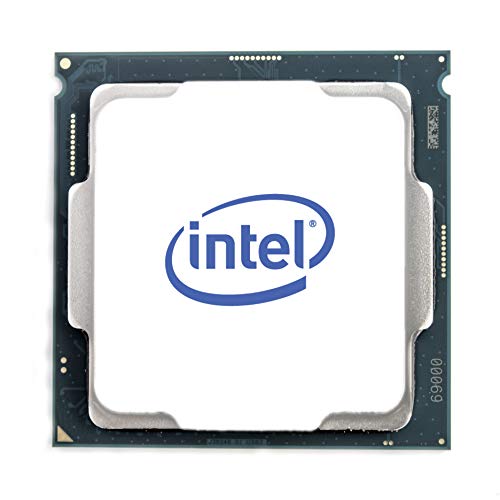
Intel Core i9-10900KF Desktop Processor

AMD Ryzen 7 5800X3D Desktop Processor

Intel Core Ultra 7 Processor 270K Plus

Intel Core i9-10980XE Processor LGA2066
More Details On Our Top Picks
Enthusiast desktops handling modern games, streaming, and demanding creative software can make good use of the 285K’s 24-core layout. Its 8 P-cores, the high-speed performance cores, work alongside 16 E-cores, which handle lighter background tasks efficiently.
PCIe 5.0 and DDR5 support give a new build room for current storage, graphics, and memory choices. The trade-off is platform cost, since this processor requires an Intel 800 Series chipset motherboard and a suitable cooler, so it suits a fresh high-end build more than a low-cost swap.
Strong Points
- Twenty-four cores provide useful headroom for simultaneous gaming, streaming, and rendering.
- Unlocked operation gives experienced desktop builders room to tune performance.
- DDR5 and PCIe 5.0 support help keep the surrounding system current.
- The hybrid core arrangement can keep background work from crowding heavier applications.
Things To Consider
- A new LGA1851 and Intel 800 Series platform adds motherboard and memory planning.
- High-output builds need careful cooler selection and case airflow.
Key Specs
Who It Suits Best
You’ll get the most from this processor in a new enthusiast gaming, streaming, or creator desktop.
Consider Something Else When
Choose the AMD Ryzen 9 5900XT instead for an existing AM4 workstation that already has suitable DDR4 memory.
Sixteen cores and 32 threads make the Ryzen 9 5900XT a practical fit for editing, compiling, 3D work, and heavy multitasking. A thread is a schedulable stream of processor work, so the generous thread count helps software divide long jobs across the chip.
The AM4 socket and DDR4-3200 support are its main ownership advantage for an established desktop. Compared with the Core Ultra 9 285K, this is an older platform with less expansion headroom, but you may find the upgrade path much easier when your motherboard and memory are already in place.
What We Like
- Sixteen cores and 32 threads suit sustained content creation.
- AM4 compatibility can reduce the parts that need replacement during an upgrade.
- Unlocked operation appeals to experienced users comfortable with manual tuning.
Trade Offs
- The cooler isn’t included, so installation requires a separate thermal solution.
- DDR4 and PCIe 4.0 keep the platform behind newer Intel options.
- Older AM4 boards may need firmware preparation before installation.
- Long rendering sessions call for good case airflow around the socket.
Feature Snapshot
Made For
This processor fits AM4 desktop owners who want more multi-threaded capacity without rebuilding around a new memory standard.
Another Choice May Suit
The AMD Ryzen 7 5800X3D makes more sense for AM4 systems focused mainly on gaming rather than rendering.
Existing LGA1200 desktops get a straightforward high-core upgrade route with the unlocked Core i9-10900KF. Its 10 cores and 20 threads remain useful for gaming, streaming, and general creator work, especially beside a capable discrete graphics card.
The “F” suffix means processor graphics aren’t included, so a separate graphics card is mandatory for display output. That limitation is easy to plan around in a gaming tower, though it makes the 10900KF less flexible than the newer Core Ultra choices for a brand-new build.
Highlights
- Ten cores and 20 threads provide a meaningful step up for compatible older desktops.
- Unlocked tuning supports manual performance adjustments for experienced builders.
- Up to 5.3 GHz suits games and applications that favor strong single-core response.
- A discrete graphics setup aligns naturally with gaming-focused systems.
- Its familiar LGA1200 fit can simplify an upgrade compared with a full platform change.
Room For Improvement
- Only Intel 400 Series chipset motherboards are listed as compatible.
- No processor graphics means display troubleshooting requires a separate graphics card.
Quick Facts
Right Fit For
Choose it for a gaming enthusiast upgrading an existing LGA1200 desktop with a separate graphics card.
Look Elsewhere When
Pick the Intel Core Ultra 7 Processor 270K Plus for a new DDR5 system with newer expansion support.
Gaming-focused AM4 desktops have a particularly clear upgrade candidate in the Ryzen 7 5800X3D. Its 3D V-Cache technology adds stacked cache memory, with 96 MB of L3 cache listed, helping game workloads that benefit from keeping more data close to the processor.
Eight cores and 16 threads cover gaming, chat, recording, and ordinary creative tasks without the broader workstation focus of the Ryzen 9 5900XT. You may find the platform refresh appealing for a mature AM4 system, though the cooler requirement and DDR4-only design make it less suitable for a completely new build.
Upsides
- Large L3 cache is tailored toward game workloads.
- Eight cores and 16 threads handle gaming with background applications.
- AM4 and DDR4-3200 support make it relevant to existing AMD desktops.
Points To Note
- A separate high-performance cooler is required for installation.
- Its eight-core layout is less suitable for heavy rendering than the 5900XT.
- PCIe 4.0 support depends on compatible X570 or B550 motherboard use.
Details At A Glance
Best Suited To
This chip suits AM4 gamers who want a gaming-oriented refresh while keeping existing DDR4 memory.
A Better Fit Elsewhere
The AMD Ryzen 9 5900XT is the stronger match for AM4 users whose schedule centers on video production or rendering.
New desktops built around Intel’s 800 Series chipset can use the Core Ultra 7 270K Plus as a balanced route to modern gaming and creator performance. Like the Core Ultra 9 285K, it combines 8 P-cores with 16 E-cores, giving you 24 total cores for demanding mixed workloads.
Its listed 5.5 GHz ceiling sits just below the Ultra 9’s 5.7 GHz figure, while DDR5 and PCIe 5.0 support keep the surrounding platform current. The honest trade-off is that you must budget for an LGA1851 motherboard and compatible cooling, making this a planned new build rather than a casual socket swap.
Bright Spots
- Twenty-four cores suit multitasking across games, creative applications, and background work.
- DDR5 memory support gives new systems a current foundation.
- PCIe 5.0 and PCIe 4.0 support accommodate a broad range of expansion hardware.
- The slightly lower frequency than the Ultra 9 can make its positioning easier for balanced builds.
Small Caveats
- It requires an Intel 800 Series chipset motherboard with the matching socket.
- New memory, board, and cooler planning raises installation complexity.
Core Details
Who Will Love This
Choose this processor for a new gaming or creator desktop that needs modern memory and expansion support without moving to the Ultra 9 tier.
Reach For A Different Pick When
The Intel Core i9-10900KF suits an existing LGA1200 gaming desktop where a full platform rebuild isn’t wanted.
Workstation owners with an LGA2066 board may still value the i9-10980XE’s 18 cores and 36 processing threads. Its HEDT, or high-end desktop, design emphasizes parallel work such as rendering, simulation, and large project exports rather than a compact mainstream build.
The 165W power rating and 3.0 GHz base frequency point toward substantial cooling and a well-ventilated case. Compared with the newer Core Ultra processors, this model belongs to a much older platform, but its broad core count can extend the useful life of compatible legacy hardware.
Plus Points
- Eighteen cores and 36 threads suit heavily parallel workstation applications.
- 24.75 MB of cache keeps frequently accessed data close to the processor.
Areas To Watch
- The LGA2066 socket sharply limits motherboard compatibility.
- A 165W power rating demands serious cooling and airflow planning.
- Its older platform lacks the newer memory and expansion features found on Core Ultra systems.
Technical Sheet
Whose Shelf It Belongs On
This processor is for workstation owners who already have an LGA2066 system and need many threads for production workloads.
Swap It Out When
The Core Ultra 9 Processor 285K is the more suitable route for a new desktop requiring modern DDR5 and PCIe 5.0 support.
How To Choose The Right Performance Cpus
Match Core Design To Your Workload
Core count matters most when software can divide work across several processing threads. Video encoding, code compilation, 3D rendering, and virtual machines benefit from the 16-core Ryzen 9 5900XT or 18-core i9-10980XE, while many games still respond strongly to fast individual cores and generous cache.
Intel’s P-core and E-core layout takes a different approach. P-cores handle demanding foreground tasks, while E-cores manage lighter work, which can help a gaming stream, browser tabs, and system services share the desktop more smoothly.
Check The Socket Before Anything Else
A processor only fits the motherboard family designed for its socket. The Core Ultra 9 285K and Ultra 7 270K Plus require Intel 800 Series boards, the Ryzen choices use AM4, the i9-10900KF uses LGA1200, and the i9-10980XE uses LGA2066.
That distinction determines whether you need a full platform replacement. Existing AM4 owners may keep DDR4 memory with the Ryzen options, while a new Core Ultra build requires planning around DDR5 and the matching motherboard.
Plan Graphics, Cooling, And Power
The i9-10900KF has no processor graphics, so a discrete graphics card is part of the system plan. The other choices should still be matched with suitable graphics hardware for gaming or visual applications, but the 10900KF offers less flexibility for troubleshooting without a separate card.
Power and cooling deserve equal attention. The 125W Intel models and 165W i9-10980XE call for a cooler and case with enough capacity for sustained workloads, while the AMD models also require separate cooler planning because a cooler isn’t included in the supplied context.
Think About The Upgrade You Actually Need
A new creator desktop benefits from PCIe 5.0, DDR5, and the hybrid core design of the Core Ultra processors. An AM4 gaming system may gain more from the cache-focused Ryzen 7 5800X3D than from replacing the entire platform.
For an older Intel system, compatibility can matter more than headline frequency. Confirm the chipset, socket, firmware support, memory type, and cooler mounting arrangement before committing to an upgrade.
Things Worth Knowing First
Mistakes Worth Dodging
A common mistake is choosing a processor first and checking the motherboard afterward. Start with the socket and memory standard, then confirm chipset support, cooler compatibility, graphics requirements, and the power capacity of the complete desktop.
Another misstep is paying for many cores while mainly playing games at high refresh rates. The Ryzen 7 5800X3D’s large gaming cache may suit that use better than a workstation-focused 18-core model, while video editors and renderers can make better use of the Ryzen 9 5900XT or i9-10980XE.
Where The Extra Money Goes
Higher-tier processors generally bring more cores, larger cache, newer platform support, or a combination of those traits. Those additions matter most during long exports, simultaneous applications, high-resolution content work, and demanding multitasking.
Gaming-only systems may gain less from extra workstation capacity. A new creator who also streams can justify the Core Ultra 9 285K, while a person refreshing an older AM4 gaming tower may get a more sensible result from the 5800X3D.
Final Verdict
Your best route depends on the system around the processor, not just the model name. The Core Ultra 9 285K and Ultra 7 270K Plus suit new DDR5 desktops, while the Ryzen 9 5900XT and Ryzen 7 5800X3D keep AM4 upgrades practical. Older Intel platforms still have clear uses, especially the i9-10900KF for LGA1200 gaming systems and the i9-10980XE for LGA2066 workstations. Check socket, memory, graphics, cooling, and workload fit first, then choose the chip that leaves your complete desktop balanced.
