
A smooth 4K gaming setup depends on more than your graphics card. You also need a processor that can keep frame delivery consistent, handle background apps, and fit your motherboard, memory, and cooling plan. This shortlist covers enthusiast desktop chips, upgrade-friendly AM4 options, and a complete gaming PC for anyone who’d rather skip the build process. You’ll find sensible choices for competitive play, demanding creative work, and long gaming sessions at home. The main challenge is matching processor architecture and platform support to your existing parts, since a powerful chip can still become an expensive project when the socket or memory standard doesn’t line up.
The Shortlist At A Glance

Intel® Core™ Ultra 9 Processor 285K

AMD Ryzen™ 9 5900XT 16-Core Desktop Processor
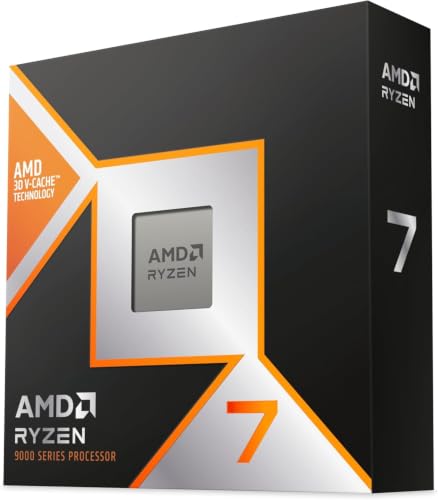
AMD Ryzen™ 7 9850X3D Desktop Processor

AMD Ryzen 7 5800X3D Desktop Processor

Intel® Core™ Ultra 7 Processor 270K Plus

suevery Prebuilt Gaming PC Core I9 RTX 5060TI 8G
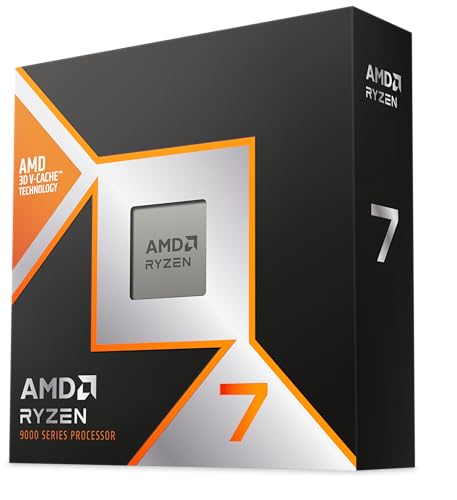
AMD RYZEN 7 9800X3D Desktop Processor
More Details On These Picks
For a workstation that also handles 4K gaming, the 285K brings 24 cores in a hybrid layout: eight performance cores handle demanding foreground work, while 16 efficiency cores help with background tasks. Its unlocked design suits experienced builders who want tuning flexibility, though the platform requires an Intel 800 Series motherboard and DDR5 memory.
PCIe 5.0 and 4.0 support gives newer graphics cards and storage devices room to connect, while the 125W base power points toward a serious cooling setup. You may find that extra platform cost matters more than the processor itself during a full rebuild, but streamers and creators can make good use of its broad workload focus.
Strong Points
- Twenty-four cores provide useful headroom for gaming beside streaming, editing, or file work.
- DDR5 and PCIe 5.0 support suit a modern desktop that you plan to expand.
- Unlocked operation gives experienced PC builders more control over tuning.
- Intel lists 24/7 assistance and repair-plan support for eligible coverage.
Things To Consider
- New motherboard, memory, and cooling requirements can make installation more involved.
- A 125W base power rating calls for careful cooler selection and case airflow.
Key Specs
Who It Suits Best
You’ll get the most from it as an enthusiast gamer, streamer, or creator building a new DDR5 desktop.
Consider Something Else When
AMD RYZEN 7 9800X3D suits you more when gaming takes priority and you already plan a focused AM5 build.
AM4 owners get a different kind of appeal here: 16 cores and 32 threads can extend an established desktop without forcing a move to DDR5. The Zen 3 architecture, 4.8 GHz boost ceiling, and unlocked multiplier make the chip useful for gaming plus rendering, recording, or heavy multitasking.
Compared with Intel Core Ultra 9 285K, this AMD option belongs to an older memory and socket family, so it makes more sense as an upgrade than as the center of a fresh high-end build. The cooler isn’t included, and you may need a BIOS check before installation, yet existing AM4 systems can avoid a much larger platform change.
What We Like
- Sixteen cores and 32 threads support substantial multitasking.
- DDR4-3200 compatibility helps preserve existing memory.
- PCIe 4.0 fits many current graphics and storage configurations.
Worth Noting
- No cooler is supplied, so cooling becomes a separate installation task.
- AM4 limits future platform features compared with newer DDR5 systems.
- Overclocking requires suitable motherboard power delivery and airflow.
Feature Snapshot
Made For
You’ll appreciate it most as an AM4 owner seeking stronger multitasking without replacing the entire core platform.
Not Your Match When
Intel® Core™ Ultra 7 Processor 270K Plus fits you better for a new DDR5 desktop with PCIe 5.0 support.
Gaming-focused shoppers get a current Ryzen 7 desktop processor built around AMD’s 3D V-Cache approach, where extra cache stores more frequently needed game data close to the cores. That design can suit high-refresh play and simulation-heavy games, especially alongside a capable graphics card.
Unlike the 5900XT’s 16-core productivity emphasis, the 9850X3D points toward a more specialized gaming build. The source details don’t provide platform, clock, or cache figures beyond the model identity, so you should verify motherboard and cooler compatibility on the listing before assembly.
Highlights
- 3D V-Cache targets game workloads that benefit from a larger nearby data pool.
- Ryzen 7 positioning keeps the design focused on desktop gaming use.
- Its newer model family gives a fresh-build approach rather than an AM4 retrofit.
- You can pair it with a strong graphics card for a dedicated 4K system.
- 24/7 support is listed for eligible coverage plans.
Trade Offs
- Missing platform details make pre-installation compatibility checks especially important.
Technical Sheet
Right Fit For
You’re a dedicated gamer planning a current desktop and willing to confirm the supporting platform before installing the chip.
Look Elsewhere When
AMD Ryzen™ 9 5900XT suits you more when your existing AM4 computer also serves demanding creator workloads.
For an AM4 desktop that still has useful life left, the 5800X3D offers eight cores, 16 threads, and AMD 3D V-Cache. Cache means high-speed onboard memory for frequently used data, which can help game-heavy systems maintain responsive frame delivery without moving to a new socket.
Its DDR4-3200 support keeps the upgrade familiar, while PCIe 4.0 works with X570 and B550 motherboards. The honest trade-off is age: newer chips such as AMD Ryzen™ 7 9850X3D offer a fresher starting point, and the included parts list does not include a cooler.
Upsides
- Eight cores and 16 threads remain suitable for gaming and everyday desktop work.
- 3D V-Cache gives AM4 gaming systems a specialized upgrade route.
- DDR4 support reduces the need to replace an existing memory kit.
Minor Gripes
- A separate high-performance cooler is needed for installation.
- Compatibility depends on a supported B550 or X570 motherboard and firmware.
- AM4 offers less expansion room than a newer platform.
Quick Facts
Best Suited To
You’ll find the strongest fit as an AM4 gamer with a B550 or X570 desktop who wants to extend existing hardware.
A Better Fit Elsewhere
AMD Ryzen™ 7 9850X3D suits you more for a newer gaming build where platform longevity matters more than retaining DDR4.
Intel’s Core Ultra 7 270K Plus takes the same broad hybrid idea as the Ultra 9, with eight performance cores and 16 efficiency cores. Its 5.5 GHz ceiling and modern DDR5 support make it suitable for a new gaming desktop that also handles recording, productivity, or creative software.
Compared with the 285K, the lower tier may make more sense for a gaming-first build that doesn’t need every ounce of multi-app headroom. You’ll still need an Intel 800 Series motherboard, LGA1851 socket, and a cooling plan for the 125W base power, so this isn’t a casual drop-in upgrade.
Plus Points
- Twenty-four total cores support gaming alongside demanding background tasks.
- PCIe 5.0 and 4.0 connectivity prepares the system for varied expansion hardware.
- DDR5 support gives a new build access to current memory technology.
- The 5.5 GHz maximum frequency suits responsive desktop play.
Room For Improvement
- The LGA1851 platform requires a compatible motherboard and new memory planning.
- 125W base power makes case ventilation and cooler fit worth checking early.
At A Glance
Who Will Love This
You’re a new-system builder who wants a flexible Intel desktop for gaming, streaming, and everyday creation.
Swap It Out When
AMD Ryzen 7 5800X3D is a better fit for an existing AM4 system where preserving DDR4 matters.
A complete desktop changes the decision entirely. The suevery bundle combines a 14th Gen Core i9-14900HX processor with an RTX 5060 Ti 8G graphics card, 16GB of DDR5 RAM, and a 1TB NVMe SSD, so you can avoid choosing every internal part separately.
That convenience suits a first gaming PC or a home office that also handles 4K play, though custom builders get less control over the motherboard, cooling, and future upgrade path. The listing also describes setup and connectivity assistance, which may be useful during initial installation, while the tower format still needs sensible desk space and airflow.
Bright Spots
- The processor, graphics card, memory, and storage arrive as one coordinated desktop package.
- Sixteen gigabytes of DDR5 gives current games and everyday multitasking a workable starting point.
- A 1TB NVMe SSD provides fast local storage for a game library and applications.
- Setup and troubleshooting assistance can reduce friction for first-time PC owners.
- The 24-core, 32-thread processor supports more than gaming alone.
Points To Note
- Prebuilt components can offer less replacement and upgrade flexibility than a custom system.
- Sixteen gigabytes of RAM may feel restrictive for heavy creator workloads.
- You should confirm display outputs, case dimensions, and included accessories before setup.
Feature Rundown
Whose Shelf It Belongs On
You’re a first-time desktop owner who wants a ready-made 4K gaming setup with minimal component matching.
Where A Sibling Pick Shines
Intel® Core™ Ultra 9 Processor 285K fits you better when you already own a graphics card and want full control over the build.
Dedicated gaming builds have a clear reason to consider the Ryzen 7 9800X3D. Its eight cores and 16 threads pair with 96MB of L3 cache, while 3D V-Cache places additional game data close to the processing cores for demanding play and high-refresh displays.
Compared with Intel Core Ultra 7 270K Plus, this chip uses a narrower gaming-first approach rather than a hybrid core layout. The source details identify a Zen 5 design, up to 5.2 GHz, and improved thermal behavior over the prior generation; still, you’ll need to confirm the AM5 motherboard and cooling plan before installation.
Reasons To Buy
- Zen 5 architecture targets current gaming and creator workloads.
- Eight cores and 16 threads provide useful game and desktop flexibility.
- 96MB of L3 cache suits games that benefit from abundant nearby data.
- The design emphasizes thermal behavior while allowing higher clock speeds.
Honest Caveats
- A dedicated graphics card remains necessary for serious 4K gaming.
- AM5 motherboard and cooler compatibility should be confirmed before assembly.
Core Details
The Right Fit
You’re building a dedicated gaming desktop and want a current AMD chip with cache-focused game design.
Reach For A Different Pick When
suevery Prebuilt Gaming PC Core I9 RTX 5060TI 8G suits you more when you want a complete computer instead of a standalone processor.
How To Choose The Right Processors For 4k Gaming
Start With Your Graphics Card
At 4K resolution, your graphics card usually carries the larger rendering workload, so a processor upgrade won’t fix every frame-rate limit. You still need enough CPU capacity for game logic, background software, streaming, and high-refresh play. A Ryzen 7 gaming chip can suit a focused build, while a 16-core or hybrid 24-core option makes more sense for gaming beside editing or broadcasting.
Match The Socket And Memory
Socket compatibility determines whether a processor can physically and electronically work with your motherboard. AM4 options such as the Ryzen 9 5900XT and Ryzen 7 5800X3D use DDR4, while newer platforms may require DDR5 and a different board. Check the motherboard chipset, firmware support, memory type, and cooler mounting system before placing an order.
Read Core Counts In Context
A core is an independent processing unit, while a thread is a stream of work that the processor can manage. Higher counts help with video encoding, browser-heavy multitasking, and content creation, but a gaming-first design may place greater emphasis on cache and game responsiveness. That’s why an eight-core X3D processor can make more sense for a dedicated gaming desk than a higher-core chip built for mixed workloads.
Plan Cooling And Expansion
Processor base power gives you a useful starting point for cooler and airflow planning, but case size and graphics-card clearance also matter. PCIe 5.0 support can help a new build accommodate future expansion hardware, while PCIe 4.0 remains relevant for many existing systems. A prebuilt shifts those decisions to the manufacturer, whereas a standalone chip gives you more control and more installation responsibility.
What To Weigh Before You Commit
Mistakes Worth Dodging
Socket names can look similar while supporting very different boards and memory kits. Match the processor to the exact motherboard family, then confirm firmware support, cooler clearance, and available power connections. An AM4 upgrade and an LGA1851 rebuild are very different projects, even though both target desktop gaming.
Another common mistake is spending heavily on CPU power while leaving the graphics card undermatched for 4K output. Check your display resolution, target refresh rate, and game types first, then balance the processor against the graphics hardware.
Where The Extra Money Goes
Higher-tier processors usually charge for more cores, newer architecture, expanded cache, faster connectivity, or greater multitasking capacity. Those additions matter more to streamers, creators, and high-refresh gamers than to someone playing visually demanding titles at a graphics-card limit.
Spending up makes sense for a new build that you expect to keep for several years, especially with DDR5 and PCIe 5.0 support. An existing AM4 desktop can make better use of a focused upgrade such as the Ryzen 7 5800X3D, since retaining your motherboard and memory changes the value calculation.
Final Verdict
You can match this shortlist to almost any 4K gaming plan, from a complete suevery desktop to a focused AMD X3D build or a high-core Intel workstation. The Ryzen 7 9800X3D fits dedicated gaming especially well, while the Core Ultra 9 285K gives creators more parallel workload capacity. AM4 owners should look closely at the Ryzen 7 5800X3D and Ryzen 9 5900XT before replacing an entire platform. Start with your motherboard, graphics card, and memory, then choose the processor that supports the system you actually plan to use.
