
Choosing a gaming processor means matching core count, platform, memory support, and graphics-card plans to the way you actually use your desktop. A casual 1080p setup needs a different balance than a high-refresh competitive rig that also handles streaming, editing, or 3D work. This shortlist covers affordable AM4 upgrades, efficient AM5 choices, and high-end X3D models built for demanding game libraries. You’ll also see the practical trade-offs around cooling, motherboard compatibility, installation, and upgrade room, so your next processor fits your system instead of creating another expensive parts list.
Your Shortlist At A Glance

AMD Ryzen 9 5900XT 16-Core Desktop Processor
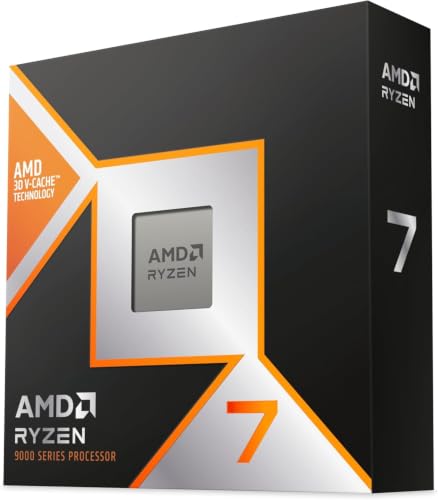
AMD Ryzen 7 9850X3D Desktop Processor
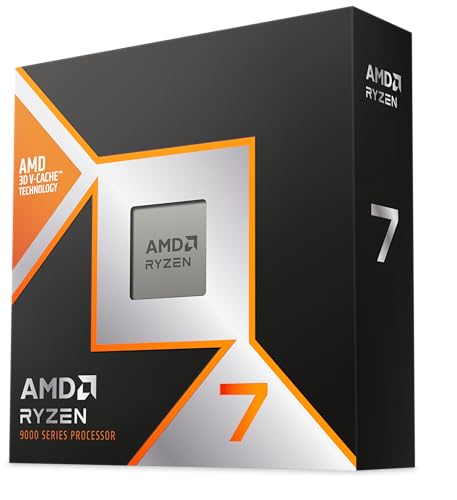
AMD Ryzen 7 9800X3D Desktop Processor

AMD Ryzen 5 5500 Desktop Processor with Wraith Stealth Cooler

AMD Ryzen 9 9950X3D 16-Core Processor

AMD Ryzen 5 9600X Desktop Processor

AMD Ryzen 7 7800X3D Desktop Processor
More Details On Our Top Picks
Sixteen cores and 32 threads give the Ryzen 9 5900XT a useful advantage for gaming alongside streaming, browser tabs, and recording software. Its Zen 3 architecture and 4.8 GHz boost specification keep it relevant for an AM4 desktop that already has compatible parts.
You may find this a sensible route for extending an older gaming tower without replacing the motherboard and memory. The catch is that DDR4 support and AM4 compatibility limit your forward upgrade path, while the missing cooler adds another installation decision.
Strong Points
- Sixteen cores handle multitasking more comfortably than six-core options.
- Thirty-two threads suit streaming, editing, and game capture alongside play.
- Unlocked operation gives experienced desktop builders room to tune performance.
- DDR4-3200 support helps existing AM4 systems avoid a full memory change.
- PCIe 4.0 support works well with compatible graphics and storage hardware.
Things To Consider
- A separate cooler is required, so installation planning matters.
- AM4 and DDR4 keep the platform practical, but less suited to a brand-new long-term build.
Key Specs
Who It Suits Best
You’ll get the most value from this processor as an AM4 owner who games, streams, and creates without rebuilding the entire desktop.
Where Another Pick Suits Better
Choose the AMD Ryzen 5 9600X Desktop Processor for a new AM5 system with DDR5 support and a longer platform runway.
For a high-refresh gaming desktop, the Ryzen 7 9850X3D is aimed squarely at frame-rate-focused use rather than broad workstation duties. Its X3D designation points to AMD’s stacked cache approach, a design intended to keep more game data close to the cores.
That focus makes sense for competitive play and demanding modern titles, though you’ll want a compatible current platform and capable cooling plan. Depending on your graphics card and display resolution, the visible gain may be smaller than the specification suggests.
What We Like
- Eight cores and 16 threads provide a strong foundation for current games.
- X3D cache design is tailored to game workloads.
- A natural fit for high-refresh monitors and fast graphics cards.
Worth Noting
- Gaming-first design is less compelling for heavily threaded production work.
- Plan the motherboard, memory, and cooling together before installation.
- Owners building around older AM4 parts cannot treat this as a direct drop-in upgrade.
Feature Snapshot
Made For
You’re the right match for this option as a competitive gamer building around a high-refresh display and a strong discrete graphics card.
Consider Something Else When
The AMD Ryzen 9 9950X3D 16-Core Processor suits you more as a creator who also needs substantial rendering and encoding capacity.
The Ryzen 7 9800X3D balances eight Zen 5 cores, 16 threads, and 96 MB of L3 cache for a gaming-centered desktop that still handles everyday creation. L3 cache is fast memory built into the processor, and the generous capacity can help games keep frequently needed data close at hand.
With boost speeds reaching 5.2 GHz and improved thermal behavior described in the source material, this is a compelling enthusiast foundation. You may prefer it over the newer Ryzen 7 9850X3D depending on platform cost and the games you play, since graphics-card limits can reduce differences at higher resolutions.
Highlights
- Zen 5 architecture brings a newer core design than the AM4 Ryzen 9 5900XT.
- Large 96 MB L3 cache is especially relevant to game-heavy systems.
- Eight cores and 16 threads leave room for voice chat, capture, and multitasking.
- Up to 5.2 GHz boost supports brisk single-threaded response.
Trade Offs
- A separate cooling solution belongs in your build plan.
- AM5 platform costs can rise once DDR5 memory and a compatible board are included.
At A Glance
Right Fit For
You’ll appreciate this choice in a new AM5 gaming build focused on smooth play, strong minimum frame rates, and some content work.
A Better Fit Elsewhere
The AMD Ryzen 7 7800X3D Desktop Processor may suit you better for a more established eight-core AM5 gaming configuration.
A six-core, 12-thread layout gives the Ryzen 5 5500 enough breadth for popular games, schoolwork, and ordinary desktop tasks. The included Wraith Stealth cooler simplifies a first build, which matters in a small home workspace where every extra component adds another installation step.
This AM4 processor needs a discrete graphics card, so your full system plan must include one. The honest trade-off is older platform technology and a smaller 19 MB cache than the premium choices, but the straightforward bundle remains appealing for a starter gaming tower.
Upsides
- Six cores and 12 threads cover gaming and everyday multitasking.
- Bundled Wraith Stealth cooler reduces the parts list for a new build.
- Unlocked design gives you tuning flexibility with suitable supporting hardware.
Room For Improvement
- A discrete graphics card is required for gaming.
- AM4 and DDR4-3200 offer less upgrade room than the AM5 options.
- Compact stock cooling may leave less thermal headroom for sustained tuning.
Technical Sheet
Who Will Love This
You’ll find the Ryzen 5 5500 especially practical for a first desktop build using an AM4 board, DDR4 memory, and a separate graphics card.
Not Your Match When
The AMD Ryzen 5 9600X Desktop Processor is a better fit for your new-build plans centered on AM5 and DDR5.
Sixteen cores make the Ryzen 9 9950X3D the natural choice for a desktop that must game and create without treating either task as secondary. Second-generation 3D V-Cache adds extra game-oriented cache, while the Zen 5 architecture and up to 5.7 GHz boost target demanding workloads.
For streaming, rendering, encoding, and high-end game play, the broad capacity can save you from splitting work across separate machines. You’ll need an AM5 motherboard and a serious cooling plan, and the extra cores may be unnecessary for a gaming-only system.
Best Bits
- Sixteen cores and 32 processing threads suit heavy multitasking.
- 3D V-Cache technology keeps gaming central to the design.
- Up to 5.7 GHz boost supports demanding interactive workloads.
- Zen 5 architecture gives a modern base for a high-end AM5 desktop.
- Strong fit for creators who also play at high settings.
Minor Gripes
- Its full potential can be wasted in a gaming-only build with modest background tasks.
- Cooling, board selection, and case airflow deserve careful planning.
Feature Rundown
Built With In Mind
You’re the ideal match as a streamer, editor, developer, or creator who wants one AM5 desktop for both production and high-end gaming.
Swap It Out When
The AMD Ryzen 7 9800X3D Desktop Processor better suits you as a gaming-first user who has little need for sixteen cores.
Six cores and 12 threads keep the Ryzen 5 9600X approachable, while Zen 5, a 5.4 GHz maximum boost, and 38 MB of cache give a new gaming desktop a modern performance base. DDR5-5600 support also moves your memory choice beyond the older AM4 models here.
You may find this the cleanest match for a balanced gaming system, especially with a midrange or upper-midrange graphics card. The platform shift means a new AM5 board and DDR5 memory belong in the budget, and the processor does not include a cooler.
Bright Spots
- Zen 5 architecture provides a current-generation foundation.
- Six cores and 12 threads handle games, voice chat, and ordinary creation.
- Up to 5.4 GHz boost supports quick single-threaded response.
- DDR5-5600 support suits newer AM5 desktop builds.
Points To Note
- A separate cooler adds another component to install and maintain.
- AM5 and DDR5 raise the scope of a platform upgrade compared with Ryzen 5 5500.
Core Details
Whose Shelf It Belongs On
You’ll get the best fit from this model as a new-system builder seeking modern gaming performance without stepping up to sixteen cores.
Reach For A Different Pick When
The AMD Ryzen 7 7800X3D Desktop Processor is better suited to your plan for a dedicated eight-core gaming machine.
The Ryzen 7 7800X3D keeps its design focused with eight cores, 16 threads, and substantial built-in game cache. Its Zen 4 generation, 5 nm process, and listed 89°C maximum operating temperature make it a focused AM5 option for a gaming desktop rather than a general workstation.
Compared with the Ryzen 5 9600X, you get two additional cores and the X3D cache approach, which can make sense for a graphics-card-led system. Depending on your game library and display, the newer Ryzen 7 9800X3D may justify its place instead, but this model remains a sensible route for focused play.
Reasons To Buy
- Eight cores and 16 threads give games plenty of processing capacity.
- X3D cache is designed around game-heavy workloads.
- AM5 compatibility leaves room for a newer platform than AM4.
- The 5 nm process supports a compact, modern processor design.
Small Caveats
- The 89°C maximum operating temperature makes cooler selection and case airflow worth attention.
- Its gaming emphasis gives you less reason to choose it for heavily threaded creation.
- AM5 installation requires compatible DDR5-era components.
Quick Facts
Best Suited To
You’re a strong match as a gamer building an AM5 desktop around a discrete graphics card and an eight-core workload.
Another Choice May Suit
The AMD Ryzen 9 9950X3D 16-Core Processor fits you better as a creator who needs extensive rendering and gaming capacity in one machine.
How To Choose The Right Processors For Gaming
Match The Processor To Your Graphics Card
Your graphics card usually carries the largest share of game-rendering work, especially at higher resolutions. A six-core chip can make sense for a balanced 1080p or 1440p desktop, while eight or more cores give you more room for streaming, capture, browser tabs, and background utilities.
At very high frame rates, processor speed and cache matter more because the CPU must prepare frames quickly. X3D models such as the Ryzen 7 9800X3D and Ryzen 7 7800X3D target that kind of game-focused workload.
Count Cores With Your Routine In Mind
A core is an independent processing unit, while a thread is a virtual task path that helps the processor manage simultaneous work. Six cores and 12 threads cover mainstream gaming well, but 16 cores and 32 threads make more sense for editing, compiling, rendering, and streaming at the same time.
You don’t need a sixteen-core model solely because a game has a large installation size. Match the count to the software running beside your game.
Check The Platform Before Ordering
AM4 processors use DDR4 memory and can be a practical upgrade for an existing system. AM5 models require a compatible AM5 motherboard and DDR5 memory, so the processor choice affects several other parts.
A cooler also deserves attention. The Ryzen 5 5500 includes a Wraith Stealth cooler, while several higher-tier choices listed here require a separate cooling solution.
Think About Upgrade Room
A new AM5 build gives you a newer platform foundation, while AM4 can reduce the scope of an upgrade when your existing board and memory already fit. PCIe support matters too, because the interface connects the processor platform to graphics cards and storage devices.
For daily gaming, focus on the display resolution, refresh rate, graphics card, and games you play. That combination tells you more than core count alone.
Before You Choose, Check These Details
Mistakes Worth Dodging
A common mistake is pairing a modern AM5 processor with an older AM4 motherboard, or forgetting that DDR4 and DDR5 are different memory standards. Check the socket, board firmware requirements, memory type, and cooler arrangement before you finalize the parts list.
Another easy miss is choosing a high-core-count processor for a system whose graphics card or display cannot take advantage of it. Put the full desktop balance ahead of a single impressive specification.
Where The Extra Money Goes
Higher-tier models usually add more cores, larger cache, newer architecture, or a stronger combination of gaming and creation capacity. X3D designs place particular emphasis on cache for game workloads, while Ryzen 9 models give you more parallel processing for editing and rendering.
The upgrade makes sense for high-refresh gaming, long-term AM5 builds, streaming, or professional applications. A six-core model remains more sensible for straightforward gaming with a midrange graphics card.
Closing Remarks
Your best choice depends on the desktop around the processor, not just the model name. The Ryzen 5 5500 suits an accessible AM4 build, the Ryzen 5 9600X gives you a modern six-core AM5 starting point, and the X3D options focus more directly on demanding game performance. Choose the Ryzen 9 9950X3D for serious mixed workloads, or stay with a Ryzen 7 model for a gaming-led system. Check socket, memory, graphics-card pairing, and cooling before committing, and you’ll end up with a setup that feels balanced in daily use.
