
Reviving an aging desktop on a tight budget means hunting for silicon that still drops into older motherboards. You might be restoring a family PC, assembling a retro gaming rig, or keeping an office workstation alive without swapping the entire platform. These selling processors cover several legacy sockets, from LGA 775 through AM3 and FM1, each targeting a different repair scenario. The challenge is matching the exact socket, thermal design power, and core count your board supports. Picking the wrong chip wastes money and bench time. Here is a focused shortlist to help you navigate those constraints.
The Shortlist At A Glance
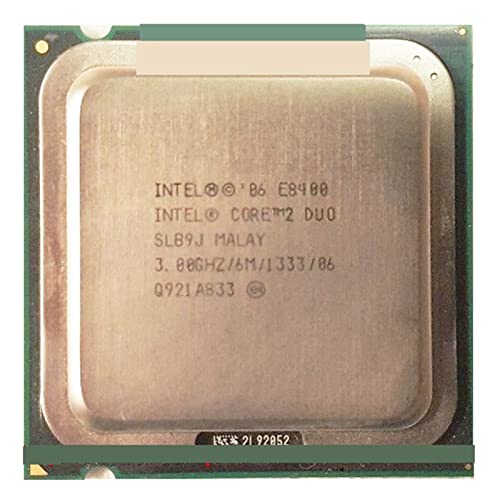
YDBSUCDS Core 2 Duo E8400 3.0GHz Socket 775

Generic II X4 650 3.2GHz Socket AM3
ONWEBAYK Core 2 Duo E8400 3.0GHz Socket 775
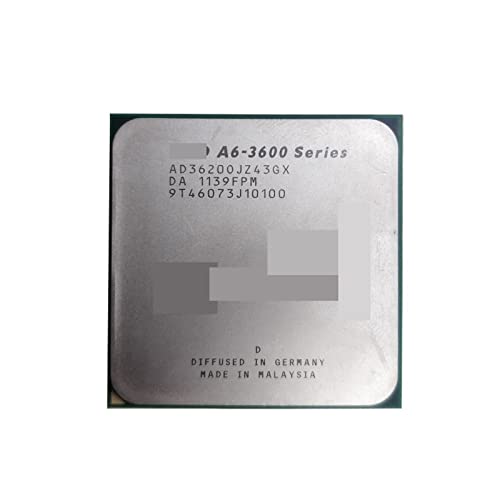
EWKYLSEM A6 3620 2.2GHz Socket FM1

Generic G2030 3.0GHz LGA 1155

YDBSUCDS Core 2 Duo E8600 3.33GHz Socket 775
More Details On Our Top Picks
Dropping a Core 2 Duo E8400 into a dormant LGA 775 board is one of the most cost-effective ways to breathe life back into a vintage desktop. This dual-core chip runs at 3.0 GHz with 6 MB of L2 cache, giving older systems enough grunt for web browsing, document editing, and light retro gaming. The 1333 MHz front-side bus speed keeps data moving reasonably fast for its era. Compared to the quad-core picks on this list, the E8400 trades raw multitasking muscle for simplicity and broad motherboard compatibility.
Owners reviving machines from the late 2000s will appreciate the straightforward installation. Assuming your motherboard BIOS supports the E8400, the chip drops in without jumper configuration or firmware flashes. You may find the stock cooler insufficient for sustained loads, so pairing it with a decent thermal compound matters.
Reasons To Buy
- 3.0 GHz clock speed handles basic daily computing without stalling
- 6 MB L2 cache speeds up repeated application loads
- 1333 MHz bus keeps data transfer respectable for legacy hardware
- Wide LGA 775 compatibility means fewer motherboard headaches
Things To Consider
- Dual-core architecture struggles with modern multi-threaded workloads
- Thermal paste application is critical since older coolers may be dried out
- BIOS updates are sometimes required for full recognition on certain boards
Quick Facts
Who Will Love This
Tinkerers restoring a late-2000s desktop for basic household tasks get the most value here.
Reach For A Different Pick When
Shoppers needing genuine quad-core multitasking on AM3 boards should look at the Generic II X4 650 instead.
Stepping up from the dual-core E8400, the II X4 650 brings four physical cores to the table at 3.2 GHz. That extra core count makes a tangible difference when multiple applications compete for attention on an aging workstation. The 2000 MHz HyperTransport link (the data pathway between the CPU and motherboard chipset) moves information faster than older front-side bus designs. Socket AM3 compatibility opens the door to a range of budget motherboards still circulating in repair circles.
For anyone maintaining an office machine that juggles spreadsheets, browser tabs, and background utilities, the quad-core layout reduces stalls noticeably. The 16x clock multiplier locks the speed relative to the bus, so overclocking headroom is minimal. You may find the OEM tray version lacks a stock cooler, meaning you need to source a compatible heatsink separately.
Plus Points
- Four cores handle multitasking noticeably better than dual-core alternatives
- 3.2 GHz base clock keeps single-thread responsiveness snappy
- HyperTransport link reduces data bottlenecks between CPU and chipset
- AM3 socket fits a wide range of boards from that generation
- 16x multiplier provides stable, predictable clock behavior
Room For Improvement
- OEM tray packaging typically omits the heatsink and fan
- 667 MHz bus speed may limit performance in memory-heavy tasks
- Power draw runs higher than the 65W alternatives on this list
Made For
Office IT volunteers repairing AM3-based workstations for moderate multitasking loads fit this chip best.
Look Elsewhere When
Anyone working with an LGA 1155 motherboard will find the Generic G2030 a far better socket match.
Here is a second source for the same E8400 silicon covered in pick one. The ONWEBAYK listing offers identical specifications: 3.0 GHz, 6 MB cache, and LGA 775 socket compatibility. Having an alternate vendor matters when inventory fluctuates on legacy stock. The brand difference does not change performance, but it may affect packaging, shipping speed, or the condition of the processor pins upon arrival.
Shoppers comparing this to the YDBSUCDS version should weigh listing availability and return policies rather than raw specs. Both chips deliver the same dual-core experience suited to light computing tasks. Pin condition is the real variable with older processors, so inspecting the contact pads before installation saves frustration.
Bright Spots
- Identical E8400 performance with an alternate supply source
- 6 MB L2 cache benefits repeated application launches
- 3.0 GHz clock handles word processing and web browsing smoothly
Points To Note
- Pin alignment on legacy stock requires careful visual inspection before mounting
- No included cooler means sourcing thermal management separately
- Dual-core limits show up quickly under modern multitasking demands
Right Fit For
Shoppers facing stock shortages on the primary E8400 listing benefit from this alternate source.
Consider Something Else When
Anyone wanting the fastest available LGA 775 chip should step up to the YDBSUCDS Core 2 Duo E8600 for its higher 3.33 GHz clock.
The A6 3620 targets the FM1 socket, a platform that never had a massive footprint but still powers plenty of compact office machines. Running at 2.2 GHz with a turbo frequency of 2.5 GHz, this quad-core chip balances modest speed with a 65W thermal envelope. That low heat output matters in small-form-factor cases where airflow is restricted. The 32nm manufacturing process (the size of individual transistors on the silicon) keeps power consumption in check compared to older 45nm parts.
Unlike the AM3-based II X4 650, this chip trades clock speed for thermal efficiency. The integrated memory controller handles DDR3 communication directly, reducing chipset latency. Owners of slimline desktops or all-in-one systems benefit most from this power profile.
Standout Traits
- 65W TDP suits compact cases with limited cooling capacity
- Quad-core design handles light multitasking without stalling
- Turbo boost to 2.5 GHz provides short bursts of extra speed
- FM1 socket fills a niche for Lynx-platform small desktops
Small Caveats
- 2.2 GHz base clock feels sluggish for anything beyond office tasks
- FM1 platform has limited upgrade paths beyond this chip tier
Best Suited To
Owners of slimline FM1 desktops needing a low-heat quad-core replacement will find this fits well.
Swap It Out When
Anyone needing more raw frequency on the same era of hardware should consider the YDBSUCDS Core 2 Duo E8600 for its higher clock speed.
Landing on the newer LGA 1155 socket, the G2030 represents a different generation entirely from the LGA 775 picks. This dual-core processor runs at 3.0 GHz with 3 MB of L3 cache (a shared memory pool that all cores access, sitting physically on the processor die). The 55W thermal design power makes it one of the coolest-running chips in this lineup. That low heat generation suits compact towers and office machines that spend hours idling between tasks.
Compared to the E8400, the G2030 benefits from a more modern architecture despite both running dual cores at 3.0 GHz. The integrated memory controller and on-die PCIe lanes give it a latency advantage. You may find the OEM tray version ships without a cooler, so budget for thermal management.
Upsides
- 55W TDP runs cool in tight chassis with minimal airflow
- 3 MB L3 cache speeds up repeated data access across both cores
- LGA 1155 platform supports newer chipsets and faster memory
- 3.0 GHz clock keeps single-thread tasks responsive
Trade Offs
- Dual-core design lags behind quad-core alternatives for multitasking
- OEM tray variants typically exclude the stock heatsink
- L3 cache is smaller than the 6 MB found on LGA 775 alternatives
- Pin damage during shipping is commonly reported on tray processors
Who Should Grab It
Shoppers repairing LGA 1155 office desktops with limited cooling capacity get the most from this chip.
Not Your Match When
Anyone needing quad-core throughput on AM3 should skip this and grab the Generic II X4 650 instead.
Sitting at the top of the Core 2 Duo stack, the E8600 pushes the clock to 3.33 GHz, the highest frequency among the LGA 775 picks here. That extra 330 MHz over the E8400 translates to a measurable bump in single-threaded responsiveness, which matters for older games and legacy applications that rarely use more than one core. The same 6 MB cache and 1333 MHz bus carry over, so the architecture remains familiar.
For enthusiasts squeezing the last bit of performance from a vintage LGA 775 build, this is the chip to chase. The honest read is that the real-world gap between the E8400 and E8600 is modest in daily tasks. The premium makes sense only for hobbyists who want the fastest binning available for that socket.
Positives
- 3.33 GHz clock delivers the highest single-thread speed on this list
- 6 MB L2 cache matches the E8400 for application responsiveness
- 1333 MHz front-side bus maintains solid data throughput
- LGA 775 compatibility covers a wide range of legacy motherboards
Honest Caveats
- Performance gain over the E8400 is marginal for most daily tasks
- Legacy stock carries risk of bent pins during transit
Whose Shelf It Belongs On
Enthusiasts building the fastest possible LGA 775 retro rig are the right match for this chip.
A Better Fit Elsewhere
Shoppers who just need a working LGA 775 chip for basic tasks will find the YDBSUCDS Core 2 Duo E8400 offers nearly identical performance for less.
What Matters Most When Choosing Selling Processors
Socket Compatibility Is Non-Negotiable
The socket type dictates whether a processor physically fits your motherboard. LGA 775, AM3, FM1, and LGA 1155 are completely different physical interfaces. A processor designed for one will not seat in another. Before purchasing, identify the exact socket printed on your motherboard or in its manual. Mismatching this single attribute wastes the entire purchase.
Thermal Design Power And Cooling
TDP, measured in watts, indicates how much heat the processor generates under load. Chips like the A6 3620 at 65W and the G2030 at 55W run cool enough for compact cases. Higher-wattage parts demand robust heatsinks. In a cramped chassis with weak airflow, a low-TDP processor prevents thermal throttling and extends component lifespan.
Core Count Versus Clock Speed
Dual-core chips like the E8400 and E8600 excel at single-threaded tasks but stall when several applications compete. Quad-core options such as the II X4 650 distribute the load better. Matching the core count to your workload matters more than chasing raw frequency for multitasking scenarios.
Cache Size And Memory Support
Cache is fast memory built into the processor that stores frequently accessed data. Larger caches reduce trips to system RAM, speeding up repeated operations. The E8400 and E8600 carry 6 MB of L2 cache, while the G2030 offers 3 MB of L3. Both designs benefit everyday computing, but the architecture difference means they are not directly comparable by numbers alone.
Before You Click Buy
Traps First Timers Fall Into
The most common mistake is assuming any processor in a family fits any motherboard in that family. BIOS support varies wildly between board manufacturers. A board physically labeled LGA 775 may not recognize an E8600 without a firmware update, and older BIOS revisions sometimes lack the microcode for later silicon steppings. Always cross-reference your motherboard’s CPU support list before committing. Another pitfall is ignoring the cooler. OEM tray processors ship without heatsinks, and reusing a dried-out thermal pad from a previous installation leads to overheating within minutes.
The Upgrade Payoff
Spending more on legacy silicon rarely unlocks a dramatically different experience. The jump from an E8400 to an E8600 adds 330 MHz, which translates to a modest single-digit percentage gain in most real-world tasks. The real value tier sits with quad-core options like the II X4 650, where the extra cores genuinely change how the system handles concurrent workloads. For most repair scenarios, a mid-tier chip with matching socket and a fresh thermal application delivers more practical benefit than chasing the top binning.
Frequently Asked Questions
Will these processors work in modern motherboards?
No. Every chip on this list targets legacy sockets like LGA 775, AM3, FM1, and LGA 1155. Modern motherboards use entirely different socket designs and are physically incompatible.
Do these processors come with a cooler?
Most listings on this list appear to be OEM tray versions, which typically exclude the heatsink and fan. You should verify the listing contents and budget for a compatible cooler separately.
Can I use the E8400 and E8600 in the same motherboard?
Both processors share the LGA 775 socket, but motherboard BIOS support varies. Check your board’s CPU compatibility list to confirm it recognizes the E8600 before purchasing.
What does the front-side bus speed mean?
The front-side bus connects the processor to the chipset and memory on older platforms. A 1333 MHz bus transfers data faster than a 1066 MHz bus, reducing bottlenecks in memory-intensive tasks.
Is a quad-core processor always better than a dual-core?
Not necessarily. Quad-core chips handle multitasking better, but dual-core processors with higher clock speeds can outperform them in single-threaded applications that do not use multiple cores.
Closing Thoughts
Matching the right legacy processor to your repair scenario comes down to socket, thermal budget, and core count. The E8400 and E8600 serve LGA 775 builds well, while the II X4 650 fills the AM3 quad-core gap. The A6 3620 and G2030 cover FM1 and LGA 1155 respectively, both keeping heat low for compact cases. Whichever you choose, verify BIOS support and pair it with fresh thermal compound. That combination gets an aging system back on its feet without unnecessary guesswork.
