Finding the right beginner keyboard comes down to matching features to your practice routine. A model loaded with teaching tools feels pointless in a cramped apartment where space matters most. Conversely, a compact travel-friendly unit might frustrate someone serious about building proper finger technique. You need a balance of sound quality, learning support, and physical footprint that fits your daily life. This roundup covers six options across different skill levels and budgets.
The Shortlist At A Glance
Best Choice Products 54-Key Electronic Keyboard Piano

Pyle 37-Key Electric Piano
Essential Keyboard Repertoire Vol 5 (Maurice Hinson)
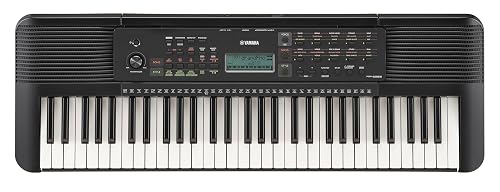
Yamaha PSRE283 61-Key Portable Keyboard
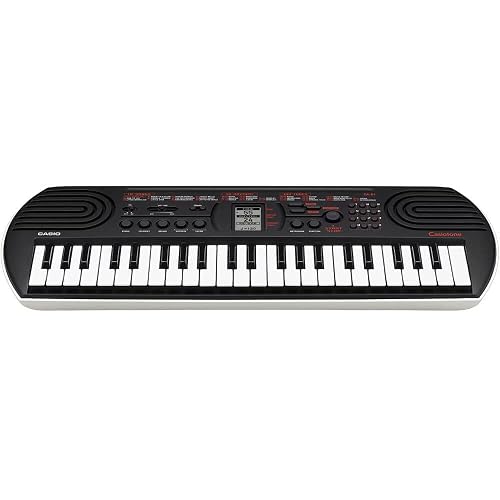
Casio Casiotone SA-81 Compact Keyboard
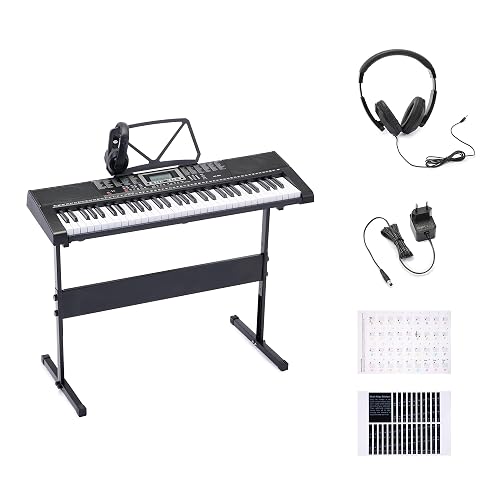
Amazon Basics 61-Key Portable Electric Keyboard
More Details On Our Top Picks
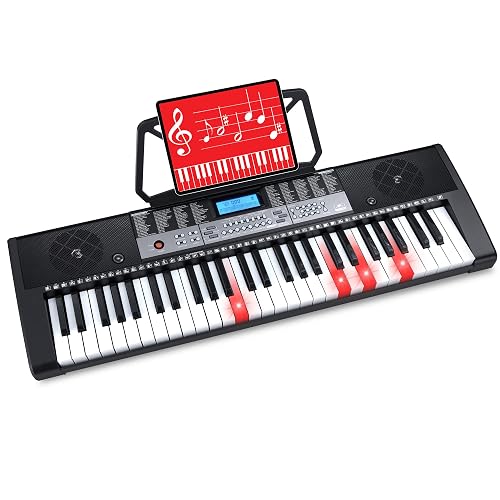
Fifty-four keys gives you just over four octaves of range, landing this model in the sweet spot for someone figuring out whether piano sticks as a hobby. The built-in LCD screen shows fingering guidance, a feature usually reserved for pricier models. Three teaching modes, One-Key, Follow, and Ensemble, walk you through basics at a starting tempo of 120 beats per minute. That tempo suits simple melodies but feels rushed once you tackle complex pieces.
Sound variety is generous here. You get 255 timbres (instrument voices), 255 rhythms, and 50 demo songs to play along with. In a dorm room or quiet study space, the built-in speakers hold up fine. Crank the volume too high and the low-end thins out, a common trait at this tier.
Strong Points
- 255 timbres and 255 rhythms offer far more sound variety than typical entry keyboards
- Three dedicated teaching modes help self-taught beginners build hand coordination
- LCD screen displays lesson feedback so you spend less time guessing
- Included power adapter means no battery hunting mid-session
- 54-key layout keeps the frame compact enough for a desk or tabletop
Things To Consider
- Keys are not full-sized, which may force a transition period before moving to a standard piano
- Speaker clarity drops at high volume, so headphones serve better for serious practice
- Plastic housing flexes under firm pressure, raising durability questions for rough households
Key Specs
Who Will Love This
Self-teaching beginners who want a feature-dense first keyboard without committing to full-sized gear will get the most mileage here.
A Better Fit Elsewhere
Those planning a long-term piano journey should consider the Yamaha PSRE283 instead, since its full-sized keys and trusted sound engine ease the transition to acoustic instruments.
Thirty-seven keys puts this Pyle firmly in the toy-adjacent category, but that misses the point. This is a grab-and-go instrument for casual play, car rides, or introducing a young child to musical concepts without investing in a serious setup. The rechargeable battery sets it apart from the Best Choice Products model, which relies on wall power. You charge via USB and play anywhere, no outlet hunting required.
The wired microphone turns practice into a karaoke session, a feature kids tend to love and adults find charming or annoying depending on the hour. Sound output comes through built-in stereo speakers with 200 tones and 200 rhythms. That is plenty of sonic variety for a unit this size.
Plus Points
- Rechargeable battery frees you from wall outlets for outdoor or travel use
- Included wired microphone adds a vocal element that engages younger players
- 200 tones and 200 rhythms match the variety of larger beginner boards
- Lightweight frame tucks into a backpack or tote easily
Small Caveats
- 37-key range limits finger independence exercises, so technique development stalls early
- Battery runtime varies with speaker volume, so long sessions may need a mid-play top-up
Right Fit For
Families with young children or travelers wanting a low-stakes musical companion benefit most from this portable design.
Reach For A Different Pick When
Older students building proper finger technique will outgrow this quickly and should look at the Casio Casiotone SA-81 instead, which offers mini keys with cleaner tone sampling.
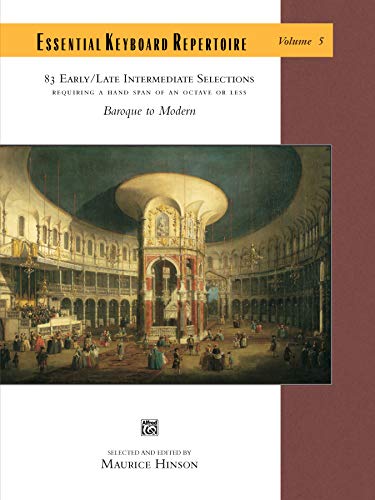
Not a keyboard at all, but a printed sheet music collection curated by the late Maurice Hinson. Volume 5 specifically gathers pieces requiring a handspan of an octave or less, making it a companion resource rather than an instrument. This matters for players with smaller hands or beginners still stretching their reach. The comb-bound format lets pages lay flat on a music stand, a practical detail the plastic-spiral alternatives often get wrong.
Pair this with the Best Choice Products 54-key set and you have a structured practice path. The book provides repertoire, the keyboard provides sound. That combination works better than relying solely on built-in demo songs.
Highlights
- Comb binding keeps pages open during practice without a clip
- Octave-or-less handspan requirement suits players with limited reach
- Curated by a respected musicologist, so the selection quality stays high
Room For Improvement
- This is a book, not an instrument, so it assumes you already own a keyboard
- Repertoire skews classical, which may not engage students interested in pop or jazz
Made For
Students with smaller hands or teachers seeking graded classical pieces that fit a comfortable span will find this collection valuable.
Consider Something Else When
Pop-focused learners should skip this and grab the Yamaha PSRE283, whose onboard song library leans into accessible modern melodies alongside classical staples.
Yamaha’s PSR-E283 brings the brand’s well-regarded sound engine to the entry tier, and that pedigree shows. Sixty-one full-sized keys match standard piano width, so finger spacing transfers directly to an acoustic upright. Unlike the Best Choice Products board with its narrower keys, you will not need to relearn hand positions later. The user-friendly interface lets you scroll through hundreds of voices, from classic pianos to vibrant strings, without menu-diving.
Learning tools are built in, alongside a music rest and power adapter. You get a structured path for picking up melodies and chords. The onboard speakers project cleanly at moderate volumes.
Upsides
- Full-sized keys build correct muscle memory from day one
- Yamaha sound engine delivers realistic piano and instrument voices
- Intuitive interface keeps beginners scrolling sounds rather than reading manuals
- Included music rest and adapter cover the essential accessories
- 61-key range covers most beginner repertoire without octave shifts feeling cramped
Worth Noting
- Build leans plastic-heavy, so the chassis does not feel as solid as the brand’s mid-tier models
- No USB-to-host connectivity, meaning you cannot use it as a MIDI controller for recording software
At A Glance
Whose Shelf It Belongs On
Beginners committed to a long-term piano journey benefit most from the full-sized keys and quality sound engine.
Swap It Out When
Shoppers needing a complete accessory bundle with headphones and note stickers should look at the Amazon Basics 61-Key Portable Electric Keyboard, which includes those extras at a lower tier.
Casio shrinks the form factor down to 44 mini keys here, targeting small hands and on-the-go practice. The SA-81 trades the full-sized keys of the Yamaha PSRE283 for portability, fitting in a backpack where Yamaha cannot. You still get 100 sampled tones, including piano, organ, and percussion sounds. Each tone draws from actual instrument recordings, so the touch-to-sound connection feels more authentic than the Pyle’s synthesized voices.
Fifty rhythm patterns cover pop, dance, and ballad styles. Ten built-in songs let you play along or mute the melody for solo practice. For a child’s first keyboard, the feature set hits a practical sweet spot.
Bright Spots
- 44 mini keys fit child-sized hands comfortably
- 100 sampled tones from real instruments sound surprisingly authentic for the size
- Melody mute function on built-in songs encourages active practice
- Compact frame travels easily without sacrificing speaker output
Softer Spots
- Mini keys will not build the finger spacing needed for a standard piano
- Limited to 10 demo songs, far fewer than the Best Choice Products board offers
- No included power adapter in the base package, so you may need to buy one separately
Perfect Match For
Young beginners and casual travelers wanting a lightweight, authentic-sounding practice board will find the right balance here.
Not Your Match When
Older students aiming for proper piano technique should step up to the Yamaha PSRE283, whose full-sized keys prevent bad habits from forming early.
This Amazon Basics model mirrors the Yamaha PSRE283 on paper: 61 full-sized keys, built-in speakers, an LCD display, and learning songs. The execution differs in ways that matter. You get a more complete accessory bundle, including headphones, a sheet music stand, a power adapter, and note stickers. That all-in-one packaging suits a household buying their first keyboard and wanting everything in one box.
The LCD screen shows practice feedback, and the built-in speakers handle bedroom volume well. Sound quality lands in the middle: better than the Pyle’s compact output, not quite matching Yamaha’s sampled voices. For the asking price, the trade-off feels fair.
Reasons To Buy
- Complete kit with headphones, stand, adapter, and stickers covers every beginner need
- 61 full-sized keys match standard piano spacing for proper technique
- LCD display provides visual feedback during practice sessions
- Headphones enable silent practice without disturbing housemates
Honest Caveats
- Sound engine lacks the realism of Yamaha’s sampled voices, so tones feel slightly synthetic
- Build quality is functional but not rugged, so durability may suffer in a house with young kids
Quick Facts
Who Should Grab It
Budget-conscious first-time shoppers who want a full accessory bundle alongside full-sized keys will appreciate the value here.
Where A Sibling Pick Shines
Those prioritizing sound realism over accessories should reach for the Yamaha PSRE283, whose tone quality justifies the step up for serious learners.
What Matters Most Before Choosing 5 Octave Keyboards
Key Size And Count
Full-sized keys match the width and spacing of a standard acoustic piano. Mini keys run narrower, which suits small hands but builds muscle memory that does not transfer. Sixty-one keys gives you five full octaves, enough for most beginner and intermediate repertoire. Fewer keys means shifting octaves more often during complex pieces.
Sound Engine Quality
Sampled tones, recorded from actual instruments, sound richer than synthesized voices. Yamaha and Casio lean heavily on sampling at this tier. Off-brand boards often use basic waveform generation, which sounds thinner through speakers. Headphone listening reveals the difference fastest.
Learning Tools And Teaching Modes
Built-in teaching functions range from simple follow-the-lights systems to structured lesson modes. One-Key mode plays the correct note for you, Follow mode waits for your input, and Ensemble mode plays alongside you. These tools matter most for self-taught beginners without a teacher.
Portability And Power Options
Battery-powered keyboards travel well but add weight from cells. Wall-powered models stay lighter but tether you to an outlet. Rechargeable batteries split the difference. Consider where you will actually play before choosing.
Things Worth Knowing First
Traps First Timers Fall Into
Buying a keyboard with mini keys because it costs less often backfires when you transition to a real piano. The finger spacing feels foreign, and you spend weeks retraining. Another slip: ignoring accessory bundles. A keyboard that ships without a power adapter or headphones forces extra purchases that erase the initial savings.
When Paying More Pays Off
Stepping up to a Yamaha or Casio buys you a better sound engine, sturdier build, and longer usable lifespan. The tone quality holds up as your ear develops, whereas cheap synthesized voices start sounding flat within months. For anyone past the first few weeks of lessons, the upgrade pays for itself in practice motivation.
Frequently Asked Questions
What does “5 octave keyboard” mean?
A 5 octave keyboard has 61 keys, covering five full octaves of musical range. Each octave spans 12 notes from C to B. This range handles most beginner and intermediate sheet music comfortably.
Are mini keys bad for learning?
Mini keys work fine for young children or casual play. They become a liability when you transition to a standard piano, since the narrower spacing builds incorrect finger spacing habits that take time to unlearn.
Do beginner keyboards need weighted keys?
Weighted keys simulate the resistance of acoustic piano action. They help build finger strength but add cost and weight. For pure beginners exploring interest, non-weighted keys suffice until commitment grows.
Can you connect these keyboards to a computer?
Most entry boards lack USB-to-host connectivity. The Yamaha PSRE283 and similar models in this list do not function as MIDI controllers. You would need to step up to a model with USB output for recording software.
How long do beginner keyboards last?
With careful handling, a quality beginner keyboard lasts several years. Plastic housings scratch and speaker cones degrade over time. Dust covers and moderate volume levels extend the usable lifespan noticeably.
Final Verdict
The right pick depends on where you sit on the learning curve. Complete beginners testing the waters do well with the Best Choice Products board or the Amazon Basics bundle. Serious students should invest in the Yamaha PSRE283 for its full-sized keys and sound quality. Travelers and young kids get the most from the Pyle or Casio compact options. Match the keyboard to your commitment level, and you will not waste money on features you outgrow.