
I built this roundup around the real demands of YouTube production: editing timelines, uploading videos, managing browser tabs, recording calls, and keeping project files close at hand. These HP desktops span compact all-in-ones, traditional towers, and higher-capacity creator machines. I focus on the processor, memory, storage, display, and graphics choices that shape day-to-day editing rather than treating every configuration as interchangeable.
A Snapshot Of The Selections
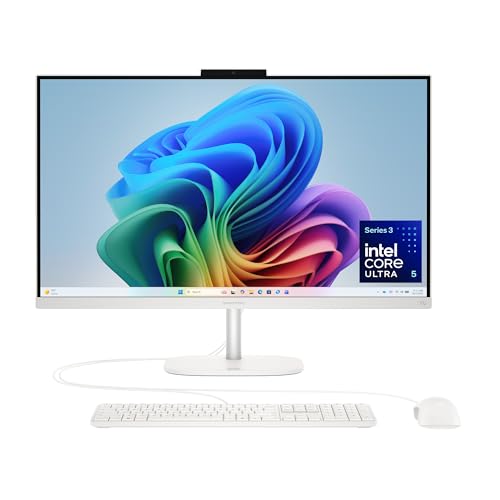
HP OmniStudio 27-Inch All-in-One Desktop, Core Ultra 5 325, 27-cy0002

HP OmniStudio 27-Inch All-in-One Desktop, Ryzen 5 220, 27-cv0002

HP OmniDesk Slim Desktop PC, Core i5-14400, 8GB RAM, S03-0012

HP OmniStudio 27-Inch All-in-One Desktop, Ryzen AI 7 445, 27-cw0102

HP OmniStudio 23.8-Inch All-in-One Desktop, Ryzen 5 40, 24-cv0002
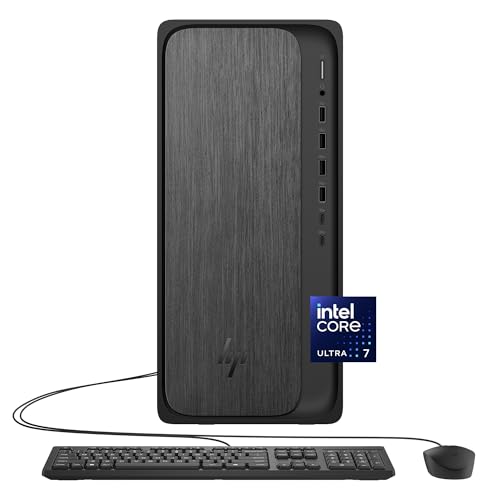
HP OmniDesk Desktop AI PC, Core Ultra 7 265, 1TB SSD, M03-0102
The Details Behind The Selections
I begin with the most complete recording and editing arrangement in this group. The 27-inch full HD panel, adjustable stand, built-in camera, and audio hardware keep a creator’s desk from becoming a pile of separate equipment, while the Core Ultra 5 325 handles everyday production alongside browsing and uploads.
For a creator balancing video calls, a browser, and photo editing, the 16GB of DDR5 memory feels like the more comfortable starting point. The trade-off is that Intel Graphics is integrated rather than a separate graphics card, so demanding 3D or high-complexity effects deserve a closer look before purchase.
A Few Highlights
- The adjustable 27-inch display supports a tidy single-screen editing setup.
- 16GB DDR5 RAM helps when a browser, editing application, and recording tool remain open together.
- An infrared camera supports Windows Hello facial recognition, while HDR switching helps balance backlit scenes.
- AI noise reduction adds useful background-noise filtering during calls.
- The 512GB NVMe solid-state drive provides fast local storage for active project files.
Practical Considerations
- Integrated Intel Graphics place a limit on specialized 3D and high-end editing workloads.
- A 27-inch full HD screen may show less fine detail than a higher-resolution editing display.
Key Specs
Made For
Solo creators who record, edit, upload, and take calls from one desk will get the most balanced package here.
Where Another Pick Suits Better
The HP OmniDesk Slim Desktop PC, Core i5-14400, 8GB RAM, S03-0012 suits creators who already own a monitor and prefer a smaller main desktop unit.
Compared with the Intel-equipped OmniStudio, this model pairs the Ryzen 5 220 with Radeon 740M graphics inside the same 27-inch all-in-one format. I see it as a sensible fit for a channel that mixes routine video trimming, thumbnails, browser work, and regular uploads without needing a separate tower.
The Cotton White finish also suits a bright studio, and 16GB of memory gives the system more breathing room than the 8GB configurations elsewhere. For creators moving into motion graphics or demanding effects, the more capable Radeon 840M option deserves consideration.
What Pays Off
- The 27-inch full HD display provides ample room for timelines and preview windows.
- 16GB RAM improves comfort when several editing and communication tools stay open.
- Radeon 740M graphics offer a capable starting point for everyday content creation.
- The all-in-one design reduces the number of separate desktop components.
Small Caveats
- Integrated Radeon graphics are less suitable for GPU-heavy 3D rendering than a system with a dedicated graphics card.
- The 512GB drive leaves less room for a large archive of high-resolution footage.
Right Fit For
Everyday channel operators who value a large screen and 16GB of memory will find this configuration balanced and approachable.
Consider Something Else When
The HP OmniStudio 27-Inch All-in-One Desktop, Ryzen AI 7 445, 27-cw0102 suits creators who prioritize stronger integrated graphics for more complex visual work.
The shift from an all-in-one to a separate desktop changes the arrangement of an entire editing station. This slim model leaves display choice to the creator, which matters in a small room where a compact computer can sit beneath or beside an existing monitor instead of occupying a full 23.8-inch or 27-inch footprint.
The Core i5-14400 and Intel UHD Graphics 730 provide a conventional platform for browsing, uploads, and moderate editing. The weak point is 8GB of RAM, particularly once a browser, cloud storage, and an editing application are all open, so memory-hungry workflows may reach their limit sooner.
Where It Excels
- The slim chassis supports a flexible monitor arrangement in a compact studio.
- Windows 11 Home and a dedicated Microsoft Copilot key simplify a modern Windows workflow.
- The 512GB SSD keeps files on a fast local connection.
Points To Keep In Mind
- 8GB of RAM offers less room for heavy multitasking than the 16GB models.
- A separate monitor is required, which may add cost and occupy desk space.
- Intel UHD Graphics 730 is aimed more at everyday media work than intensive 3D rendering.
Quick Facts
Who Will Love This
Creators with a small desk and an existing monitor will appreciate the flexible, space-conscious arrangement.
A Better Fit Elsewhere
The HP OmniDesk Desktop AI PC, Core Ultra 7 265, 1TB SSD, M03-0102 better serves creators who need 16GB of memory and room for a larger media library.
This is the configuration I would notice in a home studio that handles animation, motion graphics, or visually detailed editing. The Ryzen AI 7 445 and Radeon 840M graphics represent a more capable integrated platform than the Ryzen 5 220 configuration, while the 27-inch full HD display keeps the production setup self-contained.
Its 16GB of memory also matches the more comfortable balance found in the first two OmniStudio models. I would still keep expectations realistic: integrated graphics do not create a dedicated graphics-card workstation, and the included storage remains 512GB rather than the 1TB offered by the larger OmniDesk.
Everyday Advantages
- Radeon 840M graphics provide a more substantial starting point for visual effects and motion work.
- 16GB RAM supports an editing application alongside browser and file-management tools.
- The large built-in display reduces the need for a separate editing monitor.
- Windows 11 Home covers the operating system needs of a typical creator workstation.
Areas To Watch
- The full HD panel may limit fine-detail work compared with a higher-resolution display.
- 512GB of storage requires regular attention during large media projects.
At A Glance
Best Suited To
Visual creators working with motion, animation, and layered effects will find the processor and Radeon 840M combination especially relevant.
Swap It Out When
The HP OmniStudio 27-Inch All-in-One Desktop, Core Ultra 5 325, 27-cy0002 makes more sense for recording-focused creators who value its camera, infrared login, and specified audio features.
The 23.8-inch OmniStudio is the smallest all-in-one in this group, and that distinction matters in a compact apartment studio. It gives a creator a complete display and computer in one housing, yet the smaller screen leaves less room for a large timeline than either 27-inch model.
The Ryzen 5 40 and Radeon graphics cover the basics for editing, browser work, and channel management, but 8GB of memory is the more significant limitation for modern multitasking. I would treat this as a focused setup for lighter projects rather than a heavy editing station.
Notable Upsides
- The compact 23.8-inch display suits smaller desks and rooms.
- The all-in-one design keeps the computer and display together in one unit.
- The 512GB SSD provides quick local access to active files.
- Cotton White gives the system a light appearance in a bright workspace.
Some Limits To Know
- 8GB of RAM may feel constrained with several editing and browser windows open.
- The smaller panel offers less workspace than a 27-inch model.
- Integrated Radeon graphics may not suit intensive motion or 3D work.
The Right Fit
A creator working mainly with shorter videos in a compact room will get a capable, space-conscious editing station.
Look Elsewhere When
The HP OmniStudio 27-Inch All-in-One Desktop, Core Ultra 5 325, 27-cy0002 suits a creator who prefers 16GB of memory and a larger display for detailed editing.
The larger storage capacity changes the practical rhythm of a busy channel. With 1TB of SSD space, a creator can keep more raw footage, project files, and exported videos near the workstation, reducing the need to move large libraries between drives constantly.
The Core Ultra 7 265 and 16GB of memory also place this model above the 8GB systems for demanding multitasking. It uses Intel Graphics, though, and comes without a built-in display, so creators needing a complete visual workstation may prefer the 27-inch Radeon 840M alternative.
Practical Advantages
- The 1TB SSD provides useful room for an expanding media library.
- 16GB RAM supports editing software, browser tabs, and communication tools together.
- The Core Ultra 7 265 offers a higher processor tier for heavier production work.
- A traditional desktop leaves display and peripheral choices open.
Details To Watch
- Intel Graphics may be limiting for GPU-intensive 3D or motion work.
- A separate monitor is needed for the complete workstation arrangement.
Core Details
Built With In Mind
Creators managing frequent uploads, large archives, and multiple open applications will gain the most from its memory and storage.
Another Choice May Suit
The HP OmniStudio 27-Inch All-in-One Desktop, Ryzen AI 7 445, 27-cw0102 better suits creators who prefer Radeon 840M graphics and a built-in 27-inch display.
What Matters Before Buying A Video Editing Computer
I would begin with the editing workload rather than the processor badge. A creator producing shorter tutorials may work comfortably with 8GB of memory, while timeline-heavy editing, large preview projects, and multiple open browser tabs benefit from 16GB. The 512GB drives across this group also require regular attention to project organization as footage accumulates.
An all-in-one desktop also changes the equation. The HP OmniStudio models place the display, computer, camera, and some audio equipment together, which can simplify a recording desk. A separate desktop offers more freedom over monitor size, viewing position, and peripherals, although the complete setup takes more planning and desk space.
Graphics matter most when the work includes 3D rendering, complex motion effects, or demanding filters. Every configuration here relies on integrated graphics, so I would consider the Radeon 840M and Radeon 740M options for stronger visual capability while keeping realistic expectations for non-editing graphics tasks.
Storage deserves a final check because video files consume room quickly. A 512GB drive can hold an active project comfortably, though a creator with a substantial archive will appreciate the 1TB capacity of the HP OmniDesk Desktop AI PC. External storage remains useful regardless, but keeping current files on the internal SSD makes editing and uploads more convenient.
Common Mistakes And Worthwhile Upgrades
Mistakes Worth Dodging
The most common error is judging a computer only by display size. A large screen cannot compensate for insufficient memory, and a smaller 23.8-inch model may serve a focused editing setup better than a larger one with crowded software. I would check the editing application, expected project size, and number of open tools before choosing.
Another mistake is assuming every video file must remain on the internal drive forever. A mix of local SSD storage and organized archive media creates a more practical workflow, but the internal drive should still hold active projects for quick access.
Where The Extra Money Goes
Higher-tier configurations commonly add memory, processor capability, storage capacity, or a stronger display. The 1TB SSD and 16GB memory on the HP OmniDesk Desktop AI PC are worthwhile for heavy multitasking and larger media libraries, while the 27-inch all-in-one designs are justified by their integrated recording and viewing features.
The right upgrade depends on the bottleneck. More storage solves file-space pressure, more memory helps crowded applications, and a better graphics tier matters for demanding visual work rather than basic uploads.
Frequently Asked Questions
Is 16GB of RAM enough for YouTube editing?
Yes, 16GB is a comfortable amount for many video editing and browser workflows. A creator running large projects, motion effects, and several browser-based tools may benefit from even more memory.
Does a YouTube editing computer need a dedicated graphics card?
Not for basic trimming, uploads, and modest editing projects. Integrated graphics can work for those tasks, while creators using advanced motion, 3D, or intensive visual effects should examine the capability of the available Radeon or Intel graphics.
Is 512GB of storage enough for video projects?
It can be sufficient for active projects and a curated collection of footage. Large source libraries benefit from the 1TB option or a planned combination of internal and external storage.
Is an all-in-one computer better than a separate desktop for content creation?
An all-in-one provides a simpler recording and editing arrangement with a built-in display. A separate desktop gives more control over the monitor and peripherals but requires additional equipment and desk planning.
Should I choose a 23.8-inch or 27-inch all-in-one?
The 27-inch models provide more timeline and preview space, while the 23.8-inch model suits smaller rooms and desks. Memory and graphics differences may matter more than display size for complex editing.
Final Verdict
My short list starts with the HP OmniStudio 27-Inch All-in-One Desktop, Core Ultra 5 325, 27-cy0002 for a balanced recording setup, while the Ryzen AI 7 configuration better serves visually demanding work. The OmniDesk models remain sensible choices for separate-monitor studios, with 16GB and 1TB storage making the Core Ultra 7 model the more roomy option. Matching the machine to the actual editing load matters more than chasing a single configuration.
