
A manuscript open beside a browser full of research notes can quickly expose an undersized computer. I understand that pressure because a writing machine needs to handle documents, reference tabs, video calls, and occasional media without turning every task into a wait. The HP desktops below range from compact models for focused writing to 27-inch all-in-ones with larger screens and more capable integrated graphics. I focus on the combinations that make sense for different writing routines, from everyday drafting to content creation.
A Closer Look At The Lineup
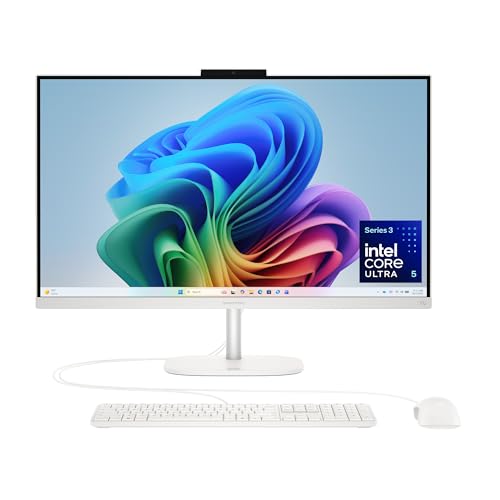
HP OmniStudio 27-inch All-in-One AI PC, 27-cy0002, Jet Black

HP OmniStudio 27-inch All-in-One PC, Ryzen 5 220, 27-cv0002, Cotton White

HP OmniDesk Slim Desktop PC, Core i5-14400, 8GB RAM, S03-0012, Meteor Silver

HP OmniStudio 27-inch All-in-One AI PC, Ryzen AI 7 445, 27-cw0102, Jet Black

HP OmniStudio 23.8-inch All-in-One PC, Ryzen 5 40, 24-cv0002, Cotton White
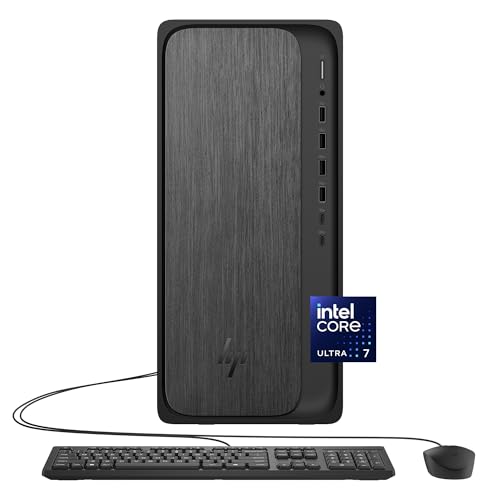
HP OmniDesk Desktop AI PC, Core Ultra 7 265, 1TB SSD, M03-0102, Gray Wood
A Breakdown Of The Leading Choices
The large display makes this my most flexible writing setup for someone who also records video or edits images. I can keep a manuscript, notes, and reference material open together, while the adjustable stand helps place the FHD panel comfortably at a desk.
The Core Ultra 5 325, 16GB of DDR5 memory, and Intel graphics form a capable general-purpose combination. I would expect it to suit daily drafting, research, and communication, though the 512GB storage leaves less room for large media libraries than the HP OmniDesk Desktop AI PC.
Reasons It Performs
- The 27-inch FHD display reduces frequent window switching.
- 16GB DDR5 memory handles documents, browser tabs, and creative applications together.
- The PCIe NVMe SSD provides responsive storage with a useful 512GB capacity.
- Built-in Windows Hello camera and AI noise reduction support clearer video calls.
- HP Eye Ease adjusts blue-light output while retaining accurate-looking colors.
Practical Considerations
- FHD offers less pixel density than a higher-resolution display of similar size.
- The 27-inch chassis needs adequate desk depth and a stable writing surface.
Feature Snapshot
Who It Suits Best
This model suits writers who divide their time between drafting, research, and light visual production on one desk.
A Better Fit Elsewhere
Writers managing extensive local archives receive more storage from the HP OmniDesk Desktop AI PC, Core Ultra 7 265, 1TB SSD, M03-0102, Gray Wood.
Compared with the Intel-based HP OmniStudio 27-inch All-in-One AI PC, 27-cy0002, Jet Black, this version keeps the same large-screen, 16GB-memory format but uses a Ryzen 5 220 processor and Radeon 740M graphics. That makes it a practical fit for prose, research, web work, and routine visual tasks.
I like the idea of a writing computer that also provides a generous workspace without bringing in a separate tower. For a writer working from a reasonably large desk, the FHD display and 512GB SSD create a straightforward long-form drafting setup.
Strong Points
- The 27-inch screen gives manuscripts and reference pages room to breathe.
- 16GB RAM supports heavier multitasking than an 8GB configuration.
- Radeon 740M graphics provide a stronger creative foundation than basic Intel graphics.
- Windows 11 Home keeps the setup familiar for everyday writing.
Small Caveats
- Integrated Radeon graphics are not a substitute for a discrete card in demanding 3D work.
- The 512GB drive may need careful organization for large video or image archives.
Key Product Details
Made For
Long-form writers and remote professionals benefit from the combination of a large display, 16GB memory, and compact all-in-one design.
Consider Something Else When
The HP OmniStudio 23.8-inch All-in-One PC, Ryzen 5 40, 24-cv0002, Cotton White fits writers who need a more compact screen and can manage lighter multitasking.
The slim OmniDesk design makes more sense than a 27-inch all-in-one for a compact apartment office or a shared desk. I can pair it with the monitor that suits the workspace, which gives writers control over screen size without paying for a bundled display.
The Core i5-14400 is a familiar option for document work, browsing, and communication, while the 512GB SSD keeps files responsive. The limitation is 8GB of RAM, which can feel modest once a writer keeps many browser tabs, video calls, and writing applications open together.
Benefits That Matter
- The slim enclosure leaves room for a separate monitor and accessories.
- Easy-access ports suit a frequently changing desk setup.
- The Core i5-14400 handles routine drafting and research smoothly.
- A 512GB SSD provides a practical local workspace for active projects.
Things To Weigh
- 8GB of memory is the main constraint for heavy multitasking.
- A separate display and suitable connection setup must be considered.
Right Fit For
Focused solo writers with a compact desk benefit from the small chassis and freedom to choose their own monitor.
Not Your Match When
Writers who want a complete desk setup benefit from the HP OmniStudio 27-inch All-in-One PC, Ryzen 5 220, 27-cv0002, Cotton White and its bundled display.
The Ryzen AI 7 445 and Radeon 840M graphics give this model a more capable foundation for visual work than the Ryzen 5 configuration in the HP OmniStudio 27-inch All-in-One PC, Ryzen 5 220, 27-cv0002, Cotton White. That distinction matters for writers producing videos, graphics, or polished social content alongside long manuscripts.
I would still keep 16GB of memory and 512GB of storage in view. The combination should serve active working environments well, although extensive local media collections may reach the storage limit sooner than the text-heavy workflows this machine handles best.
Notable Upsides
- Radeon 840M graphics support more demanding visual applications.
- 16GB RAM gives creative tools and research tabs more breathing room.
- The 27-inch panel reduces distraction during long writing sessions.
- Ryzen AI hardware targets modern productivity and AI-assisted workflows.
Where It May Fall Short
- 512GB storage offers less room for large media libraries.
- The sizable all-in-one format requires a desk with adequate space.
Technical Highlights
Who Will Love This
Content creators who spend equal time writing and producing visual material benefit most from the stronger Radeon graphics and large display.
Another Choice May Suit
Text-focused writers who value a terabyte of storage may prefer the HP OmniDesk Desktop AI PC, Core Ultra 7 265, 1TB SSD, M03-0102, Gray Wood.
This is the compact member of the OmniStudio group, and I find the 23.8-inch FHD display easier to reconcile with a modest writing desk than the larger 27-inch models. The Cotton White finish also gives it a lighter visual presence than the Jet Black configurations.
The Ryzen 5 40 and 8GB of RAM suit lighter drafting routines, while 512GB of SSD storage handles manuscripts and active project files. I would look elsewhere for heavy multitasking, but a writer who keeps the working set focused may find this balance more useful than a larger machine.
Where It Excels
- The 23.8-inch display balances useful area with manageable desk size.
- The all-in-one design reduces cable and separate-computer clutter.
- The 512GB SSD provides quick local access to writing projects.
- Windows 11 Home supports familiar document and communication tools.
Points To Note
- 8GB of memory can become restrictive with many applications open.
- The smaller display offers less room for side-by-side research than the 27-inch alternatives.
The Right Fit
Apartment residents, students, and solo writers with limited desk space receive a compact and approachable writing setup.
Where A Sibling Pick Shines
Writers who regularly cross-reference multiple documents benefit from the larger screen and 16GB memory in the HP OmniStudio 27-inch All-in-One PC, Ryzen 5 220, 27-cv0002, Cotton White.
This desktop separates itself from the all-in-one models through its Core Ultra 7 265 processor and 1TB SSD. For a writer with years of manuscripts, research archives, and media files, that storage allowance may prove more valuable than an integrated display.
Windows 11 Home and Microsoft Copilot support the everyday writing workflow, while the Core Ultra 7 chip brings stronger processing capability for intensive multitasking. I would pair this model with a separate monitor, and the Gray Wood finish appears intended to blend into a home office rather than dominate it.
What Helps Most
- The 1TB SSD accommodates extensive documents and project archives.
- The Core Ultra 7 265 supports demanding multitasking.
- 16GB of memory handles substantial active working sets.
- A separate display allows the desk to be arranged around the writing task.
Trade Offs To Consider
- A suitable monitor and connection setup are part of the complete desk arrangement.
- Intel integrated graphics are less suited to intensive 3D work than dedicated graphics.
Quick Facts
Whose Shelf It Belongs On
Authors, researchers, and content professionals with large local archives benefit from the combination of processing power and storage.
Swap It Out When
Writers wanting a bundled display and simpler setup are better served by the HP OmniStudio 27-inch All-in-One AI PC, Ryzen AI 7 445, 27-cw0102, Jet Black.
What Writers Should Prioritize In A Writing Computer
Screen Space That Fits The Work
A writing screen should accommodate more than a manuscript window. Side-by-side research, editing notes, and reference material can turn a smaller display into a constant source of window switching, so the 23.8-inch and 27-inch OmniStudio models serve different desk sizes.
Memory For The Working Set
RAM, or random-access memory, holds active applications and open files. I consider 8GB adequate for a focused writing session, while 16GB provides more room for research tabs, video calls, and creative software running together.
Processor And Graphics By Task
A modern processor handles ordinary documents, browsing, and communication smoothly for most writers. Integrated graphics become more relevant when a writing routine includes video editing, image design, or other visual production, which gives the Ryzen AI 7 445 and Radeon 840M configuration a clearer purpose.
Storage For Active Archives
SSDs, or solid-state drives, keep files responsive while storing manuscripts and research locally. A 512GB drive works for focused projects, whereas a 1TB drive reduces the need to move large writing archives to external storage.
Writing Computer Decisions Without The Guesswork
Mistakes Worth Dodging
Choosing by processor name alone can hide a memory shortage. I would check the amount of RAM, screen arrangement, and storage together, then compare those specifications with the actual writing routine rather than the number of applications a machine could technically open.
What Separates Premium From Basic
The higher tier adds processing capability, memory, or storage rather than changing the basic writing process. That extra capacity becomes worthwhile for large archives, visual production, and sustained multitasking, while focused drafting may need little more than a capable processor, 8GB of memory, and a comfortable screen.
Frequently Asked Questions
How Much Memory Does A Writing Computer Need?
A writing computer generally needs 8GB of memory for focused drafting, while 16GB is more comfortable for numerous research tabs, video calls, and creative applications. The strongest choice depends on how many programs remain active at once.
Is An All-in-One Better Than A Desktop With A Separate Monitor?
An all-in-one suits writers who want a simpler desk with a bundled display and fewer separate components. A desktop with a separate monitor offers more flexibility in screen size and placement, which can help in compact or specialized workspaces.
Do Writers Need Dedicated Graphics?
Dedicated graphics are not essential for ordinary drafting, research, and web-based work. Integrated Radeon or Intel graphics become more relevant when video editing, image creation, or other demanding visual tasks form a substantial part of the workflow.
Should A Writing Computer Have At Least 512GB Of Storage?
A 512GB SSD handles many active writing projects, though large manuscript archives and media files can fill it quickly. A 1TB drive offers more breathing room and reduces the need for frequent file transfers.
Is A 27-Inch Display Better For Writing?
A 27-inch display provides more room for cross-referencing and editing than a 23.8-inch model. Desk depth and viewing distance still matter, so a smaller screen can remain more comfortable in a confined workspace.
Final Thoughts
The best writing computer is the one that matches the workload without creating desk clutter or unnecessary compromises. I favor the HP OmniStudio 27-inch models for an integrated display, the slim OmniDesk for flexible monitor placement, and the Core Ultra 7 model for substantial storage. A clear inventory of active applications and project files makes the decision much easier.
