
A code editor open beside a browser, terminal, and preview window can turn a spare corner into a full development station. I evaluate these HP desktops around processor capability, memory, storage, graphics, screen size, and the practical demands of coding. The right fit depends on whether the priority is a clean all-in-one setup, a compact workstation, or enough local storage for demanding projects.
How The Shortlist Stacks Up
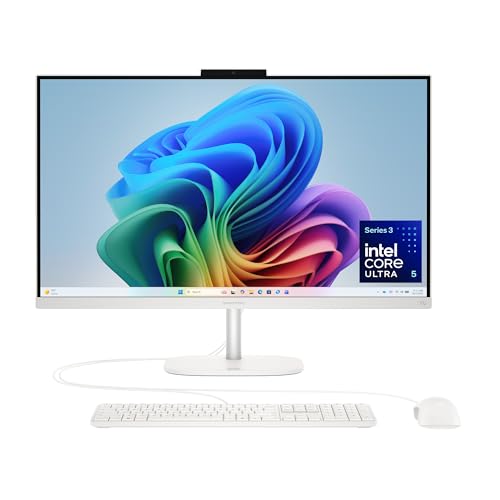
HP OmniStudio 27-inch All-in-One Desktop, Core Ultra 5 325, FHD, 16GB RAM

HP OmniStudio 27-inch All-in-One Desktop, Ryzen 5 220, 16GB RAM

HP OmniDesk Slim Desktop PC, Core i5-14400, 8GB RAM, 512GB SSD

HP OmniStudio 27-inch All-in-One Desktop, Ryzen AI 7 445, 16GB RAM

HP OmniStudio 23.8-inch All-in-One Desktop, Ryzen 5 40, 8GB RAM
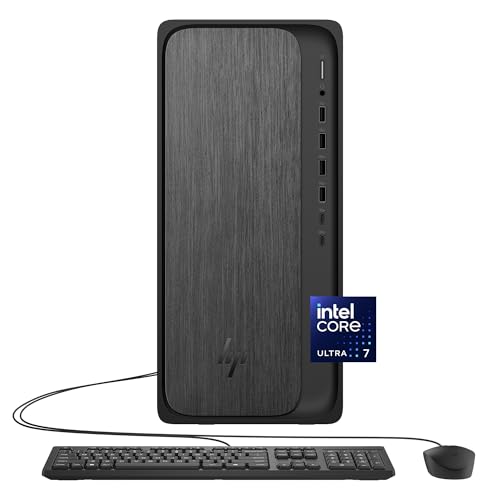
HP OmniDesk Desktop AI PC, Core Ultra 7 265, 1TB SSD
More On The Choices That Made The List
The 27-inch FHD display gives code, terminal output, and browser documentation enough room to share the screen. The adjustable stand also helps reposition the screen, which matters during long sessions in a home office or shared studio.
For daily development, 16GB of DDR5 memory feels more appropriate than an 8GB configuration, while the 512GB PCIe NVMe SSD keeps projects local and responsive. Built-in graphics handle ordinary coding and media tasks, though heavy rendering remains outside their clearest territory.
Points In Its Favor
- Large FHD canvas reduces constant window switching.
- 16GB DDR5 RAM supports a practical development baseline.
- PCIe NVMe storage provides a quick, compact system drive.
- FHD infrared camera supports Windows Hello sign-in.
- AI noise reduction helps remote meetings sound clearer.
Things To Consider
- Large repositories, containers, and virtual machines can fill 512GB quickly.
- Integrated graphics are not the natural fit for GPU-heavy rendering or intensive game development.
Key Specs
Made For In Mind
This model suits programmers who want one polished display, keyboard, and system instead of a separate monitor and tower.
Another Choice May Suit
The HP OmniDesk Desktop AI PC, Core Ultra 7 265, 1TB SSD better fits programmers who prioritize storage over an all-in-one display.
Compared with the Intel-equipped OmniStudio, this version centers on an AMD Ryzen 5 220 processor and Radeon 740M graphics. The shared 27-inch FHD display and 16GB memory make the platform choice more important than the basic workstation format.
I would consider this for an AMD-oriented coding setup that also needs a large screen for documentation and testing. Its 512GB SSD is sensible for active projects, although a local development stack with several environments can consume that room quickly.
Bright Spots
- 16GB RAM gives development applications room to coexist.
- Radeon 740M graphics support integrated display and media workflows.
- The 27-inch panel suits multi-window project work.
Worth Noting
- Processor and graphics names alone do not establish a measurable advantage over the Intel model.
- Large dependency folders and container images may require careful storage management.
At A Glance
Who It Suits Best
It fits programmers committed to AMD hardware who also want a substantial display for web development and application testing.
Where A Sibling Pick Shines
The HP OmniStudio 27-inch All-in-One Desktop, Core Ultra 5 325, FHD, 16GB RAM is a better fit for programmers who prefer Intel hardware and want the camera and audio features of that model.
The slim OmniDesk keeps the workspace visually restrained, which works well in an apartment office or a study where a large all-in-one would dominate the desk. Easily accessible ports and a dedicated Copilot key add convenience without changing the traditional desktop layout.
My main reservation is the 8GB of memory. Light scripting and web development may be manageable, but modern development tools often benefit from 16GB, particularly with containers, local databases, and several browser tabs open together.
What It Does Well
- Slim enclosure suits compact workspaces.
- Core i5-14400 provides a familiar desktop platform.
- 512GB SSD provides a fast local project drive.
- Accessible ports simplify peripheral connections.
Room For Improvement
- 8GB RAM is the main constraint for heavier development workflows.
- The 512GB drive may need a secondary drive for large repositories.
- Intel UHD Graphics 730 is aimed at general and integrated workloads rather than demanding 3D rendering.
Built With In Mind
This desktop suits beginners, students, and light-development users who value a small footprint over demanding multitasking capacity.
Reach For A Different Pick When
The HP OmniStudio 23.8-inch All-in-One Desktop, Ryzen 5 40, 8GB RAM is a better fit for programmers who want the computer and display combined in one enclosure.
This 27-inch all-in-one pairs the Ryzen AI 7 445 with Radeon 840M graphics and 16GB of memory, creating a more advanced AMD configuration than the Ryzen 5 220 model. Built-in AI hardware can support specialized software workflows, although the exact benefit depends on the applications involved.
For a programmer moving between code, documentation, video calls, and occasional visual tasks, the combination feels sensibly balanced on paper. I would still check memory and storage requirements carefully, because 16GB and 512GB do not remove every constraint in a busy workflow.
Positive Points
- Ryzen AI 7 445 includes built-in AI processing.
- Radeon 840M graphics strengthen the integrated platform.
- 16GB RAM supports mixed development applications.
- The large display reduces window juggling.
Possible Compromises
- The 512GB SSD may be modest for very large local project collections.
- AI features add value only when supported software uses them.
Feature Snapshot
The Right Fit
It suits experienced programmers interested in AMD AI hardware and a large display for mixed development and communication tasks.
Look Elsewhere When
The HP OmniDesk Desktop AI PC, Core Ultra 7 265, 1TB SSD fits programmers whose storage needs outweigh the appeal of an integrated display.
The 23.8-inch OmniStudio narrows the all-in-one footprint while retaining a display large enough for an editor, terminal, and preview window. It makes more sense in a compact dorm room or home office than the three larger 27-inch models in this group.
Its Ryzen 5 40 processor and Radeon Graphics cover the fundamentals, while 8GB of RAM keeps the configuration modest. For learning, scripting, and lighter web projects, that may be sufficient, though memory-intensive builds call for a different balance.
A Strong Showing
- Compact 23.8-inch display saves desk space.
- All-in-one design reduces cable clutter.
- 512GB SSD provides quick project access.
Small Caveats
- 8GB RAM limits heavier multitasking.
- The smaller screen offers less workspace than 27-inch alternatives.
- Local storage may be limited for large dependencies and container images.
Whose Shelf It Belongs On
This model fits students and early-career programmers working in a small room with straightforward development needs.
Swap It Out When
The HP OmniStudio 27-inch All-in-One Desktop, Ryzen 5 220, 16GB RAM is a better fit when screen space and memory matter more than a compact footprint.
The Core Ultra 7 265 occupies the most advanced processor position here, while 16GB of memory and integrated Intel Graphics create a capable everyday development platform. This configuration feels aimed at programmers who want headroom without moving to a separate graphics card.
The defining feature is 1TB of SSD storage, twice the listed capacity of the other models. That extra room can reduce friction with large repositories, containers, virtual environments, and project backups, although the full benefit depends on the software and files stored locally.
What Helps Most
- Core Ultra 7 265 targets demanding computing tasks.
- 1TB SSD provides the most local storage here.
- 16GB RAM supports active development multitasking.
- Windows 11 Home and Copilot support a modern workflow.
- Separate desktop design leaves display choice open.
Details To Watch
- Integrated graphics are not intended for GPU-intensive rendering work.
- A separate monitor is needed for the full multi-screen experience.
Technical Sheet
Best Suited To
This desktop suits programmers managing substantial local projects who value storage and processor tier over an integrated screen.
A Better Fit Elsewhere
The HP OmniStudio 27-inch All-in-One Desktop, Core Ultra 5 325, FHD, 16GB RAM is a better fit for a clean desk setup centered on one large display.
What Matters Before Buying a Programming Desktop
Memory Sets The Working Comfort
I look for 16GB of RAM as a practical starting point for contemporary programming. Browsers, containers, editors, and local databases can each consume resources, so 8GB is more likely to constrain multitasking. A developer running only a lightweight editor and occasional scripts may manage comfortably with less.
Processor Choice Matters For The Workload
The processor handles compilation, build tools, containers, and local services. General-purpose Core Ultra and Ryzen AI 7 tiers fit heavier mixed workloads, while Core i5 and Ryzen 5 models cover more focused development. I avoid promising a measurable lead from processor labels alone and instead consider the software stack.
Storage Prevents Avoidable Friction
An SSD keeps source files and tools responsive, while NVMe models suit fast project access. The choice between 512GB and 1TB matters for large repositories, images, virtual machines, and container layers. Local development can consume considerable room, so storage capacity deserves attention before the machine fills with tooling.
Graphics And Displays Serve Different Purposes
Integrated graphics cover code editing, documentation, video calls, and ordinary media tasks. Dedicated graphics make more sense for rendering, 3D work, or demanding game development. An all-in-one simplifies the desk, while a separate desktop allows a larger monitor arrangement, although it requires display and connection planning.
Two Decisions Worth Making Early
Mistakes Worth Dodging
Choosing by processor tier while ignoring memory and storage can create a bottleneck elsewhere. I would also avoid buying for occasional specialized tasks when the actual requirement is ordinary coding. A quick check of the development tools, repositories, and display arrangement prevents an expensive mismatch.
Where The Extra Money Goes
Higher configurations commonly add memory, storage, or a more capable processor. The extra cost matters when compiling large projects, running several services, storing datasets locally, or keeping demanding tools open. For light editing and scripting, a balanced lower tier may deliver everything that is actually needed.
Frequently Asked Questions
How Much RAM Is Best for Programming?
I recommend 16GB for a typical development setup with an editor, browser, terminal, and several supporting services running together. Light scripting can work with 8GB, while containers, local databases, and large builds benefit from more memory.
Is a 512GB SSD Enough for Coding?
A 512GB SSD can be enough for source code, standard tools, and several active projects. Large repositories, virtual machines, container images, and local datasets can fill it quickly, so I would consider 1TB when most assets remain on the workstation.
Are Integrated Graphics Suitable for Programming?
Integrated graphics are suitable for ordinary coding, documentation, communications, and general media work. Rendering, 3D modeling, and demanding game development benefit from a much more capable graphics solution.
Should I Choose an All-in-One or Separate Desktop?
I favor an all-in-one for a simpler desk with one integrated display. A separate desktop offers more flexibility with monitor placement and screen size, making it the stronger choice for multi-screen workspaces.
Does AI Processing Matter for Coding?
Built-in AI processing can help with software that supports local AI features, including some coding assistants and media tools. Its value depends on application support, so I would treat it as a useful addition rather than the deciding factor for a general development machine.
Final Thoughts
I favor the HP OmniStudio 27-inch models for a streamlined, display-centered desk and the HP OmniDesk options for flexible screen arrangements. Memory remains the most important practical divide, while 1TB storage changes the outlook for large local projects. The right choice is the one that matches the actual tools, not merely the longest specification list.
