
A productive dual-screen setup needs more than a large display. It needs enough memory for several open applications, graphics capable of keeping both screens responsive, and a desktop that fits comfortably into the available space. I’ve narrowed six HP systems around those practical demands, from compact all-in-ones to higher-end desktops designed for demanding workflows.
The major caveat is display connectivity. None of these listings provides a complete port map, so I would confirm that the computer supports two compatible monitor connections before ordering.
The Main Contenders
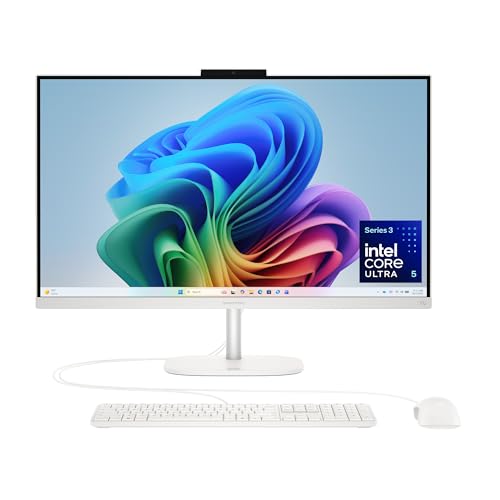
HP OmniStudio 27-inch All-in-One, Core Ultra 5 325, 16GB, 512GB

HP OmniStudio 27-inch All-in-One, Ryzen 5 220, 16GB, 512GB

HP OmniDesk Slim, Core i5-14400, 8GB, 512GB

HP OmniStudio 27-inch All-in-One, Ryzen AI 7 445, 16GB, 512GB

HP OmniStudio 23.8-inch All-in-One, Ryzen 5 40, 8GB, 512GB
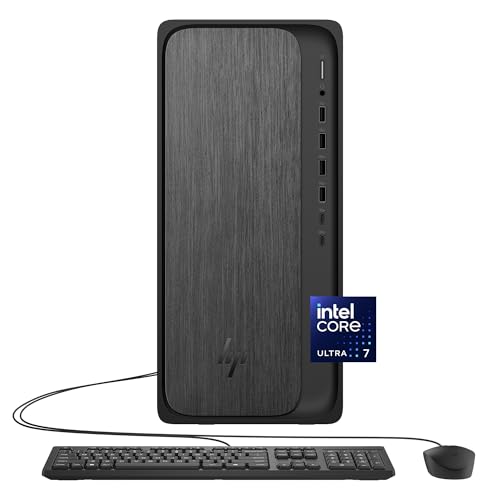
HP OmniDesk Desktop AI PC, Core Ultra 7 265, 16GB, 1TB
A Closer Look At Each Pick
The HP OmniStudio 27-inch is the most complete general-purpose option in this group for me. Its Core Ultra 5 325 chip, 16 GB of memory, and 512 GB NVMe storage create a sensible foundation for a research desk with two windows, a communication app, and a document open at the same time.
Unlike the compact HP OmniStudio 23.8-inch, this model pairs the larger screen with a more capable processor tier and a faster memory configuration. I see it as the stronger all-in-one for a busy home office, although I would still verify the external-display connections before committing to a two-monitor arrangement.
The Good Stuff
- 16 GB of DDR5 memory gives several productivity applications room to remain open simultaneously.
- The 512 GB PCIe NVMe SSD combines quick response with useful local storage for documents and media.
- Integrated Intel graphics handle ordinary video playback, web calls, and photo viewing without a separate graphics card.
- The adjustable 27-inch display can be positioned more comfortably during long work sessions.
- An infrared camera supports facial recognition through Windows Hello, keeping sign-in simple.
Things To Consider
- The large all-in-one format needs enough desk depth and a stable surface for the display and stand.
- Two-monitor support depends on the exact display outputs and adapter requirements shown on the product page.
Feature Snapshot
Made For
This model suits office-focused people and students who want a large built-in display and enough memory for serious multitasking.
Another Choice May Suit
The HP OmniDesk Desktop AI PC fits people who need more storage than the HP OmniStudio 27-inch provides.
The HP OmniStudio 27-inch with Ryzen 5 220 graphics appeals to me because it combines a substantial display with 16 GB of memory and Radeon 740M integrated graphics. That combination looks sensible for a dual-screen workstation used for writing, research, video calls, and lighter photo work.
Compared with the Intel version, this AMD configuration offers a different processor and graphics platform rather than simply mirroring the same performance tier. The Cotton White finish also gives it a distinct look, though the honest decision still comes down to confirming the external display connections.
Advantages To Know
- The 16 GB memory configuration supports a productive mix of browser tabs, office documents, and communication tools.
- Radeon 740M integrated graphics provide a useful starting point for everyday visual workloads.
- The 27-inch built-in display gives this all-in-one a larger presence than the HP OmniStudio 23.8-inch.
- A 512 GB SSD keeps everyday files close to the system without requiring a separate drive.
Practical Considerations
- The listing must be checked for the number and type of external display outputs.
- A large all-in-one may crowd a compact workstation compared with a traditional desktop tower.
- The included protection plan covers accidental damage and breakdowns under its stated terms, with coverage varying by plan.
Right Fit For
This model best fits home-office workers who prefer a 27-inch all-in-one and AMD graphics for regular creative or productivity work.
Look Elsewhere When
The HP OmniStudio 27-inch with Core Ultra 5 325 suits people who prefer Intel hardware and a more advanced camera and display feature set.
The HP OmniDesk Slim makes sense when desk space matters more than having the computer and display combined. Its Core i5-14400 processor handles routine office work, while the slim enclosure can sit beside two separate monitors without occupying the same amount of surface area as an all-in-one.
The 8 GB memory is the detail I would examine most closely. It is adequate for a moderate workload, but the 16 GB configurations elsewhere in this roundup give demanding multitaskers more breathing room.
Notable Upsides
- The slim chassis leaves more desk space for two external displays.
- Intel UHD Graphics 730 supports routine video, browsing, and productivity graphics.
- The 512 GB SSD provides a fast and practical storage foundation.
- Microsoft Copilot is included for writing assistance and everyday productivity tasks.
Small Caveats
- Memory expansion may matter for intensive multitasking, although upgradeability is not confirmed in the listing.
- External display support requires checking the available video outputs.
- Compared with an all-in-one, this setup needs separate monitors and their stands.
Key Specs
Who Should Grab It
This desktop suits apartment residents and home-office workers who need two separate screens but limited desk space.
Swap It Out When
The HP OmniStudio 27-inch with Ryzen 5 220 is a better fit for people who want the computer display bundled with the system.
The HP OmniStudio 27-inch with Ryzen AI 7 445 is the higher-end all-in-one here, with Radeon 840M integrated graphics and 16 GB of memory. I see it as the most compelling choice in this group for creators who regularly move between visual applications while retaining separate reference screens.
Its advantage over the Ryzen 5 220 model comes from the higher processor and graphics specification, not merely the “AI” label. The practical benefit is likely to appear in heavier editing, design, and multitasking, although the 512 GB drive remains the same size as the other configurations.
Real Benefits
- The Ryzen AI 7 445 processor targets more demanding creative and productivity workloads.
- Radeon 840M graphics provide stronger integrated performance than the entry-level Radeon configuration in the smaller model.
- 16 GB of memory supports demanding multitasking and multiple professional applications.
- The 27-inch display creates a useful central workspace alongside an external display.
- The included protection plan covers qualifying accidental damage and breakdowns under its stated terms.
Factors To Consider
- The larger all-in-one footprint needs careful desk planning.
- External monitor compatibility requires checking the product page’s connection details.
- 512 GB may be modest for extensive video libraries or large project files.
Technical Highlights
Built With In Mind
This all-in-one fits designers, photographers, and video editors who value a capable processor and discrete-free graphics.
A Better Fit Elsewhere
The HP OmniDesk Desktop AI PC better serves people who need one terabyte of storage for large media collections.
The HP OmniStudio 23.8-inch is the compact all-in-one in this group, and that smaller display makes it easier to pair with an external monitor than a 27-inch model. I would consider it for an apartment desk, shared workspace, or anywhere a large built-in screen would crowd the available surface.
The Ryzen 5 40 processor and Radeon graphics cover everyday computing, while 8 GB of memory places this system below the 16 GB models for intensive multitasking. For a dual-monitor arrangement, the smaller built-in display could also serve as a secondary panel beside a larger main screen.
Well-Handled Touches
- The 23.8-inch display leaves more room for an external monitor.
- Integrated Radeon graphics support common browsing, streaming, and office tasks.
- A 512 GB SSD gives files quick local access.
- The Cotton White finish suits lighter workspaces.
Where It May Fall Short
- 8 GB of memory offers less room for heavy multitasking than the 16 GB alternatives.
- The smaller screen is less immersive for entertainment than the 27-inch models.
- Monitor output compatibility must be checked before assembling a dual-screen layout.
Whose Shelf It Belongs On
This model fits people in compact living spaces who value a tidy setup more than maximum memory or screen size.
Reach For A Different Pick When
The HP OmniDesk Slim is a better fit for dedicated two-monitor users who want separate displays and a compact computer tower.
The HP OmniDesk Desktop AI PC stands apart through its Core Ultra 7 265 processor and one-terabyte SSD. For a dual-monitor workstation, that storage headroom is meaningful: I can keep large project folders, communication data, and multiple application libraries without needing another drive immediately.
Unlike the all-in-ones, this separate desktop leaves the monitor choice entirely open. The trade-off is a less unified setup with a separate tower, display, and peripherals, which may suit a permanent office better than a compact kitchen counter or loft workspace.
Bright Spots
- The Core Ultra 7 265 processor provides a strong foundation for demanding productivity and creative applications.
- 16 GB of memory supports serious multitasking across multiple programs.
- The 1 TB SSD offers the largest storage capacity in this roundup.
- Microsoft Copilot adds writing and organizational assistance within Windows 11 Home.
- A separate desktop allows unrestricted monitor selection for a two-screen workspace.
Possible Compromises
- The separate chassis requires desk space in addition to two monitors and their stands.
- Integrated Intel graphics may not suit demanding 3D or professional rendering workloads.
- The exact video outputs and supported display resolutions should be confirmed for the intended monitors.
Essential Details
Who Will Love This
This desktop suits intensive multitaskers, creators, and remote workers who value storage capacity and a permanent multi-screen office.
Where A Sibling Pick Shines
The HP OmniStudio 23.8-inch is the better option for people who want the computer and one built-in display in a compact arrangement.
What Matters Before Building a Two-Screen Desk
Display Connections Come First
I check the available video outputs before comparing processors. A second screen adds little value unless the desktop can drive both displays at the intended resolution, and the required adapters may add another layer to the setup.
Memory Shapes Multitasking
A PC with 8 GB can handle ordinary office tasks, while 16 GB leaves more room for browser-heavy work and several professional applications. I view 16 GB as the more comfortable starting point for a dual-monitor desk, especially when memory expansion is unclear.
Storage Depends on the Files
PCIe NVMe storage keeps applications responsive, but capacity determines how much can remain on the system. The 1 TB HP OmniDesk Desktop AI PC offers more room for project media than the 512 GB models.
All-in-One or Separate Tower
An all-in-one reduces the number of visible components and may include a camera, speakers, and an adjustable display. A separate tower gives me more freedom in monitor size and layout, but it requires additional desk space.
Common Mistakes Worth Avoiding
Ignoring Monitor Compatibility
I would verify both the output type and maximum supported resolution before ordering. A capable processor cannot compensate for a connection that does not support the intended display arrangement.
Treating Built-In Graphics Like Dedicated Graphics
Integrated graphics handle everyday work well, but demanding 3D rendering and advanced video processing may require stronger hardware. I keep the graphics tier in proportion to the actual workload.
Why The Higher Tier Matters
More Processing Headroom
A higher-tier processor can keep demanding applications responsive while a second screen remains active. The benefit becomes most visible with creative software, large document sets, and many simultaneous tasks.
More Memory and Storage
The 16 GB models offer extra memory for multitasking, while the 1 TB desktop provides roomier local storage. Those upgrades matter most when the computer becomes a long-term production workstation rather than a light-use family computer.
Frequently Asked Questions
Can an all-in-one desktop power two monitors?
An all-in-one can power two monitors when its video outputs and adapters support the intended displays. I would confirm the port list, resolution limits, and power requirements before ordering.
Is 16 GB of RAM better for a dual-monitor setup?
16 GB is usually the more comfortable choice for a dual-monitor workstation because it leaves more memory available for several open applications. An 8 GB model remains practical for lighter office work.
Do I need a dedicated graphics card?
Dedicated graphics become relevant for demanding 3D work, intensive rendering, or some advanced video tasks. Integrated graphics are sufficient for typical productivity, communication, streaming, and browsing setups.
Should I choose an all-in-one or a separate desktop?
I favor an all-in-one for a compact, coordinated workspace and a separate desktop for flexible monitor placement and larger file storage. The desk dimensions and available video outputs should guide that decision.
Which model has the most storage?
The HP OmniDesk Desktop AI PC has the largest listed capacity at 1 TB. The other models provide 512 GB, which is adequate for many applications and typical document collections.
Final Verdict
I favor the HP OmniStudio 27-inch with Core Ultra 5 325 for balanced productivity, the Ryzen AI 7 445 configuration for heavier creative work, and the HP OmniDesk Desktop AI PC for maximum storage. The smaller OmniStudio and slim OmniDesk make more sense where desk space is the deciding factor, while display compatibility remains the essential check before any of them becomes a dual-screen centerpiece.
