
A graphic-design desktop must keep a large project responsive while handling reference files, design software, and screen space without becoming a desk-cluttering headache. I focus on memory (RAM), solid-state drive (SSD) capacity, graphics capability, display size, and the practical differences between compact towers and all-in-one computers. Integrated graphics share memory with the processor, so these models suit layouts, school projects, mockups, and light photo work better than demanding 3D rendering or intensive video editing.
The Essentials At A Glance

Acer Aspire Desktop Intel N150 8GB DDR5 512GB PCIe SSD Wi-Fi 6

HP OmniStudio 27-inch All-in-One Ryzen 5 220 16GB RAM 512GB SSD 27-cv0002

HP OmniDesk Slim Desktop Core i5-14400 8GB RAM 512GB SSD S03-0012

HP OmniStudio 23.8-inch All-in-One Ryzen 5 40 8GB RAM 512GB SSD 24-cv0002

HP OmniStudio 27-inch AI All-in-One Ryzen AI 7 445 16GB RAM 512GB SSD 27-cw0102
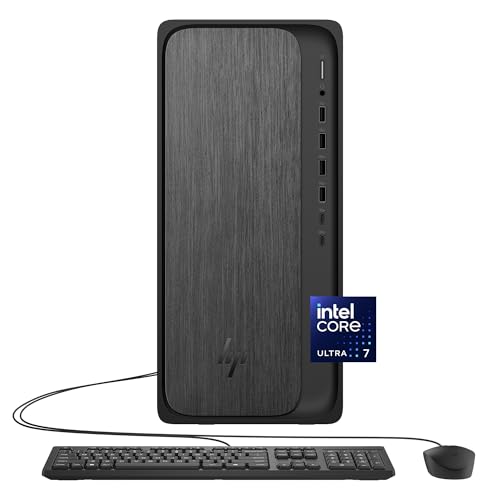
HP OmniDesk AI PC Core Ultra 7 265 16GB 1TB SSD M03-0102
Inside Each Recommended Option
The 8-liter Acer Aspire fits neatly into a small studio where desk space has real value. Its Intel N150 processor and 8GB of memory suit routine design work such as wireframes, school layouts, and lighter image editing, though serious multitasking may reveal the memory limit. I would treat it as a practical starter rather than a high-end rendering system.
The compact chassis still offers room for future memory or storage expansion, which makes it more flexible than a sealed mini PC. USB Type-C, several USB ports, HDMI, DisplayPort, RJ45, Wi-Fi 6, and Bluetooth 5.2 cover common peripherals, while the wired keyboard and mouse simplify the initial setup. I appreciate the wired accessories for a dependable first workstation.
Benefits That Matter
- The 8-liter chassis reduces desk clutter without eliminating expansion options.
- Wi-Fi 6, Bluetooth 5.2, and wired networking support flexible studio arrangements.
- Both HDMI and DisplayPort allow a choice of existing creative displays.
- A 512GB PCIe SSD gives design files and applications a fast storage home.
Points To Note
- 8GB of memory is the main constraint for large files and many open applications.
- Integrated Intel graphics favor layout and illustration work over intensive 3D rendering.
Feature Snapshot
Made For In Mind
This model suits students and early-career designers who need a compact, connected first workstation for layouts and lighter creative work.
A Better Fit Elsewhere
HP OmniStudio 27-inch All-in-One Ryzen 5 220 16GB RAM 512GB SSD 27-cv0002 suits creators who need more memory and a larger built-in display.
A 27-inch full HD display gives this all-in-one more canvas than a conventional compact tower and monitor combination. That extra room helps when arranging reference images beside a layout, and the bundled system keeps the desk visually simple. Unlike the Acer Aspire Desktop Intel N150 8GB DDR5 512GB PCIe SSD Wi-Fi 6, it also doubles the installed memory to 16GB.
The Ryzen 5 220 processor, Radeon 740M graphics, and 512GB SSD form a capable foundation for school assignments, branding work, and moderate photo editing. I would still avoid treating integrated Radeon graphics as a substitute for a dedicated workstation card in complex 3D scenes. The described protection plan also offers round-the-clock technical assistance and accidental-damage options, although plan terms vary.
A Few Highlights
- The 27-inch full HD screen provides a generous area for layered design work.
- 16GB of memory offers more breathing room than 8GB compact desktops.
- One unit combines the computer and display, reducing cable clutter.
- Technical support and hardware-protection options add setup assistance.
Small Caveats
- Radeon 740M graphics are integrated, so demanding 3D work may require more graphics capability.
- The 512GB SSD may fill quickly once large image libraries and project files accumulate.
Who Will Love This
This model fits students and home studios that value one large display, tidy cable placement, and 16GB of memory for everyday creative work.
Consider Something Else When
HP OmniDesk AI PC Core Ultra 7 265 16GB 1TB SSD M03-0102 suits creators who prioritize a 1TB SSD and a separate, freely selected monitor.
The slim OmniDesk takes a different route from the large HP all-in-one: it keeps the display separate and concentrates the computing hardware in a compact tower. That arrangement suits a dedicated creative desk with a calibrated monitor already in place. It also avoids committing to a bundled screen before the actual workspace and color needs are known.
The Core i5-14400 brings a familiar midrange foundation, while Intel UHD Graphics 730 handles interface design, illustration, and lighter creative tasks. I see 8GB of memory as the main practical limit, especially beside the 16GB configuration in HP OmniStudio 27-inch All-in-One Ryzen 5 220 16GB RAM 512GB SSD 27-cv0002. The 512GB SSD is roomy for school projects but may need careful housekeeping as assets accumulate.
The Good Stuff
- A separate display allows a monitor matched to the creative workspace.
- Accessible front and rear ports simplify connecting drives and peripherals.
- The slim enclosure leaves more desk freedom than a full-size tower.
- A dedicated Copilot key adds a shortcut to Windows software.
Trade Offs
- 8GB of RAM may bottleneck large design files and heavy multitasking.
- A separate monitor is required because the computer does not include a display.
Quick Facts
The Right Fit
This desktop suits a student or home creator who already owns a suitable display and values a slim, flexible tower over a bundled all-in-one.
Swap It Out When
HP OmniStudio 23.8-inch All-in-One Ryzen 5 40 8GB RAM 512GB SSD 24-cv0002 offers a better fit for a smaller desk needing a complete display-and-computer setup.
The 23.8-inch OmniStudio balances a useful creative canvas with a footprint that feels more manageable than the 27-inch models. Its cotton-white finish also gives a shared studio a cleaner, less utilitarian appearance. I would consider it for interface design, branding exercises, and ordinary asset management where a complete desk setup matters more than maximum screen area.
Ryzen 5 40 processing, Radeon graphics, and a 512GB SSD cover the fundamentals, while 8GB of memory limits heavier project combinations. Compared with HP OmniStudio 27-inch All-in-One Ryzen 5 220 16GB RAM 512GB SSD 27-cv0002, this smaller model uses less screen space but offers no memory advantage. The accompanying plan describes 24/7 troubleshooting and accidental-damage coverage, though the exact coverage depends on the selected plan.
Useful Touches
- The compact all-in-one design keeps the creative area orderly.
- Cotton-white styling blends more naturally into a home studio.
- The built-in full HD display removes the need for a separate desktop setup.
Things To Consider
- 8GB of memory is the main constraint for demanding multitasking.
- The 23.8-inch panel offers less working space than a 27-inch alternative.
- Integrated Radeon graphics may not satisfy complex 3D or rendering workloads.
Core Details
Best Suited To
This model suits apartment studios and shared creative spaces where a smaller, complete all-in-one matters more than maximum working area.
Another Choice May Suit
HP OmniStudio 27-inch AI All-in-One Ryzen AI 7 445 16GB RAM 512GB SSD 27-cw0102 suits creators who need both 16GB of memory and a larger display.
The 27-inch OmniStudio combines the large working area of an all-in-one with 16GB of memory, making it a capable match for branding, illustration, and multi-application study projects. Its Ryzen AI 7 445 processor belongs to a family designed with built-in AI processing, though software support remains important when judging that feature’s usefulness. Radeon 840M graphics also give it a stronger creative foundation than the basic integrated options in this roundup.
The jet-black finish suits a darker studio, while the 512GB SSD provides fast access to applications and active project files. I would still consider the separate-monitor flexibility of HP OmniDesk AI PC Core Ultra 7 265 16GB 1TB SSD M03-0102 valuable for color-sensitive work, and its 1TB capacity reduces the need to move finished assets off the internal drive.
The Practical Payoff
- 16GB of memory supports several design applications and reference windows.
- The 27-inch display creates a broad canvas for visual composition.
- Radeon 840M graphics offer a more capable integrated option.
- The all-in-one format reduces desk and cable clutter.
Worth Noting
- 512GB of storage can become restrictive with large image and video libraries.
- Integrated Radeon 840M graphics remain short of a dedicated rendering card for intensive 3D work.
Who Should Grab It
This all-in-one fits students and working creators who need a large display, 16GB of memory, and a tidy single-unit setup.
Where A Sibling Pick Shines
HP OmniDesk AI PC Core Ultra 7 265 16GB 1TB SSD M03-0102 offers a better fit for creators who need more internal storage and display choice.
The 1TB SSD gives this desktop the most internal storage in the group, a meaningful distinction for layered PSD files, large mockups, and archived client work. Its separate tower format also leaves the display decision open, which matters for color-critical projects or a multi-monitor arrangement. The gray-wood finish is more decorative than the utilitarian black Acer, though either can suit the right studio.
The Intel Core Ultra 7 265 processor provides the strongest high-end configuration here, while 16GB of memory handles active applications more comfortably than the 8GB models. Intel Graphics keeps the system in the integrated-graphics category, so demanding 3D rendering still calls for more graphics capability. The described plan includes 24/7 troubleshooting and hardware-protection options, with coverage terms varying by plan.
Why It Works Well
- A 1TB SSD accommodates large project libraries and finished archives.
- The Core Ultra 7 265 supports demanding multitasking and creative applications.
- A separate display provides freedom to choose screen size and resolution.
- 16GB of memory avoids the tightest working limits of the smaller models.
Details To Watch
- Intel Graphics may be insufficient for advanced 3D rendering and high-end video work.
- The gray-wood styling may not suit a deliberately industrial or minimalist setup.
Key Attributes
Built With In Mind
This desktop suits working designers who handle sizable asset libraries and want a capable tower without a bundled display.
Look Elsewhere When
HP OmniStudio 23.8-inch All-in-One Ryzen 5 40 8GB RAM 512GB SSD 24-cv0002 offers a better fit for a compact shared space needing a complete display setup.
Build a Creative Workspace Around the Work
Software Comes First
I begin with the applications involved. Browser-based design, vector illustration, school layouts, and basic photo editing place fewer demands on a system than intensive 3D scenes, high-resolution timelines, or large production files. The exact requirement changes with project size, so the most important step is checking how the intended software handles the planned memory and graphics load.
Memory Sets the Headroom
Memory gives active applications room to remain open without constant relaunching. The 16GB models handle more of the multitasking common to design work, while 8GB configurations are more appropriate for focused projects and lighter file collections. For a busy student or a designer working between references, mockups, and a browser, 16GB offers the more comfortable margin.
Storage and Display Set the Daily Rhythm
A 512GB SSD works well for active files and applications, but large media libraries can fill it quickly. The 1TB configuration reduces that pressure, while separate displays allow a larger canvas or multiple screens. All-in-one models simplify the desk and include a 23.8-inch or 27-inch panel; towers free up display choice and suit workspaces that already have a suitable screen.
Common Choices That Shape the Result
Wrong Turns To Avoid
Choosing by screen size alone can hide a memory shortage or an unsuitable graphics configuration. I also check the cable and desk requirements of an all-in-one, then compare storage with the size of the working asset library. An attractive display does not compensate for a system that struggles with the actual software.
What The Higher Tier Buys
The higher tier adds 16GB of memory, a larger SSD, and a newer processor class. That extra capacity matters for large project libraries, multiple open applications, and more demanding multitasking, while the 1TB model leaves more room for archival work. The upgrade is most useful for active designers, while lighter school work may not need the additional capacity.
Frequently Asked Questions
Are These Desktops Suitable for Graphic Design?
Yes, these desktops suit layouts, illustrations, branding exercises, basic photo editing, and other everyday creative work. Heavy 3D rendering and advanced video editing require stronger graphics capability than the integrated options provide.
Which Desktop Has the Most Memory?
HP OmniStudio 27-inch All-in-One Ryzen 5 220 16GB RAM 512GB SSD 27-cv0002 and HP OmniStudio 27-inch AI All-in-One Ryzen AI 7 445 16GB RAM 512GB SSD 27-cw0102 each provide 16GB of memory. The remaining models include either 8GB or 16GB depending on the configuration.
Is a 27-Inch Display Better for Design Work?
A 27-inch display provides more visible canvas for arranging tools, references, and design files. The 23.8-inch HP OmniStudio model saves desk space, which may matter more in a compact room.
Do Any of These Models Include Dedicated Graphics?
No listed model includes dedicated graphics; the available graphics are integrated with the processor. Models with Radeon 740M or Radeon 840M graphics may handle more creative work than basic Intel configurations.
Which Desktop Has the Most Storage?
HP OmniDesk AI PC Core Ultra 7 265 16GB 1TB SSD M03-0102 provides a 1TB SSD. The other models use 512GB storage, so large media collections may require careful organization or external storage.
Final Verdict
The compact Acer Aspire and slim HP OmniDesk make sense for focused work and dedicated-monitor setups. The 27-inch HP OmniStudio models provide more screen area and 16GB of memory, while the 1TB OmniDesk AI PC gives serious projects the most storage. Matching the computer to the actual software and desk is more useful than chasing a larger specification than the work requires.
