
A game project can fit on one drive and still overwhelm a desktop with too little memory. I focus on six HP systems that balance processors, graphics, displays, and storage for developers working across code, design, and lighter 3D tasks.
The most important distinction here is workload. A programmer can work comfortably on an 8 GB machine, while developers handling large Unity or Unreal projects benefit from 16 GB and faster storage. These systems are not interchangeable, so I matched each one to a practical development profile.
How The Shortlist Stacks Up
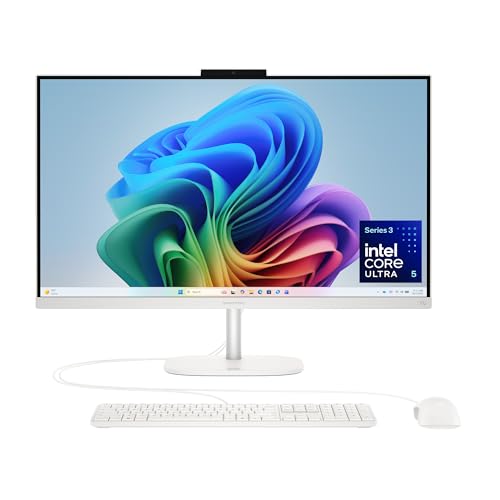
HP OmniStudio 27 inch All-in-One Desktop Next Gen AI PC, Ultra 5 325, 16 GB RAM

HP OmniStudio 27 inch All-in-One Desktop PC, Ryzen 5 220, 16 GB RAM, Cotton White

HP OmniDesk Slim Desktop PC, Intel Core i5-14400, 8 GB RAM, 512 GB SSD

HP OmniStudio 27 inch All-in-One Desktop, Ryzen AI 7 445, 16 GB RAM, 512 GB SSD

HP OmniStudio 23.8 inch All-in-One Desktop PC, Ryzen 5 40, 8 GB RAM, 512 GB SSD
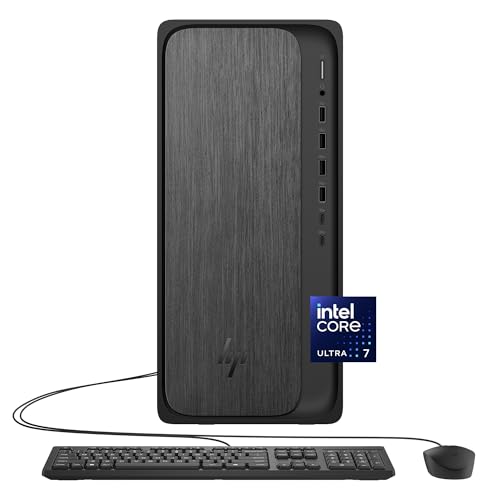
HP OmniDesk Desktop AI PC, Core Ultra 7 265, 16 GB RAM, 1 TB SSD
A Deeper Look At The Lineup
The large 27-inch screen gives a solo developer room for an editor, reference art, and debugging tools at the same time. Its adjustable stand also makes longer coding sessions more manageable than a fixed-position display.
Inside, the Core Ultra 5 325, 16 GB of memory, and a 512 GB NVMe drive form a practical everyday development platform. I favor this model for programmers, indie designers, and creators who also need a webcam, spatial audio, and Windows 11.
A Few Strong Suits
- A 27-inch FHD display reduces the need to alternate between separate application windows.
- 16 GB of DDR5 memory handles typical code editors, asset browsers, and multiple background tools.
- The NVMe drive provides a responsive place for project files and frequently accessed assets.
- An adjustable stand, FHD camera, and Windows Hello support add convenience to a daily workstation.
- Built-in Intel graphics keep the all-in-one design simple for 2D work and lighter 3D tasks.
Trade Offs
- Heavy 3D rendering, large simulation scenes, and local model training may exceed the capabilities of built-in graphics.
- The 512 GB drive leaves less room than the 1 TB configuration when repositories and video assets accumulate.
Feature Snapshot
Made For
Solo game developers who split their time between programming, visual design, video calls, and media playback.
Consider Something Else When
Large local project libraries make the HP OmniDesk Desktop AI PC a better fit because it includes a 1 TB SSD.
This second OmniStudio shifts the processor and graphics platform while preserving the useful 27-inch format. The Ryzen 5 220 and Radeon 740M combination makes more sense than the previous Intel configuration for developers who favor AMD software environments.
Its 16 GB of memory gives me more confidence for simultaneous editor, browser, and messaging apps than an 8 GB compact model. The Cotton White enclosure also suits a bright studio, although the all-in-one design leaves graphics expansion limited.
Everyday Perks
- Radeon 740M graphics provide a clear AMD option for engine and driver preferences.
- 16 GB of RAM supports typical Unity, Unreal, or Godot development sessions.
- The 27-inch FHD display keeps code and visual references visible together.
- Windows 11 Home provides a current starting point for development tools and project management.
Practical Considerations
- A 512 GB SSD requires regular project housekeeping once engines, source files, and captured media share the drive.
- Developers running demanding 3D scenes should verify engine-specific graphics requirements before committing.
Right Fit For
Game developers already working within AMD-based toolchains who want a large display and 16 GB of memory.
A Better Fit Elsewhere
The HP OmniStudio 27 inch All-in-One Desktop Next Gen AI PC offers 16 GB, a larger storage option elsewhere in the lineup, and a broad set of communication features for creators who also present remotely.
Where the OmniStudio models devote screen space to the computer, the OmniDesk Slim places its emphasis on a compact tower format. That separation can make desk space easier to manage in a bedroom studio or shared learning environment.
The Core i5-14400 provides capable everyday processing, while 8 GB of RAM suits code editing, documentation, and smaller projects. I see this configuration as a learning and prototyping machine rather than a comfortable home for engine-heavy multitasking.
Practical Advantages
- The slim tower format can leave more usable desk area than an all-in-one system.
- Intel UHD Graphics 730 handles basic interfaces, video calls, and ordinary 2D applications.
- A 512 GB SSD keeps file access responsive and leaves room for a focused project library.
Small Caveats
- 8 GB of memory offers limited headroom for a large engine editor, browser tabs, and other tools running concurrently.
- Adding a separate display and peripherals increases the total desk footprint despite the slim enclosure.
Quick Facts
Built With In Mind
Students, beginner programmers, and developers working on small projects in a space-conscious home setup.
Look Elsewhere When
The HP OmniStudio 23.8 inch All-in-One Desktop PC is a better fit for developers who prefer an integrated display and an AMD processor.
The Ryzen AI 7 445 gives this model a more specialized processor identity than the earlier Ryzen 5 220 OmniStudio. AI capabilities may be relevant to developers experimenting with local development tools, while Radeon 840M graphics strengthen the visual configuration.
With 16 GB of memory and a 27-inch FHD display, this feels more suitable for ambitious solo prototypes than the slimmer 8 GB OmniDesk. For rendering-heavy or VR work, the stated graphics setup still deserves careful comparison with engine requirements.
What Stands Out
- The Ryzen AI 7 445 adds AI processing to an already capable development platform.
- Radeon 840M graphics offer a higher-numbered Radeon option than the earlier OmniStudio in this list.
- 16 GB of memory supports active game engines alongside ordinary development utilities.
- The large display creates a practical workstation for code, reference images, and playback.
- Jet Black gives this creative workstation a more restrained studio appearance.
Factors To Consider
- Local AI and 3D performance depend heavily on the selected engine, project scale, and graphics workload.
- The 512 GB capacity may feel restrictive for large repositories and multiple engine installations.
Key Product Details
Who Should Grab It
Independent developers exploring AI-assisted workflows alongside engine programming and visual design.
Another Choice May Suit
The HP OmniDesk Desktop AI PC suits developers who prioritize storage capacity over a large integrated display.
The 23.8-inch screen makes this the smallest OmniStudio display in the group, which matters more than raw diagonal size on a crowded desk. Its Ryzen 5 40 processor, Radeon graphics, and 512 GB SSD form a straightforward platform for learning and smaller projects.
Compared with the 27-inch Ryzen AI 7 445 model, this machine trades some screen area and memory for a more compact visual footprint. The 8 GB limit is the key consideration, particularly when a game engine and documentation browser are open together.
Strengths Worth Knowing
- The 23.8-inch display suits compact desks and shared creative spaces.
- Ryzen 5 40 processing supports everyday programming, documentation, and design applications.
- Radeon graphics provide a practical option for 2D and lighter visual development tasks.
- A 512 GB SSD keeps the system responsive for focused project work.
Less Ideal Details
- 8 GB of memory is the main constraint for engine projects with several tools open.
- The smaller display provides less room for side-by-side debugging and visual reference work.
The Right Fit
Beginner developers and small teams creating 2D games, prototypes, documentation, and learning projects.
Swap It Out When
The HP OmniStudio 27 inch All-in-One Desktop PC, Ryzen 5 220, 16 GB RAM, Cotton White is better for developers who need more memory and display area.
The Core Ultra 7 265 and 1 TB SSD place this OmniDesk at the storage-focused end of the shortlist. That extra capacity reduces the pressure to move engine installations, source control repositories, and captured footage away from the active drive.
Its 16 GB of memory matches the stronger OmniStudio configurations, but the separate tower design makes a second monitor more likely. For a developer building large asset libraries or working across several projects, I find that combination especially practical.
Key Advantages
- The 1 TB SSD provides the largest stated storage capacity in the lineup.
- Core Ultra 7 265 supports demanding multitasking and AI-oriented development workflows.
- 16 GB of RAM is a sensible minimum for large game engines and supporting tools.
- The tower format allows a separate display to be positioned for the developer’s preferred workflow.
- Gray Wood gives the workstation a practical look for a shared office or home studio.
Points To Keep In Mind
- Intel integrated graphics make this less compelling for sustained, graphics-intensive 3D rendering than a system with a dedicated card.
- A separate monitor, keyboard, and mouse add to the full workstation footprint.
Core Details
Whose Shelf It Belongs On
Professional developers who maintain large project libraries and prefer a tower with a separate display.
Where A Sibling Pick Shines
The HP OmniStudio 27 inch All-in-One Desktop Next Gen AI PC, Ultra 5 325, 16 GB RAM is better for a simpler single-screen setup.
What Actually Matters For Game Development Workloads
Processor, Memory, and Storage
The processor handles compiling, scripting, engine simulation, and general application performance. For this group, the Core Ultra 7 265 and Ryzen AI 7 445 represent the higher processor tiers, while the Core i5-14400 remains a practical option for focused coding.
Memory deserves equal attention because game engines become frustrating quickly when Windows, an editor, a browser, and collaboration tools compete for resources. I favor 16 GB for active development, especially with Unreal or large Unity projects. The 1 TB SSD also gives the Core Ultra 7 265 model room for multiple engine versions and repositories.
Graphics Expectations
Integrated and built-in graphics can handle documentation, code, basic 2D tools, and some lighter 3D work. They require more careful engine-specific planning for detailed scenes, complex shaders, or real-time rendering.
The Radeon configurations on the AMD OmniStudio models give developers an alternative platform to evaluate. The stated hardware still matters: engine requirements, rendering resolution, and project scale determine whether a configuration feels comfortable. A large monitor does not compensate for a graphics bottleneck during active 3D work.
Workspace and Software Fit
An all-in-one reduces cable clutter and offers a straightforward workstation, while a tower can accommodate a larger or more flexible display setup. I prefer the OmniDesk Slim for a compact learning setup and the larger OmniStudio models for an all-in-one development desk.
The 23.8-inch model suits tight spaces, whereas 27-inch screens make side-by-side coding and visual inspection easier. Storage also affects daily behavior: 512 GB works with focused organization, while 1 TB gives large repositories and media libraries more breathing room.
Practical Checks Before The Purchase
Mistakes Worth Dodging
I would avoid judging a development desktop by processor name alone. Memory, graphics, and storage affect the actual workflow, and a large screen cannot compensate for insufficient graphics capability.
It also helps to compare the intended engine and project scale against the complete configuration. A learning desktop may feel fast with one focused project but less comfortable once several tools and libraries compete for resources.
When Paying More Pays Off
Higher-tier configurations become more useful when compiling time, multitasking, local assets, or AI-assisted tools affect daily progress. The Core Ultra 7 265 model makes the clearest case through its higher processor tier and 1 TB SSD.
That extra capacity is less important for a single small project, but it becomes valuable across multiple releases, reused engine versions, and growing repositories.
Frequently Asked Questions
Can an all-in-one desktop handle game development?
Yes, an all-in-one can handle coding, 2D design, and lighter 3D development tasks. Projects involving detailed 3D scenes or heavy rendering benefit from stronger graphics hardware.
How much RAM matters for game development?
Sixteen gigabytes is a comfortable starting point for active engine development and multitasking. Eight gigabytes works for focused coding and smaller projects, though fewer tools can remain open.
Is a 512 GB SSD enough for game projects?
It is enough for focused projects, engine installations, and selected assets. Developers maintaining multiple repositories or large media files benefit from the 1 TB configuration.
Which model suits a small workspace?
The HP OmniDesk Slim Desktop PC offers a separate slim tower, while the HP OmniStudio 23.8 inch model keeps the computer and display together. The tower requires a separate monitor, so the all-in-one may use less desk space overall.
Do I need a dedicated graphics card?
Heavy 3D rendering, complex shaders, and demanding engine scenes usually justify dedicated graphics. Lightweight 2D work, coding, documentation, and smaller prototypes can fit within the integrated or built-in graphics configurations listed here.
Final Verdict
I would start with the HP OmniStudio 27 inch models for an integrated development display, the OmniDesk Slim for lighter coding, and the Core Ultra 7 265 OmniDesk for larger project libraries. The right choice depends less on branding and more on engine, memory, graphics, and storage needs. A carefully matched machine can make the workday smoother without carrying features that the project never uses.
