
A student setting up a study corner often faces the same clutter problem: a crowded desk, separate accessories, and a computer that cannot comfortably handle coursework alongside video calls. I chose these six HP desktops around that reality, with all-in-one models offering a built-in display and traditional desktops offering more flexible component choices. The main decisions come down to memory, screen size, processor family, and whether a separate monitor belongs in the budget. For students sharing a dorm room, the smaller HP OmniStudio 23.8 inch model deserves special attention, while heavier coursework and large project libraries point toward the HP OmniDesk Desktop AI PC with 1 TB of storage.
A Fast Comparison Of The Options
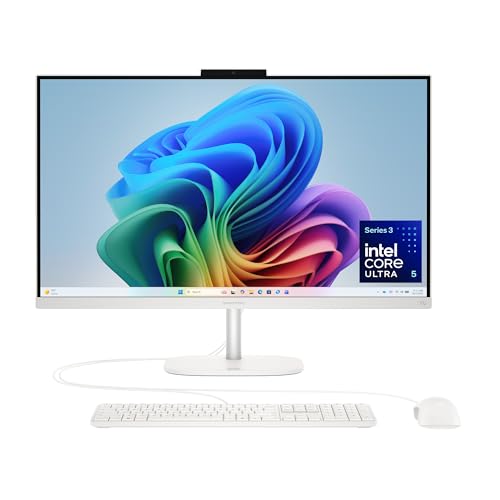
HP OmniStudio 27-Inch All-in-One Desktop, Core Ultra 5 325, 16GB RAM

HP OmniStudio 27-Inch All-in-One Desktop, Ryzen 5 220, 16GB RAM

HP OmniDesk Slim Desktop PC, Core i5-14400, 8GB RAM, 512GB SSD

HP OmniStudio 27-Inch All-in-One Desktop, Ryzen AI 7 445, 16GB RAM

HP OmniStudio 23.8-Inch All-in-One Desktop, Ryzen 5 40, 8GB RAM
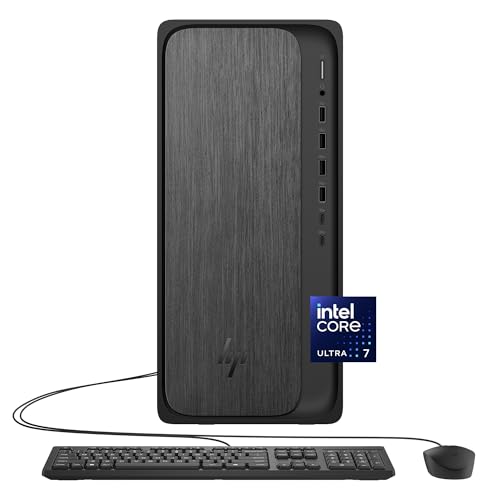
HP OmniDesk Desktop AI PC, Core Ultra 7 265, 16GB RAM, 1TB SSD
Inside Each Recommended Option
An all-in-one desktop, with the computer and display housed together, makes sense for a dedicated study desk. The 27-inch full high definition (FHD) panel gives students room for a document beside reference notes, while the adjustable stand helps set the screen at a comfortable height.
Compared with the smaller HP OmniStudio 23.8 inch model, this version provides more screen area and doubles the memory to 16 GB. It feels like the more settled study setup, assuming the desk is deep enough to accommodate a 27-inch display.
Why It Works Well
- 16 GB of DDR5 random access memory gives coursework, browser tabs, and video calls more room to operate together.
- The 512 GB PCIe NVMe solid-state drive, a compact drive designed for quick PCIe transfers, provides useful space for documents and applications.
- The adjustable stand supports better positioning during long study sessions.
- Infrared facial recognition supports Windows Hello sign-in, while the FHD camera includes automatic contrast and color adjustment.
- AI noise reduction is useful during online classes, and HP Eye Ease is designed to reduce blue light without dulling the display colors.
Practical Considerations
- The 27-inch footprint needs adequate desk depth, so I would measure the study area before committing.
- Its 512 GB storage matches several lower-cost options, so unusually large project libraries still need careful organization.
Quick Facts
Who It Suits Best
This model suits students who want a large, self-contained study computer for documents, classes, and regular video calls.
Another Choice May Suit
The HP OmniDesk Desktop AI PC, Core Ultra 7 265, 16GB RAM, 1TB SSD, suits students who need much more file storage and prefer a separate display.
The Cotton White finish gives this all-in-one a lighter visual presence than the Jet Black models, which can make a shared room feel less utilitarian. I like that practical distinction, even though the underlying study experience depends more on the 27-inch FHD display and 16 GB of memory.
Unlike the Intel-equipped HP OmniStudio model, this desktop pairs a Ryzen 5 220 processor with Radeon 740M graphics. The result is an AMD-based option for students whose course materials, software preferences, or peripherals already fit that ecosystem.
What Works In Its Favor
- The 27-inch display creates a generous work area for research, editing, and online lessons.
- 16 GB of memory is more comfortable for several course applications than the 8 GB configurations in the shortlist.
- The 512 GB SSD provides practical room for a semester of notes, projects, and media files.
- The listing offers a protection arrangement for qualifying accidental damage, breakdowns, and power surges under its stated terms.
Points To Keep In Mind
- Storage remains at 512 GB, so large media libraries may need external storage or regular file management.
- The 27-inch screen requires more desk space than the compact 23.8-inch model.
- FHD resolution may feel less detailed for tiny text, making a quick preview important for design or technical documents.
Feature Snapshot
Made For
This model fits students wanting a room-friendly white all-in-one with enough memory for busy class weeks.
A Better Fit Elsewhere
The HP OmniStudio 27-Inch All-in-One Desktop, Core Ultra 5 325, 16GB RAM, is a better fit for students standardized on Intel-based course software.
A separate computer and monitor can make more efficient use of a small apartment, especially when an existing television or display can serve as the screen. The Meteor Silver HP OmniDesk Slim Desktop PC takes that traditional route rather than bundling everything into a 27-inch display.
The Core i5-14400, 512 GB SSD, and Intel UHD Graphics 730 cover the familiar territory of web research, writing, media playback, and video calls. The 8 GB of memory is the key constraint, especially compared with the 16 GB available in three of the other all-in-one configurations.
A Few Highlights
- The slim chassis leaves flexibility for arranging a monitor and keyboard around a compact workspace.
- Intel UHD Graphics 730 handles the built-in visual workload of a traditional desktop setup.
- Windows 11 Home and a dedicated Copilot key support daily study and productivity software.
Details To Watch
- At 8 GB, memory is half the amount offered by the 16 GB models, which matters when many applications remain open.
- Since no display is listed, I would allow desk space for the desktop and a separate monitor.
The Right Fit
This desktop suits apartment residents who already own a suitable display and want a straightforward study computer.
Look Elsewhere When
The HP OmniDesk Desktop AI PC, Core Ultra 7 265, 16GB RAM, 1TB SSD, suits students handling heavier applications and large local project libraries.
Students comparing the two AMD all-in-ones face a clear configuration choice. This HP model moves up to a Ryzen AI 7 445 processor and Radeon 840M graphics while retaining 16 GB of memory, a 512 GB SSD, and the same 27-inch FHD format.
That higher-tier processor placement may suit advanced coursework, but model names alone cannot predict how specialized software will behave. I would check the software requirements for design, engineering, or data-intensive classes before treating the AI designation as decisive.
Benefits That Matter
- The Ryzen AI 7 445 processor places this model above the Ryzen 5 configuration in the shortlist.
- Radeon 840M graphics provide a stronger configuration choice for visual coursework than basic integrated graphics.
- 16 GB of memory supports multitasking between lessons, references, and communication tools.
- The 27-inch display and integrated computer simplify the physical study setup.
Potential Compromises
- Storage remains at 512 GB, so advanced coursework does not come with extra file capacity.
- The larger screen needs more desk space than the compact HP OmniStudio model.
- Specialized applications should be checked for graphics and processor requirements before purchase.
Technical Sheet
Built With In Mind
This model fits students with demanding coursework who prefer the convenience of a large AMD-based all-in-one.
Where A Sibling Pick Shines
The HP OmniStudio 27-Inch All-in-One Desktop, Core Ultra 5 325, 16GB RAM, suits students who prefer an Intel-based all-in-one with the same memory and storage capacity.
The tightest study corner does not always have room for a 27-inch display. This 23.8-inch all-in-one reduces the screen footprint while keeping the computer, display, and stand in one unit, making it a more natural fit for a compact dorm desk.
Its Ryzen 5 40 processor, Radeon graphics, 512 GB SSD, and 8 GB of memory cover familiar academic tasks. Compared with the 27-inch Cotton White model, it saves desk space and uses a more general Radeon graphics designation, but it also offers half as much memory.
The Good Stuff
- The 23.8-inch FHD display takes up less desk space than either 27-inch alternative.
- The integrated all-in-one arrangement keeps the study area visually simple.
- Windows 11 Home and a 512 GB SSD cover standard course applications and local file storage.
Small Caveats
- At 8 GB, memory offers less room for simultaneous coursework applications than the 16 GB models.
- The smaller panel leaves less open workspace for showing a document beside reference material.
Best Suited To
This model suits students in compact dorm rooms who value a tidy, self-contained computer over a larger work canvas.
Reach For A Different Pick When
The HP OmniStudio 27-Inch All-in-One Desktop, Ryzen 5 220, 16GB RAM, suits students who prefer a larger screen and twice the memory.
A media archive, several large software projects, and years of course documents can fill 512 GB faster than many students expect. The HP OmniDesk Desktop AI PC takes a different approach by pairing 16 GB of memory with a roomier 1 TB solid-state drive and a Core Ultra 7 265 processor.
Unlike the HP OmniStudio all-in-ones, this is a traditional desktop with no display listed, so a separate monitor belongs in the setup plan. The Gray Wood finish and Copilot support add a polished desk presence, while Intel Graphics keeps the component list focused on everyday academic computing.
A Strong Showing
- The 1 TB SSD offers twice the capacity of the 512 GB models for local coursework and media.
- 16 GB of memory gives heavier multitasking more breathing room.
- The Core Ultra 7 265 processor is the highest-numbered Intel processor in this shortlist.
- Windows 11 Home and Microsoft Copilot cover common productivity needs.
- The listing provides a protection arrangement for qualifying accidental damage and power surges under its terms.
Possible Drawbacks
- No display is listed, so the complete study setup includes a separate monitor.
- Intel Graphics is the listed graphics solution, so specialized 3D or rendering software needs a compatibility check.
- Even 1 TB is finite, and important coursework still benefits from a separate backup.
Core Details
Who Will Love This
This desktop suits students managing large project libraries who already have a suitable display or prefer a traditional computer setup.
Consider Something Else When
The HP OmniStudio 27-Inch All-in-One Desktop, Core Ultra 5 325, 16GB RAM, suits students who want the screen and computer combined in one study unit.
What Actually Matters In A Student Desktop
Match Memory To The Workload
I start with memory because it affects how comfortably a computer handles several tasks at once. The 8 GB models can handle standard coursework, while 16 GB gives demanding applications and many open tabs more room to operate. For computer science, video editing, large data sets, or simultaneous virtual meetings, I favor 16 GB over the extra flexibility of a smaller display.
Processor And Graphics By Coursework
A processor family matters when class software has specific requirements, and integrated graphics should be checked before enrolling in 3D, rendering, or advanced design work. The Core Ultra 7 265, Ryzen AI 7 445, and Core Ultra 5 325 options place different processor tiers beside the more modest Core i5-14400 and Ryzen 5 models. I would compare the actual course requirements rather than assuming a processor label answers every performance question.
Display, Form Factor, And Space
An all-in-one reduces the number of separate pieces on the desk, but the 27-inch models need more room than the 23.8-inch display. A traditional desktop may use less space and can work with an existing monitor. I would measure the desk and inspect the viewing distance before deciding, especially in a shared dorm room.
Storage And Support
A 512 GB SSD is a practical starting point for applications and active coursework, while 1 TB offers more room for large media and project archives. Storage capacity does not replace a separate backup. I also check the protection or support terms attached to the listing, including what is covered, excluded, and subject to plan conditions.
Avoiding Common Desktop Buying Errors
Mistakes Worth Dodging
I would avoid choosing by display size alone, since a large screen does not compensate for insufficient memory. Another common mistake is ignoring software requirements, especially for 3D or data-heavy assignments. Checking the complete study setup, including any separate monitor, prevents an unexpected gap later.
What The Higher Tier Buys
Higher-tier models typically add memory, storage, a more capable processor, or a larger display. Those additions matter when coursework creates sustained workloads rather than occasional bursts. For light note-taking and basic browsing, the lower configurations can be sensible without spending for unused capacity.
Frequently Asked Questions
Is 16 GB Of RAM Better For Student Work?
Yes, 16 GB provides more room for coursework applications, browser tabs, and video calls to remain open together. An 8 GB model can still suit lighter study routines, but 16 GB gives demanding workloads greater flexibility.
Should A Student Buy A 27-Inch All-in-One Desktop?
A 27-inch all-in-one suits a dedicated desk where students want a large screen and a tidy computer-and-monitor arrangement. A smaller room or an existing display makes a 23.8-inch model or traditional desktop more convenient.
Is 512 GB Enough Storage For College?
It is enough for many students who keep active files locally and manage larger media through separate storage. Students collecting video, 3D assets, or multiple large projects benefit from the 1 TB configuration.
Do The HP OmniDesk Models Include A Monitor?
The HP OmniDesk Slim Desktop PC and HP OmniDesk Desktop AI PC are not listed with displays. A separate monitor is therefore part of the complete study setup.
Which Model Fits A Small Dorm Room Best?
The HP OmniStudio 23.8-Inch All-in-One Desktop, Ryzen 5 40, 8GB RAM, has the smallest listed display. The HP OmniDesk Slim Desktop PC is another space-conscious option for students who already own a suitable screen.
Final Verdict
My shortlist splits into three clear groups. The 23.8-inch HP OmniStudio fits compact dorm desks, the 27-inch models balance screen space with built-in convenience, and the HP OmniDesk Desktop AI PC takes the lead for storage-heavy work. The right decision comes down to the workload, available desk space, and whether a separate display already exists.
