
A photo culling session can quickly reveal the limits of an undersized display, slow storage, or insufficient memory. I built this roundup around the attributes I consider most useful for photography work: screen space, processing power, memory, graphics capability, and room for image files. These HP desktops cover everything from a compact all-in-one for a small studio to a larger tower built for heavier editing and organized storage.
A Snapshot Of The Selections
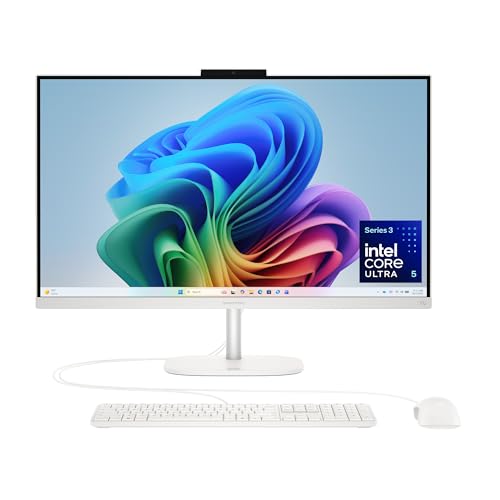
HP OmniStudio 27-cy0002 All-in-One Desktop, Intel Core Ultra 5, Jet Black

HP OmniStudio 27-cv0002 All-in-One Desktop, AMD Ryzen 5 220, Cotton White

HP OmniDesk S03-0012 Slim Desktop PC, Intel Core i5-14400, Meteor Silver

HP OmniStudio 27-cw0102 All-in-One Desktop, AMD Ryzen AI 7 445, Jet Black

HP OmniStudio 24-cv0002 All-in-One Desktop, AMD Ryzen 5 40, Cotton White
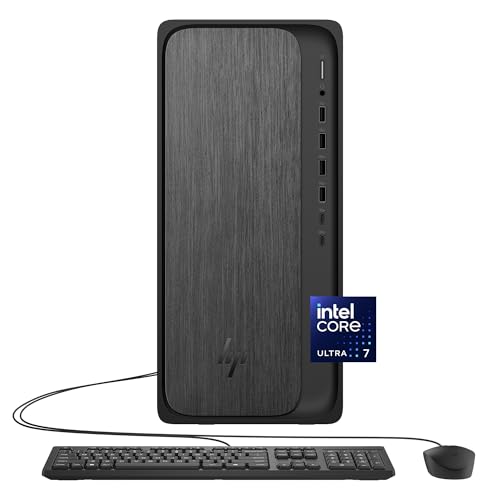
HP OmniDesk M03-0102 Desktop AI PC, Intel Core Ultra 7 265
More Details On My Top Picks
The 27-inch Full HD, or FHD, display gives me more room to compare a contact sheet with a Lightroom-style editing panel than a small laptop screen allows. The adjustable stand also makes it easier to move between seated culling and upright viewing, which matters during a long studio day. For a photographer combining image review, catalog work, and calls, this feels like a balanced creative command center.
Unlike the HP OmniDesk models later in the roundup, this machine puts the display, computer, and webcam in one enclosure. The Intel Core Ultra 5 325 includes built-in graphics and artificial intelligence features, though it is not positioned as a dedicated graphics workstation. In my view, that makes it better suited to routine editing and presentation than intensive 3D rendering or large video timelines.
Practical Pluses
- The large display reduces the need to repeatedly move between separate windows while culling photographs.
- DDR5 memory supports smoother multitasking between an editor, browser, cloud storage, and a messaging app.
- The 512 GB PCIe NVMe M.2 solid-state drive, a compact flash-storage format, keeps files responsive and leaves the desk uncluttered.
- A built-in FHD infrared camera with HDR switching, which adjusts contrast and color under changing light, supports calls from the studio.
- Windows Hello facial recognition provides a quick sign-in method for a shared workspace.
Things To Consider
- Built-in Intel Graphics may slow down demanding filters, large RAW previews, or GPU-accelerated exports.
- The 512 GB drive suits active projects better than a long-running archive of original camera files.
Key Specs
Made For
This model suits photographers who value a large integrated display and frequent multitasking in a home studio or hybrid office.
Where Another Pick Suits Better
Photographers managing large archives benefit more from the 1 TB storage in the HP OmniDesk M03-0102 Desktop AI PC.
The Cotton White finish gives this all-in-one a noticeably lighter presence than the Jet Black models, which can make a compact photography studio feel less crowded. I would consider it for a bright editing corner where the screen, computer, and camera should share a clean footprint. The 27-inch FHD panel gives photographers enough space for a reasonably dense photo grid.
Compared with the Intel-equipped HP OmniStudio 27-cy0002, this version uses an AMD Ryzen 5 220 and Radeon 740M graphics while retaining 16 GB of memory and 512 GB of storage. That makes it a close alternative for photographers who prefer an AMD platform and care more about workspace aesthetics than processor-class differences.
A Favorable Mix
- The all-in-one design reduces desktop clutter and leaves room for a keyboard, mouse, and photo display.
- Sixteen gigabytes of memory provides a practical foundation for photo management and ordinary editing.
- The 512 GB solid-state drive keeps active shoots and selected projects together.
Minor Gripes
- Radeon 740M graphics may not suit large RAW files combined with demanding filters or extensive video timelines.
- Original image archives will require separate storage once the internal drive reaches capacity.
Right Fit For
This model fits photographers building a bright, uncluttered editing area around an AMD-based all-in-one.
Another Choice May Suit
Photographers seeking stronger graphics specifications should consider the HP OmniStudio 27-cw0102 All-in-One Desktop with Radeon 840M graphics.
A separate monitor gives this slim desktop a different advantage from the all-in-ones: the screen can match the photographer’s workspace. The Meteor Silver tower may sit neatly beside a color-accurate display, making it practical for a compact studio that already has good viewing equipment. The Intel Core i5-14400 handles standard editing, catalog management, and communication tools without relying on a separate computer enclosure.
Compared with the HP OmniStudio 27-cy0002, this model offers more flexibility in screen placement but less bundled display area. Its 8 GB of memory is the main constraint for a busy workflow, particularly when several large photo libraries and editing applications are open together.
Practical Advantages
- The slim tower can sit close to a desk or in a compact workstation area.
- Intel UHD Graphics 730 supports general visual tasks without a separate graphics card.
- The 512 GB SSD provides a fast home for active photo projects.
- Microsoft Copilot adds a dedicated assistant key for everyday research and writing.
Trade Offs
- Eight gigabytes of memory is modest for heavy multitasking with large RAW libraries.
- A separate monitor is required for a large editing workspace.
Quick Facts
Who Will Love This
This desktop suits photographers with an existing display who need a compact, practical computer for routine photo work.
Skip It When
Photographers running many editing applications at once should favor the 16 GB memory in the HP OmniDesk M03-0102 Desktop AI PC.
The combination of a 27-inch FHD display, AMD Ryzen AI 7 445 processor, and Radeon 840M graphics gives this model a useful balance for photographers who regularly move between retouching and visual review. The AI designation refers to processor-based artificial intelligence features, though actual application performance still depends on the software and workload. For regular photo editing and mixed creative projects, I see this as a particularly coherent all-in-one.
Unlike the Ryzen 5-based HP OmniStudio 27-cv0002, this system sits at a higher processor and graphics tier while keeping the same 16 GB memory and 512 GB storage. It therefore makes more sense for a photographer whose retouching tools place meaningful demands on the processor and graphics hardware.
Bright Spots
- Radeon 840M graphics provide a stronger starting point for filter-heavy editing than the entry-level alternatives here.
- The Ryzen AI 7 445 processor supports demanding multitasking alongside image editing.
- Sixteen gigabytes of memory handles an editor, browser, and cloud-storage workflow.
- The large display reduces window juggling during culling and client presentations.
Worth Noting
- The integrated design leaves less freedom to choose a specialized monitor or add a discrete graphics card.
- Five hundred twelve gigabytes may require regular archive management for active shoots.
Built With In Mind
This model suits working photographers who need balanced hardware and a large screen without a separate desktop tower.
A Better Fit Elsewhere
Photographers with extensive local archives benefit more from the 1 TB drive in the HP OmniDesk M03-0102 Desktop AI PC.
The 23.8-inch FHD display keeps the footprint smaller than the 27-inch OmniStudio models, which can help in an editing corner where desk depth matters. I would consider it for a photographer who mainly reviews and organizes images rather than arranging several large panels. Cotton White also gives it a lighter visual finish.
The AMD Ryzen 5 40 processor and Radeon graphics cover standard creative work, but 8 GB of memory is the more significant constraint. Compared with the HP OmniStudio 27-cv0002 and its 16 GB of memory, this model has less room for running an editor alongside multiple communication and cataloging tools.
Everyday Wins
- The smaller display suits compact desks and focused photo-review sessions.
- The integrated design keeps the workspace simple and cable management straightforward.
- The 512 GB SSD provides quick access to selected shoots and active edits.
Areas To Watch
- Eight gigabytes of memory can become restrictive with several heavy applications open.
- The 23.8-inch panel offers less simultaneous editing space than the 27-inch models.
Feature Snapshot
Whose Shelf It Belongs On
This all-in-one fits photographers working in compact rooms with a focused cataloging and light-retouching routine.
Look Elsewhere When
Photographers handling large selections and several simultaneous applications should consider the HP OmniStudio 27-cv0002 with 16 GB of memory.
The Intel Core Ultra 7 265 gives this desktop a stronger processor position than the Core i5 model earlier in the roundup. For a photographer running catalog software, image editing, browser-based communication, and other demanding tools, that headroom can be more useful than adding display size to an all-in-one. The separate tower also leaves monitor placement entirely up to the studio layout.
Storage is the standout practical feature: the 1 TB solid-state drive provides twice the capacity of the 512 GB options. That difference matters with finished image collections, exported versions, and project files kept locally. Intel Graphics still makes this a general-purpose creative desktop rather than a dedicated high-end graphics workstation.
Benefits That Matter
- The Core Ultra 7 265 provides processing headroom for busy creative workflows.
- Sixteen gigabytes of memory supports several photography applications running together.
- The 1 TB SSD reduces pressure to move active archives to secondary storage.
- The tower format allows a larger, calibrated, or secondary monitor to be used.
Practical Considerations
- A separate monitor is needed for a large visual workspace.
- The Intel Graphics configuration may fall short for some accelerated filters and intensive video editing.
Core Details
The Right Fit
This desktop suits a serious photography workstation that prioritizes processor power, memory, storage, and monitor choice.
Reach For A Different Pick When
Photographers wanting the simplest setup benefit more from the HP OmniStudio 27-cw0102 and its integrated 27-inch display.
What Counts In A Photography Desktop
I start with the screen because a photographer needs enough area for a contact sheet, catalog browser, and editing controls. Full HD provides a familiar baseline, but pixel density and color performance deserve attention for detailed work. A larger FHD display may still be less suitable than a smaller panel with higher resolution.
Memory And Application Switching
RAM is the working memory used by open applications and files. A photographer moving between a photo editor, browser, cloud service, and messaging app benefits from 16 GB, especially with large RAW files. Eight gigabytes remains workable for lighter editing, though frequent application switching can reduce comfort.
Graphics And Processing Work
Integrated graphics handle displays, video calls, and ordinary photo tasks without a separate card. They can become a constraint with intensive filters, complex RAW development, or demanding video timelines. The processor also affects export times, previews, and multitasking, so the faster chipset offers useful headroom even when it cannot replace dedicated graphics hardware.
Storage And Workspace Fit
An SSD, or solid-state drive, stores data on flash memory and responds faster than a conventional hard drive. A 512 GB capacity suits active projects with separate archival storage; 1 TB gives larger collections more room. I also consider desk depth, monitor placement, and the number of separate cables before settling on an all-in-one or tower.
Common Shopping Slip Ups
Mistakes Worth Dodging
I would avoid judging a computer by processor naming alone, since memory and graphics can limit the actual workflow. Another common mistake is overlooking monitor resolution when a large screen seems sufficient on paper. I also check desk depth, storage needs, and peripheral connections before treating a compact design as automatically convenient.
What The Higher Tier Buys
Moving to a faster processor can improve multitasking and export responsiveness, while 16 GB of memory is more comfortable for layered creative work. A larger SSD mainly adds local storage capacity. The extra cost makes more sense for regular professional editing, sizable archives, or demanding motion work than for occasional photo sorting.
Frequently Asked Questions
Is 16 GB of RAM enough for photography editing?
Yes, 16 GB is a practical amount for mainstream photo editing and multitasking. I would choose 8 GB for lighter work or favor the 1 TB model when a large local archive is also required.
Do I need a dedicated graphics card for photo editing?
I would not for basic corrections, cataloging, and ordinary RAW development. A dedicated card becomes more relevant for intensive filters, accelerated exports, high-resolution video, or 3D work.
Is an all-in-one better for a photography studio?
I prefer an all-in-one for a simpler setup and more desk space. A tower offers greater flexibility in monitor selection, placement, and later graphics upgrades.
Should a photography desktop include a 1 TB SSD?
I favor 1 TB for active projects, exported images, and growing local libraries. A 512 GB drive works well when original files remain on external storage and only selected images stay on the computer.
Can these desktops handle photo editing and video calls?
Yes, the listed processors and 16 GB configurations can support typical editing and communication applications. Heavy filters and demanding video timelines call for higher graphics specifications or a more specialized workstation.
Final Thoughts
I would choose the HP OmniStudio 27-cw0102 for a large integrated display and balanced AMD hardware, while the HP OmniDesk M03-0102 offers stronger storage and processor headroom. The smaller white OmniStudio models suit compact spaces, while the slim OmniDesk works well beside an existing display. The right choice comes down to screen preference, workload, and how much local storage the studio needs.
