
Call of Duty can expose weak memory, slow storage, and a display that cannot keep pace with fast movement. I built this shortlist around discrete graphics, high-refresh screens, capable processors, and enough memory for gaming, streaming, and everyday work. These options serve different budgets and screen-size preferences, from compact 15.6-inch machines to larger gaming laptops.
The Lineup, Simplified

HP Victus 15 Gaming Laptop Ryzen 7 RTX 4050 16GB 512GB SSD

HP OMEN 17.3 Laptop Ryzen 7 8845HS 32GB
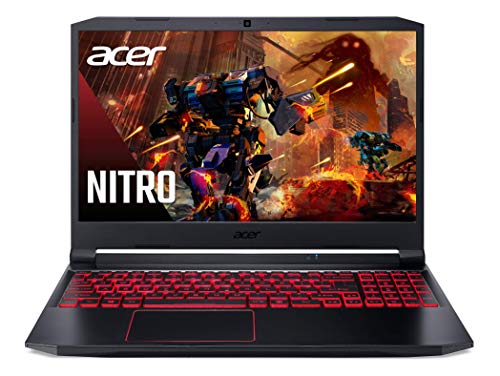
Acer Nitro 5 AN515-55-53E5 i5-10300H RTX 3050 144Hz IPS
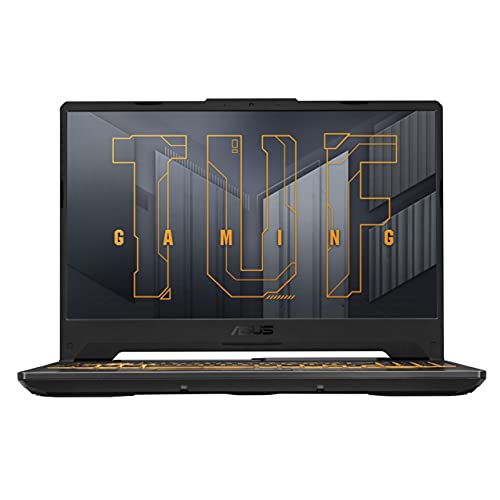
ASUS TUF Gaming F15 RTX 3050 Ti 16GB 512GB

NIMO 17.3 FHD Laptop R7 8745HS 32GB 1TB SSD

NIMO 15.6 FHD Laptop R7 8745HS 32GB 1TB SSD
The Details Behind The Selections
I consider the HP Victus 15 the most straightforward all-around choice for Call of Duty, with discrete RTX 4050 graphics and a 144Hz panel. It handles the fine balance between fast competitive play and normal study, streaming, or work sessions better than a dedicated gaming-only machine might.
The Ryzen 7 7445HS provides six cores and 12 threads, while 16GB of DDR5 memory supports game launches, voice chat, and background applications. Unlike the NIMO options later in the roundup, this model includes a discrete graphics processor designed for more demanding games.
Standout Benefits
- RTX 4050 6GB supports DLSS 3 frame generation and ray tracing.
- The 15.6-inch FHD IPS display refreshes at 144Hz.
- Ryzen 7 7445HS reaches up to 4.7GHz across 12 threads.
- Dual USB-A, USB-C, HDMI 2.1, and Ethernet improve desk setup flexibility.
- AV1 encoding and NVENC acceleration help with video creation.
Practical Considerations
- The 512GB SSD leaves limited room for a large game library.
- The RTX 4050 carries 6GB of video memory, a constraint for demanding settings.
Feature Snapshot
Who It Suits Best
This model suits competitive players who want a balanced 15.6-inch laptop for gaming, classes, and regular productivity.
A Better Fit Elsewhere
The HP OMEN 17.3 Laptop Ryzen 7 8845HS 32GB suits desk-based players who value more memory and a larger screen.
I favor the HP OMEN for a permanent gaming desk because its 17.3-inch display gives Call of Duty more visual space without changing the familiar 1080p format. Compared with the Victus, it also doubles the memory and storage while retaining the same 6GB RTX 4050 graphics class.
That extra capacity matters during long sessions involving game streaming, video editing, or many browser tabs. The 48Hz to 144Hz adaptive refresh range can also settle the display when movement is less demanding.
The Value In It
- 32GB DDR5 comfortably supports heavy multitasking.
- The 1TB PCIe Gen4 NVMe drive provides ample game storage.
- The 17.3-inch IPS panel offers wide viewing angles.
- Ryzen 7 8845HS handles gaming and creator workloads.
One Factor To Weigh
- The 17.3-inch body takes more desk and bag space than a 15.6-inch model.
Quick Facts
Made For
The OMEN fits players with a dedicated desk, especially those balancing Call of Duty with streaming or creative software.
Where Another Pick Shines
The HP Victus 15 Gaming Laptop Ryzen 7 RTX 4050 16GB 512GB SSD is easier to carry between classes, offices, and travel.
I see the Acer Nitro 5 as a focused entry into 144Hz gaming, combining a dedicated RTX 3050 with a Core i5 and a familiar 15.6-inch footprint. The OMEN offers newer processing and twice the memory, but this smaller configuration keeps the essential gaming components in a more modest package.
For budget-conscious play, the 144Hz IPS display remains the most important attraction. The RTX 3050 also supports ray tracing and DLSS, giving the graphics system room to manage demanding scenes.
What Stands Out
- The 144Hz IPS screen suits quick aiming and movement.
- Discrete RTX 3050 graphics support ray tracing and DLSS.
- HDMI, USB, Ethernet, Wi-Fi 6, and Bluetooth cover common connections.
Trade Offs
- Only 8GB of memory limits comfortable heavy multitasking.
- The 256GB SSD is cramped for several large games.
- The 10th-generation Core i5 and RTX 3050 sit below the RTX 4050 models above.
The Right Fit
This Nitro fits a dedicated-gaming beginner who prioritizes a high-refresh display over maximum storage and memory.
Another Choice May Suit
The ASUS TUF Gaming F15 RTX 3050 Ti 16GB 512GB offers more memory and storage for mixed gaming and work.
I consider the ASUS TUF F15 the most balanced hybrid in the group because it pairs a Core i7 with 16GB of memory and a roomier 512GB drive. That combination feels more natural than the Acer Nitro 5 for students or workers who also expect to run substantial applications between matches.
Its RTX 3050 Ti occupies a lower graphics tier than the RTX 4050 models, yet the 144Hz IPS display preserves the responsive feel that matters most in fast shooters. ASUS Anti-Dust Cooling adds a practical thermal-management feature for regular gaming use.
Strong Points
- The Core i7 provides a stronger CPU tier than the Nitro’s Core i5.
- RTX 3050 Ti handles dedicated gaming and accelerated graphics work.
- 16GB of RAM supports mixed gaming and productivity.
- The 512GB SSD offers twice the Acer’s capacity.
- The 15.6-inch FHD IPS display runs at 144Hz.
- Anti-Dust Cooling targets internal dust accumulation.
Small Caveats
- Windows 10 Home is less current than the Windows 11 alternatives.
- The RTX 3050 Ti is a lower tier than the RTX 4050 graphics above.
Technical Sheet
Built With In Mind
The TUF suits students and hybrid workers who need stronger everyday specifications than a basic gaming laptop.
Reach For A Different Pick When
The NIMO 15.6 FHD Laptop R7 8745HS 32GB 1TB SSD suits memory-heavy creative work that prioritizes capacity over gaming.
I view the NIMO 17.3 as a productivity machine with gaming potential, not a dedicated Call of Duty laptop. Its Ryzen 7 8745HS has eight cores and 16 threads, while 32GB of DDR5 memory and a 1TB SSD create a much roomier workspace than the Acer and ASUS options.
The large FHD display also helps with timelines, spreadsheets, and coding windows. For actual gaming, however, the Radeon 780M integrated graphics are the decisive compromise.
Key Advantages
- The eight-core Ryzen 7 supports demanding multitasking and creation.
- 32GB DDR5 and 1TB storage suit large project files.
Worth Noting
- Integrated Radeon 780M graphics are less suited to demanding Call of Duty settings than a discrete RTX GPU.
Whose Shelf It Belongs On
This NIMO fits editors, developers, and students who need abundant memory and a large screen more than competitive gaming performance.
Swap It Out When
The HP Victus 15 Gaming Laptop Ryzen 7 RTX 4050 16GB 512GB SSD is the better choice for discrete-gaming performance.
I prefer this smaller NIMO model for carrying productivity hardware between locations, since it preserves the same Ryzen 7 8745HS, 32GB memory, and 1TB storage as the 17.3-inch version. The reduced 15.6-inch footprint makes more sense for commuting, although the trade-off appears in screen space rather than specifications.
Its Radeon 780M integrated graphics can handle lighter titles, but competitive Call of Duty remains better served by a discrete GPU. This configuration makes more sense as a mobile workstation for documents, development, and media projects.
Well-Handled Touches
- The compact 15.6-inch format eases transport.
- Eight processor cores support parallel work.
- 32GB of memory handles complex project files.
- The 1TB SSD provides practical local storage.
Less-Strong Areas
- Integrated graphics remain the main limitation for gaming.
- The smaller display offers less workspace than the NIMO 17.3.
- Call of Duty settings may require more conservative choices than a discrete RTX configuration.
Core Details
Who Will Love This
This model suits mobile creators and students who prioritize memory, storage, and portability over high-end gaming.
Look Elsewhere When
The HP OMEN 17.3 Laptop Ryzen 7 8845HS 32GB serves players who need discrete RTX graphics and a larger gaming display.
What Matters Before Buying A Call Of Duty Laptop
Graphics And Frame Rate
I start with the graphics processor because it has the most direct effect on a Call of Duty experience. RTX 4050 models offer a stronger foundation than RTX 3050 or integrated Radeon graphics, particularly when higher resolutions, ray tracing, and DLSS are important. A 144Hz screen also needs a capable GPU to keep the action visually smooth.
Memory And Storage
Modern shooters load quickly, but streaming, voice chat, and background applications still need memory. I regard 16GB as a sensible minimum for regular gaming, while 32GB offers more breathing room for creators. Storage matters too, since a 256GB drive leaves little space for a large game library and frequent updates.
Screen Size And Everyday Comfort
A 15.6-inch laptop is easier to carry between classes, offices, and gaming setups. The 17.3-inch alternatives I reviewed provide a more expansive view of maps and menus, making them better suited to a permanent desk. Screen weight and keyboard layout deserve attention because a large display should still feel comfortable during long sessions.
CPU And Connectivity
A recent Core i5 or Ryzen 7 provides a solid foundation for gaming and multitasking, especially when the machine also handles capture software or browser-based tasks. I also check Ethernet, Wi-Fi 6, USB ports, and headphone connections. Those details determine how easily the laptop joins an online session and fits into an existing setup.
Common Gaming-Laptop Mistakes
Wrong Turns To Avoid
I would avoid choosing by screen refresh rate alone. A 144Hz panel still depends on adequate graphics performance, and fast storage matters once games become large. Another common error is overlooking memory, especially when a small SSD is paired with only 8GB of RAM.
What The Higher Tier Buys
Higher-tier models often add faster processors, more graphics memory, larger storage, and better displays. Those gains help with demanding settings, multitasking, and heavier creative work. I consider the extra specification worthwhile mainly when the laptop handles both gaming and serious production tasks.
Frequently Asked Questions
Which Laptop Is Best For Call Of Duty?
I consider the HP Victus 15 the strongest balanced choice because it combines an RTX 4050 with a 144Hz display and 16GB of memory. The HP OMEN 17.3 Laptop is a better fit when a larger screen and more memory matter.
Is 16GB Of RAM Enough For Call Of Duty?
I find 16GB sufficient for gaming with voice chat and several background applications. A 32GB configuration offers more comfort for streaming, editing, development, and many open programs.
Does A 144Hz Display Make A Laptop Faster?
A 144Hz display can show more frames per second, but it does not increase the laptop’s processing power. I would still check the graphics processor and settings because the software must generate enough frames to benefit from the faster panel.
Should A Gaming Laptop Have A 1TB SSD?
I favor 1TB for a large game library because modern titles and updates consume considerable room. A smaller SSD works, though deleting files and managing installation locations becomes a regular task.
Is A 15.6-Inch Gaming Laptop Easier To Carry?
I find 15.6-inch models more manageable for commuting and travel than larger 17.3-inch alternatives. The larger displays suit stationary gaming, while smaller screens keep weight and footprint lower.
Final Verdict
I would choose the HP Victus 15 for the strongest balance of dedicated graphics, high-refresh display, portability, and memory. The HP OMEN 17.3 Laptop makes more sense for desk-based play and heavier multitasking, while the NIMO models prioritize productivity over competitive gaming. The right choice comes down to how much time the laptop spends in games and how much space remains for everything else.
