
A teenager’s first computer needs to handle homework, video calls, creative projects, and an evening of gaming without becoming a source of frustration. I focus on the details that matter in daily use, including memory, storage, screen quality, portability, and desk space, so students can find hardware suited to schoolwork and their favorite pastimes.
The Choices Worth Comparing

jumper 17.6-inch Laptop, i3-10100Y, 16GB RAM, 256GB SSD, 100% sRGB

HP Mini Desktop PC, Intel i7-12700T, 16GB RAM, 1TB SSD

Apple 2024 MacBook Pro M4 Pro, 24GB Memory, 512GB SSD, Space Black
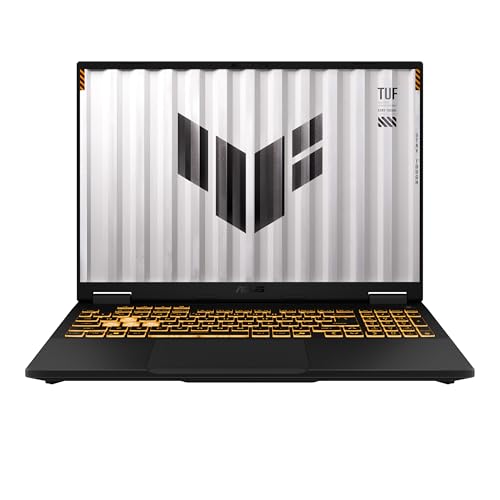
ASUS TUF Gaming F16, RTX 5050, 16GB DDR5, 512GB SSD

HP OmniStudio 27-inch Desktop, Ryzen AI 7 445, 16GB RAM

HP OmniStudio 23.8-inch Desktop, Ryzen 5 40, 8GB RAM
The Details Behind The Selections
A homework session can quickly become a desktop-like workload, especially with browser tabs, a video call, and a document open at the same time. The jumper’s 17.6-inch display gives students and their parents room to work side by side, while the backlit keyboard helps during evening study sessions. For a teen who wants one machine for school and entertainment, the generous screen feels more useful than a compact chassis with a cramped view.
The i3-10100Y processor, 16GB of memory, and 256GB solid-state drive form a practical foundation for documents, browsing, and media. Two memory channels allow the CPU and integrated graphics to exchange data more efficiently, which helps during multitasking. I see this as a sensible family laptop for a teen whose main needs are school software, communication, and occasional lighter gaming.
What Works In Its Favor
- The 1920-by-1200 resolution keeps text clear across a roomy 16:10 display.
- Two RAM channels support smoother multitasking than a single-channel arrangement of similar size.
- Wi-Fi 6 and fast charging suit days that move between school, home, and friends’ houses.
- USB Type-C, HDMI, and a backlit keyboard cover common daily needs.
- The 7000mAh battery adds useful endurance for a long school day.
Things To Consider
- The 256GB drive leaves less room for large game installs, videos, and project files.
- The 17.6-inch footprint is generous for a laptop and may be awkward on a compact school desk.
Key Specs
Made For
Students who need a large, portable screen for classes, documents, media, and light gaming will get the most from this configuration.
Where Another Pick Suits Better
Teenagers focused on demanding games benefit more from the dedicated RTX 5050 graphics in the ASUS TUF Gaming F16.
A bedroom desk can host a full-size monitor without also hiding a large computer tower. The HP Mini Desktop PC answers that space problem with a compact 6.97-inch chassis, making it practical for a student who already owns or can arrange a display. The included wired keyboard, mouse, and stand make it easier to build a complete workstation without hunting for extra accessories.
Inside, the 12th-generation Core i7-12700T has 12 cores, while 16GB of DDR4 memory handles the simultaneous applications common to school life. A 1TB NVMe solid-state drive provides substantially more file room than the jumper’s 256GB drive, and support for three 4K outputs suits a multi-screen setup. This feels like a strong fit for a fixed study station rather than a teen who needs to carry a computer to class.
Strong Points
- The 1TB NVMe drive gives project files and applications comfortable breathing room.
- Three 4K outputs can support a focused main display plus secondary screens.
- The wired peripherals provide a consistent, low-latency connection for coursework and gaming.
- Windows 11 Pro adds useful management features for a home study computer.
Practical Considerations
- A monitor is required for a practical viewing arrangement.
- The desktop and peripherals need a permanent desk, making it less convenient for mobile study.
Right Fit For
Teens with a dedicated study desk benefit from the storage, expansion support, and low footprint of this desktop.
Consider Something Else When
Students who regularly work on presentations away from home fit the all-in-one design of the HP OmniStudio 27-inch Desktop better.
Video editing, large coding projects, and intensive creative work leave ordinary classroom laptops searching for breathing room. The 2024 MacBook Pro pairs the M4 Pro chip’s 14-core CPU with 20-core integrated graphics, giving demanding applications access to substantial processing power. Unified memory shares capacity between the processor and graphics system, which is useful for 3D work, video timelines, and other combined workloads.
The 16.2-inch Liquid Retina XDR display reaches up to 1600 nits at peak brightness, helping dark scenes retain visible detail. Its all-day battery claim also suits a teen moving between classrooms, libraries, and home. The honest catch is that this level of capability may be more than casual web browsing requires, but for a student already building a creative or technical portfolio, the headroom is tangible.
Notable Gains
- The M4 Pro configuration gives demanding applications more processing headroom.
- 24GB of unified memory supports demanding work without separate CPU and GPU memory pools.
- The XDR display provides strong contrast and high peak brightness.
- Portable construction preserves access to this power away from a desk.
Where It May Fall Short
- The 512GB drive may need careful file management for large video or 3D projects.
- Pro-level performance can be unnecessary for a curriculum focused on documents and browsing.
Technical Sheet
Built With In Mind
Teenagers pursuing coding, video, design, or 3D projects get the most benefit from this more capable portable workstation.
A Better Fit Elsewhere
Teenagers focused on value and a larger display benefit more from the HP OmniStudio 27-inch Desktop for everyday work.
Competitive games often reward smooth motion more than raw specification lists can explain. The ASUS TUF Gaming F16 pairs a 165Hz display with an RTX 5050 laptop graphics processor, giving games a display capable of presenting much more frequent visual updates. The 16:10 FHD+ panel also provides more vertical room than a conventional 16:9 screen.
Schoolwork remains manageable thanks to 16GB of DDR5 memory, an i5-13450HX processor, and a 512GB PCIe Gen4 solid-state drive. PCIe Gen4 is a high-speed connection standard for storage, helping files move quickly between the drive and the system. For a teen who wants one machine for classes, creative software, and gaming, that balance is more useful than a portable mini PC.
Everyday Wins
- The 165Hz refresh rate makes fast-moving game scenes appear smoother.
- RTX 5050 graphics provide a dedicated path for gaming and visual workloads.
- Wi-Fi 6E supports modern wireless networks in schools and shared spaces.
- Windows 11 Home covers common school, productivity, and entertainment software.
Details To Watch
- The 512GB drive is likely to become restrictive with several large game installations.
- The 16-inch display and gaming hardware make this a substantial everyday carry.
Quick Facts
Who Will Love This
Teenagers who game regularly and still need a portable Windows machine for school benefit most from this configuration.
Another Choice May Suit
Students focused on document work and compact storage fit the HP Mini Desktop PC better than this larger gaming laptop.
Drawing, editing photos, and arranging research across multiple windows all benefit from a large desktop display. The HP OmniStudio pairs its 27-inch FHD screen with an AMD Ryzen AI 7 445 processor, 16GB of memory, and Radeon 840M graphics. That combination gives a creative student a roomy canvas without requiring a separate tower, monitor, and tangle of desk cables.
The 512GB SSD gives applications and active project files a fast place to live, while Windows 11 Home supports the software commonly used for school and personal projects. For a teenager with a permanent study space, the large screen may be the feature that changes daily work more than any specification. The desktop format is less convenient for library sessions, though.
Standout Benefits
- The 27-inch display gives creative applications and documents substantial room.
- 16GB of memory supports multitasking across lessons, media, and editing applications.
- The all-in-one layout reduces the number of separate desk components.
- Radeon 840M graphics support visual and general computing tasks.
Less Ideal Details
- The large display requires a desk with ample width and depth.
- A 512GB drive offers less room for media libraries than the HP Mini Desktop PC.
The Right Fit
Creative students working at a permanent desk benefit from the combination of a large display, 16GB memory, and integrated desktop hardware.
Reach For A Different Pick When
Teenagers who regularly carry their computer to class fit the portable 2024 MacBook Pro M4 Pro better.
A compact all-in-one can make a smaller bedroom corner function as a proper computer station. The 23.8-inch HP OmniStudio combines its display, computer, and the basic hardware for a home setup in one enclosure. That simplicity suits a teenager whose main activities involve writing, browsing, streaming, and joining online classes rather than running intensive creative software.
The Ryzen 5 40 processor, Radeon graphics, and 512GB SSD cover the fundamentals while keeping the footprint manageable. Windows 11 Home provides the familiar application environment, and the white finish gives the machine a less utilitarian look. Eight gigabytes of memory is the main constraint to consider, since heavy multitasking leaves less room for multiple demanding applications.
Useful Highlights
- The 23.8-inch screen balances useful size with a manageable desk footprint.
- Integrated components reduce cable clutter around a bedroom or study area.
- The 512GB SSD provides dedicated storage for schoolwork and media.
- Radeon graphics handle everyday display and general computing tasks.
Small Limitations
- Eight gigabytes of memory is less suitable for heavy multitasking or demanding creative work.
- The smaller screen offers less workspace than the HP OmniStudio 27-inch Desktop.
Feature Facts
Whose Shelf It Belongs On
Teenagers needing an uncluttered home computer for writing, browsing, streaming, and online classes fit this smaller all-in-one well.
Swap It Out When
Students running multiple demanding applications benefit more from the 16GB memory in the HP OmniStudio 27-inch Desktop.
What Matters Before a Teenager Chooses a Computer
Start With the Main Job
A student moving between classrooms needs a portable laptop with a comfortable keyboard and dependable battery. A teen with a dedicated desk may gain more from an all-in-one computer or mini desktop, especially when screen space matters. Gaming deserves separate consideration because dedicated graphics and a high-refresh display affect play more than a higher processor generation alone.
Memory and Storage
Memory influences how many applications can remain open without slowing down, while storage determines how many files fit locally. Eight gigabytes suits lighter schoolwork, 16GB handles heavier multitasking, and 24GB gives demanding creative applications more room. A 256GB drive demands regular file management; 512GB offers a more comfortable balance, and 1TB is practical for large project libraries.
Screen and Workspace Fit
Screen size changes the character of a computer. A 17.6-inch laptop works well for media and shared viewing, while a 23.8-inch all-in-one fits smaller desks. A 27-inch display gives schoolwork and creative software more visible area, and gaming laptops commonly pair their screens with faster refresh rates. Resolution, color coverage, and display size should be considered together.
Two Decisions Worth Making Carefully
Mistakes Worth Dodging
Choosing solely by processor speed can hide inadequate memory or storage. Check the space available on the desk, the accessories already owned, and whether schoolwork requires specific software. Avoid buying a large desktop for a student who needs one to travel, and avoid a gaming laptop when the main workload consists of documents and video calls.
What The Higher Tier Buys
Higher-tier hardware adds processor power, memory capacity, display quality, or specialized graphics. Those additions matter for video editing, coding, modern games, and running several demanding applications at once. For basic browsing and school documents, a lower tier can cover the task while leaving more money available for a monitor, storage, or accessories.
Frequently Asked Questions
Is a laptop or desktop better for a teenager?
A laptop offers greater portability for school, while a desktop can provide more screen space, storage, and upgrade flexibility. The best choice depends on where the computer will be used most often.
How much RAM does a teenage student need?
Eight gigabytes works for lighter school tasks, while 16GB provides more comfort during multitasking and creative software. Configurations with 24GB make more sense for intensive projects.
How much storage should a computer for a teenager have?
A 512GB drive is a practical middle ground for applications, documents, photos, and several games. Larger game libraries or video projects benefit from 1TB or more space.
Is a gaming laptop necessary for school?
A dedicated gaming GPU and high-refresh screen mainly benefit games and some graphics workloads. Standard school tasks remain well within the capabilities of a conventional laptop or desktop.
Should a teenager choose an all-in-one computer?
An all-in-one suits a permanent desk and reduces cable clutter. A laptop or mini desktop remains easier to reposition between rooms or carry to class.
Closing Thoughts
The right computer for a teenager balances the main workload with the space and portability available. The jumper suits a large-screen general-purpose laptop, the HP mini desktop prioritizes storage and flexibility, and the ASUS TUF focuses on gaming. The MacBook Pro and two HP OmniStudio models serve students who want more display space or greater performance in particular areas. Choose around the work that happens every day, rather than the most demanding task that might happen once.
