
A cluttered desk can turn a weekend server project into a tangle of cables, hot components, and mismatched parts. I built this guide around the decisions that matter most, including rack depth, server form factor, memory, cooling, and expansion room. It suits home-lab builders, IT professionals, and small offices that need dependable hardware without treating every requirement as equally important.
The Main Contenders

GeeekPi 1U Vented Cantilever Shelf for 10 Inch Racks and DeskPi

Sysracks 42U Floor-Standing 24-Inch Network Cabinet SRF 42.6.6M

PCSP DL380 G10 8B SFF 2U Server, 256GB DDR4, 40 Cores, P408i-a RAID, 10Gb SFP
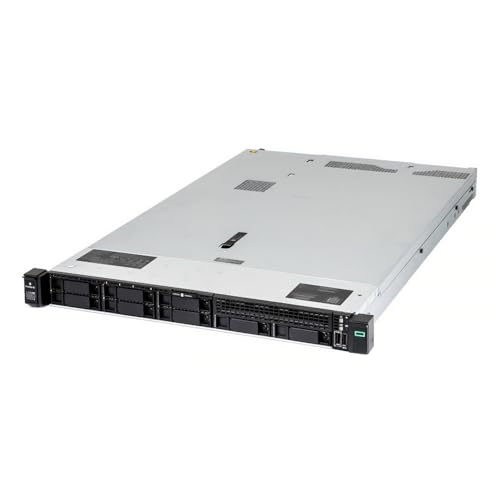
PCSP DL360 Gen10 40 Core SFF Server, 512GB DDR4
PCSP DL380 G10 8B SFF 2U Server, 768GB DDR4, 40 Cores, P408i-a RAID, 10Gb SFP
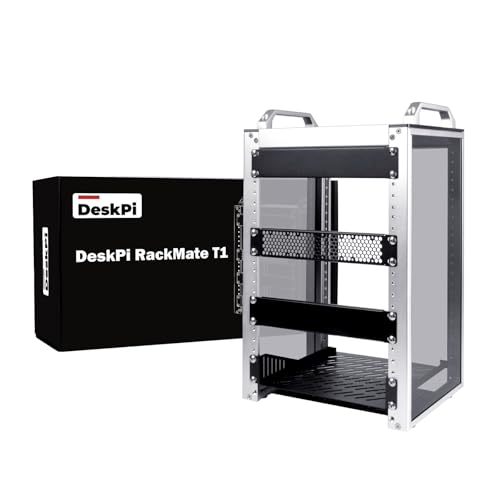
GeeekPi 8U 10-Inch Mini Network Rack for DeskPi RackMate T1
What Each Pick Brings To The Table
A shallow 10-inch shelf solves a specific problem: giving compact rack equipment a proper place to sit without building a full cabinet around it. This cantilever tray measures 7.87 inches deep and fits standard 10-inch server racks, cabinets, and the DeskPi RackMate T1 and T0 models.
Its multiple mounting holes create more open space around equipment than a solid shelf, which supports airflow in a home lab or crowded media cabinet. In my view, it is most useful for adding one lightweight server or network device to an existing 10-inch system, rather than serving as a complete rack system by itself.
Everyday Wins
- The vented multihole surface promotes airflow around servers and electronic equipment.
- Support for several 10-inch rack formats makes it practical for mixed home-lab equipment.
- The 7.87-inch depth suits compact spaces where a deeper tray would waste room.
- Its cantilever design creates a straightforward mounting surface without a full enclosure.
Practical Considerations
- Check the equipment depth against the 7.87-inch tray before ordering.
- Compatibility with the intended DeskPi model matters because each enclosure has its own mounting layout.
Quick Facts
The Right Fit
Home-lab enthusiasts adding one shallow device to a compatible 10-inch rack will find this shelf especially practical.
Consider Something Else When
GeeekPi 8U 10-Inch Mini Network Rack for DeskPi RackMate T1 suits those who need an entire open enclosure instead of a single tray.
A growing equipment collection eventually needs more than an open frame, and this 42U cabinet provides the physical organization that a busy office or home server room requires. Its steel enclosure, removable panels, and locking front door help separate mounted equipment from dust, accidental contact, and unrestricted access.
Cooling is handled by a temperature-control system with four fans, while perforated sections support airflow through the enclosure. The 24-inch outside depth and included power distribution unit, shelf, legs, and installation hardware make it a more complete foundation than the compact GeeekPi shelf.
What Earns Its Place
- Four powered cooling fans support equipment operating inside an enclosed cabinet.
- Brush-style cable entries help route wiring without leaving it loosely gathered.
- Removable front and rear panels improve access during installation and maintenance.
- The steel structure supports equipment loads up to 1,600 pounds.
Where It May Fall Short
- The 42U floor-standing format needs considerably more room than a desktop tray.
- Mounted equipment must fit within the cabinet’s 24-inch depth allowance.
- Moving the steel enclosure and filling it with equipment is a larger setup than a compact rack project.
Feature Snapshot
Built With In Mind
Small IT teams and serious home labs with several networked devices will get the most value from this full enclosure.
A Better Fit Elsewhere
PCSP DL360 Gen10 40 Core SFF Server, 512GB DDR4 better serves projects that need a specific 1U server rather than an empty cabinet.
Eight populated drive bays make this DL380 configuration more useful for local file storage than a chassis that arrives with empty trays. It combines a 2U small-form-factor design with two 20-core Intel Xeon Gold 6148 processors, 40 cores in total, and 256GB of DDR4 memory.
The eight 1.2TB SAS hard drives use Serial Attached Storage, a connection standard for server disks. A P408i-a RAID controller manages storage arrangements, while two 10Gb SFP and four 1GbE ports support faster and standard Ethernet connections. For a home office needing substantial local capacity, that balance is compelling.
A Strong Showing
- Eight included 1.2TB SAS drives provide a ready-made foundation for local storage.
- Two processors provide 40 total cores for threaded applications and consolidation tasks.
- Dual 10Gb SFP ports use replaceable network modules for flexible fiber or copper connections.
- 256GB of memory gives the server a useful balance for operating systems and resident services.
Points To Keep In Mind
- This is renewed equipment, so the condition and included accessories deserve a careful listing review.
- The protection plan must accompany the server or be added within 30 days, and pre-existing conditions are excluded.
Who Will Love This
Home offices and small IT teams needing a populated two-slot server for file, backup, or application services will appreciate the included storage.
Another Choice May Suit
PCSP DL360 Gen10 40 Core SFF Server, 512GB DDR4 fits projects where rack density and more memory matter more than included hard drives.
A single rack slot changes the amount of equipment that can fit in a crowded cabinet, and this DL360 concentrates 40 processor cores and 512GB of memory into 1U. That makes it a sensible platform for virtualization, container hosting, or consolidating services that would occupy several less capable machines.
Networking is handled by dual 10Gb SFP ports and four onboard 1Gb RJ-45 connections. The server includes eight 2.5-inch drive caddies, but no hard drives, so storage requires separate planning. Rails are also absent, adding one more compatibility check before installation.
The Value In It
- The 1U chassis preserves rack space for switches, storage, and additional servers.
- 512GB of memory supports more concurrent services and virtual environments than a smaller memory configuration.
- Dual 10Gb networking and four 1Gb Ethernet ports provide a useful mix of connection speeds.
Small Caveats
- Eight drive caddies are included, but the server needs compatible 2.5-inch drives.
- Rack rails are not included and must be matched to the enclosure.
Technical Highlights
Made For
Technical professionals running compute-heavy services in rack-constrained offices or home labs will appreciate the dense 1U design.
Look Elsewhere When
PCSP DL380 G10 8B SFF 2U Server, 256GB DDR4, 40 Cores, P408i-a RAID, 10Gb SFP better suits setups that need eight populated hard-drive bays.
The 768GB memory configuration gives this DL380 more room for workloads that depend heavily on data remaining available in memory. Compared with the 256GB version, the processor, networking, drive arrangement, and 2U chassis remain the same, while the larger memory allocation is the meaningful distinction.
Two Xeon Gold 6148 processors provide 40 total cores, and the P408i-a RAID controller accompanies eight 1.2TB SAS 10K drives in 2.5-inch bays. Two 10Gb SFP connections and four 1GbE ports round out a balanced configuration for databases, virtualized services, and local storage.
Positive Points
- The additional memory supports larger working sets and more memory-hungry services.
- Eight populated 1.2TB drives make the server useful for storage-heavy roles.
- Forty processor cores complement the larger memory for substantial parallel workloads.
- High-speed SFP networking and standard 1GbE ports support mixed network roles.
Things To Weigh
- The renewed condition and accompanying accessories should be checked closely before deployment.
- The protection plan must be purchased with the server or within 30 days.
- Its 2U height requires more rack space than the DL360 alternative.
Best Suited To
Small data centers and advanced home labs running memory-intensive applications alongside local storage will find this configuration especially relevant.
Reach For A Different Pick When
PCSP DL380 G10 8B SFF 2U Server, 256GB DDR4, 40 Cores, P408i-a RAID, 10Gb SFP is the more restrained choice for lighter memory demand.
An open 8U frame gives a small cluster or home automation system a recognizable rack structure without occupying a full-sized equipment room. The GeeekPi enclosure uses an aluminum-alloy and acrylic frame, with a 10-inch width and 7.87-inch depth designed around the DeskPi RackMate T1 format.
Because the frame is open, mounted equipment remains easy to see and access. That arrangement works nicely for frequent tinkering, although the physical protection offered by the Sysracks 42U cabinet is much greater.
A Few Highlights
- Eight rack units provide a compact structure for a cluster or small home-lab collection.
- The open frame makes components and connections easy to inspect and service.
- Its 10-inch format suits DeskPi RackMate T1 compatible equipment and compact workspaces.
Where It Is Less Suited
- The open construction offers less physical protection than a closed steel cabinet.
- Equipment must fit the 10-inch width and 7.87-inch depth of the frame.
The Key Facts
Who Should Grab It
Home-lab hobbyists and home automation enthusiasts wanting an accessible, visually compact rack will find this format easy to work with.
Where A Sibling Pick Shines
Sysracks 42U Floor-Standing 24-Inch Network Cabinet SRF 42.6.6M is the stronger fit for an office that needs locking panels, cable control, and active cooling.
Matching Server Hardware To The Rack
Rack Fit Comes First
Rack compatibility begins with width, depth, and rack-unit height. A 10-inch shelf or open frame suits compact home-lab equipment, while a standard 24-inch-deep cabinet accepts a broader range of network and server hardware. I recommend measuring the mounted device and available cable space before selecting either format.
Compute And Memory Matter
Processor core count influences parallel workloads, while memory determines how much data can remain readily available to applications. The 1U DL360 prioritizes rack density and includes 512GB of memory, whereas the 2U DL380 configurations provide more expansion room and include eight populated drive bays.
Networking Cooling And Storage
SFP ports accept replaceable modules for high-speed network links, while RJ-45 ports support conventional Ethernet. RAID controllers organize storage for availability or performance, and active cooling becomes more important inside a closed cabinet. An open rack can be convenient for experimentation, but a populated enclosure needs deliberate airflow and cable routing.
Avoid Common Server Setup Errors
Where Shoppers Go Wrong
The most common mistake is choosing a server before confirming rack depth, mounting hardware, and drive format. Another error is assuming empty caddies include storage. Measure the enclosure, check the server’s listed accessories, and match every connector before ordering.
What The Higher Tier Buys
Spending more can add memory, included storage, enclosure protection, or cooling capacity. That matters most when the workload demands more capacity than a compact or basic system can provide. For a simple device, the added capability may remain unused.
Frequently Asked Questions
Do I need a rack for a home server?
A rack becomes useful once several devices need standardized mounting and organized cabling. A single compact system may fit on a shelf, provided airflow, weight, and cable access remain manageable.
What does 1U versus 2U mean?
The U designation measures vertical rack space, with 1U systems taking one rack unit and 2U systems taking two. The 1U DL360 favors density, while the 2U DL380 offers more internal expansion room.
Is renewed server hardware suitable for regular use?
Renewed server hardware can suit organizations comfortable reviewing its condition, included accessories, and protection terms. The listed protection plan starts after the manufacturer’s coverage and excludes conditions present before enrollment.
What does SFP networking mean?
SFP ports accept removable network modules, allowing the connection type to match the available fiber or copper infrastructure. The listed 10Gb SFP ports support high-speed links, while the RJ-45 ports handle standard Ethernet connections.
Should I buy a shelf or a complete cabinet?
A shelf is enough for one shallow device in an existing compatible 10-inch rack. A cabinet makes more sense for multiple devices, cable management, active cooling, and controlled physical access.
Closing Remarks
The right server hardware depends on the enclosure and workload together. Compact labs may start with a shelf or open mini rack, while storage-heavy offices benefit from populated 2U systems, and dense installations favor the 1U DL360. Checking dimensions, included components, networking, and cooling before ordering keeps the project focused and prevents a costly mismatch.
