
Choosing a processor for music production means balancing track counts, virtual instruments, effects, storage, and the rest of your computer build. You need enough processing headroom for dense sessions, but an expensive workstation can be wasteful for basic recording and mixing. This shortlist covers standalone CPUs and a complete Dell workstation, so you can match the hardware to your setup, software habits, and upgrade plans. Whether you record vocals at home, produce electronic music with large sample libraries, or run a professional studio, the right fit starts with cores, platform compatibility, cooling, and memory support.
The Studio CPU Shortlist

AMD Ryzen 9 7900 Processor

AMD Ryzen 9 5900XT Desktop Processor
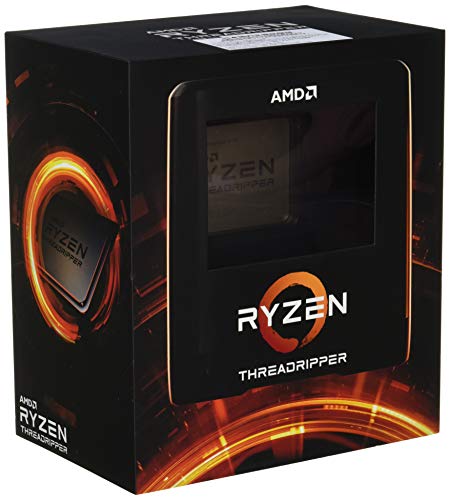
AMD Ryzen Threadripper 3970X Processor

Dell Precision 3620 Music Production Workstation PC 32GB 512GB SSD

AMD Ryzen Threadripper 7960X 24-Core Processor

AMD Ryzen Threadripper 7970X 32-Core Processor
More Details On Our Top Picks
For a home studio running a digital audio workstation, 12 cores and 24 threads give you room for layered instruments, software effects, and multiple audio tracks. A thread is a stream of work handled by the processor, so the higher count can help during busy sessions, though your software still determines how effectively it uses that capacity.
The Zen 4 design, 5.4 GHz maximum boost, 76 MB cache, and DDR5 support make this a modern foundation compared with the older AM4-based Ryzen 9 5900XT. You may find the AM5 platform requires a new motherboard and memory, but that cost also gives a clearer upgrade path for a fresh build.
Strong Points
- 12 cores and 24 threads suit dense mixing sessions and large virtual instrument projects.
- DDR5 compatibility supports a current-generation platform for new studio builds.
- The unlocked design allows experienced system builders to adjust performance settings.
- Large cache capacity can help keep frequently accessed instructions and data close to the processor.
Things To Consider
- AM5 motherboard and DDR5 memory requirements can complicate an upgrade from an older desktop.
- Manual tuning requires compatible cooling and careful setup, so beginners may prefer stock settings.
Key Specs
Who It Suits Best
Home producers and advanced beginners building a new, flexible desktop for recording, arranging, and mixing.
Consider Something Else When
Choose the AMD Ryzen 9 5900XT for an existing AM4 system owner who wants more processing capacity without changing to the newer platform.
Sixteen cores and 32 threads give the Ryzen 9 5900XT a strong case for large projects, especially for musicians already using an AM4 motherboard. DDR4-3200 support keeps the memory choice familiar, and the 4.8 GHz maximum boost remains suitable for editing, arrangement, and plug-in-heavy mixing.
Compared with the Ryzen 9 7900, this processor belongs to an older platform and offers less cache, but that difference matters less for an existing AM4 desktop. The honest trade-off is simple: you gain a substantial thread count without rebuilding around AM5, while a cooler must be selected separately.
What We Like
- 16 cores and 32 threads give demanding sessions useful parallel processing capacity.
- AM4 compatibility helps extend the life of an established desktop.
- DDR4-3200 memory support can simplify a platform-conscious upgrade.
Trade Offs
- A separate cooling solution needs to be included in the build plan.
- The older socket limits future platform expansion compared with the Ryzen 9 7900.
- Owners of older cases should check airflow and cooler clearance before installation.
Feature Snapshot
Made For
AM4 desktop owners who need more room for virtual instruments and effects while keeping the existing motherboard and DDR4 memory.
Look Elsewhere When
Select the AMD Ryzen 9 7900 for a new build where DDR5 and the AM5 platform matter more than retaining older components.
Large orchestral templates, simultaneous video work, and extensive plug-in chains are the kind of workloads that make 32 cores and 64 threads useful. The Threadripper 3970X also carries 144 MB of cache and reaches a 4.5 GHz maximum boost, giving your workstation both broad parallel capacity and respectable burst speed.
Compared with the Ryzen 9 models above, this chip demands a more specialized platform and cooling plan. You may find its capacity unnecessary for a vocal-and-guitar setup, yet a composer working with huge sample libraries can benefit from having more processing lanes available during long sessions.
Highlights
- 32 cores and 64 threads suit exceptionally busy production environments.
- Quad-channel DDR4 support gives the system broader memory throughput than standard desktop designs.
- Automatic overclocking features can help experienced builders tune the processor.
- Its high core count leaves room for running audio, video, and rendering tasks together.
- The large cache is well matched to complex creative workloads.
Room For Improvement
- The 280W thermal design calls for serious cooling and a case with strong airflow.
- A cooler isn’t included, adding installation planning and hardware selection.
- Threadripper platform parts can be less convenient to source than mainstream desktop components.
Technical Sheet
Right Fit For
Professional composers, sound designers, and multi-purpose studio operators running unusually large projects.
Not Your Match When
Choose the Dell Precision 3620 workstation for a beginner who wants a complete Windows desktop rather than a specialist CPU build.
Starting with a complete desktop can be easier than matching a processor, motherboard, memory kit, case, and cooler. The Dell Precision 3620 pairs an Intel i7-6700 with 32GB of DDR4, a 512GB solid-state drive for the operating system, and a 2TB hard disk for projects and sample storage.
That layout suits a beginner recording at home or a small studio that needs a functioning Windows 11 Pro machine without a custom build. Compared with the Ryzen 9 7900, the older four-core processor offers less headroom for huge sessions, and the renewed condition means you should inspect the listing details and included hardware carefully.
Upsides
- The included desktop reduces the installation work associated with standalone CPUs.
- 32GB of memory provides a comfortable starting point for recording and moderate mixing.
- Two storage types separate quick system access from larger project storage.
- HDMI, USB 3.0, and DisplayPort connectivity support common studio peripherals and monitors.
Points To Note
- The four-core i7-6700 has less multicore capacity than every AMD processor in this shortlist.
- Renewed desktops can differ in cosmetic condition and included accessories, so review the listing carefully.
- Hard-disk storage is slower and more vulnerable to noise than a solid-state drive, making project organization worthwhile.
At A Glance
Best Suited To
Beginners and home musicians who prefer a ready-made Windows workstation for recording, editing, and lighter mixing.
A Better Fit Elsewhere
Reach for the AMD Ryzen 9 7900 when your new custom build needs substantially more multicore headroom for virtual instruments.
The Threadripper 7960X targets a professional workstation rather than a basic recording computer. Its 24 cores, 48 threads, 5.3 GHz maximum boost, and 152 MB cache can suit producers who combine large audio sessions with video editing, sample management, or other heavy creative work.
Quad-channel DDR5 RDIMM support and 80 usable PCIe lanes expand the platform beyond the Ryzen 9 7900, especially for high-bandwidth storage and studio expansion. One thing worth considering is the 350W thermal design, which makes cooling, case airflow, and motherboard selection central parts of the installation.
Bright Spots
- 24 cores and 48 threads offer broad capacity for professional multitasking.
- DDR5 RDIMM support and quad-channel bandwidth suit memory-intensive workstations.
- 80 usable PCIe lanes leave room for fast storage and expansion hardware.
- The 5.3 GHz maximum boost supports responsive editing alongside large parallel workloads.
Minor Gripes
- The 350W thermal design demands a serious cooling and airflow plan.
- A cooler isn’t included, so installation involves more component matching.
Core Details
Who Will Love This
Advanced producers and studio engineers who run large sessions alongside video, rendering, or other workstation tasks.
Swap It Out When
Select the AMD Ryzen 9 7900 for a quieter, less elaborate home-studio build with more ordinary expansion needs.
For the heaviest audio workloads in this group, the Threadripper 7970X brings 32 cores and 64 threads to a modern workstation platform. The 5.3 GHz maximum boost and 160 MB cache support both broad production workloads and quick bursts during editing, while quad-channel DDR5 RDIMM support accommodates up to 1TB of memory.
Compared with the Threadripper 7960X, the extra eight cores and larger cache make sense for studios that keep several demanding applications open. You may find the difference difficult to justify for ordinary mixing, and the 350W thermal design means this processor belongs in a carefully assembled workstation rather than a casual desktop upgrade.
Reasons To Buy
- 32 cores and 64 threads provide extensive capacity for complex studio workloads.
- 160 MB cache supports large active projects and heavy multitasking.
- Up to 1TB of quad-channel DDR5 RDIMM memory suits specialized professional systems.
- 80 usable PCIe lanes allow broad storage and expansion planning.
- The unlocked design gives experienced builders additional tuning control.
Honest Caveats
- The 350W thermal design requires substantial cooling hardware and a well-ventilated case.
- No cooler is included, increasing the work involved in choosing compatible parts.
- Most standard home sessions won’t use the full core count, making the platform excessive for lighter projects.
Quick Facts
Whose Shelf It Belongs On
Professional producers and sound designers managing huge templates, simultaneous creative applications, and long-term workstation workloads.
Where A Sibling Pick Shines
Choose the AMD Ryzen Threadripper 7960X for a professional studio that needs similar workstation features but doesn’t require the highest available core count here.
How To Choose The Right Cpus For Music Production
Core Counts And Audio Workloads
Cores are individual processing units, while threads are work streams that help software handle multiple tasks. A higher count helps with large effect chains, software instruments, and multitasking, but many audio tasks still depend heavily on single-core speed. Home vocal recording rarely needs Threadripper-class hardware, while orchestral templates can justify it.
Platform Compatibility Matters
A standalone CPU must match the motherboard socket and memory type. The Ryzen 9 5900XT uses the AM4 platform and DDR4-3200, while the Ryzen 9 7900 moves to AM5 and DDR5. Threadripper options require a specialist motherboard, memory, cooling system, and case, so the processor is only part of the workstation decision.
Cache, Boost, And Responsiveness
Cache is fast memory located close to the processing cores, helping active instructions and data stay readily available. Maximum boost frequency describes short-term peak speed under suitable conditions, not an always-on operating speed. For editing automation, opening plug-in windows, and handling lighter single-threaded tasks, boost behavior can feel more relevant than raw core count.
Cooling And Expansion
Audio work often means long sessions, so cooling affects sustained operation, noise, and maintenance. Threadripper models have high thermal design figures and don’t include a cooler, making airflow and cooler compatibility essential. PCIe lanes connect expansion hardware such as storage and interface cards, with the Threadripper choices offering far more bandwidth than a typical desktop platform.
Before You Choose Your Studio Hardware
Mistakes Worth Dodging
A common mistake is selecting a CPU before checking the motherboard socket, memory generation, cooler mounting, and case airflow. A Ryzen 9 5900XT makes sense inside an AM4 system, but it doesn’t belong in an AM5 motherboard. The Dell Precision 3620 avoids much of that assembly work, though a renewed desktop still deserves a careful check of included accessories and condition.
Another mistake is paying for far more multicore capacity than your DAW sessions can use. Count tracks, virtual instruments, and plug-in chains from your actual workflow instead of treating core count as the only measure of suitability.
Where The Extra Money Goes
Higher-tier Threadripper processors cost more because they combine many cores with wider memory bandwidth, huge cache pools, and extensive PCIe connectivity. Those attributes matter during large sample-library sessions, rendering, video work, and simultaneous applications.
The upgrade makes sense for a professional studio with heavy projects and a workstation budget. A home producer recording a few instruments may get a smoother ownership experience from the Ryzen 9 7900 and a simpler platform.
Closing Remarks
Your best choice depends on the complete system, not the processor name alone. The Dell Precision 3620 gives beginners a ready-made starting point, while the Ryzen 9 5900XT suits AM4 upgrades and the Ryzen 9 7900 fits a newer desktop build. Threadripper models reserve their value for large sessions, broad expansion, and professional multitasking. Match the core count to your projects, then confirm cooling, memory, motherboard, and storage before committing to a build that fits your studio.
