
A photo-editing desktop should make large files, detailed previews, and long creative sessions easier to manage. I compare six HP systems for photographers, designers, and hobbyists, focusing on processor choice, memory, graphics, display size, and storage. The right setup depends on whether the priority is a large built-in screen, a compact workstation, or enough space for a growing library of RAW files.
The Picks In Brief
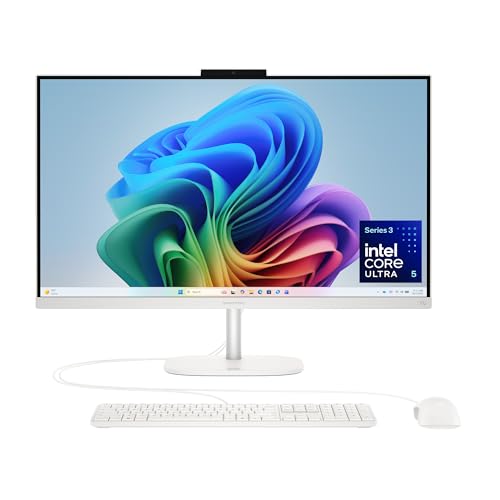
HP OmniStudio 27-inch All-in-One Desktop Core Ultra 5 FHD Jet Black 27-cy0002

HP OmniStudio 27-inch All-in-One Desktop Ryzen 5 220 FHD 27-cv0002

HP OmniDesk Slim Desktop PC Core i5-14400 Meteor Silver S03-0012

HP OmniStudio 27-inch All-in-One Desktop Ryzen AI 7 445 FHD Jet Black 27-cw0102

HP OmniStudio 23.8-inch All-in-One Desktop Ryzen 5 40 24-cv0002
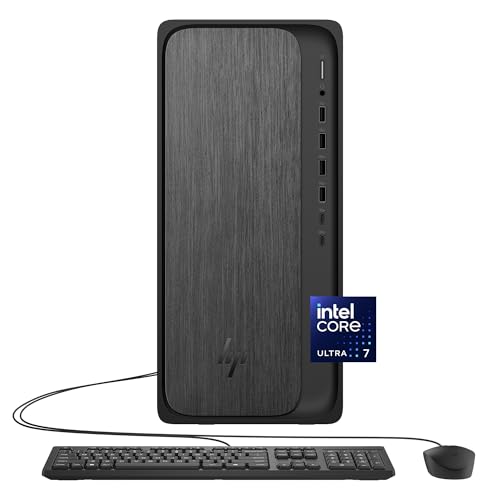
HP OmniDesk Desktop AI PC Core Ultra 7 265 1TB SSD M03-0102
Meet The Standout Selections
A large built-in display makes this HP OmniStudio appealing to a photographer who wants one screen for image review and another for tools. The 27-inch FHD panel provides more room than a compact all-in-one, while the adjustable stand supports different viewing positions during a long editing session.
Compared with the smaller HP OmniStudio 23.8-inch model, this system offers more screen area and doubles the listed memory. Its Intel Core Ultra 5 325, Intel Graphics, and 16 GB of RAM form a practical editing foundation, although the shared graphics hardware matters for specialized GPU-heavy workflows.
What It Does Well
- The 27-inch display reduces the need for a separate monitor.
- 16 GB of RAM handles multitasking around photo applications.
- A 512 GB NVMe SSD supports quick local file access.
Points To Note
- Intel Graphics may be less suitable for demanding 3D or GPU-accelerated tasks.
- A 512 GB drive can become restrictive with a large RAW-file library.
At A Glance
Who It Suits Best
This model suits a photographer or designer who values a large, adjustable all-in-one display and 16 GB of memory for regular editing.
Where Another Pick Suits Better
The HP OmniDesk Slim Desktop PC Core i5-14400 Meteor Silver S03-0012 better suits a compact desk setup that already has a separate monitor.
The Ryzen 5 220 version brings AMD processing and Radeon 740M graphics to a roomy 27-inch all-in-one. That combination feels sensible for a home studio where image organization, cropping, adjustments, and application use need to coexist without a separate tower and monitor.
It shares the larger display and 16 GB memory of the Intel-equipped HP OmniStudio 27-inch, but the component mix differs. For photographers comparing processor families, AMD support in the editing software matters more than the model name alone, so I would check the application requirements first.
Benefits That Matter
- The large FHD display gives edit panels room to breathe.
- 16 GB of RAM supports a practical multitasking load.
- Radeon 740M graphics suit regular creative tasks.
- The 512 GB SSD keeps project files close at hand.
Practical Considerations
- Local storage may need expansion for extensive RAW libraries.
- The FHD panel offers less workspace than a higher-resolution display.
- An all-in-one leaves fewer internal upgrade paths than a tower.
Made For
This system fits an everyday photo workflow centered on a large display, conventional edits, and a tidy single-unit desk arrangement.
Another Choice May Suit
The HP OmniStudio 27-inch All-in-One Desktop Ryzen AI 7 445 FHD Jet Black 27-cw0102 better suits a creator who prefers the higher-tier Radeon 840M configuration.
A slim tower gives a photographer freedom to pair the computer with a suitable display rather than accepting the screen bundled into an all-in-one. The Intel Core i5-14400 is a familiar six-core-class processor, and the compact enclosure can help keep a modest workspace uncluttered.
This is the lighter-memory option in the group, with 8 GB of RAM rather than the 16 GB listed for the larger HP models. For basic edits, exports, and learning software, that can be workable, while large RAW batches and many open applications make memory capacity the central fit check.
What Works In Its Favor
- The slim enclosure suits a space-conscious desk.
- The Core i5-14400 supports general creative work.
Some Limits To Know
- 8 GB of RAM offers less headroom for heavy multitasking.
- A separate display and suitable connections must be considered.
- The 512 GB SSD shares storage with every installed application.
Right Fit For
This desktop suits a beginner or hobbyist with a compact workspace, an existing monitor, and a moderate collection of active image files.
Consider Something Else When
The HP OmniStudio 23.8-inch All-in-One Desktop Ryzen 5 40 24-cv0002 better suits a creator who wants a complete photo-editing setup without arranging a separate display.
The Ryzen AI 7 445 model places higher-tier AMD components inside the same roomy 27-inch all-in-one format. Its Radeon 840M graphics are the notable difference from the Radeon 740M configuration in the Ryzen 5 220 model, giving an AMD-focused photographer a more advanced component option.
For intensive editing, 16 GB of RAM gives tools more breathing room than an 8 GB compact desktop. The FHD display remains the fixed part of the visual workspace, so a professional accustomed to fine color decisions would still need to evaluate its suitability for the specific editing environment.
The Value In It
- Radeon 840M graphics provide the higher AMD option here.
- The 27-inch FHD screen serves as the editing display.
- 16 GB of RAM supports heavier multitasking.
- The NVMe SSD keeps active projects nearby.
Worth Noting
- Its 512 GB capacity may be modest for a large archive.
- Shared system memory can limit upgrades compared with a tower.
Feature Snapshot
Best Suited To
This model suits an AMD-oriented creator who values a large all-in-one display, 16 GB of memory, and Radeon 840M graphics.
A Better Fit Elsewhere
The HP OmniDesk Desktop AI PC Core Ultra 7 265 1TB SSD M03-0102 better suits a photographer whose storage needs outweigh the appeal of a built-in screen.
A 23.8-inch all-in-one offers a useful middle ground between a laptop screen and the roomier 27-inch OmniStudio models. It should fit a compact office more comfortably, while the Ryzen 5 40, AMD Radeon graphics, and 512 GB SSD cover the basics of organizing, retouching, and exporting photographs.
The main difference from the 27-inch models is physical scale, but the listed 8 GB of memory also matters. This setup looks most natural for a focused creator with a moderate library, a smaller desk, and a need for a neat computer-and-display arrangement without several separate boxes.
What Pays Off
- The compact display helps conserve desk space.
- The all-in-one format reduces separate components.
- A 512 GB SSD supports active project storage.
Small Caveats
- 8 GB of RAM offers limited multitasking headroom.
- The smaller panel has less space than the 27-inch models.
Who Will Love This
This system suits a home photographer or student working with occasional edits in a compact room and a manageable collection of image files.
Where A Sibling Pick Shines
The HP OmniStudio 27-inch All-in-One Desktop Core Ultra 5 FHD Jet Black 27-cy0002 shines for a creator who prioritizes screen area and 16 GB of memory over a smaller footprint.
Storage becomes the deciding factor for a photographer who keeps large camera files, exported images, and several editing projects on one machine. This HP OmniDesk pairs the 1 TB SSD with 16 GB of RAM and an Intel Core Ultra 7 265 processor, giving it more local capacity than every 512 GB option in the group.
Unlike the OmniStudio models, it requires a separate display and leaves the screen choice open. That flexibility can be useful for a professional workstation, although the listed Intel Graphics configuration still needs comparison with the Radeon options for graphics-intensive editing work.
Where It Helps
- The 1 TB SSD accommodates a larger local project library.
- 16 GB of RAM supports regular multitasking.
- The Core Ultra 7 265 targets demanding general workloads.
- A separate display allows a custom monitor setup.
Trade Offs
- The tower does not include an editing display.
- Intel Graphics may be less compelling for GPU-heavy editing.
Quick Facts
Built With In Mind
This desktop suits an asset-heavy photographer who already has or plans to add a monitor and needs more local storage than the compact options provide.
Look Elsewhere When
The HP OmniStudio 27-inch All-in-One Desktop Ryzen AI 7 445 FHD Jet Black 27-cw0102 better suits a creator who prefers Radeon 840M graphics and a complete built-in display.
What Matters Before Buying a Photo-Editing Desktop
Processor and graphics
The processor, or CPU, controls how quickly software handles general computing tasks. For photo editing, it manages the application itself, imports, exports, filters, and background work. The Core i5-14400, Core Ultra 5 325, Core Ultra 7 265, Ryzen 5 220, Ryzen 5 40, and Ryzen AI 7 445 cover different levels of capability, but application requirements and sustained workloads deserve attention.
Graphics hardware matters even more for GPU-accelerated masks, filters, and certain preview functions. I would compare Radeon 740M, Radeon 840M, Intel UHD Graphics 730, and the listed Intel Graphics configurations against the specific editing software and planned effects.
Memory and working files
RAM is temporary working memory, and 16 GB provides more room for applications, catalog databases, and open images than 8 GB. A fast solid-state drive, or SSD, stores applications and project files, while the 1 TB option reduces the pressure to move an expanding asset library elsewhere.
Display and workspace
A 23.8-inch panel favors compact desks, while 27-inch models provide more room for tools and previews. FHD resolution is easy to understand, but fine color-critical work may benefit from a separate higher-resolution or professionally calibrated display. I would also check desk depth, viewing distance, and available connections.
Avoiding Common Desktop-Buying Traps
Mistake Worth Dodging
Choosing by processor tier while ignoring memory can leave a capable chip paired with a memory bottleneck. A large drive also does not compensate for a cramped screen, and a slim tower does not solve the need for a monitor. I would match each component to the editing workload rather than treating the model name as the complete decision.
Where The Extra Storage Goes
The 1 TB model uses twice the storage of the 512 GB systems, which matters for RAW files, exports, and layered editing projects. A higher-tier processor may also shorten demanding operations, but the practical gain depends on the software and effects. More storage is most valuable for photographers; a larger display serves designers who need constant visual comparison.
Frequently Asked Questions
Is 16 GB of RAM enough for photo editing?
It suits many standard editing workflows, especially with 16 GB. Large RAW batches, layered files, and several demanding applications benefit from more memory.
Does a photo-editing desktop need a discrete graphics card?
Some effects and GPU-accelerated tools perform best with stronger graphics hardware. Integrated or shared graphics can handle conventional edits, but the editing software requirements should guide the choice.
Is an all-in-one desktop better than a separate monitor?
An all-in-one provides a tidy setup with a built-in display. A separate tower and monitor offer more choice in screen size, resolution, and positioning.
Is a 512 GB SSD enough for photographs?
It can work for active projects and a moderate library. A large archive of RAW files, exports, and video will benefit from more capacity or separate storage.
Does a faster processor improve image exports?
It can help with computational work such as imports, filters, and exports. Actual results depend on the application, file format, and other open tasks.
Closing Remarks
I favor the HP OmniStudio 27-inch Core Ultra 5 for a large, adjustable all-in-one workspace, while the slim OmniDesk model serves compact desk arrangements. The Ryzen AI 7 445 configuration brings stronger AMD graphics, and the 1 TB OmniDesk stands out for storage-heavy photography workflows. The most useful choice comes down to screen space, memory, and the size of the active image library.
