
Building or upgrading a desktop means confronting a fork in the road: do you chase raw multi-core throughput for heavy creative work, or prioritize snappy single-core speed for high-refresh gaming? The silicon sitting at the center of your motherboard dictates everything from frame rates to render times. Shoppers face a dense field of architectures, socket requirements, and thermal envelopes. Narrowing six standouts from Intel and AMD helps cut through the noise. Each pick here targets a distinct workload, so matching the chip to the task matters more than grabbing the highest model number.
The Shortlist At A Glance

Intel Core Ultra 9 Processor 285K 24 cores up to 5.7 GHz

AMD Ryzen 9 5900XT 16-Core Unlocked Desktop Processor

Intel Core Ultra 7 Processor 270K Plus 24 cores up to 5.5 GHz

AMD Ryzen 5 5500 6-Core Desktop Processor with Wraith Stealth Cooler
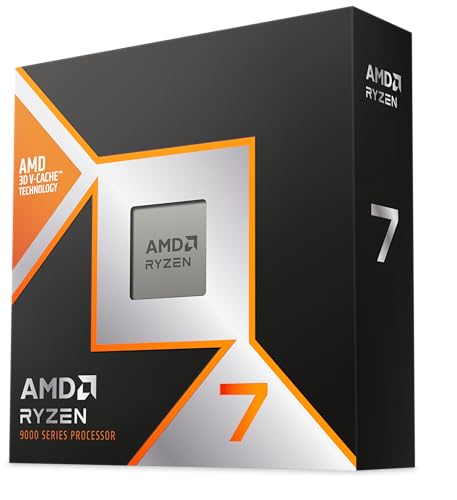
AMD Ryzen 7 9800X3D 8-Core Desktop Processor

AMD Ryzen 5 9600X 6-Core Unlocked Desktop Processor
More Details On Our Top Picks
Intel’s hybrid architecture splits work across eight performance cores and sixteen efficiency cores, a design that scales from background rendering to burst-heavy gaming. Those P-cores handle the heavy single-threaded lifting, while the E-cores absorb background tasks like streaming or Discord. With a max turbo of 5.7 GHz, the 285K pushes frames and compile times aggressively. For a creative professional juggling 4K video edits with live streaming, the core count spread means your encode will not tank your chat window.
This chip demands the newest Intel 800 Series chipset motherboards, so a simple drop-in upgrade from older LGA platforms is off the table. DDR5 memory support and PCIe 5.0 lanes future-proof the build for next-generation GPUs and NVMe storage. The 125W base power rating means a robust cooling solution and a capable power supply belong on your shopping list alongside it.
Strong Points
- Twenty-four total cores distribute heavy multitasking without stalling foreground apps
- PCIe 5.0 support opens bandwidth for the fastest current-generation graphics cards and SSDs
- DDR5 compatibility unlocks higher memory bandwidth for data-heavy creative workflows
- Unlocked multiplier allows overclocking headroom for experienced tinkerers
- 5.7 GHz boost clock delivers snappy single-thread response for older game engines
Trade Offs
- Requires a fresh Intel 800 Series motherboard, adding to the total build cost
- 125W base power draws demand a substantial cooler and a reliable PSU
- No included cooler in the box, a practical ownership cost to factor in
Quick Facts
Who It Suits Best
Enthusiast creators and gamers building a no-compromise system from the ground up will get the most from this silicon.
Where A Sibling Pick Shines
Shoppers wanting strong multi-core output without buying a new motherboard should consider the AMD Ryzen 9 5900XT instead.
Unlike the Intel Core Ultra 9 285K demanding a brand-new platform, this sixteen-core Zen 3 chip drops into existing AMD AM4 motherboards. That socket compatibility saves you the cost of a new board and DDR5 memory kit. With thirty-two processing threads and a 4.8 GHz max boost, it chews through rendering pipelines and heavy compile jobs. Content creators already sitting on an AM4 system get a meaningful workstation upgrade without a full teardown.
The trade-off is age. Zen 3 predates the newer Zen 5 architecture found in the Ryzen 7 9800X3D, so single-core speeds lag behind the current generation. You will need to supply your own thermal solution since no cooler ships in the package. Still, for anyone rendering video or running virtual machines on a budget, the raw thread count carries significant weight.
Reasons To Buy
- Sixteen cores and thirty-two threads handle parallel rendering workloads efficiently
- AM4 socket compatibility saves the cost of a new motherboard and RAM
- 72 MB of combined cache keeps data close to the cores for faster access
- Unlocked multiplier permits overclocking for extra performance headroom
Points To Note
- No included cooler requires sourcing a separate thermal solution
- DDR4 memory support caps bandwidth compared to newer DDR5 platforms
- Zen 3 architecture trails newer single-core speeds for high-refresh gaming
Made For
AM4 platform owners seeking a productivity upgrade without rebuilding their entire system fit this chip perfectly.
Look Elsewhere When
Competitive gamers chasing maximum frame rates will prefer the AMD Ryzen 7 9800X3D and its 3D V-Cache technology.
Sitting one tier below the Core Ultra 9 285K, this model shares the same eight P-core plus sixteen E-core hybrid layout but lowers the boost ceiling to 5.5 GHz. The identical core count means multitasking muscle remains intact for streamers and content creators. DDR5 and PCIe 5.0 support carry over, preserving platform parity with the higher-end chip. For mixed workloads combining gaming with moderate video editing, the clock speed reduction translates to a minor real-world difference.
You still need an Intel 800 Series chipset motherboard, so the platform investment matches the more expensive sibling. The 125W base power keeps thermal demands identical, requiring the same cooler caliber. Owners commonly report that the hybrid scheduler in Windows allocates background tasks smoothly to the E-cores. The honest read is that the lower clock speed costs you a few frames in CPU-bound titles.
Upsides
- Same 24-core hybrid design as the Ultra 9 for heavy parallel workloads
- Full PCIe 5.0 and DDR5 support matches the flagship platform features
- 5.5 GHz boost clock delivers strong single-threaded responsiveness
- Unlocked for manual overclocking to recover some clock headroom
Minor Gripes
- Intel 800 Series chipset requirement adds motherboard expense to the build
- 125W base power necessitates a robust cooling solution
- No included cooler in the box
- Lower boost clock than the Ultra 9 costs some single-threaded speed
Right Fit For
Hybrid users splitting time between high-refresh gaming and content creation will appreciate the balanced core distribution.
Consider Something Else When
Pure gamers wanting maximum frame rates should skip the hybrid cores and grab the AMD Ryzen 7 9800X3D instead.
Stepping down from the higher-core-count options, this six-core Zen 3 chip targets a completely different shopper. The inclusion of a Wraith Stealth cooler in the box eliminates a separate cooling purchase, keeping total build costs low. A 4.2 GHz max boost and twelve threads handle popular esports titles and everyday computing without strain. For a first-time builder assembling a budget rig on the AM4 platform, the value proposition is straightforward.
DDR4-3200 support and PCIe 4.0 lanes keep the platform relevant for mid-range graphics cards. You will not be pushing high-refresh 4K gaming, but 1080p performance stays respectable. The bundled cooler keeps temperatures in check for stock operation, though overclocking headroom remains limited. Compared to the Ryzen 5 9600X, the older Zen 3 architecture gives up single-core speed.
Bright Spots
- Bundled Wraith Stealth cooler removes a separate cooling expense from the budget
- AM4 socket compatibility works with affordable existing motherboards
- Twelve threads manage multitasking and popular esports titles adequately
- Unlocked multiplier allows mild overclocking for extra performance
Room For Improvement
- DDR4 memory limits bandwidth compared to newer DDR5 platforms
- 4.2 GHz boost ceiling trails newer Zen 5 single-core speeds
- 19 MB cache is modest for heavy creative rendering workloads
Feature Snapshot
Who Will Love This
First-time builders constructing an entry-level 1080p gaming rig on a strict budget fit this processor neatly.
Reach For A Different Pick When
Shoppers wanting newer architecture and higher clock speeds should step up to the AMD Ryzen 5 9600X for a meaningful single-core gain.
Where the Intel Core Ultra 7 270K Plus spreads work across twenty-four cores, this eight-core Zen 5 chip takes a different route. AMD stacks 3D V-Cache directly on the die, pushing L3 capacity to 96 MB. That enlarged cache pool keeps game data closer to the cores, slashing latency in CPU-bound titles. For high-refresh-rate gaming at 1440p, the architecture consistently outperforms chips with higher raw clock speeds but less cache.
The Zen 5 architecture brings a notable IPC uplift, meaning each clock cycle accomplishes more work than the previous generation. Eight cores and sixteen threads provide enough multitasking headroom for a background Discord stream alongside your game. AMD reports improved thermal behavior for this V-Cache generation, addressing earlier heat concentration issues. The honest caveat is that core-heavy creative workloads will favor the sixteen-core Ryzen 9 5900XT.
Plus Points
- 96 MB of stacked 3D V-Cache dramatically reduces game load latency
- Zen 5 architecture delivers a solid IPC uplift over prior generations
- Improved thermal design disperses heat better than earlier stacked-cache models
- Eight cores handle modern gaming and moderate multitasking smoothly
- Unlocked multiplier allows performance tuning for experienced builders
Small Caveats
- Eight cores lag behind sixteen-core options for heavy parallel rendering
- No included cooler requires sourcing a capable thermal solution
Best Suited To
Competitive gamers prioritizing high frame rates and low latency over multi-core rendering capacity fit this processor exactly.
Not Your Match When
Video editors and 3D rendering professionals should pivot to the AMD Ryzen 9 5900XT for its sixteen-core parallel throughput.
Sharing the Zen 5 architecture with the Ryzen 7 9800X3D, this six-core option skips the stacked cache for a straightforward single-threaded focus. The 5.4 GHz max boost delivers snappy response for mainstream gaming and daily desktop tasks. Twelve threads provide adequate parallel capacity for light productivity work without overbuilding. For a solid 1080p gaming setup, the architecture delivers efficient performance per dollar.
The 38 MB combined cache sits between the budget Ryzen 5 5500 and the 3D V-Cache model, striking a middle ground. You will need a compatible newer AM5 motherboard and DDR5 memory, unlike the cheaper AM4 options. The honest read is that this chip occupies a sensible middle lane for shoppers wanting modern efficiency without paying for stacked cache.
Best Bits
- Zen 5 architecture provides strong single-threaded efficiency for daily tasks
- 5.4 GHz max boost delivers quick response in mainstream titles
- Unlocked multiplier allows performance tuning for experienced builders
- 38 MB cache balances capacity and cost between budget and premium tiers
Honest Caveats
- Requires a newer AM5 motherboard and DDR5 memory, adding to build cost
- Six cores trail higher-end options for heavy parallel creative workloads
Core Details
Who Should Grab It
Mainstream gamers building a modern AM5 system for 1080p play will find the right balance of efficiency and cost here.
Swap It Out When
Competitive high-refresh gamers should step up to the AMD Ryzen 7 9800X3D for its stacked cache advantage in CPU-bound titles.
What Matters Most Before Choosing Processors For Pc
Socket And Platform Compatibility
Matching the processor to the motherboard socket is the first non-negotiable step. Intel Core Ultra processors require the 800 Series chipset, while AMD Zen 5 chips need the AM5 socket. The AMD Ryzen 9 5900XT and Ryzen 5 5500 remain on the older AM4 platform. Buying a chip without confirming socket compatibility means owning a component you cannot install without a full platform overhaul.
Core Count Versus Clock Speed For Your Workload
Core count and clock speed serve different masters. High core counts like the sixteen threads on the Ryzen 9 5900XT excel at parallel tasks such as video rendering and code compilation. High clock speeds and large cache, found on the Ryzen 7 9800X3D, benefit single-threaded gaming workloads. Identifying your primary task prevents overspending on cores you will never fully load.
Memory And PCIe Lane Support
Memory generation and PCIe lane version dictate future upgrade paths. DDR5 support on the Intel Core Ultra 9 285K and Ryzen 5 9600X provides higher bandwidth than DDR4 platforms. PCIe 5.0 lanes accommodate the fastest current storage and graphics solutions. Settling for an older DDR4 platform saves money now but limits component compatibility for future GPU upgrades.
Before You Click Buy
Traps First Timers Fall Into
Many first-time builders pair a high-end processor with a cheap power supply and inadequate cooling. The Intel Core Ultra 9 285K draws 125W at base, requiring a substantial heatsink to prevent thermal throttling. Forgetting to verify BIOS compatibility before installation is another common stumbling block. AMD AM5 boards sometimes need a firmware flash to recognize the newest Zen 5 silicon, so confirm your motherboard revision and update utilities ahead of time.
The Case For Spending Up
Stepping up to a higher tier buys architecture improvements and platform longevity. The jump from the Ryzen 5 5500 on AM4 to the Ryzen 5 9600X on AM5 unlocks DDR5 bandwidth and a newer socket with a longer upgrade runway. Paying more for the Ryzen 7 9800X3D secures stacked cache technology that directly translates to higher frame rates in CPU-bound titles. The extra cost matters when your monitor refresh rate demands every advantage.
Frequently Asked Questions
Do any of these processors include a cooler in the box?
Only the AMD Ryzen 5 5500 ships with a bundled Wraith Stealth cooler. The other five options require sourcing a separate thermal solution.
Can I install an Intel Core Ultra processor on an older motherboard?
Intel Core Ultra processors require the 800 Series chipset specifically. They are physically and electronically incompatible with older Intel motherboard generations.
Is AMD AM4 still viable for new builds?
AM4 remains relevant for budget upgrades and high-core-count productivity tasks. New builds prioritizing future upgrade paths should consider AM5 for DDR5 and newer architecture.
What does 3D V-Cache do for gaming?
Stacking additional L3 cache directly on the processor die keeps game data closer to the cores. This reduces memory latency and increases frame rates in CPU-bound gaming scenarios.
Do I need DDR5 memory for all these processors?
Intel Core Ultra and AMD Ryzen 9000 series chips require DDR5 memory. The AMD Ryzen 9 5900XT and Ryzen 5 5500 operate exclusively on DDR4 platforms.
Bottom Line
Choosing the right processor means matching architecture to your actual workload, not just chasing the highest model number. Gamers benefit most from cache-heavy designs like the Ryzen 7 9800X3D, while creators thrive on the multi-core spread of the Intel Core Ultra 9 285K or Ryzen 9 5900XT. Budget builders have solid options in the Ryzen 5 5500 and 9600X. Confirm your socket, plan your cooling, and build for the games or tasks you run today.
