
Building or upgrading a rig means staring down a wall of silicon, and the wrong pick quietly bottlenecks everything else you spent money on. Your motherboard socket, RAM generation, and cooling setup narrow the field fast, so knowing what each chip actually delivers in daily use saves you from a costly mismatch. This roundup covers desktop powerhouses alongside the books and resources every system builder should read before committing. Whether you are chasing frame rates, provisioning a small-business server, or studying software architecture from the ground up, the right choice keeps your whole system balanced.
The Shortlist At A Glance

AMD Ryzen 9 5900XT 16-Core Desktop Processor

Intel Core I7-13700 LGA 1700 Processor

A History of Video Games in 64 Objects
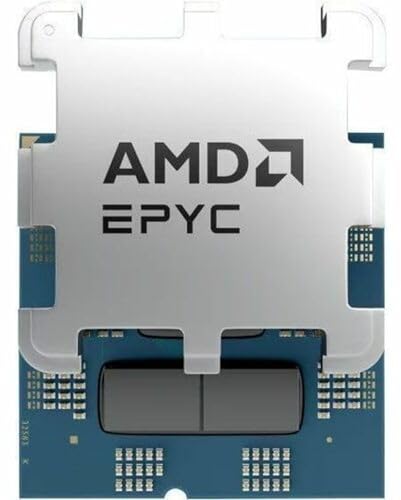
AMD EPYC 4005 4545P 16-Core Processor

Systems Analysis and Design in a Changing World
More Details On Our Top Picks
Sixteen cores and thirty-two threads on the proven AM4 platform gives this chip a long runway for anyone not ready to jump to a fresh motherboard and DDR5. The Zen 3 architecture pushes a 4.8 GHz max boost clock, and with overclocking unlocked, you have headroom to tune it further once your cooling solution can handle the thermal load. For heavy multitasking like rendering video timelines while running background compiles, that core density is the difference between a smooth afternoon and a stuttery one. In a typical content-creation workflow, you will notice compilation and export tasks finishing noticeably faster than on 8-core alternatives.
That said, the AM4 socket is a dead-end platform, so future upgrades beyond this generation will require a full motherboard swap. The trade-off there is real: you get excellent performance-per-dollar today but limited expansion headroom tomorrow. You also need to factor a dedicated cooler into your build budget since nothing ships in the box.
Strong Points
- Sixteen cores tear through rendering and code compilation workloads
- AM4 compatibility saves the cost of a new motherboard and DDR5 RAM
- Overclocking unlocked lets power users tune for their specific thermal envelope
- 72 MB of total cache keeps frame rates steady in CPU-heavy game engines
- PCIe 4.0 support means full-speed NVMe storage and modern graphics cards
Things To Consider
- No included cooler means you must budget separately for adequate thermal management
- AM4 is a legacy socket, so any future upgrade path requires a full platform rebuild
Quick Facts
Who It Suits Best
Content creators and enthusiasts already on an AM4 motherboard who want a significant core-count jump without rebuilding their whole system.
Where A Sibling Pick Shines
Shoppers planning a brand-new DDR5 build will find the Intel Core I7-13700 a better match with its newer LGA 1700 platform and faster memory support.
Intel’s 13th-generation hybrid architecture splits the workload between Performance cores and Efficient cores, giving you 16 total cores that handle foreground tasks and background chores differently. The eight P-cores clock at a 2.1 GHz base while the eight E-cores sit at 1.5 GHz, and the chip dynamically shifts work between them depending on what you are running. For a gaming-plus-streaming setup, that means your game gets the P-core attention while Discord, OBS, and browser tabs land on the E-cores. Compared to the Ryzen 9 5900XT, this pick moves you onto a newer platform with DDR5 support.
The 30 MB of L3 cache plus 24 MB of L2 gives the chip a deep well of fast memory for reducing latency in CPU-bound titles. You will want a robust cooler here, as the hybrid design can push serious wattage under all-core loads. The LGA 1700 socket also gives you a clearer upgrade path than the AM4 dead end on the Ryzen.
Highlights
- Hybrid P-core and E-core design intelligently separates foreground and background work
- DDR5-5600 support delivers substantially more memory bandwidth than DDR4 platforms
- LGA 1700 socket offers a newer platform with potential for future CPU drops
- 24 threads handle heavy multitasking without queuing delays
Trade Offs
- Power draw under sustained all-core workloads is notably higher than AMD equivalents, requiring strong cooling
- Requires a new LGA 1700 motherboard, adding cost for anyone coming from an older Intel or AMD platform
- No included cooler in the box, continuing the trend of budgeting separately for thermal management
Right Fit For
Builders constructing a fresh DDR5 system who want strong gaming performance alongside serious multitasking capability.
A Better Fit Elsewhere
Anyone already sitting on an AM4 motherboard will save a full platform swap by going with the AMD Ryzen 9 5900XT instead.
Not every entry in a processors roundup is silicon. This book from The World Video Game Hall of Fame walks through gaming history using physical artifacts, including the first edition of Dungeons and Dragons, which directly seeded the computer role-playing genre. For anyone building a retro gaming rig or researching how early hardware constraints shaped game design, having that lineage documented in one place adds context the spec sheets cannot. You get a curated tour rather than a dry textbook.
The digital format means you can carry it on any device, which is convenient for reading alongside a build log or referencing dates while watching a retro tech retrospective. The gifting option with scheduled delivery and personal messages makes it a solid present for the hardware enthusiast who already has enough thermal paste. It is a lighter read than the Systems Analysis and Design textbook further down this list.
Reasons To Buy
- Curated by The World Video Game Hall of Fame, lending genuine institutional authority
- Covers the D and D first edition, connecting tabletop roots to computer RPG mechanics
- Digital format syncs across devices for on-the-go reference
Small Caveats
- Image availability for certain color or format variants may vary on the product page
- This is a history book, not a technical hardware guide, so do not expect spec sheets or benchmark data
Who Will Love This
Retro computing enthusiasts and gaming history fans who want curated context behind the hardware they build with.
Another Choice May Suit
Readers looking for actionable software design methodology should reach for Systems Analysis and Design in a Changing World instead.
Server-grade silicon in an accessible package is the promise of the EPYC 4005 line. The 4545P brings 16 cores running at a 3 GHz base clock to the AM5 socket, which means you can build a compact business server on a desktop-class board rather than investing in enterprise rack hardware. For small businesses stepping into local AI workloads or running multiple virtual machines, that core count handles parallel tasks without breaking a sweat. The AM5 socket also means you benefit from modern platform features without paying for a server-specific motherboard ecosystem.
Unlike the desktop-focused Ryzen 9 5900XT, this chip is tuned for sustained throughput rather than bursty gaming loads. The base clock is conservative, prioritizing thermal stability over peak boost numbers. You are looking at a part built for reliability under continuous load, not frame-time consistency in a shooter.
Standout Traits
- 16 cores on AM5 makes entry-level server builds accessible without enterprise motherboard costs
- Designed for turn-key, manageable small business server solutions
- 3 GHz base clock prioritizes sustained thermal stability for 24/7 operation
- AM5 socket compatibility opens access to modern PCIe and memory infrastructure
Points To Note
- Server-optimized clock speeds mean lower single-thread burst performance than desktop Ryzen counterparts
- Overkill for a gaming or standard desktop productivity build
Best Suited To
Small business operators building an entry-level server for virtualization, local AI inference, or multi-user compute workloads.
Look Elsewhere When
Desktop users focused on gaming and content creation will find the AMD Ryzen 9 5900XT better tuned for their workload.
Hardware only matters once software runs on it, and this textbook bridges the gap between raw compute and the systems you actually build. John W. Satzinger covers object-oriented design alongside software testing and engineering principles, giving you the framework for architecting applications that use your processor cores efficiently. For students or self-taught developers moving from basic scripting to full system design, the structured approach fills in the gaps that trial-and-error leaves. It is the kind of reference you keep on your desk while planning a project, not something you read once and shelve.
The digital delivery format means you can pull it up on a second monitor while working through a design document. Compared to the gaming history book earlier in this list, this is a working manual rather than a leisure read. The focus on a changing world keeps the methodology anchored to iterative development rather than rigid waterfall planning.
Plus Points
- Covers object-oriented design, giving you a structured approach to software architecture
- Includes software testing and engineering methodology alongside design theory
- Digital format allows cross-device access for simultaneous reading and coding
Room For Improvement
- Image availability for certain color or format variants may vary on the listing
- Textbook pacing can feel dense for someone looking for a casual overview rather than structured coursework
Whose Shelf It Belongs On
Software engineering students and self-taught developers stepping into structured system design and object-oriented architecture.
Swap It Out When
Anyone wanting gaming history context over software methodology will prefer A History of Video Games in 64 Objects.
What Matters Most Before Choosing Processors In The World
Socket Compatibility Dictates Everything
Your motherboard socket is the hard gate on every processor choice. The Ryzen 9 5900XT requires AM4, the Core I7-13700 needs LGA 1700, and the EPYC 4545P sits on AM5. Mismatch the socket and nothing else matters, so confirm your board model and chipset before anything else. A fresh platform often means new RAM too, since DDR4 and DDR5 are not interchangeable.
Core Count Meets Workload Reality
Sixteen cores sound impressive, but the payoff depends on what you actually run. Content rendering, code compilation, and virtualization scale well across cores, while gaming benefits more from single-thread speed and cache depth. The hybrid P-core and E-core design on the Intel pick tries to serve both camps, splitting foreground and background work intelligently. Match the core architecture to your daily software, not the spec sheet headline.
Cooling and Power Budgeting
None of these processors ship with a cooler in the box. High core counts under sustained load generate serious heat, and inadequate thermal management throttles performance regardless of what the boost clock claims. Budget for a quality air or liquid cooler, and confirm your power supply has the wattage headroom for peak draw. Server-grade parts like the EPYC prioritize stable base clocks over bursty boost numbers, which changes your cooling calculus.
Things Worth Knowing First
Traps First Timers Fall Into
The most common mistake is buying a processor before confirming motherboard BIOS compatibility. Even on the correct socket, older BIOS versions may not recognize newer silicon, leaving you needing a loaner chip to flash the board. Another frequent slip is underestimating cooler height clearance in compact cases, which forces a last-minute swap to a low-profile unit. Always verify both dimensions and firmware before committing.
The Upgrade Payoff
Spending up moves you onto a newer platform with longer support runway and faster memory. DDR5 systems like the LGA 1700 pick deliver substantially more bandwidth, which matters for memory-bound workloads and future GPU pairings. The extra outlay buys you two or three more years of drop-in upgrade options before another full rebuild becomes necessary.
Frequently Asked Questions
Can I use a desktop processor in a server build?
Desktop chips work for light server duties but lack the sustained-load tuning and management features of server-grade parts like the EPYC line.
Do any of these processors include a cooler?
None of the five items listed ship with a stock cooler, so you must purchase thermal management separately based on your case clearance.
Is AM4 still worth building on in 2026?
AM4 remains viable for high-core-count upgrades on existing boards, though the platform has no future CPU releases beyond current generations.
What is the difference between P-cores and E-cores?
P-cores handle high-performance foreground tasks while E-cores manage background processes, dynamically shifting work to balance speed and power efficiency.
Do I need DDR5 for the Intel Core I7-13700?
The processor supports DDR5-5600, but LGA 1700 motherboards also offer DDR4 variants, so your RAM choice depends on the specific board you pair it with.
Final Verdict
Your ideal pick comes down to platform commitment and workload. Sticking with AM4 makes the Ryzen 9 5900XT a high-value upgrade, while fresh DDR5 builders get strong hybrid performance from the Core I7-13700. Small business operators should look hard at the EPYC for server duty. Pair any of these with the right books to round out your knowledge, and your build will be balanced from silicon to software.
